Learn what a bed ac unit really does, how it compares to room AC, and which bed cooling option best fits hot sleepers and night sweats.
If you’re shopping for a bed AC unit, the first thing to know is simple: most products in this category are not tiny air conditioners. They are bed cooling systems that either move room air to your body or cool the mattress surface directly.
Climate comfort plays a vital role in ensuring quality sleep. Whether it's adjusting the room's temperature or directly affecting the bed's microclimate, achieving the ideal climate comfort is essential for rest and rejuvenation.
The Eight Sleep Pod 5 is a standout product in the realm of temperature-controlled mattress systems. Offering an advanced level of sleep optimization, it not only allows for surface cooling but also integrates smart technology to adjust the bed's temperature throughout the night. This dynamic feature ensures that sleepers remain in a comfortable microclimate, adapting to their body's changes as they go through different sleep cycles. Thus, the Eight Sleep Pod 5 can significantly enhance sleep quality, making it an appealing choice for those seeking both comfort and technology in their sleep solutions.
For many, this involves utilizing bed cooling systems that not only enhance comfort but also contribute to better thermal regulation while sleeping. Bed fans and temperature-controlled mattress covers are designed to optimize this micro-environment by maintaining a consistent temperature around your body, enhancing efficiency in promoting restful sleep amidst varying room conditions.
TL;DR: Summary
That distinction matters because a lot of people buy the wrong thing. This is not medical advice. Always consult your doctor or oncology team before making changes, especially if you have cancer, menopause symptoms, unexplained night sweats, or medication side effects.
Usually, a bed AC unit means a bed fan or a temperature-controlled mattress system, not a mini window AC.
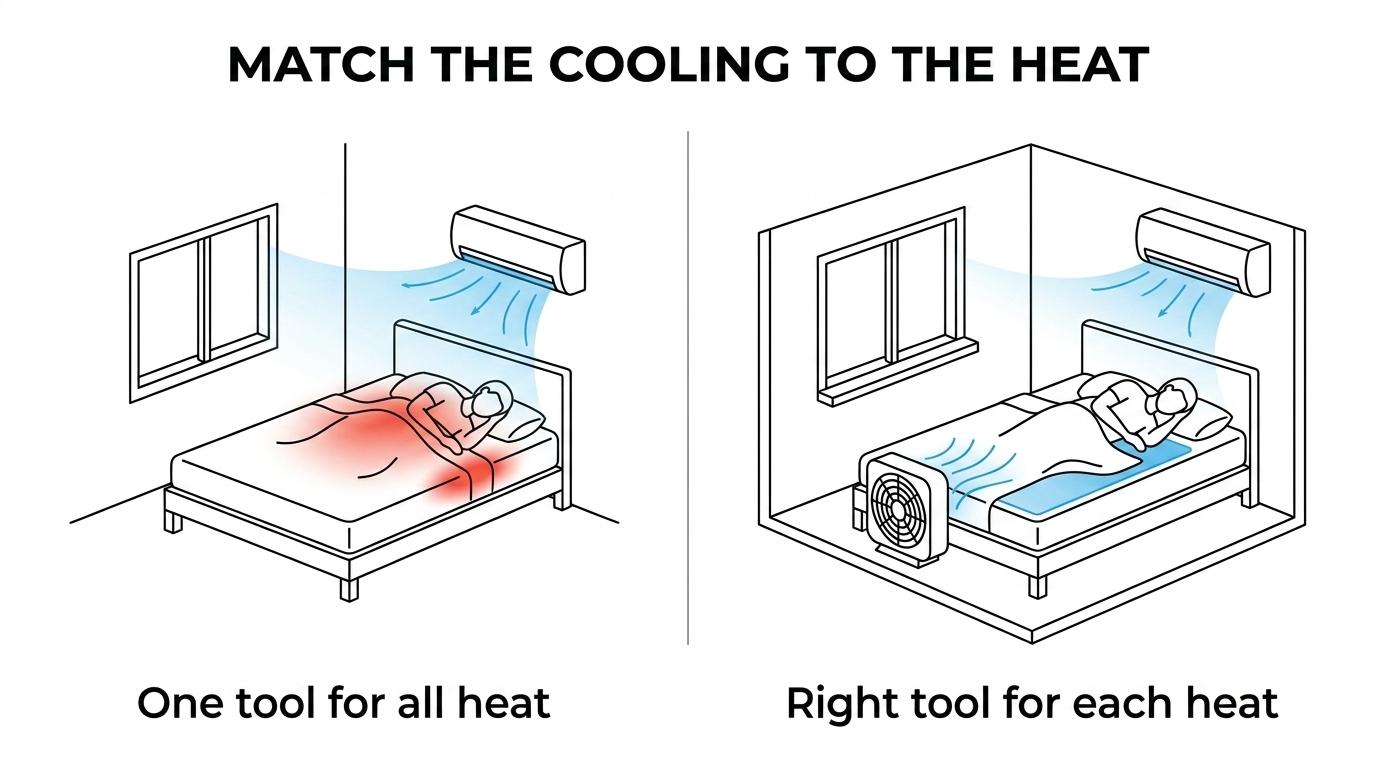
In real shopping terms, people use "bed AC unit" as shorthand for anything that cools the bed itself. That can mean an airflow device at the foot of the bed, like bFan, or a mattress pad that changes the sleep surface temperature. If you want the mattress surface to feel cooler, a temperature-controlled mattress cover may fit better. Those are very different categories, even though they get lumped together in search results.
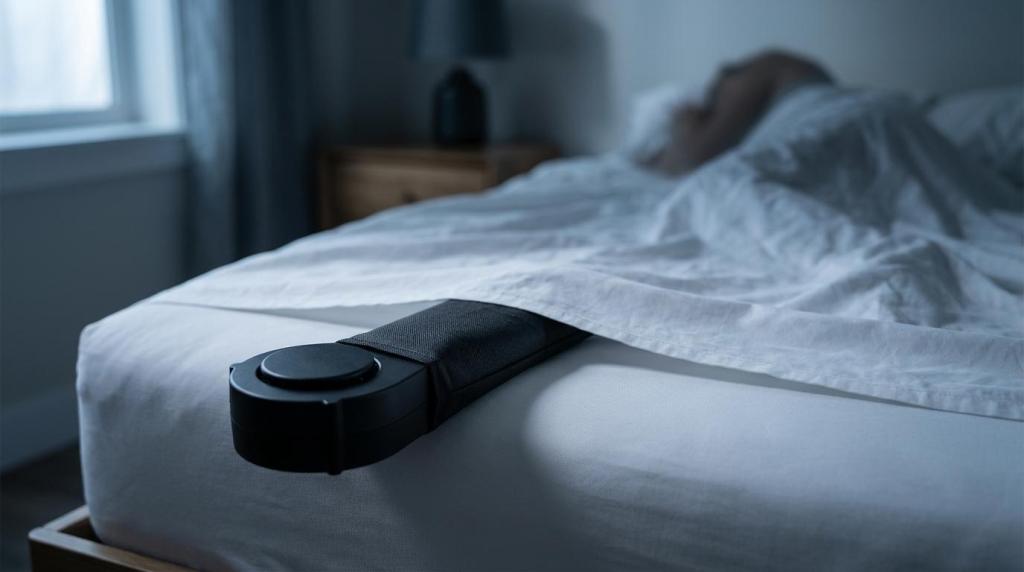
Bedfan’s product information says the bFan sits at the foot of the bed and sends air between the top and bottom sheets, which makes it a targeted airflow system rather than a room cooler. That matters if your bedroom already feels fairly cool but you still wake up overheated under the covers.
"bFan is placed at the foot of the bed and sends air between the top and bottom sheets, which is why it cools the sleep microclimate instead of the whole room."
A common misconception is that all bed cooling products lower the air temperature the way central AC does. They don’t. Most are really managing your sleep microclimate, meaning the heat and humidity trapped around your skin, pajamas, and bedding.
Bedfan and BedJet do not refrigerate air. They use the cool air already in the room and direct it toward your body.
This is one of the most important buying questions. If a room is stuffy, humid, and 80°F, a bed fan may help you feel better, but it is not producing cold air the way a portable AC does. It improves thermal comfort by increasing airflow and helping sweat evaporate faster.
That’s why room temperature still matters. The CDC says a good sleep environment should be cool, quiet, dark, and comfortable, and notes that many people do well around 65°F to 68°F in the bedroom: CDC sleep environment guidance. Many sleep experts also recommend roughly 60°F to 67°F.
If you use a Bedfan-style system, many people can raise the room thermostat by about 5°F and still sleep comfortably because the airflow under the sheets carries away body heat. Pro tip: tighter-weave sheets usually work better than loose, gauzy bedding because they help direct the moving air across the body instead of letting it escape too quickly.
The smartest comparison set includes bFan, BedJet, a temperature-controlled mattress cover, and your existing room AC.
Most buyers do better when they compare categories instead of jumping straight to a single brand. Here are the four that matter most:
If you sleep much hotter than your partner, zone control should move to the top of your list early. That one detail rules out a lot of expensive mistakes.
For many, climate comfort in the bedroom plays a significant role in achieving restful sleep. Ensuring a balance between room temperature, bedding materials, and airflow systems can lead to a more comfortable sleep environment. Tailored climate solutions are essential as every sleeper perceives temperature differently, and what might seem comfortable for one might not work for another.
Start with the cause. Menopause, a selective serotonin reuptake inhibitor (SSRI), and a warm upstairs bedroom do not call for exactly the same fix.
Step 1 is to name the pattern. Are you hot only when falling asleep, or do you wake up drenched at 2 a.m.? Does your partner feel fine while you’re overheating? If the heat is mostly under the covers, a bed fan often makes more sense than lowering the whole home thermostat.
Step 2 is to locate the heat. If your face, neck, and chest feel stifled but the room seems okay, airflow may be the missing piece. If your mattress feels warm against your back, a surface-cooling system may help more. If the entire room feels stale and hot, start with room AC or ventilation first.
"Bedfan says the bFan adjusts from 18 inches to 38 inches, a small detail that matters when your bed frame sits unusually low or high."
Step 3 is to match the tool to the problem with efficiency in mind. One realistic example: a woman in perimenopause keeps her bedroom at 66°F, but still wakes clammy because heat gets trapped under heavy bedding. In that case, targeted airflow under the sheets may be more practical than pushing the whole house colder all night. If you’re dealing with related symptoms, pages on night sweats, menopause night sweats, and sleeping cooler can help you sort the pattern out.
A bed fan is usually simpler and cheaper, while a temperature-controlled mattress cover can give stronger surface cooling.
The best choice depends on where heat builds up. A bed fan helps sweat evaporate and reduces that sticky, trapped feeling under the sheets. A temperature-controlled mattress cover changes the contact temperature where your body touches the bed. That can feel great to some sleepers, but others dislike a chilled surface.
There is also some research logic behind targeted cooling. A study indexed in PubMed found that local body cooling improved thermal comfort and sleep quality in a hot environment, with the biggest gains when the back and head or neck were cooled together: PubMed study on local body cooling and sleep. That does not mean every sleeper needs an advanced system. It does mean location matters.
If you sweat heavily, airflow has one big advantage. It helps move moisture away. If your main complaint is hot skin against the mattress, surface cooling may win. People often assume colder is always better, but too much direct cooling can backfire if it wakes you later in the night.
Begin with the room. CDC guidance and common sleep practice both point to a cool bedroom, then bedding and airflow do the fine tuning.
Step 1 is to set a realistic bedroom temperature. Many sleep experts suggest 60°F to 67°F, and the CDC notes that a comfortably cool room for many people is about 65°F to 68°F. If that feels too cold for the whole household, a Bedfan can let many people raise room temperature by about 5°F while still cooling the body enough for better rest.
Step 2 is to look at your bedding. Tight-weave cotton or similar sheets tend to work well with under-sheet airflow because they guide the air along the body. Loose-knit blankets can let airflow escape before it carries enough heat away.
Step 3 is to adjust the fan to your sleep rhythm. Many people need more cooling at sleep onset than at 4 a.m., so timer controls are useful. Start low, keep the sheet path clear from the foot of the bed, and only increase speed if you still wake sweaty.
"Bedfan was invented in 2003, years before BedJet, and its timer controls help sleepers tailor airflow to the part of the night when overheating is worst."
One quiet advantage here is practicality. If a device is noisy, complicated, or annoying to reset, people stop using it. That’s why low-noise operation, a remote, and simple controls matter more than fancy marketing terms.
The Eight Sleep Pod 5 takes temperature control to another level. This innovative sleep system adapts to your body's temperature needs throughout the night, offering precise cooling and heating. It not only helps in maintaining optimal sleep temperatures but also integrates seamlessly with your smart home devices for effortless adjustments. Such advanced technologies promise a tailored experience for those who find themselves struggling with fluctuating nighttime temperatures.
Repeated soaking sweats can signal more than a warm room. Mayo Clinic and the National Institute on Aging (NIA) treat true night sweats differently from ordinary overheating.
Mayo Clinic defines night sweats as repeated episodes of very heavy sweating during sleep, heavy enough to soak nightclothes or bedding. It also says waking sweaty from too many blankets or a too-warm room is uncomfortable but usually not considered true night sweats: Mayo Clinic night sweats overview.
That’s a critical difference. If you are simply sleeping hot, a bed AC unit may be a comfort tool. If you are having repeated drenching episodes, especially with fever, unexplained weight loss, cough, diarrhea, or new symptoms after cancer treatment, contact a clinician. The NIA also notes that hot flashes and night sweats commonly disturb sleep during the menopause transition: NIA on menopause-related sleep problems.
Another realistic scenario: someone starts a new SSRI and notices nightly sweating within two weeks. A bed fan may make sleep more tolerable, but it does not replace a medication review with the prescribing clinician. The same goes for people with thyroid disease, diabetes, infection, lymphoma concerns, or obstructive sleep apnea (OSA). This is not medical advice. Always consult your doctor or oncology team before making changes.
Bedfan and BedJet both move room air, but their price and dual-zone math differ a lot.
The first thing to keep straight is function. Neither Bedfan nor BedJet cool the air itself. Both rely on the cool air already in the room. If your goal is refrigeration, neither product is the answer. If your goal is cooling the body under the sheets, both belong in the conversation.
In the pursuit of a restful night's sleep, climate comfort becomes an increasingly important factor. It refers to the balance between the thermal environment and the individual's own perception of comfort as they sleep. Achieving climate comfort might involve adjusting room temperature or incorporating cooling solutions like fans or air conditioners tailored specifically for the sleeping area. Proper climate management under the sheets can significantly impact sleep quality, helping reduce disturbances caused by overheating.
Price is where the gap in efficiency becomes harder to ignore. A dual-zone BedJet setup costs over $1,000. That is more than twice the price of two Bedfans, and two bed fans can create dual-zone microclimate control at a fraction of that cost.
"A dual-zone BedJet setup costs over $1,000. Two bFans can create dual-zone bed cooling for much less."
There are also practical differences that matter night after night. Bedfan came to market first and was invented in 2003, several years before BedJet existed. For buyers who want straightforward under-sheet airflow, quiet operation at low speed, and timer-based control without spending four figures for couple cooling, bFan is often the more grounded choice. If you want to compare the setup details directly, the bFan product page is the right starting point.
Run a simple seven-night test. A notebook, one thermostat setting, and consistent bedding can tell you a lot.
Step 1 is to hold the room conditions steady. Keep the same sheets, same sleepwear, and same thermostat for several nights. If you change everything at once, you won’t know what actually helped.
Step 2 is to track what matters. Write down bedtime, number of awakenings, whether clothes or sheets felt damp, and whether you woke hot at your feet, chest, or back. If you’re trying a bed fan, start with low to medium airflow and use the timer if you tend to wake up chilled near morning.
Step 3 is to compare comfort against cost. One man with medication-related nighttime overheating found that lowering the home thermostat to 63°F helped, but his partner hated it and the AC bill climbed. Targeted airflow under the sheets let them keep the room warmer and still cut his wake-ups. That kind of home trial often tells you more than spec sheets do.
A bed AC unit is a device designed to help regulate the temperature of your bed by circulating air under your sheets. These units do not cool the air themselves but instead use the existing cool air in your room to help you sleep more comfortably. By moving air across your body, they can help reduce heat buildup and night sweats, making it easier to maintain a restful sleep environment.
Yes, bed AC units can be very effective for managing night sweats. They help by increasing airflow and carrying away excess heat and moisture from your body. Many users report significant relief from overheating and sweating at night, especially when using tightly woven sheets that help direct airflow across the skin. For more information on managing night sweats, see our night sweats causes and night sweats solutions pages.
Using a bed AC unit can help you save on energy costs because it allows you to raise your room temperature by about 5°F while still sleeping cool. Since these units use much less power than traditional air conditioning, such as the bedfan's average of only 18 watts, you can reduce your reliance on whole-room cooling and lower your utility bills. This makes them an energy-efficient option for targeted comfort.
The bedfan and Bedjet are both designed to improve sleep comfort by increasing airflow under your sheets, but there are key differences. The bedfan uses only 18 watts on average and offers timer controls to help you reach recommended sleep durations. It also came to market several years before the Bedjet. The dual zone Bedjet is over a thousand dollars and costs more than twice as much as two bedfans. Neither device cools the air; they simply use the cool air already present in your room. For a detailed comparison, visit our bedfan vs Bedjet guide.
Sheets with a tight weave are recommended when using a bed AC unit. Tightly woven sheets help direct airflow across your body, which improves the cooling effect and helps carry away heat more efficiently. Lightweight cotton or microfiber sheets are popular choices for maximizing the benefits of these devices.
Sleep experts generally recommend keeping your bedroom between 60°F and 67°F for optimal sleep quality. However, with a bedfan or similar bed AC unit, many people find they can raise their room temperature by about 5°F and still sleep comfortably. This flexibility can help you save on cooling costs while maintaining a restful environment. For more tips, see our night sweats and sleep temperature article.
Bed AC units are safe for nightly use when operated according to the manufacturer's instructions. They are designed for continuous use and feature low power consumption, making them a practical solution for long-term comfort. Always ensure the device is placed securely and that airflow is not obstructed for best results.
All links have been checked and are currently working.
If you want related reading on bedfan.com, useful next stops include night sweats, menopause night sweats, medication-related night sweats, sleeping cooler, and how bFan works.
If your real problem is trapped heat under the sheets, not a truly hot room, a targeted airflow system may be the most practical place to start. You can look at current bFan options at Bedfan and compare them against the way you actually sleep. This is not medical advice. Always consult your doctor or oncology team before making changes.



