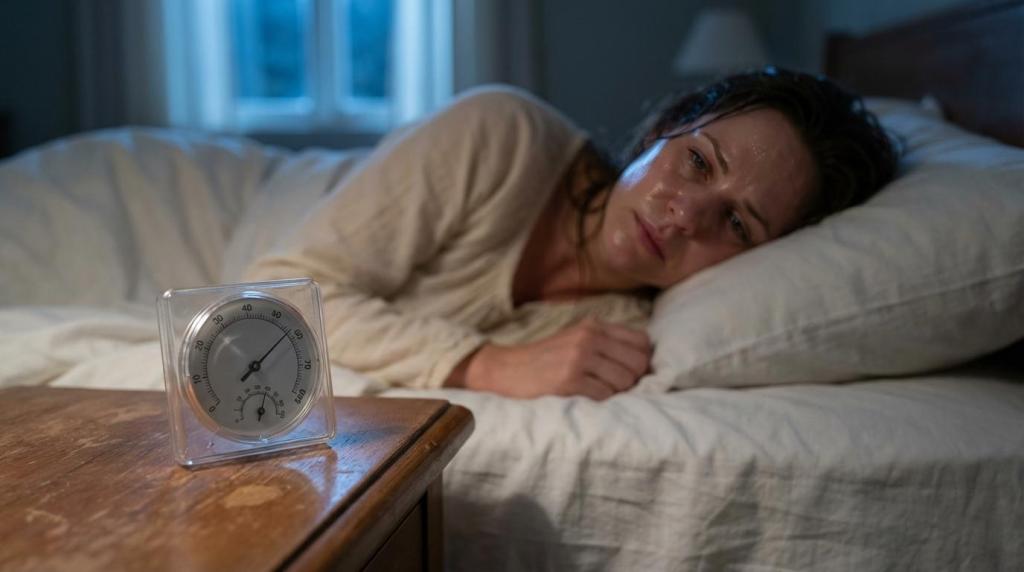
Are bed fans safe? Yes, for most adults when used correctly. Learn electrical, airflow, and overnight safety tips for cooler sleep.
Sleeping hot can make a normal bedtime feel way longer than it should. That is why many people look at a bed fan and ask a very reasonable question before they buy one: is it actually safe to run next to your bed, under your sheets, and through the night?
For most adults, the answer is yes. A bed fan is generally safe when it is made for overnight use, set up correctly, and kept in good condition. The bigger issue is not whether moving air under the covers is dangerous on its own. It is whether the product is stable, low power, used with dry bedding, and placed so airflow stays comfortable rather than irritating.
A bed fan is usually a safe way to sleep cooler, and for many hot sleepers, it can be a simpler option than dropping the whole house temperature all night.
A bed fan is not the same thing as a room fan pointed at your face. Its job is to move trapped body heat out of your bedding so the space under the covers feels less stuffy and less humid. That matters because a lot of nighttime overheating comes from heat getting trapped around the body, not just from the room itself being too warm.
A product like the bFan Bed Fan from www.bedfan.com is designed to sit at the foot of the bed and send a controlled stream of air between the top and bottom sheets. That setup is useful because it cools the bed microclimate instead of blasting the whole room. For people dealing with night sweats, menopause, medication-related overheating, or just a naturally warm sleep style, that targeted cooling can be more comfortable than a ceiling fan alone.
When people worry about safety, they are usually asking about three things:
Those are the right questions to ask.
A bed fan should be judged much like any other small bedroom appliance. If the motor, cord, controls, and housing are built properly and used the right way, the risk is low. If the product has a damaged cord, poor stability, blocked airflow, or is used around spilled liquids, the risk goes up.
Low power use is a good sign, though it is not the only sign. The bFan Bed Fan, for example, uses a brushless digitally controlled DC motor and averages only about 12 watts even at the highest speed. That is far lower than many cooling appliances, and lower power can mean less heat generated by the device itself. A quiet motor also tends to be more sleep-friendly, which matters if you are running it for hours.
Before using any bed fan overnight, a few checks make a big difference.
One more point that often gets missed: a bed fan should never feel hot to the touch at the motor housing during normal use. Warm is one thing. Hot is another. If a unit runs unusually warm, that is a sign to unplug it and inspect it.
For most people, yes, if the unit is intended for overnight operation and you are using it as directed.
That said, comfort and safety overlap here. A fan that is too strong, too noisy, or poorly positioned may not be dangerous in the strict sense, but it can still interrupt sleep, dry out your nose, or leave you waking up chilled at 3 a.m. The safest setup is not the coldest one. It is the one that gives steady, gentle airflow and does not force you to pile on and kick off covers all night.
This is one reason many people prefer a purpose-built bed fan over a standard floor fan. A bed fan sends air where heat gets trapped, so you often do not need intense airflow. The bFan Bed Fan is built for this kind of targeted cooling, with remote-adjustable speed from very low to full power. That range matters. Some nights you want a light breeze. On others, you may want stronger airflow during a hot flash and then turn it back down.
If you sleep with a partner, that targeted airflow can also be easier to live with than dropping the thermostat for the whole room.
Moving air is not harmful for most healthy adults, but it can cause irritation in some situations. This is usually about dryness or allergens, not about the air itself being dangerous.
If airflow is too strong or aimed badly, you might wake up with dry eyes, a dry throat, nasal stuffiness, or mild skin dryness. People with allergies, asthma, chronic sinus issues, or very dry indoor air may notice this more than others. The fix is often simple: lower the speed, clean the bedroom more often, and keep sheets fresh so the fan is not pushing dust around inside the bedding.
A bed fan can actually feel gentler than a room fan because the air is moving under the covers rather than blasting the face. Even so, if you already deal with dry air in winter, you may want to pair your cooling setup with better humidity control in the room. As Nauticumshop explains in its guide to hygrometers and indoor humidity, keeping relative humidity around 40–60 percent—and actually measuring it with a simple hygrometer—reduces dryness complaints and makes bedroom airflow feel gentler.
If cold air tends to trigger muscle stiffness for you, start lower than you think you need.
No, a bed fan does not cause infections or colds by itself.
That old idea comes up often, but fans do not create viruses or bacteria. What they can do is make you notice an already dry room, dusty bedding, or airflow that is too intense. If someone wakes up congested after using a fan, the cause is more likely dry air, dust, or irritation than the fan "making them sick."
Cleanliness matters here more than people think. A dusty fan intake, dirty sheets, and pet hair under the bed can all reduce comfort. Any cooling device works better when the sleep space is clean.
A bed fan is a comfort product, not a medical treatment. That is an important line.
For hot sleepers, women in menopause or perimenopause, people taking medicines that trigger sweating, or those who wake up overheated for unclear reasons, bed cooling can bring real relief. Sleeping cooler may also help people avoid cranking the air conditioning all night. But unexplained night sweats should not be brushed off if they are new, severe, or paired with other symptoms.
If you are pregnant, have a heart or lung condition, use oxygen, or have a health issue that affects body temperature control, it is smart to check with your clinician if you are unsure. The airflow itself is rarely the problem. The bigger question is whether nighttime overheating is a symptom that needs attention.
Talk with a clinician if the sweating is persistent or comes with other changes.
Cooling the bed can make nights more manageable, but it should not replace medical care when symptoms point to something bigger.
Most bed fan problems come from setup, not from the idea of the product itself.
A fan that is buried in fabric, blocked by clutter, or aimed poorly will work harder and cool less effectively. People sometimes overcompensate by turning the speed up too high, which can make sleep less comfortable and can stress a poorly placed unit.
A few simple habits help:
Fitted sheets and bedding style matter, too. A bed fan works best when air can travel between layers. If the bedding is tightly tucked and very heavy, airflow may feel weaker. That is not a safety issue by itself, but it can lead people to use settings they do not really need.
It depends more on supervision and setup than on the airflow.
For pets, the main concern is cord chewing, curious paws, or the animal blocking the intake area under the bed. For children, think about access to controls, cords, and any moving parts. A bed fan with a stable design and hidden placement at the foot of the bed can reduce these issues, but adults should still decide whether a specific child is old enough to use one safely.
If a child has asthma, sensory sensitivity, or trouble regulating body temperature, a pediatrician can help decide whether overnight airflow makes sense.
If you are comparing options, focus less on flashy claims and more on practical design. A safer bed fan is one that stays put, runs quietly, uses modest power, and cools the bed without needing extreme airflow.
That is where purpose-built products stand out. The bFan Bed Fan is worth a look because it is designed around this exact use case: discreet placement at the foot of the bed, airflow directed between the sheets, a quiet brushless DC motor, and adjustable speed from 5% to 100%. For people who want cooling without dropping the thermostat for the whole house, that setup makes a lot of sense.
When shopping, keep your checklist simple.
A bed fan should feel like part of your sleep setup, not like a workaround that creates new worries. If it is built well, used correctly, and kept clean, it is generally a safe way to sleep cooler and cut down on that trapped, stuffy heat under the covers.