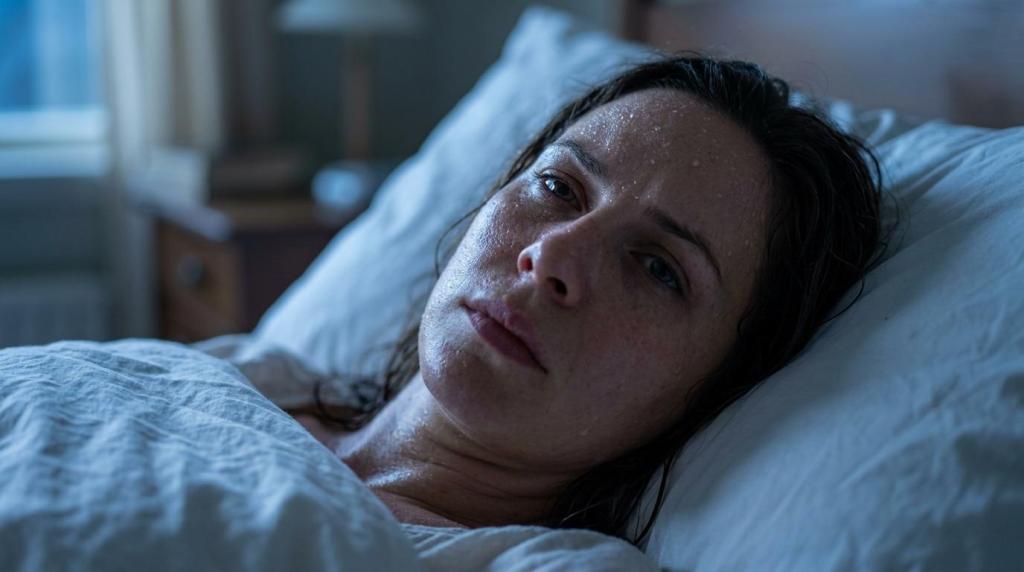
bFan vs BedJet: Compare cooling, noise, cost, and features to find the best under-the-covers solution for night sweats.
If you are trying to choose between a bFan bed fan and a BedJet for night sweats, the short answer is pretty simple, bFan is usually the better pick if you want strong cooling relief, low running cost, quiet operation, and a much lower upfront price. BedJet earns points for heating, app based controls, and a more feature packed setup, but that extra complexity comes at a steep cost.
That matters because most people shopping for a bed cooling system are not looking for a science project. You want to stop waking up hot, damp, irritated, and wide awake at 2 a.m. You want something that works, fits your bed, does not send your power bill through the roof, and does not cost more than the mattress sitting under it.
There is also one basic truth that gets buried in a lot of product marketing, neither bFan nor BedJet cool the air itself. Both systems use the cooler air already in your room and move it under your covers. That airflow helps carry heat and moisture away from your body, which is often exactly what hot sleepers, people with menopause symptoms, and anyone dealing with night sweats need.
When you strip away the marketing language, this comparison comes down to airflow, comfort, simplicity, price, and whether you want heating built in. The original bFan came to market several years before BedJet was even on the scene, so this is not a new idea. It is a proven sleep cooling approach, move air through the bedding, reduce trapped body heat, and let your body settle into sleep more easily.
Sleep experts commonly recommend a bedroom temperature between 60°F to 67°F, 15.5°C to 19.5°C, for better sleep. A bed fan can help because it cools your body directly where heat gets trapped most, right under the covers. In real life, many people can raise the room thermostat by about 5°F and still feel cool enough for more restful sleep when using a bed fan, which can mean real savings on air conditioning.
After you look at the essentials, the picture gets clearer.
Night sweats are miserable because the problem is not just room temperature. It is trapped heat. Your body gives off warmth all night, your bedding holds onto some of it, and once that heat and moisture build up under the covers, sleep gets lighter and more broken. You kick the sheets off, cool down a bit, pull them back on, and then the cycle starts again.
That is why airflow matters so much. A bed fan pushes room air between your sheets so heat does not pool around your skin. It also helps stop sweat before it starts, which is a big deal if your sweating is linked to menopause, medication side effects, hormone changes, anxiety, or a medical condition that makes you overheat after midnight.
The important point is that neither bFan nor BedJet creates cold air. BedJet does not cool the air. bFan does not cool the air. Both use the cooler air already in the room. If your bedroom is extremely warm, both systems will still help, but they work best when your room is already in a sleep friendly range. Again, that usual target is 60°F to 67°F. The nice thing is that many people using a bed fan can keep the room about 5°F warmer than they used to and still sleep cooler because the body is getting direct airflow where it counts.
Sheet choice matters too.
A tight weave top sheet is often the best match for a bed fan because it helps the air travel across your body instead of escaping too quickly. You want the airflow to move under the covers, skim along the skin, and carry heat away. Loose, very open fabrics can still work, but a tighter weave usually gives you better cooling control.
The bFan approach is refreshingly simple. It sits at the foot of the bed and sends air up between your sheets. There is no bulky overhead unit, no need to cool the whole room more than necessary, and no complicated climate programming just to stop sweating at night. You turn it on, set the speed you like, and let it do its job.
That simplicity is a big part of the appeal. If you want a product recommendation, the bFan bed fan is easy to recommend for people who want focused under cover cooling without paying premium system prices. It is especially appealing if your main goal is relief from hot flashes, medication related sweating, humid sticky nights, or that overheated feeling that shows up right after you drift off.
Noise matters at bedtime, and this is one place bFan makes a strong case. Normal operating sound is generally in the 28 dB to 32 dB range, which is soft enough for most bedrooms. In plain English, it is the kind of sound many sleepers either do not notice much or actually like because it becomes gentle background noise.
There is also the energy angle. bFan power use is extremely low compared with running more air conditioning all night. Published figures are in the low teens of watts, and practical comparison language often puts average use around 18 watts. Either way, that is tiny. If you are trying to stay cool without paying for a colder whole house, that matters a lot.
And yes, bFan timer controls are part of the value story for a lot of sleepers. Some people want strong airflow while they fall asleep, then less later in the night. Others want it running until morning. The ability to tailor that pattern helps you chase comfort, not just blast air nonstop.
BedJet is a more feature rich system. Its biggest advantage is that it can heat as well as cool. If you are someone who gets cold in winter and hot in summer, that flexibility is appealing. It also offers more advanced controls, often with an app, presets, and a wider menu of settings.
For some buyers, that sounds great. For others, it is more than they need. If your main issue is night sweats, the added heating function may not be worth paying for. Cooling mode is still just airflow. BedJet does not cool the air with refrigeration or any kind of air conditioning process. It pulls in room air and pushes it under the covers. That can feel great, but the cooling principle is still the same one bFan uses.
BedJet also tends to spread air more broadly through its sheet and hose setup, which some people like. If you want a more engineered airflow path and more digital control, that can be a plus. The flip side is that it is a bigger system, it usually involves more setup, and you are paying for features that many hot sleepers never actually use every night.
A published study on BedJet and perimenopausal women has been cited often because it reported strong relief for hot flashes and night sweats. That gives BedJet some scientific credibility, and that is fair to say. Still, a lack of a clinical trial for bFan does not change the basic physics. Moving air under the covers reduces trapped heat and helps stop sweat before it starts. You do not need magic for that to work.
If you are dealing with menopause or perimenopause, what you usually need is fast relief when the heat wave hits. Not later, now. Both products can help there, because both create under cover airflow right away. That quick response is one reason bed fan systems are so helpful for hormonal night sweating.
The difference is how much you pay to get there.
One BedJet is more than twice the price of a single bed fan. That alone makes a lot of shoppers pause. Then you get to couples. A dual zone BedJet setup costs more than twice the price of two bed fans. That is a huge gap. If both partners want personal cooling, two bFan bed fans can create dual zone microclimate control at a fraction of that cost. Each person can run their own fan, choose their own airflow level, and fine tune their own side of the bed without buying into a premium system.
That cost difference becomes even more meaningful when you remember that neither system actually creates colder air. BedJet does not magically turn warm room air into cold air. bFan does not either. If both are working from the same room air, the real question becomes this, how much extra are you willing to pay for heating and more electronic controls?

For many people, the answer is, not that much.
There is also a practical point about comfort. Night sweats are not always about needing a bed that feels cold. Many people just need enough airflow to stop heat from building up and enough moisture movement to stay dry. bFan is very good at that middle ground. It does not have to make the bed icy. It just has to stop the stuffy, trapped, sweaty feeling that keeps waking you up.
That makes it a strong fit for women in menopause, people taking medications that trigger sweating, warm sleepers with anxiety or stress related overheating, and anyone who wants the covers on without feeling smothered by heat.
This is where a bed fan can make more sense than cranking down the thermostat for the whole home. Sleep experts often point to 60°F to 67°F as the sweet spot for many adults. The problem is, keeping an entire house in that range all night can get expensive fast, especially in summer.
A bed fan helps because it cools your sleep space, not your entire square footage. By moving air through the bedding, it helps many people raise room temperature by about 5°F and still feel cool enough to sleep well. That is not a guarantee for every person or every climate, but it is a very common reason people buy one in the first place.
If your room used to need to be 65°F for you to sleep comfortably, you may find that 70°F works once a bed fan is pushing air under the covers. That difference can take real pressure off your AC system, especially over a full summer.
The running cost difference between these products matters too.
bFan is a very low power device. If you are thinking in practical terms, it uses about as little electricity as you could reasonably hope for from an all night cooling tool. BedJet cooling mode uses more power than a simple bed fan, and its heating mode uses a lot more. So if your goal is cooling relief with the lightest possible energy footprint, bFan has the cleaner value proposition.
A lot of people buy sleep products with big hopes, then get annoyed because the thing is awkward, noisy, or a pain to deal with. This is another area where the simpler design tends to win.
bFan is straightforward. You place it at the foot of the bed, fit it so the airflow enters between the sheets, and adjust the speed. That is basically the whole idea. You do not need a special engineering degree to get comfortable with it. Once it is in place, it is easy to forget about except for the fact that you are sleeping better.
BedJet asks more from you. There is more gear, more setup, and more system logic. Some people like that because it feels more customizable. If you enjoy tweaking settings, apps, and modes, you may enjoy the extra control. If you just want to stop sweating tonight, the added steps can feel like too much.
Noise is always personal, but the numbers help. bFan is typically around 28 dB to 32 dB at normal operating speed, which is very quiet by bedroom standards. Higher fan speeds naturally make more sound, but many users do not need maximum output once they find their sweet spot.
Maintenance is low for both, though bFan keeps the routine simple. Keep it clean, keep the intake clear, and it should keep moving air effectively. BedJet also needs basic upkeep, especially around filters and airflow paths, but it is still manageable. Neither one is high maintenance in the way some water based bed cooling systems can be.
The feel of the airflow matters just as much as the spec sheet. bFan tends to create a direct, gentle stream from the foot of the bed that spreads under the sheet. Some people love that because it feels immediate and natural. You can feel heat leaving without feeling blasted.
BedJet can feel a bit more system driven because the air path is more structured. Some sleepers prefer that, especially if they want airflow distributed in a more uniform way. Others find the simple bFan approach more comfortable because it is less fussy and easier to integrate with everyday bedding.
Your sheet choice can make a real difference here. A tighter weave top sheet often improves bFan performance because it helps hold the air in the bed space long enough to move across your skin and pull heat away. That is especially useful if your main issue is waking up sweaty through the torso and legs.
If you sleep with a partner, bedding habits matter too. One person who burritos in blankets and another who sleeps with a leg out are going to have different needs. That is why the idea of two bed fans for dual zone microclimate control makes so much sense. Each sleeper gets their own airflow and their own settings, without paying premium prices for a dual zone BedJet setup.
There is no single answer for every sleeper, but there is a clear pattern. If you want the best value for cooling relief, bFan is the stronger choice. It is simpler, much less expensive, quiet, low power, and focused on the exact problem most shoppers are trying to solve, overheating under the covers.
If you want heating too, or you really like app based control and advanced scheduling, BedJet can make sense. That said, you are paying a large premium for those extras. One BedJet is more than twice the price of a single bed fan, and the dual zone version costs considerably more. That is hard to ignore when two bed fans can deliver dual zone microclimate control for a fraction of the cost.
Here is the practical breakdown most shoppers care about.
If you are still on the fence, think about what keeps you awake. If it is heat trapped under the covers, and you want a direct, affordable fix, bFan is usually the better answer. If you want a more expensive climate gadget that can also heat and gives you more ways to tweak the experience, BedJet may feel worth it.
For most hot sleepers, though, simple wins.
Buy bFan if your goal is to sleep cooler, spend less, keep your room a bit warmer, and cut down on AC costs. That is the sweet spot. It is also a smart pick if you deal with menopause symptoms, medication related overheating, humid climate discomfort, or the kind of night sweats that make you dread going to bed.
Buy BedJet if cooling alone is not your whole story and you know you want heating built into the same system. It can also fit people who enjoy programmable sleep settings and do not mind paying more for them.
Either way, go in with realistic expectations. Neither system cools the air itself. Both work best when your room is already in a sleep friendly range, ideally around 60°F to 67°F. And with a bed fan, many people can often raise room temperature by about 5°F and still stay cool enough for deeper, more restful sleep. That is one of the biggest reasons it continues to be such a practical option.
National Institute on Aging on menopause, a clear overview of menopause symptoms, including hot flashes and sleep changes that can feed night sweats.
MedlinePlus guide to night sweats, a medical reference page covering common causes of night sweating and when to talk with a clinician.
MedlinePlus on sleep disorders and sleep health, a broad resource on sleep problems, sleep quality, and why restful sleep matters.
CDC guidance on healthy sleep, a practical public health resource on sleep needs and why consistent sleep habits support overall health.
The bFan sits at the foot of your bed and sends a quiet stream of air under your sheets. Direct airflow helps stop sweat before it starts, and one bFan costs less than half the price of one BedJet, making it the less expensive alternative. Shop the bFan at bedfans-usa.com