Learn how to stop menopause night sweats with bed-cooling tactics, breathable bedding, proven prescriptions, and when to see a doctor.
Waking up drenched can feel confusing and unfair, especially when you are doing “all the right things.” Menopause night sweats are common, but they are not something you have to simply tolerate. With the right mix of bedroom cooling, targeted medical options, natural remedies, and realistic expectations about popular remedies, many people get back to steady sleep.
Sleep disruption is a significant concern for those experiencing menopause night sweats. Interrupted sleep not only impacts nightly rest but can also affect overall health, mood, and daily functioning. Addressing sleep disruption involves a combination of minimizing night sweats and creating conducive sleep environments. Simple adjustments in sleep hygiene can contribute to a more restful night despite ongoing hormonal changes.
The goal is not perfection on night one. It is steady improvement: fewer wakeups, less soaked bedding, and a cooler baseline that makes each hot flash easier to ride out.
Most menopause and perimenopause night sweats are part of vasomotor symptoms, the same system that causes hot flashes during the day. As estrogen levels shift, the brain’s temperature control system becomes more reactive. Small changes in core temperature can trigger a sudden heat dump: skin flushing, sweating, and a rapid move from comfortable to overheated.
At night, bedding can make that swing worse. Sheets and comforters trap warm air close to the body, and once heat is “stored” in the bed, your body has to work harder to cool down. That is why some people can be comfortable at bedtime, then wake up overheated at 2 a.m. without any obvious trigger.
Environmental cooling rarely “cures” vasomotor symptoms, yet it can reduce the intensity of night sweats and make medication work better when you need it. The guiding idea is to prevent heat buildup under the covers, not just manage sweat after it happens.
A standing fan across the room cools the air, but it may not move much air where you need it most: inside the bedding microclimate. That is why bed-focused airflow and active cooling surfaces have gained attention. A small clinical pilot of an under-sheet cooling system reported fewer vasomotor episodes over time, and many people notice immediate relief from airflow directed into the sheets.
If you want the simplest upgrade, focus on airflow, fabric, and moisture movement. Fans, breathable layers, and wicking textiles will not change hormones, yet they can change the night.
After you have the basic room temperature set, try a short setup routine like this:
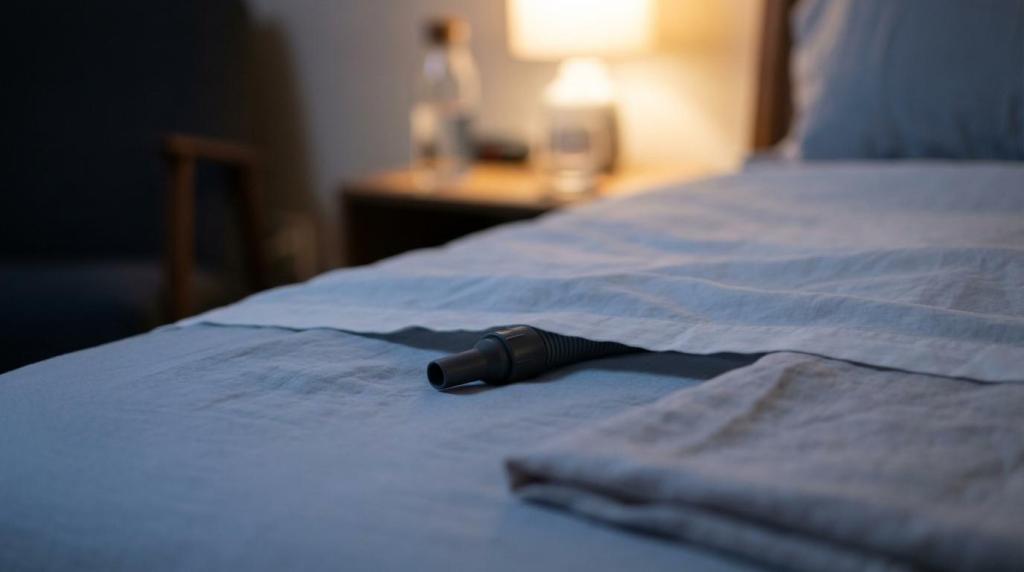
Bed-cooling fans are built around that “cool the sheets” approach. bFan Bed Fan systems, for example, are designed to push a controllable stream of air between the sheets so the bed does not store as much heat in the first place. People often like that the cooling is local and adjustable without having to drop the whole-house thermostat.
When night sweats are frequent, disruptive, or emotionally draining, it is reasonable to look beyond lifestyle tactics. Prescription therapies can reduce the number of episodes, not just make them feel less miserable.
Hormone therapy is widely recognized as the most effective treatment for vasomotor symptoms for many healthy women who are within about 10 years of menopause onset or under age 60, after a clinician reviews individual risks. Systemic estrogen therapy can reduce hot flash frequency substantially in trials, providing significant relief from hot flashes. If the uterus is intact, progesterone or a progestin is typically used along with estrogen to protect the uterine lining.
If hormone therapy is not a fit, several non-hormonal prescriptions, such as antidepressants, have solid evidence for meaningful symptom reduction. Clinicians often consider:
Many people in perimenopause do best with a blended plan: bedroom cooling for immediate nightly control, plus medication such as antidepressants when symptom frequency is high enough to keep breaking sleep.
Sleep disruption is a common issue during perimenopause, often exacerbated by the frequent night sweats and hot flashes. The interruption in sleep patterns can lead to further health complications, such as fatigue, irritability, and a decreased ability to cope with stress. Managing these sleep disruptions takes a comprehensive approach that might include lifestyle changes, supportive interventions, and possibly medication to restore better sleep quality.
Two notes make this table more useful in real life. First, “works best” is not the same as “works best for me.” Second, if you are waking up soaked, faster relief matters. Cooling devices deliver that right away, while medications build benefit over time.
Many well-meaning suggestions land in the “good for health, unpredictable for night sweats” category. That does not make them useless. It just means you should not feel discouraged if they do not solve the problem on their own.
Research reviews have found that exercise has clear benefits for mood, bone, and cardiometabolic health, yet it has not consistently reduced vasomotor symptom frequency. Relaxation practices can make bedtime calmer and improve coping, though clinical trials have not shown a strong, reliable drop in hot flashes compared with control conditions.
Supplements and herbal products, often categorized under natural remedies, are another area where marketing often runs ahead of evidence. Some products are low risk, but “natural” does not guarantee effective, and quality control varies.
After you try the highest-impact basics (cooling plus either medical therapy or a clinician-guided plan), be cautious with these commonly promoted options:
A plant-forward diet that includes soy foods has shown promise in some studies, and weight management may help some people over time. That said, diet shifts typically act slowly, and the most successful approach is the one you can maintain without turning food into another stressor.
A short, simple log can turn night sweats from “random misery” into a problem with edges and patterns.
Understanding how to stop menopause night sweats can be crucial for improving sleep quality and overall comfort. Some practical steps include maintaining a cool bedroom environment, wearing breathable fabrics, and exploring stress-reduction techniques such as yoga or meditation. Staying hydrated and avoiding potential triggers like caffeine and spicy foods in the evening can also make a difference. For those whose night sweats persist, speaking with a healthcare provider about medical treatments, including hormone therapy or alternative medications, may offer additional relief and help tailor an approach that suits individual needs.
After a paragraph of intention, keep the tracking itself lightweight:
Two weeks is often enough to spot the big drivers, and it gives your clinician better information if you choose to discuss prescription options.
Talk to a clinician when night sweats are frequent enough to damage sleep, when they are leaving you soaked, or when you are avoiding life because you are exhausted. You do not need to “earn” care by trying every home remedy first.
Also seek medical evaluation if night sweats come with red-flag symptoms. Fever, unexplained weight loss, persistent cough, swollen lymph nodes, chest pain, or new gastrointestinal symptoms deserve prompt attention. Night sweats can have causes beyond menopause, including thyroid disease, infections, medication side effects, and other conditions that are worth ruling out.
A productive appointment usually includes a risk and preference discussion, not a one-size-fits-all script. Consider asking:
Night sweats can be intense, yet the menu of real options is broader than most people are initially told. When you combine a bed that releases heat with evidence-based therapy when needed, sleep often becomes stable again, one cooler night at a time.
Menopause night sweats are episodes of intense sweating that occur during sleep, often soaking sleepwear and sheets. They are caused by hormonal changes, especially a drop in estrogen, which affects the body's temperature regulation. This can lead to sudden feelings of heat and sweating, even in a cool room.
Night sweats can start during perimenopause and may continue for several years after menopause begins. For most women, symptoms gradually decrease over time, but some may experience night sweats for up to a decade. The duration varies from person to person, depending on individual health and hormonal changes.
In most cases, menopause night sweats are a normal part of the menopausal transition and are not dangerous. However, if you experience night sweats with other symptoms like unexplained weight loss, fever, or persistent fatigue, you should consult your healthcare provider. These additional symptoms could indicate another underlying condition.
Natural strategies include keeping your bedroom cool, wearing lightweight pajamas, and using breathable bedding. Staying hydrated, avoiding spicy foods, caffeine, and alcohol, and practicing relaxation techniques can also help. Many women find significant relief by using a bedfan or bfan, which circulates cool air under the sheets and helps maintain a comfortable sleeping environment.
You should see a doctor if your night sweats are severe, disrupt your sleep regularly, or are accompanied by other symptoms such as fever or weight loss. It is important to rule out other medical conditions that can cause night sweats, such as infections or certain cancers. Your healthcare provider can help determine the cause and recommend appropriate treatment.
Yes, lifestyle changes can make a noticeable difference in the frequency and severity of night sweats. Regular exercise, stress management, and a balanced diet all support hormonal health. Creating a cool and comfortable sleep environment, for example by using a bedfan or bfan, can also improve your sleep quality and reduce night sweats.
If natural remedies and lifestyle changes are not enough, medical treatments are available. Hormone replacement therapy is often effective, but it is not suitable for everyone. Non-hormonal medications, such as certain antidepressants or medications that regulate body temperature, may also be recommended by your doctor.
Some women continue to experience night sweats even after menopause has ended. This can be due to ongoing hormonal fluctuations, medications, or other health conditions. If your night sweats persist long after menopause, it is a good idea to discuss this with your healthcare provider to rule out other causes.
To keep your bedroom cool, use fans, air conditioning, or a bedfan or bfan to circulate air under your sheets. Choose lightweight, moisture-wicking bedding and pajamas, and keep your room well-ventilated. These steps can help create a more comfortable sleep environment and reduce the likelihood of night sweats.