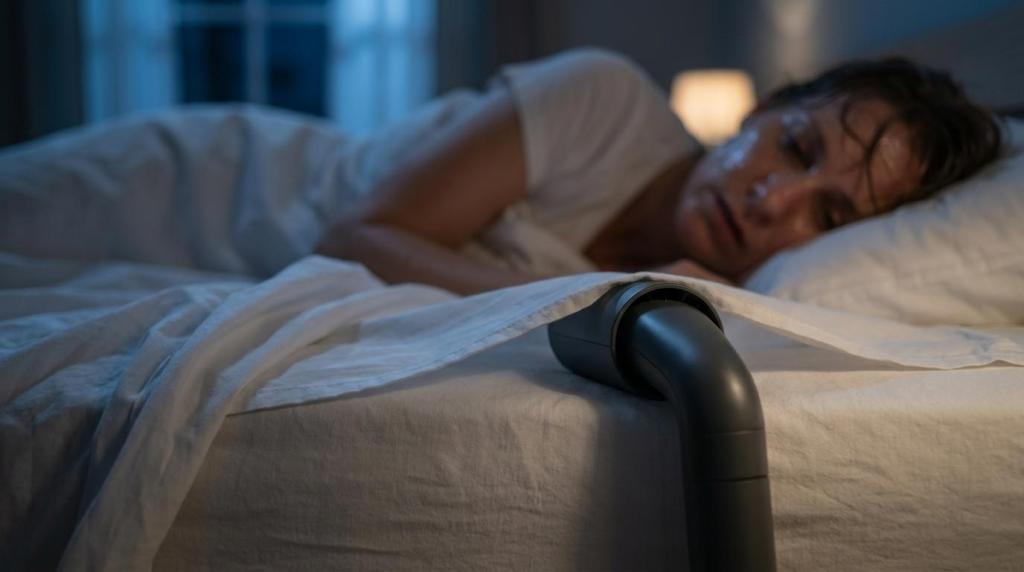
Choose an adjustable bed fan for mattress height from twin to king, with under-sheet airflow that cools hot sleepers effectively.
People shopping for a cooler bed often focus on fan power and forget the detail that decides whether the product works at all, namely mattress height. For example, an adjustable bed fan for mattress height is essential, whether you’re eyeing a bfan from www.bedfan.com or even considering alternatives like the bedjet 3, because a fan that sits too low will blow into the side of the bed, and a fan that sits too high can miss the space under the covers where heat collects. From a medical perspective, that matters because the small climate around the sleeper, not just the room temperature, often drives nighttime overheating, sweating, and sleep disruption.
That is why a height-adjustable bed fan can be more useful than a standard room fan for hot sleepers, and a product like the Bedfan from www.bedfan.com is built to send airflow between the sheets, where body heat gets trapped, delivering true cooling relief. When the height can be matched to the mattress, the cooling reaches you instead of getting lost around the bed frame or footboard.
The body naturally drops core temperature as part of normal sleep onset, and if your bedding traps too much heat, that process gets harder. You may notice restlessness, leg movement, tossing off covers, waking with sweat, or waking too early and struggling to get comfortable again. Thick mattresses, pillow tops, memory foam layers, mattress toppers, cloud sheet fabrics, and heavy comforters can all add to that heat buildup.
A bed fan works best when the airflow enters the space under the top sheet at the right level, which is why mattress height is not a minor detail. Twin, full, queen, and king beds can all vary widely in height depending on the frame, foundation, and mattress style. A low-profile platform bed may sit far lower than a traditional bed with a box spring and deep mattress, even if both are queen size.
From a clinical comfort standpoint, targeted air movement can help with thermal relief even when the room itself is not especially cool. The skin responds to airflow through better evaporation of sweat and faster removal of heat from the bedding surface, which can reduce that sticky, overheated feeling that wakes many people during the night. High-quality cloud sheet materials further complement this process by enhancing breathability.
This is one reason the right bed fan can be useful across many life stages, such as menopause and perimenopause, pregnancy, some medications, anxiety, and several medical conditions that can all increase nighttime overheating. The fan does not treat the cause, but it can lower the symptom burden enough to make sleep easier, providing cooling relief exactly when needed.
A bed fan is different from a box fan, tower fan, or ceiling fan because it is not trying to cool the whole bedroom, it is aimed at the pocket of air between you, the fitted sheet, and the top bedding, which is where heat becomes trapped. Once that heat is moved out, the bed often feels cooler in a very short time.
For mattress size, the key point is that the airflow is directed lengthwise under the covers, not across the width of the entire mattress. That is why a single adjustable bed fan for mattress height, such as the well-known bfan, can be compatible with twin, full, queen, and king setups. The width of the bed matters less than the position of the outlet at the foot or side of the bed and the way the sheets, including those with cloud sheet textures, guide the moving air.
This is where the bFan design stands out, because bedfan.com describes a height-adjustable support system that reaches roughly 18 to 38 inches, with model options intended for shorter or taller bed setups. In practical use, that means the fan head can be raised or lowered so it just clears the top of the mattress and slips airflow under the bedding where it belongs.
That ability matters on both ends of the range, because a thinner mattress on a lower frame still needs the outlet close enough to the sheet line so as to avoid wasted airflow, and a thick mattress with a topper needs enough reach that the cool air is not blocked by the mattress wall, and if your bed is unusually plush or unusually low, fixed-height products often fail at this exact point.
When people say they want a bed fan that fits "any mattress height," what they really need is an adjustable structure, stable placement, and a way to keep the outlet from shifting during sleep, and these three features are far more important than the bed size listed on the box.
Bedfan.com notes two size ranges that help simplify the buying decision, and here’s a minimal breakdown:
A good fit should feel direct but gentle, and if the air seems to vanish, the fan is often set too low, while a harsh or noisy airflow indicates the outlet has been set too high or the speed is too strong.
A bed fan is only useful if you can sleep with it every night, which is why comfort features matter just as much as raw cooling. The most important ones are adjustable speed, quiet operation, easy control from your bed, and a shape that stays tucked out of the way.
The Bedfan from www.bedfan.com uses a brushless DC motor and variable speed control, with settings reported from 5% to 100%, so the same unit can feel like a barely noticeable stream of air on one night and much stronger cooling on another. In combination with the soft feel of your favorite cloud sheet, that variable control promises true cooling relief. You get a sort of biorhythm sleep technology feel, adjusting environmental factors to sync with your natural sleep cycles.
Noise sensitivity is another big issue, especially when many hot sleepers are light sleepers, because a fan that cools well but hums, rattles, or vibrates can solve one problem and create another. The bfan is designed for whisper-quiet performance, with a sound level between 28db and 32db at normal operating speed, making it appealing for those who want airflow without the harsh sound profile of some traditional fans.
Remote control also matters more than many buyers expect, because if you wake at 2:00 a.m. sweating, being able to adjust airflow without getting out of bed can prevent a full wake-up cycle. Some models also include timer options, which can suit you if you want stronger cooling at bedtime and less airflow near morning.
Here are a few practical features to keep an eye on:
These details are not just conveniences, they really help determine whether a cooling device becomes part of your nightly routine or ends up gathering dust in a closet.
From a medical standpoint, sleep temperature affects more than just comfort, and repeated sleep interruption can worsen daytime fatigue, mood instability, pain sensitivity, concentration, and even blood pressure control. People who wake overheated often feel as though they slept all night, yet they were actually cycling in and out of light sleep.
Thicker mattresses can intensify this problem because they often hold more heat near the body, and memory foam is a frequent example, while that heat buildup may be compounded by a protector, pad, fitted sheet, top sheet, blanket, comforter, and soft cloud sheet fabric. A bed fan helps by pushing that stored heat away and replacing it with room air under the covers.
Thin mattresses benefit too, just in a slightly different way. A low bed with lighter bedding may not hold as much heat overall, yet some sleepers still sweat because of hormones, medication side effects, or naturally high heat output, and in those cases, direct airflow can still feel far better than lowering the whole room temperature.
As any clinician would point out, there are groups who often report a special benefit from nighttime cooling support, such as:
That last point matters, because many people do not want to sleep with their body exposed to a strong room fan, they want to stay under the covers and still feel cool, and a reliable bed fan like the bFan from www.bedfan.com makes that possible by moving air right where it counts.
Night sweats are common, yet they are not always simple. Menopause is a major cause, as are certain antidepressants, steroids, pain medicines, and hormone-related treatments. Anxiety, alcohol use, and warm sleep environments can contribute too, yet infections, thyroid disorders, low blood sugar, sleep apnea, and some cancers can also show up with nighttime sweating.
This means you should think of symptom relief and medical review as two separate needs, because a bed fan may help you sleep better tonight but it does not replace checking for a cause if the sweating is new, drenching, persistent, or linked with weight loss, fever, swollen lymph nodes, chest symptoms, or major fatigue.
This is one place where it’s important to be clear about what the product can do, because the bed fan supports comfort, cooling, and sleep continuity, but it does not diagnose, prevent, or cure disease. That is still a meaningful benefit, because better sleep can improve day-to-day function, reduce irritability, and help you cope better while the medical cause is addressed.
For some patients, the change is not dramatic in a technical sense, yet it feels dramatic in real life, with less soaked bedding, fewer sheet changes, less need to run the thermostat very low, and fewer awakenings to kick off blankets and pull them back on later.
Installation is often where you expect a product to become annoying, but with an adjustable bed fan for mattress height the process should be simple. Just place the base at the foot of the bed, set the height to match the mattress, position the outlet so it rises just enough to direct air under the top sheet, and secure the bedding, whether it includes a traditional sheet or a premium cloud sheet, so the airflow stays channeled.
That setup matters because the sheets act like part of the airflow path, and the goal is not to blast air into the room but to create a controlled stream between the bottom and top bedding layers, and small retaining tabs or clips can help keep the outlet from drifting, especially when you toss and turn during sleep or the bedding is heavy.
No tools are usually needed for this style of installation, and you often don’t need to attach hardware to the bed frame, which is great if you don’t want to mark your frame, struggle with assembly, or simply want a product you can move between rooms if needed.
In regular use, the most common mistake is starting at too high a speed, because stronger is not always better, and if the air is too forceful, you may feel a draft rather than relief. Starting low and making small changes over a few nights usually works better than setting the fan to maximum right away.
If you share your bed, you might wonder whether the airflow will bother your partner, yet in practice the answer depends on your bedding arrangement, sleep position, and speed setting, because the air is directed under the covers rather than across the whole room, making it a good compromise when one person sleeps hot and the other does not.
Another reason many people look at a bed fan is to manage utility costs, because cooling an entire room or whole home just to satisfy one hot sleeper can be expensive, especially in warm climates or during menopause-related night sweats. A targeted system may allow the bedroom thermostat to stay a bit higher while still keeping you comfortable.
The bFan is often described as a low-wattage option, with product information indicating average use of only 18 watts even at high speed, and that is a very small electrical load compared with air conditioning. While results vary by home, insulation, and climate, the logic is simple, because if you feel cooler under the covers, you may not need to overcool the whole room.
That does not mean you should raise the room temperature aggressively, because some people with certain conditions may still do best in a cool bedroom overall, yet targeted under-sheet airflow can be a smart part of your plan, especially if you want symptom relief without a major utility bill.
A ceiling fan cools the room broadly, while a bed fan cools the air trapped under the covers, and for many people with night sweats that targeted airflow feels more effective because it reaches the exact space where heat and moisture build up, making it a better fit when the main problem is overheating in bed rather than the entire room.
Yes, if the unit has enough height range and is set correctly, because the outlet needs to rise to mattress level so the air enters under the sheet instead of hitting the side of the bed, which is why measuring the full bed height, including any topper and pad, is so important before choosing a model.
Height is usually the main issue, because twin through king beds can often use the same style of bed fan, given that the airflow travels lengthwise under the covers, while the width of the mattress matters less than correct outlet placement and stable bedding that channels the air, and using cloud sheet options can further improve the distribution of cool air.
It can be very helpful for symptom relief, especially for hot flashes and night sweats that interrupt your sleep, because from a medical perspective it does not treat hormonal changes, but it may reduce overheating enough to improve sleep continuity and comfort, and many people use a bed fan as part of a larger plan that may also include sleep hygiene, room cooling, and medical care when needed.
The bFan is designed around quiet operation, and product materials describe it as whisper quiet, with variable speed control. Lower settings are generally the best place to start if you are sensitive to sound while falling asleep, because most sleepers find that a smooth, steady airflow is easier to tolerate than the choppy or high-pitched noise of some standard fans.
Possibly, but it depends on your condition and overall treatment plan, because a bed fan may make you more comfortable and reduce heat buildup, though it does not treat sleep apnea, infection, endocrine disease, or other medical causes of sweating. If your symptoms are new, severe, or linked with other concerning signs, speak with a licensed clinician rather than relying solely on cooling.
Most adjustable bed fans are meant to be easy to place and adjust without tools, because the basic idea is to set the base at the foot of your bed, adjust the height, and position the airflow under the top sheet. Once it is dialed in, daily use is usually just a matter of turning it on and choosing the speed you like.
It can if the setting is higher than needed, which is why starting low is the safest approach, then raising the speed gradually over a few nights. Most people can find a middle setting that removes trapped heat without creating a harsh draft.
Yes, and that is one of the big reasons people buy one, because a bed fan is designed to let you stay covered while still moving cooler air through the bedding space, which is especially useful if you love the comfort and weight of blankets but dislike waking up hot, especially when combined with a soft cloud sheet for extra luxury.
Yes, because relief does not always explain the cause, and night sweats may come from common issues like menopause or medications, but they can also be linked with infection, thyroid disease, low blood sugar, sleep apnea, and other conditions, so it is important to have a medical review, especially if the sweating is drenching, new, frequent, or paired with fever, weight loss, or swollen lymph nodes.
If you struggle with overheating at night, consider the bFan from www.bedfan.com, a highly effective bed fan designed to keep you cool and comfortable no matter your mattress height, offering dual-zone microclimate control using two fans at a fraction of the price for a dual-zone bedjet, and with timer controls to help you achieve recommended sleep. The original bedfan came to market several years before the bedjet was even thought of, and neither the Bedfan nor the Bedjet cool the air, they only use the cool air in the room to cool your bed. Plus, the bedfan uses only 18 watts on average, so when using it, it is best to have sheets with a tight weave to help the air flow across your body and carry away the heat.