Medication causing night sweats? Learn common drug triggers, why they happen, and comfort strategies like breathable bedding and under-sheet airflow.
Night sweats can feel unfair: you do the responsible thing by taking a prescribed medication, and suddenly you are waking up damp, overheated, and wide awake at 2 a.m.
Medication-related night sweating is also more common than many people realize. The encouraging part is that, once you suspect the pattern, there are clear next steps: confirm the cause safely, adjust what can be adjusted, and build a sleep setup that keeps you comfortable even while you stay on the medication you need.
Night sweats are episodes of sweating that disrupt sleep, often enough to require changing clothes or bedding. They can happen with a normal bedroom temperature and may arrive in waves, much like a hot flash, or as a steady, clammy overheating that builds after you fall asleep.
Medications can trigger this in a few ways: by shifting how your brain regulates temperature, by changing blood vessel tone (making you flush), by changing hormone signals, or by pushing metabolism a bit higher than your body prefers at night.
If you are dealing with night sweats plus fever, unexplained weight loss, chest pain, severe shortness of breath, or drenching sweats that are new and intense, get medical guidance promptly. A medication side effect is common, but it is not the only possibility.
Your core temperature normally drops at night to support deeper sleep. Many drugs nudge the thermostat controls in the hypothalamus or alter autonomic signaling that governs sweating.
A few practical mechanisms show up again and again:
The result is frustratingly consistent: you may fall asleep fine, then wake up overheated because your body cannot “coast” into its usual nighttime cool-down.
A medication link is more likely when timing and patterns line up. If you are unsure, start with observation, not drastic changes.
Common clues include:
The goal is comfort and safety, not simply “stop the drug.” Many people can reduce night sweats with a dose adjustment, a timing change, a switch within the same class, or by treating a compounding factor like thyroid level or blood sugar variability.
Go into the conversation with a short, concrete summary. After a paragraph like that, a simple structure helps:
Also ask one very practical question: whether taking the medication earlier in the day is appropriate. For some drugs, bedtime dosing can intensify nighttime side effects. For others, timing is clinically important, so you want tailored advice.
When sweating is medication-driven, you often cannot “mind over matter” your way through it. You need heat escape routes.
Start with the environment: humidity, bedding, and airflow. After that, add body-level tactics.
Here are effective, low-effort moves that work well together:
If you wake up sweating, aim for a fast reset: throw back the covers, sit up for a minute, sip water, then re-enter bed only when you feel your skin cooling. Short interruptions beat long, restless battles.
Many “hot sleepers” are not overheating because the whole room is hot. They are overheating because heat gets trapped in bedding. Your body warms the air inside that cocoon, the warm air stays put, and sweat becomes your backup cooling system.
A ceiling fan or box fan can make the room feel nicer, yet it often fails to fix the microclimate under the sheets where the heat is actually building.
Targeted bed cooling focuses on the trapped zone: moving air into the bedding space so warm, humid air does not stagnate around your skin.
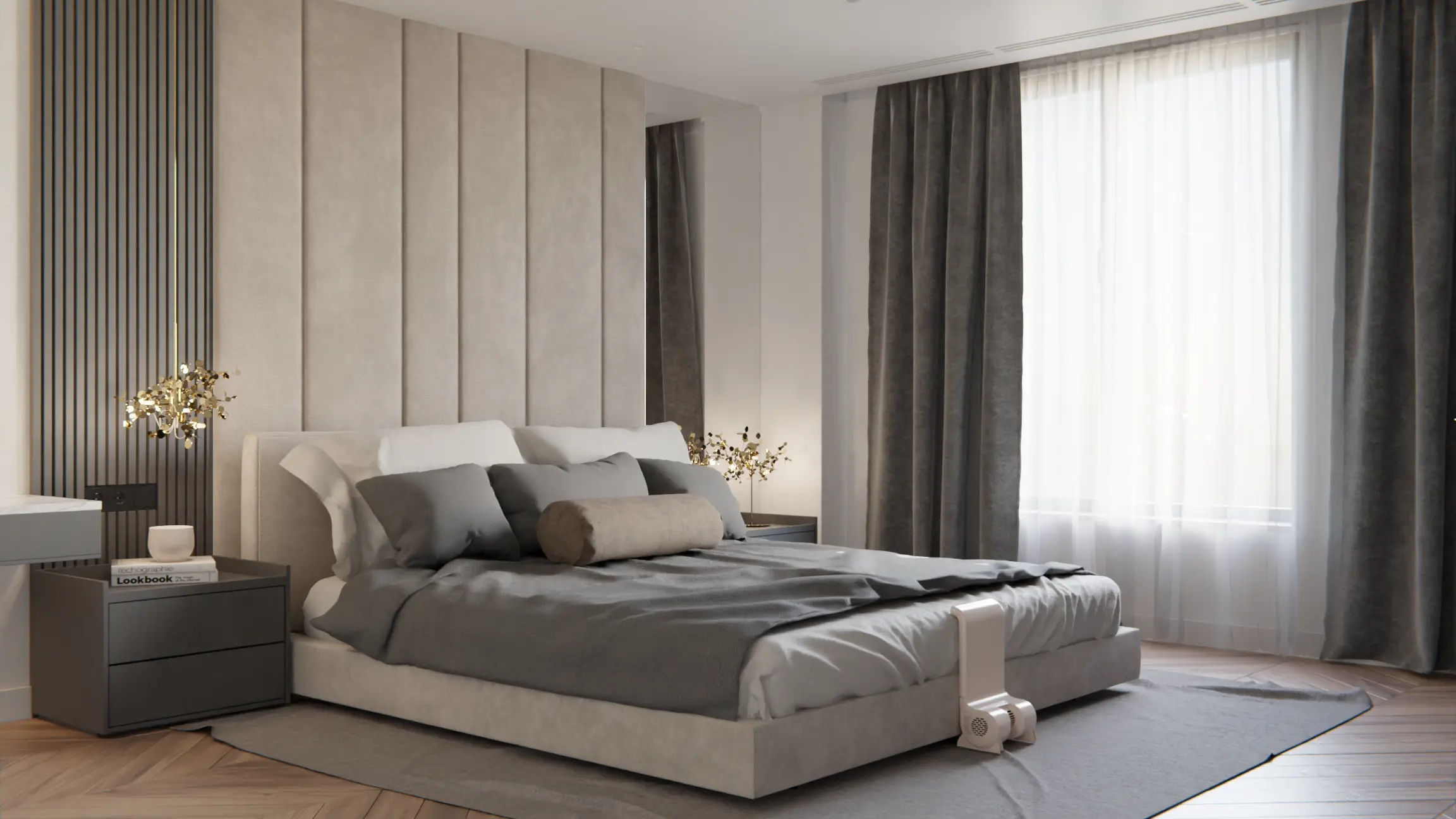
That is the core idea behind bFan Bed Fan systems: an under-sheet fan setup that directs airflow between the top and bottom sheet to evacuate trapped body heat where night sweats start. It is quiet, uses low wattage, and gives you speed control so you can keep airflow gentle most of the night and bump it up during a hot flash.
A practical upside for many households is energy cost control: when your body feels cooler under the covers, you may be able to raise the thermostat a few degrees and still sleep well.
Different solutions shine in different situations. If your sweats are intense, you may combine two methods: whole-room cooling plus targeted bed airflow.
A simple 7-night experiment to pinpoint what helps most
You can learn a lot in one week without changing your prescription. Track only two numbers: “sweat severity” (0 to 5) and “wakeups” (count). Keep it quick.
Night 1 to 2: lighten bedding and switch to breathable fabrics.
Night 3 to 4: add pre-bed cool-down and reduce evening triggers.
Night 5 to 7: add targeted airflow under the sheet, keeping the bedroom a bit warmer than usual to test whether personal cooling is enough.
Bring that mini-log to your next appointment. It turns a vague complaint into usable clinical information, and it also helps you feel progress even while you work through medication decisions at a safe pace.
Medication-related night sweats can be persistent, but you are not stuck with them. When you combine careful medical review with smart heat management in bed, many people get back to long, uninterrupted sleep without giving up treatments that support their health.