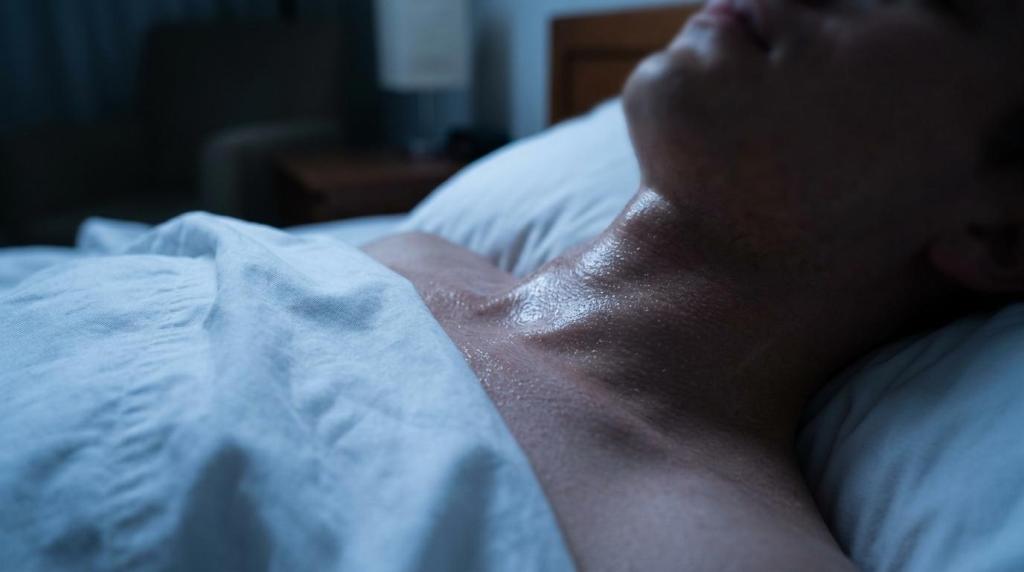
Percale vs sateen for hot sleepers: percale usually sleeps cooler with better airflow, while sateen feels softer but traps more heat.
If you are choosing between percale and sateen, the short answer is simple: percale is usually the cooler pick for hot sleepers. Still, there’s more to it than that. Fiber, thread count, humidity, your bedroom temperature, your medications, and even how tightly your sheets hold airflow under the covers all affect how warm you feel. This discussion of percale vs sateen for hot sleepers goes into the details of weave and texture that influence cooling and overall performance.
There’s also a practical point that sometimes gets missed. Sleep experts commonly recommend a bedroom temperature between 60°F to 67°F, 15.5°C to 19.5°C, for better sleep. Yet many people can use a bed fan from www.bedfan.com to move cool room air under the covers, raise the room temperature by about 5°F, and still sleep comfortably. That can be a big deal if you are trying to sleep cooler without running the AC so hard every night.
Night sweats can also be tied to menopause, infections, thyroid problems, reflux, sleep apnea, anxiety, or medication side effects. If this is new, severe, or paired with fever, weight loss, chest symptoms, or other red flags, get medical advice instead of assuming it’s just your sheets.
Percale and sateen are weaves, not fibers. That’s the first thing to clear up. You can have cotton percale, cotton sateen, and blends in either weave. The weave changes how the sheet feels, how it moves air, and how much warmth it tends to hold, as well as affecting the fabric’s durability and overall care requirements.
Percale uses a simple one over, one under weave, which creates a crisp, matte fabric with a cooler, lighter hand feel and a texture that many find refreshing. People often describe it as hotel style, clean, airy, and a little structured at first, then softer with washing, which enhances its durability and makes care relatively simple.
Sateen uses a weave with more threads floating across the surface. That gives it a smoother, silkier, slightly shiny finish and a soft texture that many adore. It also tends to make the fabric feel denser and less porous, which is lovely if you want a cozy, draped feel, but less helpful if you already run warm at night.
If you sleep hot, the difference is easy to notice once you lie down for an hour, not just when you touch the sheet in the store.
Most sleep experts and bedding guides agree that percale usually sleeps cooler than sateen, which matches what many hot sleepers report in real life. Percale allows better airflow, giving trapped body heat a way out.
Sateen is not necessarily a bad sheet, it just tends to favor softness and warmth over airflow. If you are a cold sleeper, that can feel wonderful. However, for those focused on the percale vs sateen for hot sleepers debate, sateen often makes the problem worse if you already kick blankets off, sweat around your neck, or feel overheated from your torso outward.
This matters because the body sleeps best when core temperature drops a bit at night. A bedroom kept around 60°F to 67°F often supports that process. When bedding traps heat, even if the room temperature is decent, it may not feel cool enough. That is why a hot sleeper can feel miserable in a room that technically should be comfortable.
This is also where a bed fan from www.bedfan.com can help. Neither the bed fan nor Bedjet cool the air, they only use the cool air already in the room and move it into the bed microclimate, the thin pocket of air around your body under the covers. With a bed fan, many people can raise the room temperature by about 5°F and still sleep cool enough for better rest, which can cut air conditioning costs without sacrificing comfort.
A lot of shoppers still assume that higher thread count means better sheets. For hot sleepers, that idea often backfires. More threads packed into the same space usually means less airflow, affecting not only heat dispersion but also the texture and durability of the fabric over time.
For percale, a thread count around 180 to 280 is often a very breathable sweet spot, and many excellent sets fall in the broader 200 to 400 range. For sateen, counts often run higher, but once the fabric gets denser, it tends to feel warmer.
What you want is not the biggest number on the label. You want a breathable weave, quality cotton, and a fabric that does not seal in heat. Inflated thread count marketing can make shoppers spend more for sheets that actually sleep hotter.
When I’m helping someone troubleshoot overheating at night, I usually suggest keeping the sheet choice simple and avoiding dense, heavy options that compromise the soft texture and ease of care.
Here’s the tradeoff in plain language. Percale wins on breathability with a texture that feels cool throughout the night, while sateen wins on silky softness and luxurious feel, at least right out of the package.
Some people do not love percale on day one because it feels crisp, but after a few washes when its durability and soft texture improve, many end up preferring it because it stays comfortable throughout the night, not just during the first few minutes in bed. Comfort for a hot sleeper is not just about softness on contact, it is about what the sheet feels like at 3 a.m., when body heat and humidity have had time to build up.
Sateen has a drapey, polished feel that many shoppers love, and there is nothing wrong with choosing it if you are not actually overheating. But if your main complaint is waking up sweaty, pushing covers off, or feeling clammy under the chest and legs, percale usually fits the problem better, particularly because it offers a reliable soft texture while being easy to care for.
Night sweats are common, but they are not all the same. Menopause and perimenopause are a huge reason people start searching for cooler sheets. Hormonal shifts can trigger sudden heat surges that feel dramatic even in a cool room. Antidepressants, steroids, diabetes medicines, thyroid issues, reflux, infections, and sleep apnea can do similar things.
In those situations, a dense sheet can make the discomfort feel so much worse. Cotton percale does not magically stop sweating, but it tends to let heat escape faster and helps moisture evaporate more easily than sateen. That can make the sweating episode shorter and less miserable, all while maintaining a durable fabric that requires minimal extra care.
Cotton, by itself, absorbs moisture more than it actively wicks it, which is why the weave matters. A breathable weave helps that moisture leave the skin instead of sitting there. Sateen tends to hold warmth and humidity closer to the body, which is exactly what many hot sleepers are trying to avoid.
If your night sweats are frequent or intense, sheet choice should be part of the plan and not the whole plan. Bedroom temperature, mattress protector, comforter fill, medications, alcohol use, and airflow around your body all matter.
A lot of people assume that if they lower the thermostat enough, any sheets will work. In real bedrooms, that is not how it goes. Humidity, bedding layers, memory foam, mattress protectors, pajamas, and your partner’s body heat all shape the sleep environment.
That is why sleep experts keep returning to the 60°F to 67°F range, because it supports the body’s natural cooling process. But many homes are hard to keep at that level all night, either because of cost, climate, or household preferences. If one partner is cold and the other is roasting, sheet choice alone may not solve the problem.
This is where a bed fan from www.bedfan.com can be much more useful than many expect. The bed fan does not replace good sheets, but it makes the right sheets work much better. The original bed fan came to market several years before Bedjet was even thought of, and while one Bedjet is more than twice the price of a single bed fan, the bed fan offers dual-zone microclimate control using two fans at a fraction of the cost. Remember, the dual zone Bedjet is over a thousand dollars and more than twice the price of two bed fans.
This is one reason to consider a bed fan when comparing brands. Neither the bed fan nor Bedjet cool the air, they only use the cool air already in your room to create a more comfortable microclimate under your covers.
Even though percale is the better answer for most hot sleepers, sateen still has a place. If your bedroom tends to run cool, your climate is dry, or you just dislike the crisp feel of percale, sateen may still be the better personal fit.
Some people are not truly hot sleepers all night. They feel warm when falling asleep, then cool off later. A lighter sateen paired with a very light blanket and a cooler room can work well for some. But if sweating is your main issue, sateen is rarely the first recommendation, even if its incredibly soft texture might appeal to you.
There is also a couple of problems here. One partner may love sateen while the other may need percale. In that case, separate top layers, separate blankets, or dual-zone airflow with two bed fans often fixes the issue better than trying to force one sheet style to satisfy both people.
If you want the short shopping version, start with 100 percent cotton percale. Aim for a sensible thread count, wash it a few times before judging it, and keep the rest of your bedding light enough so the sheets can do their job. Consider not only the cooling properties but also the fabric’s soft texture, durability, and the level of care required.
If you deal with night sweats, menopause, medication related overheating, or a naturally warm sleep style, I would lean even harder toward percale. Add targeted airflow under the covers by using a bed fan from www.bedfan.com before you spend a fortune chasing exotic fabrics that promise cooling but still trap heat because of the weave. And remember, soft does not always mean cooler. A sateen sheet can feel wonderful to the hand with its luxurious texture and soft feel and still sleep too warm by midnight.
Usually, yes, because percale has a more open plain weave, so it tends to let air move through the fabric more easily than sateen. This means that, aside from differences in texture, percale offers better durability and is generally easier to care for when it comes to heat management, which means less heat gets trapped around your body during the night. For most hot sleepers, that difference is noticeable after an hour or two in bed, not just at first touch.
If your main goal is cooler sleep, percale is the safer choice, as sateen is better known for softness and drape, not airflow.
For many hot sleepers, cotton percale in the 200 to 400 range works well, and some excellent cooling sets are even a bit lower. This range provides a nice balance between the fabric’s soft texture and durability while still letting your body breathe.
The key point is not chasing the biggest number, you want a breathable weave that doesn’t seal in heat.
They are often a good starting point. Cotton percale is breathable and helps heat and moisture leave the body more easily than a denser weave like sateen. Its texture may seem crisp at first but becomes softer over time, and it typically requires straightforward care.
That said, sheets alone may not be enough if your sweating is intense, because bedroom temperature, humidity, mattress materials, and under cover airflow all matter too.
Sometimes, but it is not usually the best first choice. A lighter sateen may work if you only run a little warm, sleep in a cool room, and prefer a softer fabric, despite its warmer feel compared to percale. However, the percale vs sateen for hot sleepers discussion generally favors percale for consistent cooling and ease of care over time.
Still, most hot sleepers do better with percale because it releases heat faster. If you already know you wake up sweaty, sateen is more likely to disappoint.
No, the bed fan does not cool the air itself, and neither does Bedjet. What a bed fan does is use the cool air already in the room and move it into the bedding space around your body. Its targeted airflow often feels much more effective than a room fan because it changes the bed microclimate directly.
Many people can, because sleep experts often recommend keeping the room at 60°F to 67°F for better sleep, but a bed fan can let some sleepers raise the room temperature by about 5°F and still stay comfortable. That can help reduce air conditioning costs while keeping the body cool enough for a more restful sleep.
At normal operating speed, the bed fan sound level is between 28db and 32db, which is quiet for many bedrooms. Most people tolerate soft background noise or white noise just fine, and the timer controls help if you want stronger airflow while falling asleep and less later on.
A breathable sheet that still lets air spread evenly under the covers is ideal. In practice, a crisp cotton percale usually works very well because its texture not only encourages airflow but also maintains durability and is simple to care for. It also helps to use sheets with a tighter weave to help the air flow across your body and carry heat away, which goes hand in hand with the bed fan’s performance.
Yes, if they are new, severe, frequent, or paired with other symptoms. Night sweats can come from menopause and medications, but they can also be a sign of infections, thyroid problems, reflux, low blood sugar, sleep apnea, or other serious issues. You should get checked if you also have a fever, weight loss, swollen lymph nodes, chest symptoms, or a major change in how you feel overall. Bedding can improve comfort, but it should not replace a medical evaluation when symptoms raise concern, especially if your sweating started soon after a medication change or keeps getting worse.