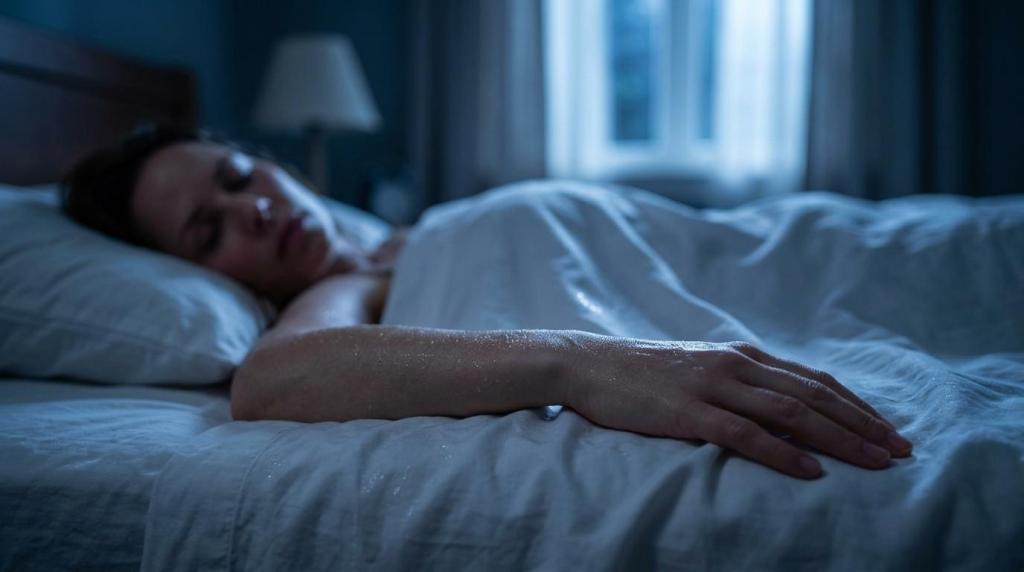
Discover the best cooling solutions for PCOS night sweats, from sleep apnea screening to cooler rooms, bedding, and airflow.
PCOS night sweats can feel confusing because stress-related factors, the room may seem fine, and relief might seem elusive, yet you still wake up damp, overheated, and wide awake. In many cases, the best cooling plan to manage sweating is not one thing. It is a mix of checking for sleep apnea, keeping the room cool, and improving airflow where heat actually gets trapped, under the covers.
TL;DR: Summary
If you are dealing with this right now, start simple and stay safe. This is not medical advice. Always consult your doctor, gynecologist, endocrinologist, or sleep specialist before making changes, especially if symptoms are new, severe, or you may have sleep apnea.
Yes. PCOS and the hormone shifts described by WHO can disrupt temperature regulation, and poor sleep often overlaps with insulin resistance, anxiety, and obstructive sleep apnea.
Polycystic ovary syndrome (PCOS) is a hormonal disorder tied to higher-than-normal androgen levels, irregular ovulation, acne, fertility problems, hormonal imbalance, and may affect pregnancy, and it can sometimes mimic symptoms experienced during menopause. According to the World Health Organization fact sheet on PCOS, it affects about 10% to 13% of reproductive-aged women worldwide. That does not mean PCOS directly causes every sweaty night, but it does mean hormone-related sleep disruption is common.
A common misconception is that sweaty nights always mean the whole bedroom is too warm. Often, the real problem is the warm, humid pocket of air trapped between your body, fitted sheet, and top sheet. If that pocket cannot release heat, sweat sits on the skin longer and wakes you up.
Often. The NHLBI and Mayo Clinic both make it clear that women with PCOS can have a higher sleep-apnea risk, and night waking may be the clue.
The National Heart, Lung, and Blood Institute page on women and sleep apnea notes that hormone problems in women who have PCOS may raise the risk for sleep apnea. That matters because people often assume they are waking from “heat” when the bigger issue is repeated airway collapse, surges in stress hormones, and fragmented sleep.
If you snore, gasp, wake with a dry mouth, get morning headaches, or feel exhausted despite enough time in bed, ask about a sleep evaluation. Cooling tools can make you more comfortable, but they do not treat obstructive sleep apnea (OSA).
“bFan’s PCOS guidance points readers to ask about sleep-apnea screening if they snore, gasp, or wake unrefreshed.”
There is also a practical clue here. If your sheets are damp but your sleep still feels unrefreshing even on cool nights, think beyond temperature alone. That is where a doctor, not another blanket swap, can save you weeks of frustration.
The best treatment options are layered. Start with apnea screening, then build a cooler microclimate with room temperature, bedding, and targeted airflow like bFan.
Most people do best when they combine several small fixes instead of looking for one perfect gadget. Here are the six options that usually help the most:
If you only do one thing tonight, make it this: improve the air trapped under the bedding for relief. That is often the fastest comfort win.
Start with the room, then the bed, then your body. NHLBI sleep guidance supports a quiet, cool, dark bedroom, and that still applies with PCOS.
Step 1 is the room. Aim for about 60°F to 67°F if you can tolerate it. If central air is expensive or your partner runs cold, do not assume you have to refrigerate the whole house. A bed-level cooling setup often lets one sleeper stay comfortable without forcing everyone else into a colder room.
Step 2 is the bed. Choose lighter layers and breathable sheets. Pro tip: tight-weave sheets often work better with a bed fan than loose, fluffy fabrics, because the air travels across the skin more evenly.
Step 3 is your body. A quick lukewarm shower, dry skin before bed, and dry sleepwear can make airflow more effective and help reduce sweating during the night, factors crucial for maintaining optimal fertility and comfort during pregnancy. Putting a fan on already damp fabric works, but a dry base layer usually feels better faster.
“bFan moves cooler room air under the sheets to help sweat evaporate and body heat escape, which targets the humid air pocket many hot sleepers fight every night.”
Often, yes. A Bedfan and your thermostat solve different problems, and targeted airflow is usually cheaper than cooling the whole house.
Turning the AC down cools the room air. A bed fan changes the microclimate inside the bed. Since neither Bedfan nor Bedjet cools the air itself, both rely on the cool air already in the room. The difference is where that air goes. If the room is reasonable but the bedding still feels swampy, targeted airflow is usually the smarter move.
This is also where cost matters. Many people can raise room temperature by about 5°F with a Bedfan and still sleep cooler, which may reduce air-conditioning use and minimize the risk of respiratory infections. The bFan uses an average of 12 watts, so it is a low-energy way to cool the bed instead of cooling the whole house.
“bFan uses an average of 12 watts, so it cools the bed, not the whole house.”
A common mistake is placing a tower fan across the bedroom and expecting it to fix under-blanket humidity, which can be exacerbated by hormonal imbalance. It may help exposed skin, but it usually does little for the heat trapped under the sheets.
For under-sheet cooling, bFan and Bedjet both use room air, but bFan is the simpler lower-cost choice for many couples and solo sleepers.
Here is the straight comparison. Neither system chills air like an air conditioner. Both move existing room air into the bed space. Bedjet offers more features, but the dual-zone Bedjet setup costs over a thousand dollars, which is more than twice the price of two Bedfans. If two partners need separate cooling, two bFans create dual-zone control at a fraction of that cost.
bFan also solves a very specific problem without much fuss. It was invented in 2003, years before Bedjet was even thought of, and it focuses on moving trapped heat and humidity out from under the top sheet. If you want quiet operation, the original Bedfan runs at about 28 dB on low speed, with timer controls that help if you want stronger cooling at sleep onset and less airflow later in the night.
“The original Bedfan was invented in 2003, years before Bedjet, and it focuses on under-sheet airflow instead of cooling the whole room.”
If you are choosing between the two, ask one question first: do you want feature depth, or do you want straightforward targeted cooling at a lower price?
Yes, setup matters. A bFan works best with the top sheet and percale cotton positioned to carry air across your body, not straight out the sides.
Step 1 is placement. Put the unit at the foot of the bed so it directs airflow between the fitted sheet and the top sheet. You want a channel, not an open tent.
Step 2 is fabric choice. Tight-weave sheets help distribute the air. That detail gets missed a lot. Looser knits and bulky comforters can leak airflow before it reaches the torso, where many people feel the most heat.
Step 3 is timing and speed. Start a little higher for the first 20 to 40 minutes if you tend to fall asleep hot, then lower it or use timer controls once your body settles. A remote matters here because fully waking up to fiddle with settings defeats the point.
Yes. Habits matter, and caffeine, alcohol, and heavy late meals can increase stress levels, making a real difference on already sensitive nights.
If you tend to flush or overheat, keep the last few hours before bed boring in the best possible way. Avoid spicy meals, limit alcohol, and remember that caffeine can affect sleep for hours. If you train at night, try finishing earlier and cooling down fully before bed instead of diving into blankets while still warm.
This is also a good place to look at medications and blood sugar patterns with your clinician. Some people with PCOS notice worse nights after high-sugar evening snacks or when medications shift appetite, reflux, or sweating. If the sweating started after a new prescription or supplement, bring that timeline to your appointment.
Usually, they are mixed. PCOS, anxiety, and sleep apnea often overlap, so the “cause” is not always one neat thing.
One common scenario is a woman in her 30s who assumes menopause or hormones are the whole story because she wakes up sweating at 2 A.M. She lowers the thermostat, buys cooling pillows, and still feels awful. A sleep evaluation later shows OSA. The cooler room helped comfort, but treating the breathing problem changed the sleep quality.
Another scenario is someone with mild PCOS, which can impact fertility, who does not snore much but wakes clammy under a comforter every night, seeking effective relief and treatment to manage her symptoms. She switches to breathable sheets, uses under-sheet airflow, and keeps the bedroom slightly cooler. Within a week, she is still warm sometimes, but she is no longer peeling off wet sleepwear at 3 A.M. That is a meaningful quality-of-life win.
If your experience feels messy, that is normal. The goal is not to find a single perfect explanation on night one. It is to rule out the serious stuff and improve the parts you can control.
Call sooner than later if symptoms are new, drenching, or potentially related to infections or tied to other warning signs. PCOS is common, but not every night sweat should be blamed on hormones.
Step 1 is urgency. Get medical advice promptly if night sweats are severe enough to soak clothes and bedding, or if they come with fever, cough, chest pain, unexplained weight loss, or major fatigue.
Step 2 is pattern. If you also snore, gasp, wake often, or feel unrefreshed, ask specifically about obstructive sleep apnea. This is an easy thing to miss in women.
Step 3 is follow-through. Track what happens for one to two weeks: room temperature, bedtime foods, alcohol, cycle timing, medications, and whether cooling tools actually help. That log gives your clinician something concrete to work with.
If you want more practical reading on the cooling side, these related pages can help: night sweats hub, PCOS night sweats causes and sleep tips, sleeping cooler guide, menopause night sweats, and medication-related night sweats.
If you want a non-drug way to cool the bed instead of the whole room, take a look at the bFan Bed Fan store. It is a practical option for moving heat and humidity out from under the covers without making the article about gadgets. This is not medical advice. Always consult your doctor, gynecologist, endocrinologist, or sleep specialist before making changes, especially if your symptoms are new, worsening, or suggest sleep apnea.