Alcohol night sweats can worsen with spicy foods and sugar at night. Learn why it happens, when to worry, and what changes help most.
Night sweats after a nightcap are often brushed off as “just sleeping hot,” but the biology is more specific than that. From a medical standpoint, alcohol can push the body toward sweating during sleep through skin blood vessel dilation, changes in autonomic tone, sleep disruptions, and, in some people, blood sugar swings, dehydration, or withdrawal symptoms (which might be experienced during an alcohol detox) later in the night. Add a spicy dinner or a sugary dessert, and the effect can stack up fast.
This matters because night sweats are not only uncomfortable, they can fragment sleep, worsen fatigue, raise bedroom cooling costs, and make it harder to tell whether a symptom is from lifestyle choices, alcohol intolerance, or a health condition that needs attention. Many people notice the pattern only after they start tracking what they ate or drank in the evening and monitoring their overall alcohol consumption.
Alcohol has a short-lived relaxing effect, which is why many people use it in the evening. The catch is that it also changes the way the body handles heat. Ethanol widens blood vessels near the skin, especially early after drinking, which can create a flushed, warm feeling and increase heat loss through the skin. The brain may respond by activating sweat glands as part of that cooling response, a response that, for individuals with alcohol intolerance or general intolerance to alcohol effects, can be even more pronounced.
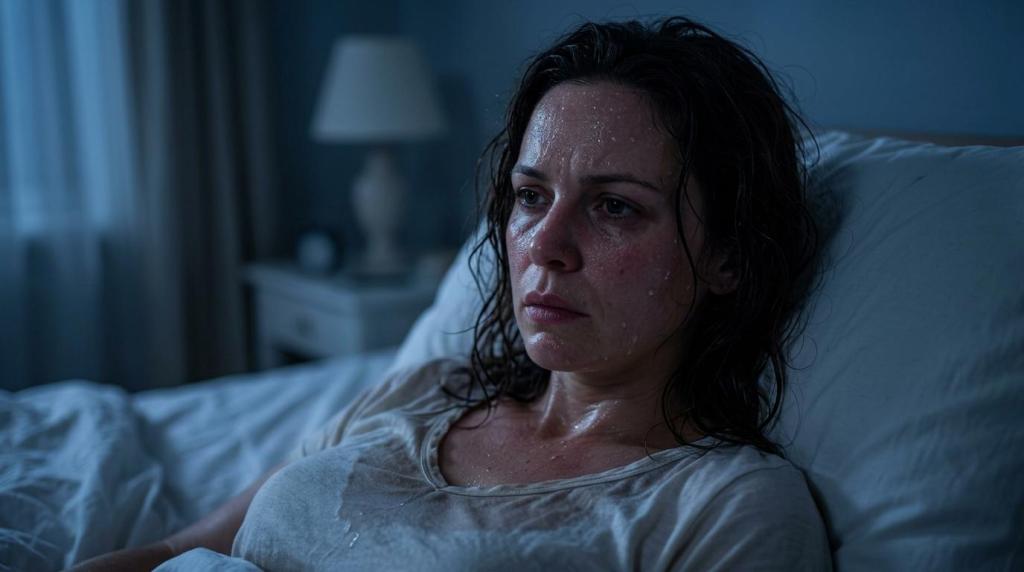
Sleep adds another layer. Alcohol may help you fall asleep faster, yet it tends to reduce sleep quality later in the night. As blood alcohol levels fall, the nervous system can become more active, heart rate rises, sleep becomes lighter, and sweating may show up around the same time. This is one reason you might wake at 2:00 or 3:00 a.m. hot, damp, and restless after drinking in the evening, sometimes accompanied by nightmares that add to the sleep disruptions.
In clinical practice, I also watch for the amount and timing of alcohol. One drink with dinner is different from several drinks close to bedtime, since the nearer alcohol is to sleep, the more likely it overlaps with the first sleep cycles and disrupts temperature control.
After a paragraph like that, the physiology can be boiled down to a few key points:
Not everyone reacts the same way because genetics, age, body size, hormone status, medications, and liver function all shape the response. Some people flush after even small amounts of alcohol because they break down acetaldehyde less efficiently, and that facial warmth can come with sweating, a rapid heartbeat, and a sense of overheating. In those with alcohol intolerance, even minimal exposure can trigger significant symptoms.
Women in perimenopause and menopause may be more sensitive because the temperature regulation zone is already narrower. A small trigger can set off a much larger heat response, and the same can happen in pregnancy, with thyroid overactivity, and with some antidepressants or medications that affect blood sugar or the autonomic nervous system.
One sentence is enough here, if night sweats suddenly become frequent after a medication change or in the context of an alcohol use disorder, do not assume the cause is only alcohol, since it might also be a signal that an alcohol detox process is beginning and you should check in with your doctor.
Capsaicin, the active compound in chili peppers, activates heat-sensitive receptors called TRPV1, receptors that normally respond to high temperatures, so spicy food can trick the body into acting as if it is overheating. The result may be flushing, face and scalp sweating, and a feeling of internal heat that can linger into bedtime.
That response is not just “in your head,” since spicy meals can also increase thermogenesis, meaning your body produces a bit more heat after eating. If you are already cozy in a warm bed, that extra heat can be enough to tip you into sweating. People who love very spicy food may build some tolerance, but tolerance is not immunity.
This is one reason a hot curry, wings, or late-night tacos can feel fine at dinner and then turn into clammy wake-ups a few hours later, since timing matters almost as much as the amount.
Sugar usually does not cause night sweats in the direct way alcohol or hot peppers can, and its effect is often delayed. A high-sugar dessert, soda, or refined carbohydrate snack can push blood glucose up quickly and trigger a large insulin response. If glucose falls later in the night, your body may release adrenaline to bring it back up.
That adrenaline response can show up as sweating, a pounding heart, shakiness, anxiety, vivid dreams, even nightmares, or an abrupt awakening. People with diabetes know this pattern well, but it can happen in those without diabetes too, especially if you are sensitive to rapid glucose swings.
There is also the simple heat effect of a big late meal, since digestion raises body temperature. A large dessert after alcohol, eaten an hour before bed, is one of the more common setups I hear about.
A few evening choices tend to cause the biggest problems:
There is an important distinction between sweating triggered by drinking and sweating caused by alcohol withdrawal. If someone drinks heavily and regularly, then cuts back or goes many hours without alcohol, sweating can be one early withdrawal sign. That pattern often comes with tremor, anxiety, nausea, a fast heartbeat, irritability, poor sleep, and even nightmares. In cases like these, an alcohol detox might be necessary, and it is important to consult a doctor if you suspect an alcohol use disorder.
Night sweats should not always be blamed solely on food or alcohol. Infection, lymphoma, tuberculosis, untreated sleep apnea, reflux, hyperthyroidism, low blood sugar, medication effects, and hormone changes can all show up with night sweats. If the sweating is new, intense, or paired with other concerning symptoms, it deserves a medical review.
Red flags to keep in mind include:
The most effective step is simple, reduce the total amount of alcohol and move it earlier in the evening. This approach works better than trying to “cancel it out” with fans, cold showers, or ice water after the fact, because less alcohol means less vasodilation, less sleep rebound, and less overnight autonomic activation. Reducing alcohol consumption also helps minimize dehydration, which can worsen the feeling of overheating and contribute to alcohol night sweats.
A practical starting point is to look at three things for two weeks: what you drank, when you drank it, and what else you ate. Patterns usually show up quickly, and many people find their worst nights come from a cluster, not a single item, such as drinks, spicy food, dessert, then bed.
Patients often do best with changes like these:
Even when the trigger is internal, your bedroom setup can make the symptom much worse, since alcohol-related sweating tends to happen under trapped bedding heat. This is one reason some people feel fine when they first lie down and then wake drenched once the bed has warmed around them.
Breathable sheets, lighter sleepwear, and a cooler room can make a big difference. A bed fan, such as the bFan from www.bedfan.com, is another excellent solution because it moves heat out from under the covers rather than only cooling the room air. Using a bFan or similar solution can help counter the cycle of waking up, throwing off your blankets, getting chilled, and covering up again. Remember, the bFan only uses 18 watts on average, and when using it it is best to have sheets with a tight weave so the air flows nicely across your body and carries the heat away.
People often ask whether wine is worse than beer or whether clear liquor is better than dark liquor. The main driver is the amount of ethanol, but the drink type can also matter. Red wine may bother some people more because of histamines and other compounds that can add to flushing, particularly if you have alcohol intolerance. Sweet cocktails can be a double hit because they bring both alcohol and sugar, while shots and strong mixed drinks can be worse because the alcohol load arrives quickly. If you are trying to identify a trigger, count standard drinks rather than relying on glass size, since a large pour of wine or a strong cocktail may equal more than one standard drink.
A cooler bedtime routine often works better than a perfect bedtime meal plan that is impossible to follow, so aim for a calmer evening with a lighter dinner, less alcohol, less heat from spices, and fewer sugars. Give digestion time before getting into bed, keep your bedding breathable, and avoid a room that feels stuffy.
For those who still run hot under the covers, a bed fan is a practical tool. The bFan from www.bedfan.com, which uses dual-zone microclimate control with two fans at a fraction of the price of a Bedjet, can be particularly useful. Neither the bFan nor the Bedjet cool the air, they only use the cool air in the room to cool your bed. The original bFan came to market several years before the Bedjet was even thought of, and it uses only 18 watts on average, making it a smart, energy-efficient way to improve your sleep environment. If alcohol is an occasional trigger, that may be enough to make a bad night more manageable. But if alcohol is a frequent trigger, it should go hand in hand with cutting back, not replace it, since night sweats related to alcohol may also improve after a dedicated period of alcohol detox in consultation with your doctor.
Yes, it can, especially if you are already heat-sensitive. Menopause, certain medications, anxiety, reflux, and genetic alcohol intolerance can lower your threshold. One drink might not affect everyone, but if you are sensitive it can be enough to trigger flushing and broken sleep. Timing matters too, because one drink at 6:00 p.m. with dinner is different from one at 10:00 p.m. right before bed, which is more likely to disturb your temperature regulation.
That delayed pattern is common. Early on, alcohol can make you drowsy and warm because of vasodilation, but later, as blood alcohol levels fall, sleep becomes lighter and the nervous system more active, which can bring on sweating, a racing heart, vivid dreams, nightmares, or waking in the middle of the night.
For some people, yes. Red wine contains alcohol, as well as histamines and other compounds that may increase flushing if you have alcohol intolerance, making it feel hotter than a drink with the same alcohol content. Still, the total amount of alcohol matters most, so a large amount of beer or spirits can trigger just as much or more sweating than a small glass of wine. Experiment with different types and amounts over several nights to see what affects you most.
Absolutely, since spicy food activates heat receptors while alcohol widens skin blood vessels and can disturb sleep later in the night. Together, they can create a stronger heat and sweat response than either one alone, and adding a dessert or a sweet mixer may also trigger blood sugar swings.
It can, because a large sugary snack or dessert can lead to a quick glucose rise and then a drop later in the night. When blood sugar falls, your body may release adrenaline, causing sweating, shakiness, and sudden waking. This response might be more pronounced if you are sensitive to rapid glucose swings, especially if combined with alcohol consumption.
A practical goal is at least 3 hours before bedtime, and longer is even better, since this gives your body time to process the alcohol before the first sleep cycles. Remember, if you are having several drinks, even 3 hours may not be enough to prevent disrupted sleep or sweating.
You should get medical advice if your sweating is drenching, frequent, new for you, or paired with fever, weight loss, swollen lymph nodes, a persistent cough, chest pain, fainting, or severe fatigue. These features increase the likelihood of a medical issue that needs testing. It is also wise to speak with a doctor if you snore loudly, stop breathing in sleep, have reflux symptoms, or recently started a medication known to cause sweating. Alcohol can be part of the picture without being the whole picture.
Yes, a bed fan can help with symptom control. It will not change how your body metabolizes alcohol, but it can reduce the heat trapped under your bedding, making the sweats feel less severe. Many hot sleepers turn to options like the bFan from www.bedfan.com, which pushes air into the bed microclimate. This targeted cooling is often more effective than just lowering the thermostat.
They can be, but context matters. Sweating after an evening of drinking is common and often relates to alcohol’s direct effects on temperature control and sleep. Withdrawal is more likely when you drink heavily and regularly, then cut back or go without alcohol. If sweating comes with tremor, agitation, nausea, anxiety, a fast heartbeat, or feeling generally unwell after stopping alcohol, it might be an early sign that you need a supervised alcohol detox. In these cases, contact your doctor immediately, as severe withdrawal can become dangerous quickly.