Learn why anxiety night sweats at night happen, common triggers, warning signs, and cooling, calming sleep tips to wake less sweaty.
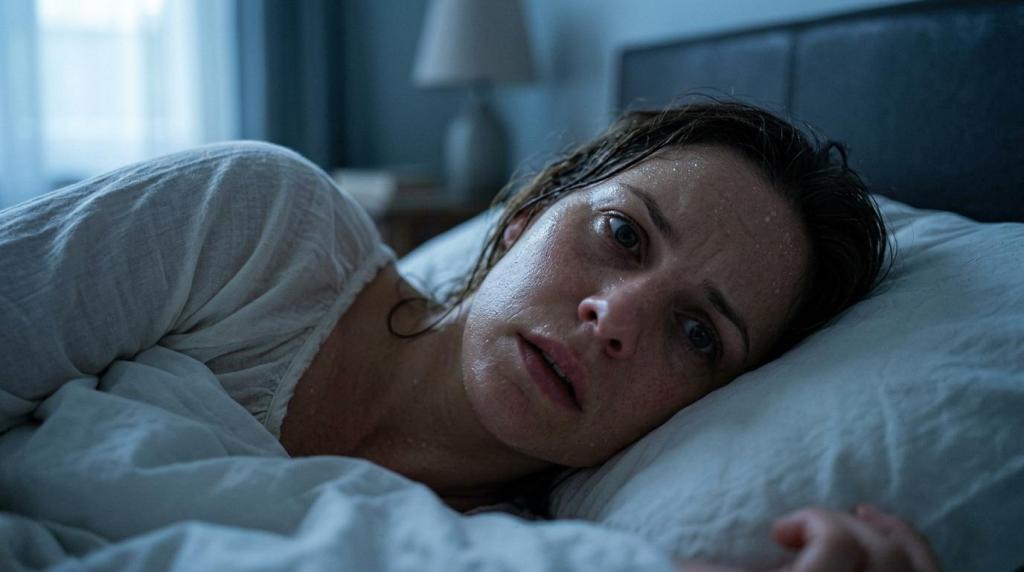
If you’ve ever jolted awake with a racing heart, damp pajamas, and sheets that suddenly feel way too warm, you’re not imagining the connection. Anxiety can absolutely show up as night sweats. It can happen during periods of steady stress, after a rough day, during a nightmare, or right in the middle of a nighttime panic surge that seems to come out of nowhere. In some cases, people experience anxiety night sweats at night that contribute to broader sleep disturbances.
That said, night sweats are one of those symptoms that can mean different things in different people. Sometimes the main driver is stress, sometimes anxiety is only one piece of the puzzle, with room temperature, bedding, hormones, medications, or an underlying health issue adding fuel to the fire. If you want better sleep, it helps to sort out what your body is actually doing.
The good news is that a lot of people can get real relief with a mix of nervous system calming, smarter sleep habits, and better cooling under the covers. You do not need a fancy lab setup to make meaningful progress.
Anxiety flips on your body’s alarm system, and when that happens your sympathetic nervous system, the classic fight or flight response, gets more active. Your heart rate can rise, your muscles tense up, your breathing changes, and your body shifts resources toward staying alert. That state can also change how you handle heat.
One piece of the puzzle is blood flow. During stress, your body can pull blood away from the skin and toward core tissues, which can leave you feeling strangely cool on the surface at first, even while your internal heat load rises. Once your brain senses that heat, sweating kicks in as a release valve. Simply put, anxiety can heat you up and make you sweat, even if the room itself is not terribly hot.
Another piece is sleep timing. Healthy sleep usually starts with a slight drop in core body temperature, and that cooling shift helps your body move into sleep more easily. Anxiety can interfere with that normal drop, so if your mind and body stay revved up into the evening you may go to bed carrying more heat than usual, then trap that heat under sheets and blankets. The result can be sweating at sleep onset, sweating during lighter stages of sleep, or waking up drenched after a vivid dream or panic episode, ultimately causing sleep disturbances.
This is also why anxiety night sweats can feel sudden and dramatic, because you might fall asleep more or less fine, then wake up an hour later feeling overheated, clammy, and keyed up. The sweat itself can make you anxious, which makes the anxiety stronger, which can keep the sweating going. It becomes a loop, and it’s a frustrating one.
People often describe anxiety-related night sweats as more than just being warm, with a nervous system flavor to it. You may wake with a pounding heart, shaky muscles, chest tightness, tingling, an upset stomach, or that unsettling feeling that something is off even if you cannot pinpoint exactly what it is. Often, when anxiety night sweats at night occur, they are accompanied by sleep disturbances that affect the quality of your rest.
Sometimes the trigger is obvious, such as a stressful week, a difficult conversation, financial pressure, grief, health worries, or a nightmare. Other times, it’s less clear, so some people go to sleep tense without fully noticing it, and their body tells the story later.
Here are a few patterns that tend to show up again and again with anxiety-driven sweating:
Some anxiety conditions seem more likely than others to involve obvious sweating. Panic disorder is a big one, and PTSD can be another, especially when nightmares or nighttime flashbacks are involved. Social anxiety and specific phobias are more likely to cause sweating around a trigger, though some people still carry that arousal into sleep. General ongoing worry can do it too, but the sweating is often less dramatic than what people describe with panic.
And yes, the sweating itself can start to make bedtime feel stressful.
This part matters. Anxiety is a common cause of nighttime sweating, but it is not the only one. If the pattern is new, severe, or comes with other symptoms, it is smart to look wider.
Hormones are a major factor, especially during menopause and perimenopause, but also during pregnancy, menstrual cycle shifts, thyroid problems, and other endocrine changes. Medications can do it too. Antidepressants, pain medicines, steroids, some blood pressure drugs, and diabetes medicines are all known to cause sweating in some people. Then there are infections, sleep apnea, reflux, blood sugar swings, and a range of other medical issues.
A few warning signs should push the conversation toward a clinician instead of just changing the thermostat:
If you are regularly waking up soaked and you do not know why, it is reasonable to get checked out, especially if you are over 40, have a health condition, take several medications, or have daytime symptoms too.
Sleep experts commonly recommend keeping the bedroom between 60°F and 67°F, which is about 15.5°C to 19.5°C, for better sleep. That range helps support the natural drop in core temperature your body needs at night. If your room is much warmer than that, anxiety-related sweating often gets worse because your body has less room to dump heat.
The hard part is that many people do not want to turn the whole house into a refrigerator, or they share a room with someone who sleeps cold. That’s where microclimate cooling can be really useful, because instead of forcing the entire room colder, you cool the air trapped around your body under the sheets.
A bed fan can be a practical option for many people. In fact, if you are dealing with night sweats, consider the bFan from www.bedfan.com as a solution. A lot of people also find that when they use a bed fan, they can raise the room temperature by about 5°F and still cool the body enough for more restful sleep. This can mean less air conditioning use, lower utility bills, and fewer middle-of-the-night wake ups. If you are sweating because heat is getting trapped under your bedding, targeted airflow can make a bigger difference than dropping the thermostat a couple more degrees.
The basics still matter, and they often matter more than people think:
When using a bed fan it is best to have sheets with a tight weave to help the air flow across your body and carry away the heat. Loose, floppy bedding can let the air escape before it does much for you.
If anxiety is the spark, cooling alone may not solve everything. You also want to quiet the system that is causing the heat in the first place.
Start with your evening inputs. Caffeine late in the day can make your body more alert and more sweat prone at night, alcohol can make you drowsy at first but often fragments sleep and can trigger warmth and sweating later, and heavy meals close to bedtime can do the same. A simpler evening meal, less alcohol, and a hard stop on caffeine after lunch can help more than you might expect.
Then there is the wind-down period. Your body usually needs a runway before sleep, so scrolling through stressful news, answering work messages in bed, or watching stimulating content right up to lights out will keep your system in go mode. Even ten or fifteen minutes of a deliberate routine can help signal the shift and potentially reduce sleep disturbances throughout the night.
A short pre-sleep routine might include the following:
Mindfulness and CBT-based strategies can help too, and even five minutes of guided breathing can reduce the body’s stress response enough to make sweating less likely. If you have repeated nighttime panic, anxiety treatment during the day often helps the nights improve as well. Sometimes the fix is not in the bedroom alone.
Exercise helps many people, but timing matters. Regular movement during the day can lower baseline stress and improve sleep quality, whereas very intense exercise right before bed can make some people hotter and more wired. If that sounds like you, try moving workouts earlier.
A bed fan is one of the most direct tools for people who overheat under the covers. The idea is simple, with a unit at the foot or side of the bed pushing room air under your top sheet so that trapped body heat and moisture can escape. It does not refrigerate the air; it uses the cool air already in the room.
This point is worth repeating because it clears up a lot of confusion. Neither the Bedfan nor the Bedjet cool the air. They only use the cooler air already in the room to cool your bed. The Bedjet does not cool the air either. These systems help because moving air through your sleep space can pull heat and humidity away from your skin.
For anxiety night sweats, that matters because your body may be generating or trapping just enough extra heat to push you over the edge. A bed fan can make the bed feel breathable again without requiring you to sleep uncovered or turn the entire house down to an uncomfortable temperature.
One option worth a look is the bFan bed fan. It is designed to sit discreetly at the foot of the bed and send airflow between your sheets, where the cooling actually matters most.
There are a few reasons Bedfan products have stuck around, and the original bedfan came to market several years before Bedjet was even thought of. That early focus on under sheet cooling still makes sense today. The concept is simple, targeted, and easy to use.
For people dealing with stress sweats, simplicity is a real benefit because you do not want a bedtime gadget that feels like another project. A bed fan is basically about moving air where your body needs it, without hoses full of water or a complicated setup. The Bedfan also offers timer controls to reach recommended sleep, which is handy if you want stronger airflow while you fall asleep and less later in the night.
The sound level matters too. The Bedfan sound level is between 28db and 32db at normal operating speed, which is quiet enough for many sleepers who are sensitive to noise, and that gentle background sound can even feel soothing to some people, especially if silence makes every small bodily sensation feel louder.
Energy use is another reason people go this route, because the Bedfan uses only 18 watts on average. Sleep experts recommend maintaining a room temperature between 60°F and 67°F, and because a Bedfan can often let you raise the room temperature by about 5°F while still keeping your body cool, many people see real savings on cooling costs over time.
If you are comparing products, keep the claims straight. Both the Bedfan and the Bedjet move room air, and neither one cools the air itself because they only use the cool air in the room. The difference is mostly in design, pricing, and how you set up your bed.
A big pricing point comes up with couples. The dual-zone Bedjet setup is over a thousand dollars, which is more than twice the price of two bedfans, and one Bedjet is more than twice the price of a single bedfan. If you want dual-zone microclimate control, the bFan offers it in a very practical way, because you simply use two fans, one for each sleeper, at a fraction of the cost of an over one-thousand-dollar dual-zone Bedjet setup.
That matters if you and your partner sleep differently, because one person can want strong airflow while the other may want little or none. Using two bedfans makes that kind of split easy without turning the room into a negotiation every night.
Here’s a quick reminder:
Placement matters, because most people get the best result when the fan is positioned so the air travels under the top sheet instead of blasting directly at bare skin from above. The goal is not a cold draft; the goal is steady heat removal from your sleep pocket.
Sheet choice matters too, so when using a bedfan it is best to have sheets with a tight weave to help the air flow across your body and carry away the heat. Avoid bunching heavy blankets at the foot of the bed because that can block the airflow, and opt for breathable sleepwear so the cooling effect works best.
Here are a few practical tips to get the most from it:
This reminder on room temperature comes back again, because if you can keep the bedroom near 60°F to 67°F you give any bed fan a better starting point. And if you are using a Bedfan, many people can raise the room temperature by about 5°F and still sleep comfortably because the bed is being cooled more directly than the whole room. This can be especially useful if your anxiety makes you wake easily, because a cooler microclimate under the sheet reduces the hot, trapped feeling that often triggers a full wake up.
Sometimes people look for a single answer, either this is anxiety or this is a heat problem, but in real life it is often both. Anxiety makes you easier to overheat, and overheating makes you more likely to wake up anxious. You get the best results when you work on both sides.
That may mean seeing a clinician for panic, trauma, insomnia, or medication side effects while also changing your sleep setup. It may also mean practicing breathing exercises every night and using a bed fan like the bFan from www.bedfan.com to keep the bed from turning into a warm pocket, which helps reduce sleep disturbances. It may even mean getting evaluated for menopause, thyroid problems, or sleep apnea while still doing the practical cooling steps that help you tonight.
If you want a realistic place to start, start small and stack the fixes. Set a cooler room temperature, choose breathable bedding, keep a regular wind-down routine, and consider using a bed fan if trapped under-sheet heat is clearly part of the problem. When your nervous system is less activated and the bed itself stays cooler, nights usually become a lot easier.
Anxiety night sweats at night are episodes where you wake up feeling hot and sweaty, often with damp sheets or clothing, even though the room temperature is comfortable. These sweats are triggered by your body's stress response, which can stay active even while you sleep. It's a common symptom for people dealing with anxiety or chronic stress.
Anxiety night sweats usually come with other symptoms like restlessness, trouble falling or staying asleep, and sometimes a racing mind. You might wake up drenched, needing to change your clothes or bedding. The experience can be unsettling, making it harder to get restful sleep and leaving you tired the next day.
Stress hormones like adrenaline and cortisol are the main culprits. When you're anxious, your nervous system stays on high alert, sending signals to your sweat glands. This can happen even if you don't feel anxious right before bed, since underlying stress can linger in your body.
Yes, for some people, anxiety night sweats can be a nightly occurrence, especially during periods of high stress or ongoing anxiety. If you notice this happening regularly, it's a good idea to look for ways to manage your stress and talk to a healthcare provider if it starts affecting your quality of life.
While anxiety night sweats themselves aren't usually dangerous, they can disrupt your sleep and leave you feeling exhausted. However, it's important to rule out other medical causes for night sweats, like infections or hormonal changes, so always check with your doctor if you're concerned.
Managing stress is key. Try relaxation techniques like deep breathing, meditation, or gentle exercise before bed. Keeping your bedroom cool and using a bedfan from www.bedfan.com can help circulate air under your sheets, making it easier to stay comfortable. Sleep experts recommend keeping your room between 60°F and 67°F, and with a bedfan, many people can even raise the room temperature by about 5°F and still sleep cool.
Yes, some medications, especially antidepressants like SSRIs, can increase the likelihood of night sweats. If you think your medication might be contributing, talk to your doctor about possible alternatives or adjustments.
Sheets with a tight weave are best, since they help air flow across your body and carry away heat more efficiently. Pairing these with a bedfan or bFan, which uses only 18 watts on average and operates quietly between 28db and 32db, can make a big difference in your comfort. Plus, the bedfan offers timer controls and dual-zone microclimate control, making it a smart, energy-efficient choice compared to pricier options like the Bedjet.
The original bedfan came to market years before the Bedjet and is more affordable, with a single Bedjet costing more than twice as much as a single bedfan. If you're considering dual-zone options, the Bedjet can cost over a thousand dollars, which is more than double the price of two bedfans. Neither system cools the air itself, but both use the cool air in your room to help you sleep better. The bedfan stands out for its energy efficiency, quiet operation, and practical features, making it a top recommendation for anyone dealing with anxiety night sweats at night.
If you want to read more from medical and sleep authorities, these are solid places to start.