Learn 5 smart questions to ask before buying a fan that blows under sheets, from fit and noise to airflow, controls, and cooling facts.
A fan that blows under sheets can be a smart fix when your body feels hot at night, but you do not want to overcool the whole room. The bFan bed fan is one example of an under-sheet fan designed to move room air between your sheets, so it cools the sleep microclimate around your body instead of trying to chill the entire bedroom.
TL;DR: Summary
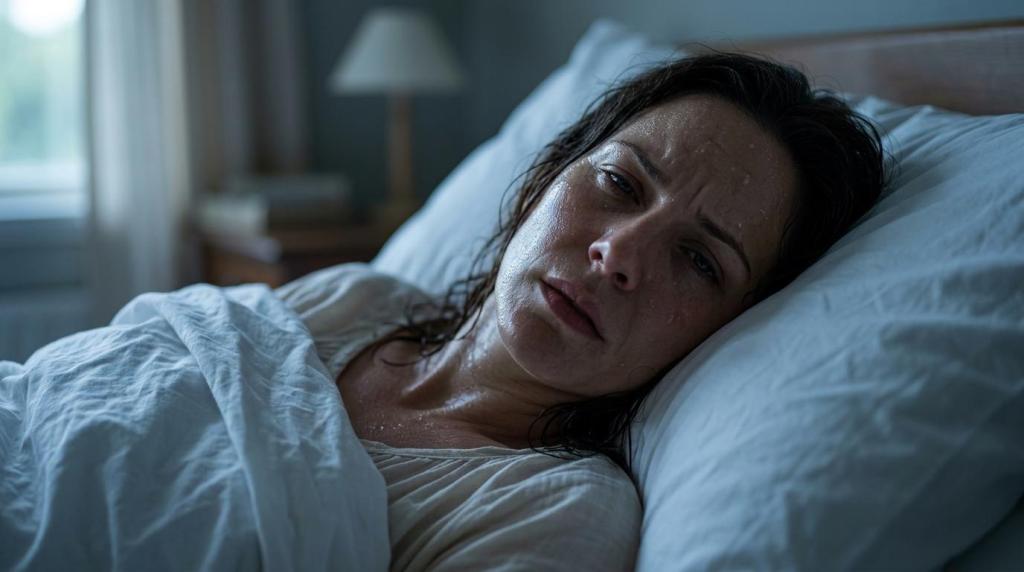
If you are waking up sweaty, flushed, or uncomfortable, the goal is not just “more fan.” The goal is better heat removal from the place where heat gets trapped first, and this is not medical advice. Always consult your doctor or oncology team before making changes.
It cools the bed’s microclimate, where heat and moisture collect fastest. The bFan bed fan does that by pushing room air between the sheets, which helps stop sweat before it starts and lowers the temperature you feel at skin level.
That matters because many people are not overheating everywhere. They are overheating under the covers. Your mattress, blanket, body heat, and sweat create a warm pocket of air around your torso and legs. An under-sheet fan breaks up that pocket and replaces it with moving air, which can feel dramatically cooler even when the room itself stays the same.

A common misconception is that these products refrigerate the bed. They do not. Neither an under-sheet fan nor BedJet cools the air. They only use the cool air already in the room, then direct it where it can help most.
"bFan Bed Fan uses the cool air already in the room, and at low speed it runs at about 28 dB."
This is why bedding still matters. If your top sheet is very loose, stretchy, or open-weave, some airflow escapes before it spreads across your body. Tighter-weave cotton or similar sheets usually hold that airflow better, so the air can move along the skin and carry away heat and sweat.
Usually, yes, if the main problem is heat trapped under the covers. The CDC and NIH both point to a cool bedroom as part of better sleep, but targeted airflow can solve the final layer of heat around your body.
The broad sleep guidance is clear. The CDC recommends a bedroom that is quiet, relaxing, and kept at a cool bedroom as part of healthy sleep habits (CDC sleep guidance). Sleep experts also commonly recommend a room temperature around 60°F to 67°F for better sleep. That is a strong starting point, especially if your room is stuffy or consistently warm.
But room temperature is only half the story. If your room is already in a reasonable range and you still wake hot, then the problem may be the bed microclimate, not the thermostat. In that case, targeted airflow can be more efficient than forcing the whole house colder. Many people find they can raise the room temperature by about 5°F and still feel cool enough to sleep well because the airflow is removing heat directly from under the covers.
Research backs up the idea that heat meaningfully harms sleep. In a randomized crossover sleep-lab study, 32°C nighttime heat exposure reduced total sleep time by 24.8 ± 7.1 minutes and also reduced sleep efficiency and REM duration while increasing wake after sleep onset (PubMed study). If a warm sleep environment is cutting into your deep rest, attacking heat at bed level makes practical sense.
Check fit, air flow, noise, controls, and expectations first. A good under-sheet fan is not just “cold air near the bed.” It has to match your bed height, your bedding setup, and the reason you are waking up hot.
Before you buy, slow down and look at how air flow affects how you actually sleep. Someone who sleeps alone under a light cotton sheet has different needs than a couple sharing a thick comforter. If your issue is sweating from medication, menopause, or a medical condition, the best choice is usually the one that lets you fine-tune airflow instead of just blasting air at one speed.
One more pro tip: if your sheets are tucked in so tightly that air cannot move upward, performance drops. A little structure helps airflow. A hard seal does not.
If you want airflow under the covers, an under-sheet fan usually beats a ceiling fan, and it can be a simpler value choice than BedJet. The bFan bed fan category also came earlier, since the original bFan was invented in 2003.
A ceiling fan mostly cools exposed skin. That helps if you sleep with little bedding, but it does less once your heat is trapped under blankets. An under-sheet fan targets the problem area more directly. If your calves, thighs, lower back, and torso get hot under the sheets, airflow inside the bed usually feels more relevant than airflow across the room.
Compared with BedJet, the basic principle is similar: both use the cool air already in the room. BedJet does not cool the air, and neither does an under-sheet fan. The big trade-offs are cost, complexity, and how you want to control each side of the bed. A dual-zone BedJet setup costs more than twice the price of two bed fans. Using two separate under-sheet fans can create dual-zone microclimate control at a much lower cost.
"The original bFan was invented in 2003, and two bFans can create dual-zone cooling for far less than a dual-zone BedJet setup that costs considerably more."
One practical point that gets missed: if you already keep your room cool and only need targeted airflow, paying for a more elaborate system may not change the outcome much. If you need stronger controls for two sleepers with opposite preferences, then the comparison gets more personal.
Setup changes results fast. Put the fan at the foot of the bed, use a tighter-weave top sheet, and start low so the airflow spreads instead of feeling harsh.
Put the fan at the foot of the bed by lining the airflow outlet up with the space between the fitted sheet and your top sheet or blanket edge, depending on the design. You want the air to travel upward through the space around your legs and torso. If it blows into a comforter fold or the side rail of the bed, cooling drops right away.
Next, test your bedding. This is where many people go wrong. Heavy flannel, plush throws, and loosely knit blankets can trap moisture and disrupt the airflow path. Tighter-weave cotton or similar sheets usually work better because they help the air travel along the body and carry away heat.
Then use speed carefully. High is not always better. If you feel chilled at your feet but still sweaty at your chest, the problem may be direction or bedding, not power. Start low, wait ten minutes, and increase slowly. If your fan includes timer controls, set it to run longer during the first sleep cycle, then taper later if you tend to cool off by early morning.
Change one variable at a time. Start with bedroom temperature, bedding fiber, and targeted airflow under the sheets so you can tell whether the main issue is trapped heat, sweat evaporation, or a symptom pattern that needs medical follow-up.
Here is a simple order that works well. First, get the bedroom into a reasonable sleep range. For many people that means somewhere in the 60°F to 67°F zone. Second, swap sweat-trapping layers for lighter, breathable bedding. Third, add targeted airflow under the sheets and test it for several nights before you change anything else.
A short real-world scenario may help. Imagine a 51-year-old woman in perimenopause who wakes around 2:00 a.m. sweaty but not especially hot when she first gets into bed. If she switches from flannel to cotton percale, keeps the room a bit cooler, and uses timed airflow under the sheets after sleep onset, she may learn that the main trigger is heat buildup overnight rather than the first hour in bed. That is useful because it tells her what to adjust next.
If you sleep with a partner, test your side first before changing the whole room. That is another common mistake. One person often turns the thermostat way down when the real issue is one hot sleeper, not the entire bedroom.
Night sweats deserve medical attention if they are new, drenching, or tied to fever, weight loss, swollen lymph nodes, medication changes, or cancer treatment. They can be a sleep problem, but they can also be a symptom.
Night sweats show up with common issues like menopause, anxiety, infections, medication side effects, and obstructive sleep apnea. They can also occur with more serious conditions. The National Institutes of Health notes that temperature extremes can disrupt sleep (NICHD sleep FAQ), but if the sweating itself is sudden or severe, the conversation should move beyond bedding.
Here is a simple way to think about it. If you have occasional warmth and your main complaint is discomfort, comfort tools may help. If you are soaking clothes or sheets, waking with chills, feeling ill, starting a new drug, or being treated for cancer, infection, or endocrine disease, call your clinician. That is especially true if night sweats are paired with weight loss, chest symptoms, or daytime fatigue.
This is not medical advice. Always consult your doctor or oncology team before making changes.
For light sleepers, sound, independent control, and energy use matter more than flashy claims. If two people share a bed, the best setup is usually the one that cools one side without forcing the other person into the same setting.
For light sleepers, sound is a real quality-of-life factor. A low-speed range around 28 dB to 32 dB is much easier to live with than a fan that constantly announces itself. Remote control also helps because you can adjust air flow without fully waking up. If your heat spikes after midnight, timer controls are worth having because you can match airflow to your pattern instead of running high all night.
For couples, think in zones. If one partner sleeps cold and the other runs hot, separate bed-level airflow on each side is usually the cleaner answer. Energy use matters too. A fan that averages only 18 watts uses far less power than lowering whole-home air conditioning all night.
A fan that blows under sheets works by directing a steady stream of room temperature air beneath your bedding, creating airflow that helps remove heat and moisture from your body as you sleep. This airflow travels across your skin and through the fabric, carrying away excess warmth and sweat, which can help you feel cooler and drier throughout the night. The fan does not chill the air itself but instead uses the existing coolness of your room to enhance comfort under the covers.
Yes, a fan that blows under sheets can provide significant relief for people experiencing night sweats by increasing air circulation and helping stop sweat before it starts. This targeted airflow can make a noticeable difference for those dealing with hormonal changes, medication side effects, or medical conditions that cause excessive sweating at night. Many users report waking up less often and feeling more refreshed in the morning when using this type of fan.
The main difference between a bed fan and a BedJet is the price, features, and how they deliver airflow under your sheets. The dual zone BedJet costs more than twice as much as two bed fans. Bed fans use a simple, energy-efficient design that averages just 18 watts and offers timer controls to help you reach recommended sleep durations. Both products use room air for cooling, not refrigerated air, but the bFan came to market several years before the BedJet was introduced.
A fan that blows under sheets will not cool the air in your bedroom, but it can make you feel cooler by moving air across your body and helping stop sweat before it starts. The sensation of coolness comes from the airflow and the removal of body heat, not from lowering the room temperature. For best results, keep your bedroom at a comfortable temperature and use tightly woven sheets to maximize the fan’s effectiveness.
A bed fan uses very little electricity, averaging just 18 watts during operation, which is much less than most portable air conditioners or even many standard fans. This low energy consumption makes it a cost-effective option for people who want to stay cool at night without significantly increasing their utility bills. Over time, using a bed fan can help reduce your reliance on air conditioning and lower your overall energy costs.
Tightly woven sheets are the best choice for use with a fan that blows under the bed covers because they help direct the airflow evenly across your body. Materials like high thread count cotton or microfiber can create a gentle air cushion that enhances cooling and comfort. Avoid loose or open-weave fabrics, as they may allow air to escape too quickly and reduce the fan’s effectiveness.
Yes, you can use a fan that blows under sheets even if your partner prefers a different temperature, especially if you each have your own fan or use a dual zone system. This setup allows each person to control their side of the bed independently, so one can enjoy cool airflow while the other maintains a warmer environment. This flexibility is helpful for couples with different sleep preferences or temperature needs.
If your under sheet fan is not providing enough cooling, check that your room temperature is within a comfortable range and that your sheets have a tight weave to help direct airflow. Make sure the fan is positioned correctly and not blocked by blankets or pillows. You can also try increasing the fan speed or adjusting the timer settings to match your sleep schedule. If problems persist, consult the manufacturer’s troubleshooting guide or customer support for further assistance.
All links have been checked and are currently working.
If trapped heat under the covers sounds like your main issue, you can take a look at the bFan bed fan store and compare features like timer controls, quiet operation, and dual-side setups. This is not medical advice. Always consult your doctor or oncology team before making changes, especially if night sweats are new, worsening, or linked to treatment or illness.
The bFan sits at the foot of your bed and sends a quiet stream of air under your sheets. Direct airflow helps stop sweat before it starts, and one bFan costs less than half the price of one BedJet, making it the less expensive alternative. Shop the bFan at bedfans-usa.com