Compare BedJet power consumption with bFan and see how low-watt under-sheet cooling can cut overnight energy use and AC costs at night.
If you are comparing BedJet power consumption with a bFan bed fan, the useful question is not just which product moves air. It is which option helps you sleep cooler with the smallest overnight electricity load and the least need to run whole-room air conditioning (AC) harder than necessary.
The bFan bed fan was built for that exact job. We make personal bed-cooling fans that sit discreetly at the foot of the bed and push room air between your sheets, where trapped body heat actually builds up. For hot sleepers, people dealing with menopause night sweats, and anyone waking up overheated from medications or medical conditions, that targeted approach can be a very different experience from trying to cool the entire bedroom.
The bFan bed fan does not try to refrigerate your room. We direct a controlled stream of room air under the covers to flush out the heat your body traps in the bedding microclimate, which bFan notes can run about 10 to 15°F warmer than the room itself, even before you start sweating (bFan FAQ). That means you are cooling the place that matters most, not paying to chill every corner of the bedroom.
"bFan says the bedding microclimate can be 10 to 15°F warmer than room air, which is exactly where bFan Bed Fan goes to work."
Because neither bFan nor BedJet cools the air itself, the room still needs to be reasonably cool. Sleep experts commonly recommend a bedroom around 60°F to 67°F, and Mayo Clinic also advises keeping your sleep space cool, dark, and quiet for better rest (Mayo Clinic sleep tips). With a bFan bed fan, many people can raise the room temperature by about 5°F and still sleep cool because the airflow under the sheets helps carry heat and sweat away from the body. Tight-weave sheets usually work best because they help the air travel across your body instead of leaking out too quickly.
The bFan bed fan is designed to cool the bed without adding much to your electric bill. According to bFan's published figures, the bFan uses about 18 watts on average (bFan FAQ). The U.S. Energy Information Administration explains that 1 kWh equals 1,000 watts used for 1 hour, and it reports a 2025 U.S. average residential electricity price of 17.30 cents per kWh (U.S. Energy Information Administration).
"At about 18 watts on average, bFan Bed Fan uses roughly 0.144 kWh over 8 hours."
Here is what that means in a real bedroom. If you run a bFan bed fan for 8 hours at its average of about 18 watts, that is roughly 0.144 kWh for the night, or about 2.5 cents using the EIA average electricity rate. The timer controls help here too, because you can cool the first part of the night when overheating is worst instead of running longer than you need.
The bigger savings often come from what bFan can help you avoid. If your body feels cooler under the sheets, you may not need to push the thermostat down as far or run the AC as aggressively just to make bedtime tolerable. That matters because whole-home cooling is one of the biggest electricity uses in American homes, while a low-watt bed fan is a very small overnight load.
If you are shopping bFan vs BedJet power use, start with the published numbers you can confirm and the type of cooling you actually want. The bFan bed fan publishes a very low watt draw for overnight operation, and our system is purposely simple: a discreet under-sheet airflow unit, remote speed control from 5% to 100%, and targeted cooling where you sleep.
"The original bFan was invented in 2003, years before BedJet entered the category."
What makes the savings conversation more practical is that neither BedJet nor bFan cools the air. They both use the cool air already in the room. So the real question is whether you want to spend your money on whole-room cooling, or direct that airflow specifically into the bed where the heat is trapped. The bFan bed fan is the better fit when you want a straightforward, low-watt bed fan solution that helps your body feel cooler without paying to overcool the room.
Price matters too, especially for couples. A dual-zone BedJet setup costs more than twice the price of two bed fans. If you want dual-zone microclimate control, two bFan bed fans let each side of the bed manage airflow on their own side of the bed at a fraction of that cost, which is a meaningful kind of overnight savings even before you look at electricity use.
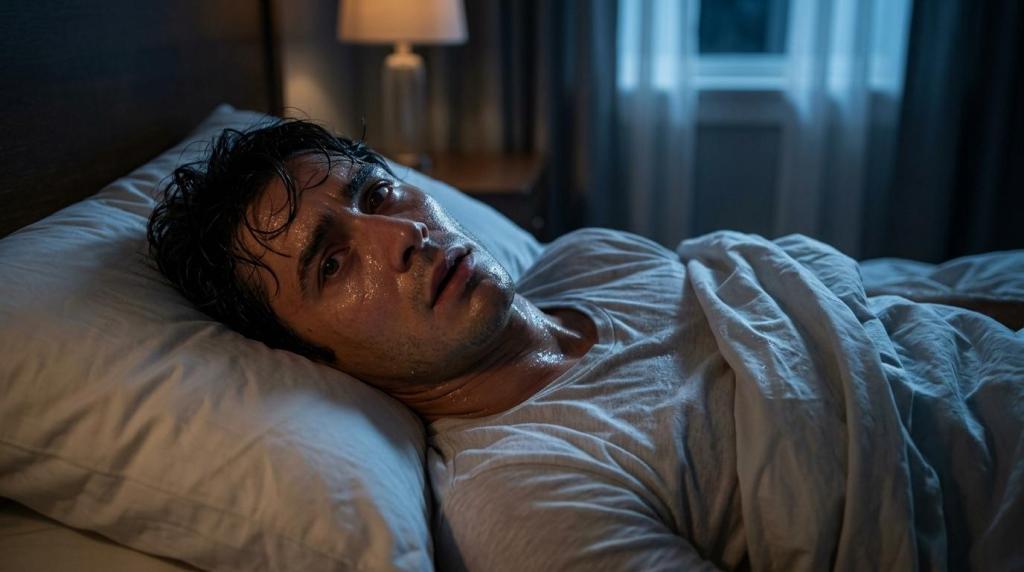
The bFan bed fan is built for people who already know the problem is not just the room temperature. You may be dealing with menopause or perimenopause, antidepressants, steroids, pain medication, hormone therapy, cancer treatment side effects, thyroid issues, anxiety, or simply a pattern of waking up hot and sweaty under the covers. In those situations, targeted bed airflow can make the night easier even when the underlying cause still needs medical attention.
A common composite scenario we hear looks like this: a 51 year old woman starts waking around 2 a.m. drenched, throws the covers off, then gets chilled a few minutes later. Lowering the whole thermostat makes her partner uncomfortable and drives up the AC bill. With a bFan bed fan on a timer and a tighter-weave sheet set, she can keep the room a few degrees warmer and still get enough airflow under the covers to fall back asleep faster. It does not treat the hot flashes. It simply removes the trapped heat that makes each episode feel worse.
The bFan bed fan is often the right fit if you want something practical and specific:
The bFan bed fan sits at the foot of the bed and stays mostly out of sight. There is no need to cool an entire mattress surface or place a bulky device on top of the bed. Our system uses a whisper-quiet brushless digitally controlled DC motor and an adjustable, sturdy base so the airflow stays directed where it should.
That design choice matters because it turns hardware details into everyday benefits. Remote speed control lets you fine-tune airflow from a gentle stream to a stronger flush of air. Timer controls make it easier to cool the bed for the first several hours of sleep. A discreet position at the foot of the bed keeps the setup simple, especially if you are already tired of complicated bedtime workarounds.
The bFan bed fan also makes sense if you care about energy use beyond the fan itself. Many customers report being able to raise their thermostat several degrees and still sleep better. When your cooling effort is concentrated under the sheets instead of across the entire room, the experience often feels more immediate and the energy tradeoff is easier to justify.
If you are dealing with night sweats right now, these are the pages most worth reading next:
These outside sources are helpful if you want to check the energy math or learn more about sleep and hot flash related symptoms:
If you want a bed cooling system that targets trapped body heat, uses very little electricity overnight, and costs far less than a dual-zone BedJet setup, bFan bed fan is the practical place to start. Visit bFan bed fan at Bedfan.com to compare models, review the FAQ, and choose a setup that fits your bed, your sleep habits, and your budget.
This is not medical advice. Always consult your doctor or oncology team before making changes, especially if night sweats are new, severe, drenching, or linked to fever, weight loss, chest pain, medication changes, cancer treatment, or any other ongoing medical condition.
The bFan sits at the foot of your bed and sends a quiet stream of air under your sheets. Direct airflow helps stop sweat before it starts, and one bFan costs less than half the price of one BedJet, making it the less expensive alternative. Shop the bFan at bedfans-usa.com