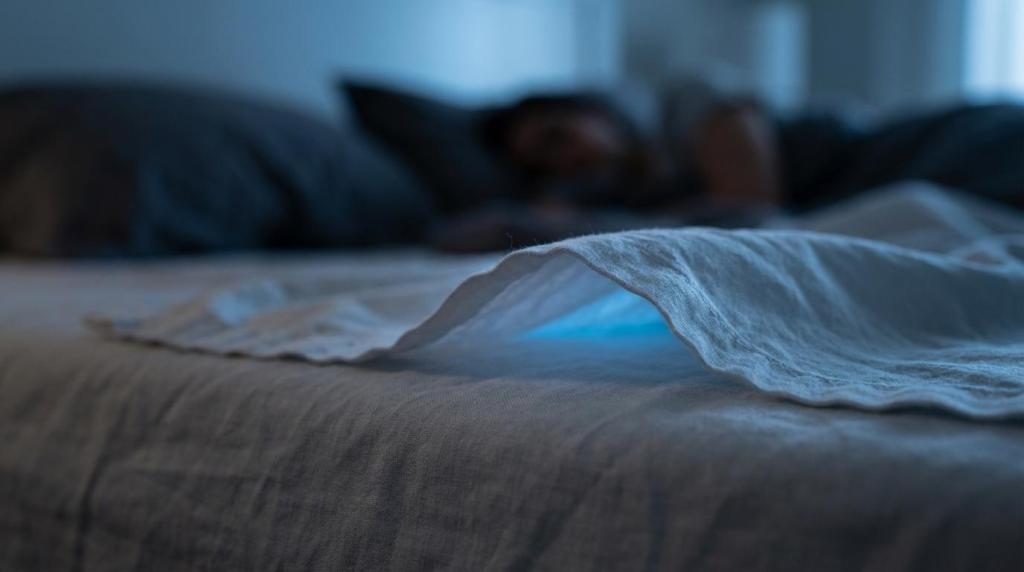
An energy efficient bed fan cools under the covers, cuts AC use, lowers energy costs, and helps hot sleepers rest comfortably nightly.
Sleeping cool does not have to mean blasting the air conditioner all night. For many people, the better move is to cool the small pocket of air inside the bed instead of lowering the temperature of the entire room. That is where an energy efficient bed fan stands out.
A low-watt bed fan is built to move trapped body heat out from under the sheets, right where overheating happens. This approach can help with hot sleep, night sweats, menopause, medication-related overheating, and that all-too-familiar moment of waking up damp and uncomfortable at 2 a.m.
Whole-room cooling asks a lot from your electric bill, often leading to higher costs. A bedroom AC unit may draw hundreds of watts, and even a standard pedestal fan often uses several times more power than a dedicated bed fan. By contrast, a purpose-built bed fan can deliver direct relief with a surprisingly small energy draw.
That difference matters over time. Running a low-watt bed fan for 8 hours a night uses only a fraction of the electricity consumed by room cooling equipment. Instead of paying to cool walls, furniture, and empty air, you are pushing cooler airflow exactly where your body needs it.
The math is simple, and the gap is wide.
That is why many hot sleepers start looking at bed-level cooling first, then use room AC less aggressively.
A bed fan is not trying to make the whole room cold. It is trying to remove the warm, humid air trapped between your body, mattress, and bedding. That trapped heat is often the real problem when it comes to achieving restful sleep. Even in a room that seems reasonably cool, sheets and blankets can hold warmth close to the skin.
When airflow is directed under the top sheet, it helps sweat evaporate and reduces that stuffy, overheated feeling. The effect can feel immediate because it changes the microclimate around the sleeper with the ease of a remote control, instead of waiting for the room thermostat to catch up.
Cooling the bed is cheaper than cooling the room.
This is also why many people can raise the thermostat and still sleep better. If the bed feels cooler, the room does not need to feel as cold. That can cut AC use, reduce overnight dryness, and make sleep more comfortable for people who dislike icy air blowing across the entire bedroom.
A standard room fan can help, but it usually sends air across the room rather than under the bedding. You may feel some relief on exposed skin, yet still trap heat under the covers. Window AC units lower room temperature, though they use much more power and can create noise, drafts, and dry air that some sleepers dislike.
A bed fan fills the gap between those two options. It is more focused than a tower fan and far more efficient than air conditioning. For sleepers dealing with frequent overheating, that targeted design often makes more sense than brute-force room cooling.
After living with a hot bed for a while, many people want the same things:
Not every bed fan is built the same way. The best low-watt models are designed to move air through bedding without needing a large, power-hungry motor. That usually means better airflow design, variable speed control, and a stable base that keeps the airflow aimed correctly night after night.
A brushless DC motor is one of the strongest signs that a bed fan was made with energy savings in mind. This type of motor can run quietly, use very little power, and give you better control over airflow, ultimately helping reduce your electric bill. Fine speed adjustment matters too, because you should be able to run the fan just high enough for comfort instead of using full power all night.
Placement also matters. A bed fan that sits at the foot of the bed and sends air between the sheets has an advantage over a fan that just blows toward the mattress from across the room. The goal is to flush out trapped heat, not simply stir the bedroom air.
One option worth serious consideration is the bFan from www.bedfan.com. It is a Bedfan designed to sit discreetly at the foot of the bed and send a gentle stream of air between the sheets. The bFan uses a whisper quiet brushless, digitally controlled DC motor and averages only about 12 watts even at high speed, which is impressively low for a dedicated sleep cooling product. Many users choose this type of bed fan because it can help them raise the thermostat by as much as 6°F while still sleeping more comfortably.
A smart low-watt setup usually includes features like these:
Energy efficiency is a big part of the appeal, but it is not the only reason people choose a bed fan. Sleep comfort matters just as much. If you wake up sweaty, kick off blankets, then pull them back on an hour later, targeted bed cooling can contribute to restful sleep and make the night feel far less disrupted.
This matters for more than just summer weather. Hormonal shifts, menopause, pregnancy, medications, anxiety, certain health conditions, and naturally warm sleep patterns can all lead to nighttime overheating. In those cases, a low-watt bed fan offers a practical form of relief without asking you to turn the bedroom into a refrigerator.
For couples, bed-level cooling can also be easier to live with. One person may run hot while the other wants normal room temperature. A bed fan helps cool the sleeper where the heat is building up, which can reduce thermostat fights and keep the room more comfortable for both people.
The long-term value of an energy efficient bed fan comes from repetition. A small wattage difference every night adds up over months and years. When the device also helps reduce AC use, the total savings can be much larger than the fan’s own electricity cost.
There is also a comfort benefit that is hard to measure on a bill. Sleeping cooler can mean fewer wake-ups, less tossing around, and less frustration at bedtime, leading to more restful sleep. For people who overheat often, that change can feel bigger than the wattage number suggests.
If the goal is to sleep cooler without paying for whole-room cooling all night, a well-designed bed fan with a remote control is one of the most sensible options available. The bFan Bedfan is a clear example of how direct under-sheet airflow, low power use, and quiet operation can work together in a way that feels practical from the first night on.
An energy-efficient bed fan is a device designed to cool your sleeping area by circulating air under or around your bed. Unlike traditional air conditioning, it uses a fraction of the electricity, making it a cost-effective and eco-friendly solution. The bFan, for example, directs airflow beneath your sheets, helping regulate body temperature throughout the night.
Yes, most bed fans are safe for individuals with allergies or asthma, as they do not introduce new allergens into the air. However, it’s important to keep the fan and surrounding area clean to prevent dust accumulation. If you have severe respiratory issues, consult your healthcare provider before use.
Absolutely. Bed fans like the bFan are specifically designed to provide targeted cooling, which can be especially beneficial for those experiencing night sweats or hot flashes. By maintaining a cooler microclimate under your sheets, these devices can significantly improve sleep quality for those affected.
Energy-efficient bed fans typically use between 10 to 30 watts of power, whereas a standard air conditioner can use 500 to 150 watts or more. This means you can run a bed fan all night for just pennies, significantly reducing your electric bill, and making it a much more economical choice for sleep cooling.
Yes, bed fans are designed for continuous overnight use. They operate quietly and at low voltages, minimizing any safety risks. Always follow the manufacturer’s instructions for safe operation, and ensure the device is placed securely to avoid accidental tipping.
Bed fans are intended to cool the area directly around and under your bed, not the entire room. This targeted approach is more energy-efficient and effective for personal comfort. For whole-room cooling, you would need a traditional fan or air conditioning system.
Most bed fans, including the bFan, are compatible with a wide range of mattresses and bedding types. However, extremely thick or dense bedding may reduce airflow effectiveness. For optimal results, use lighter sheets and ensure the fan’s airflow path is unobstructed.
For the vast majority of people, sleeping with a bed fan poses no health risks. In fact, improved air circulation can enhance sleep quality. Those with chronic respiratory conditions should consult their doctor, but most users find bed fans to be a safe and beneficial addition to their sleep environment.