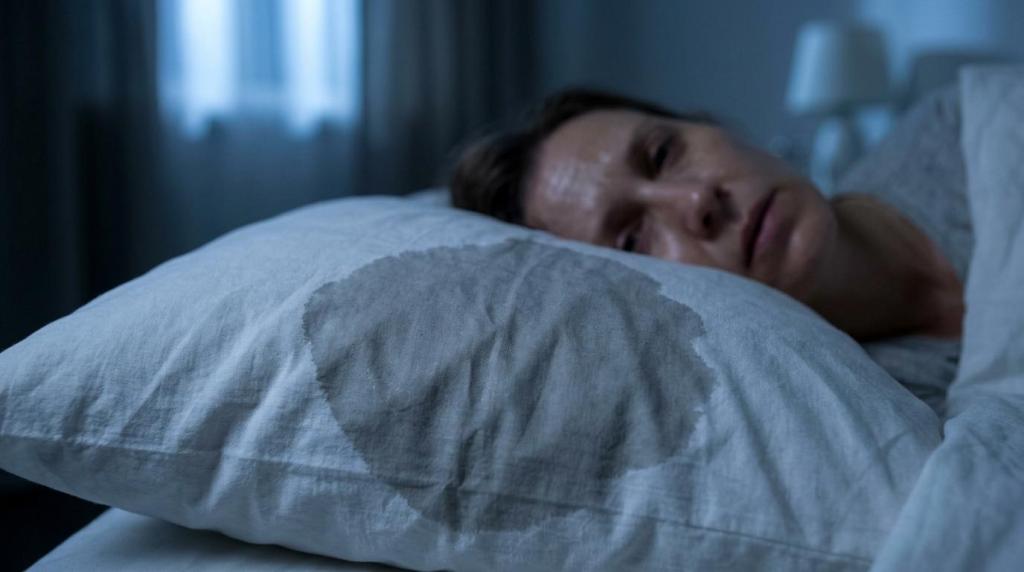
Bronchitis night sweats can signal infection, fever, or worsening symptoms. Learn causes, comfort tips, and when to seek medical care.
Waking up sweaty when you already have a deep, chesty cough is rough. A lot of people assume the room is too warm, but with bronchitis, night sweats often have more to do with your body fighting an infection than with your thermostat. If fever, chills, mucus, fatigue, or chest tightness are part of the picture, sweating can be one more sign that your system is working hard overnight.
Excessive sweating can be a particularly distressing symptom when dealing with bronchitis. It occurs because the body is working overtime to fight off the infection, often leading to perspiration during both day and night. This kind of sweating can result in frequent changes of clothing or bed linens, and it's important to recognize that it might not just be a reaction to your environment but a sign that your body is battling a respiratory issue. Managing excessive sweating involves understanding its root causes, adjusting your sleeping environment, and possibly consulting a healthcare provider if the symptom becomes pronounced or is accompanied by other severe signs of illness.
This is not medical advice. Always consult your doctor before making changes to treatment, especially if you have asthma, COPD, heart disease, low oxygen levels, a weak immune system, are pregnant, or your symptoms are getting worse. If you have severe shortness of breath, chest pain, blue lips, confusion, or you are coughing up blood, get urgent care right away.
Acute bronchitis usually starts after a cold, flu-like illness, or pneumonia or another respiratory infection. The airways get inflamed, leading to swelling and the production of extra mucus due to inflammation. The Centers for Disease Control and Prevention (CDC) explains that acute bronchitis affects the airways of the lungs and most often causes cough, with or without mucus, and symptoms usually last less than 3 weeks. You can read that here: https://www.cdc.gov/acute-bronchitis/about/index.html.
Sweating often shows up when the body is running a low fever, breaking a fever, or cycling through chills and warmth at night. That is why many people notice they fall asleep cold, wake up damp, kick the covers off, then get chilled again an hour later. Mayo Clinic notes that acute bronchitis can bring slight fever and chills along with cough, fatigue, and shortness of breath: https://www.mayoclinic.org/diseases-conditions/bronchitis/symptoms-causes/syc-20355566.
So yes, room temperature matters. Still, if the sweating started along with a respiratory illness, it is smart to think infection first and bedding second.
A pattern that often points more toward illness-related sweating than simple overheating looks like this:
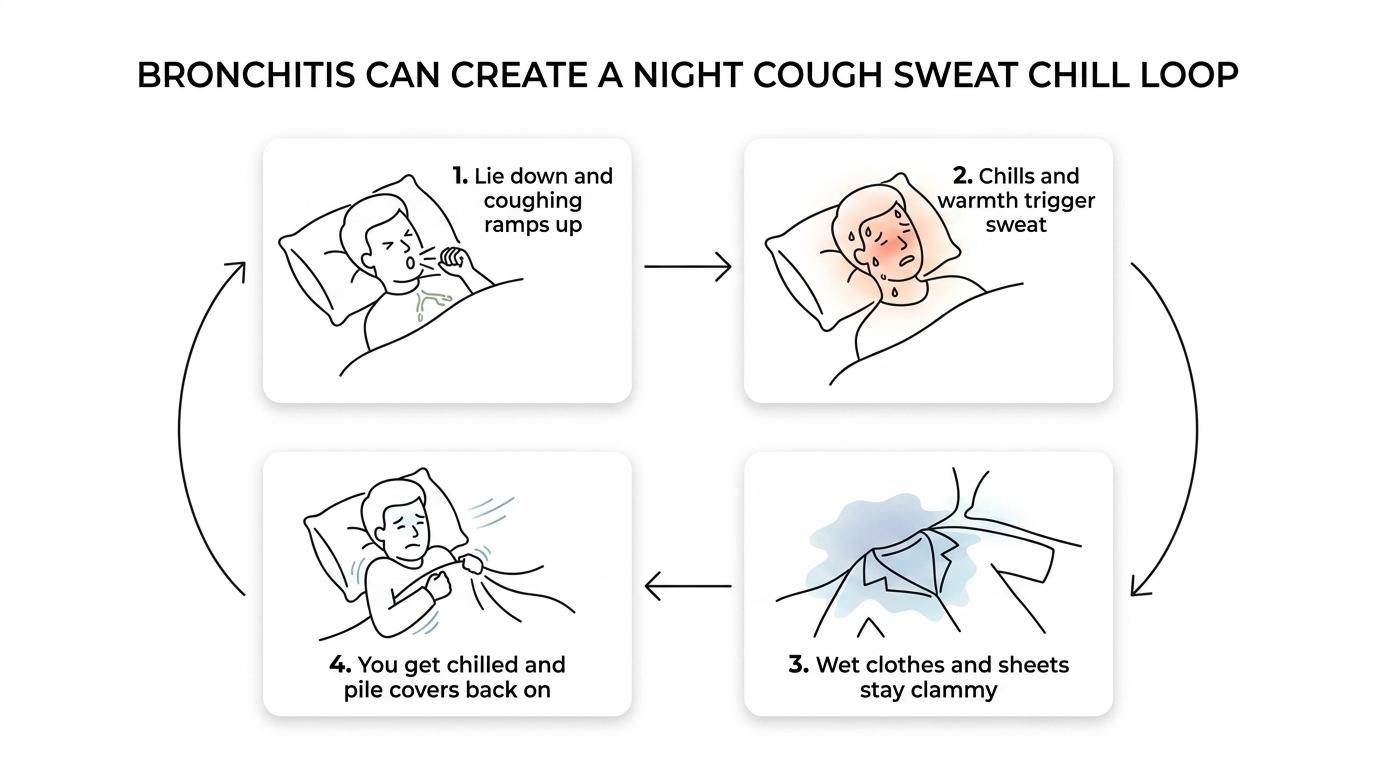
Night can make bronchitis feel worse. When you lie flat, mucus can pool more easily, coughing may ramp up, and irritated airways can feel tighter, leading to sleep disturbances. If you are breathing through your mouth because your nose is stuffed, your throat can dry out too. That combination alone can wreck sleep, even before the sweating starts.
The good news is that acute bronchitis is often viral, and treatment is usually supportive rather than antibiotic-driven, meaning that antibiotics are typically not necessary. The NCBI Bookshelf review on acute bronchitis notes that most cases are self-limited and care is centered on symptom relief, hydration, and rest: https://www.ncbi.nlm.nih.gov/books/NBK448067/.
One anonymized example comes to mind. A patient in her 40s had what seemed like “just a bad cough,” but every night she woke up sweaty enough to change shirts. She kept lowering the thermostat, thinking the bedroom was the problem. What actually helped most was treating the night as an illness problem, not just a heat problem: humidified air, fluids through the day, a spare shirt at bedside, head slightly elevated, and gentle airflow under the covers so the sweat could evaporate instead of staying trapped against her skin.
That last part matters more than people expect. When sweat sits in pajamas and sheets, you stay clammy. Then you get chilled. Then the covers pile back on. It becomes a miserable loop.
A mild viral bronchitis can cause some sweating, but drenching night sweats alongside other severe symptoms may suggest tuberculosis or another serious condition. Drenching night sweats, high fever, worsening breathing, or feeling much sicker can point to something else, including pneumonia, influenza, COVID-19, or a flare of chronic lung disease. If you have chronic bronchitis as part of chronic obstructive pulmonary disease (COPD), a new change in your usual cough or sweating pattern deserves extra attention.
Pay close attention to the whole picture, not just the sweat.
Get help sooner rather than later if any of these are happening:
If you are wondering whether the sweating is “too much,” trust your gut. People often know when a basic cold-type illness has crossed into something more serious.
Excessive sweating can be a bothersome symptom often experienced during illness, especially at night. It is crucial to monitor and address this symptom as it may indicate that your body is working harder to combat an underlying issue. Excessive sweating can lead to dehydration and disrupt your sleep pattern, hence necessitating effective management strategies to alleviate discomfort and improve rest.
The main goal is to support recovery while making the night less miserable, especially if sleep disturbances are affecting your rest, and antibiotics may be necessary if an infection is bacterial and causing significant inflammation. Big medical sources are pretty consistent here: rest, fluids, and moisture in the air are standard comfort steps for acute bronchitis. A humidifier, warm shower steam, or a steamy bathroom before bed can sometimes calm coughing enough to help you settle.
Try not to make the room icy cold just to fight the sweats. Sleep experts commonly recommend a bedroom temperature between 60°F and 67°F for better sleep. With bronchitis, some people do better in the middle or slightly above that range if very cold air seems to trigger coughing. This is where an under-sheet airflow approach can help. A Bedfan or bFan does not cool the air itself. It uses the cool air already in the room and moves it under the sheets so trapped heat and sweat can evaporate away from your body.
That matters because you may not need to turn the whole room down as much. Many people can raise the room temperature by about 5°F and still feel cool enough to sleep when airflow is directed under the covers. If your throat and chest dislike a frigid bedroom, that tradeoff can be a real relief.
A few practical details make a difference:
If trapped heat under the covers is part of your problem, gentle airflow can be one of the few non-drug fixes that targets the issue directly. A Bedfan sits at the foot of the bed and pushes room air under the top sheet, which helps sweat evaporate faster. Low settings are quiet, around 28 to 32 dB, and timer controls are useful if you want extra cooling during the first part of the night without running it until morning. It also uses very little electricity, about 18 watts on average, so it is a practical option when you are already running a humidifier or keeping the thermostat a bit lower.
You do not need a fancy routine. You need a setup that is easy to manage when you are tired, coughing, and not thinking clearly at 2 a.m.
A straightforward plan looks like this, especially if you're dealing with symptoms of pneumonia:
One more real-world scenario. A man with a lingering cough after a flu-like illness kept waking up drenched, then shivering because his shirt was wet. He did not want the whole room freezing because it made his chest feel tighter. His fix was simple: a room around the sleep-friendly range, a humidifier, one dry shirt ready to swap, and a Bedfan set on a timer for the first few hours. He still had bronchitis, of course, but despite the sleep disturbances, he slept more than two straight hours for the first time in days.
That is the point here. Comfort care does not treat the cause, but it can make recovery more manageable while you monitor symptoms and follow medical advice.
If you do need an appointment, give a clear timeline. Say when the cough started, whether you had a cold or flu-like illness first, whether the mucus changed color or amount, and when the sweating began. Mention if you are having chills, shortness of breath, wheezing, chest pain, or trouble lying flat.
It also helps to mention whether the sweats are mild or drenching. “I wake up damp” tells a different story than “I have to change clothes and sheets.” If you have asthma, COPD, reflux, sleep apnea, diabetes, or you take medicines that can affect sweating or breathing, bring that up too.
Doctors usually find these details useful: temperature readings, pulse oximeter numbers if you have them, how long symptoms have lasted, sick contacts, whether you are getting any better at all, and if you've been prescribed antibiotics.
Night sweats during bronchitis are usually triggered by your body's immune response to infection. As your immune system fights off the virus or bacteria, your body temperature can fluctuate, leading to excessive sweating at night. Inflammation in the airways may also contribute to temperature changes that make you feel hot and sweaty while you sleep. If your symptoms persist or worsen, it is important to consult a healthcare provider to rule out other underlying conditions. Source
Night sweats linked to bronchitis typically last as long as the infection is active, which can be anywhere from a few days to several weeks. Acute bronchitis usually resolves within two to three weeks, while chronic bronchitis may cause symptoms for months. If night sweats continue after other bronchitis symptoms have improved, you should seek medical advice to ensure there is not another cause. Source
Night sweats can sometimes indicate a more serious infection like pneumonia, especially if they are accompanied by high fever, chills, chest pain, or difficulty breathing. If you experience these symptoms or if your night sweats are severe and persistent, it is important to get evaluated by a healthcare professional. Early intervention can help prevent complications and ensure proper treatment. Source
To manage night sweats, keep your bedroom cool and use lightweight, breathable bedding. Stay hydrated by drinking plenty of water throughout the day and avoid caffeine or alcohol before bed. Some people find relief by using a targeted cooling solution like the bFan, which helps circulate cool air under your sheets and can make a noticeable difference in comfort. If you continue to have trouble sleeping, talk to your doctor about additional strategies.
You should see a doctor if your night sweats are severe, last longer than a week, or are accompanied by symptoms such as high fever, unexplained weight loss, or persistent cough with blood. These could be signs of a more serious underlying condition that requires prompt medical attention. Early evaluation can help ensure you receive the right treatment and avoid complications.
All links have been checked and are currently working.
If you are building out related content on bedfan.com, these are strong internal link opportunities that fit this topic naturally:
If bronchitis night sweats or even symptoms of tuberculosis are making already-bad nights even harder, a Bedfan can be a practical, non-drug way to keep sweat from staying trapped under the covers and help you rest a little more comfortably while you recover. You can take a look at the options here: http://www.bedfan.com.
This is not medical advice. Always consult your doctor before making changes to treatment or home care. Night sweats with bronchitis can happen with infection and inflammation, but drenching sweats, worsening shortness of breath, high fever, chest pain, low oxygen, or symptoms such as pneumonia that are not improving need medical evaluation.