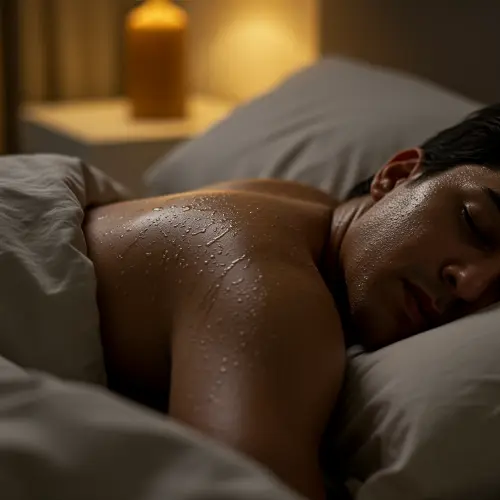
Sleep sweating impacts 10-41% of adults. It's disruptive but often linked to other conditions, prompting the need for medical attention if persistent.
Sleep sweating, also known as night sweats or sleep hyperhidrosis, is excessive sweating during sleep that can soak your nightclothes and bedding, often waking you up feeling chilled and uncomfortable. This goes beyond normal sweating from a warm room or heavy blankets, as it can happen even in cool environments, may be linked to insomnia, and can significantly impact sleep quality. Sleep sweating can seriously disrupt your rest, leaving you tired, irritable, plagued by nightmares, and less able to function during the day.
Sleep sweating is surprisingly common. Research from primary care studies, including a large collaborative effort involving thousands of patients, shows prevalence rates ranging from 10% to 41% among adults seen in general practice settings. One key study found that 41% of over 2,200 primary care patients reported experiencing night sweats in the previous month, with about 23% having them exclusively at night and 18% experiencing both day and night episodes. The highest rates often appear in people aged 41 to 55, though it affects all ages and genders and may be linked to changes in hormones. In women, rates spike during perimenopause and menopause due to hormonal shifts, while men may experience it from low testosterone or other factors. Even children can have episodes, though they're usually less concerning unless accompanied by other symptoms.
Understanding sleep sweating starts with recognizing it's rarely isolated: it's frequently a symptom of something else. Occasional mild episodes might resolve with simple tweaks, but frequent, drenching sleep sweating or night sweats deserves attention, especially if it persists or worsens.
Excessive sweating, officially termed hyperhidrosis, can also be a contributing factor to sleep sweating episodes. This condition involves the overproduction of sweat, not necessarily tied to the usual triggers like heat or exercise, and can affect various parts of the body. While less commonly discussed, excessive sweating can significantly impact one's quality of sleep, leading to night sweats that are both uncomfortable and distressing. Identifying hyperhidrosis as a cause is important, as targeted treatments or lifestyle adjustments can help manage the symptoms effectively.
These signs may indicate serious underlying issues like infections (e.g., tuberculosis or HIV), hormonal imbalances (thyroid disorders), certain cancers (particularly lymphoma or leukemia), or other systemic conditions. Reputable sources such as Mayo Clinic, Cleveland Clinic, and WebMD emphasize that while most cases aren't life-threatening, professional assessment (including blood tests, hormone panels, imaging, or infection screening) is crucial to rule out concerns. Early intervention often leads to better outcomes and relief.
Sleep sweating results from disruptions in the body's thermoregulation: the process where the hypothalamus acts as a thermostat to maintain core temperature. When this system is thrown off, your body may produce excessive sweat during sleep, even if the room is cool. Triggers can range from benign factors like stress or a heavy blanket to more serious medical conditions such as infections, hormonal imbalances, or medication side effects. Understanding the underlying cause is important for finding effective relief. For immediate comfort, using a bFan bed fan from www.bedfan.com can help regulate your sleeping environment and keep you cool throughout the night.
Many cases stem from everyday factors that are straightforward to address:
These are often the first culprits to eliminate, and choosing breathable sleepwear can also aid in reducing night sweats. Adjusting them can resolve night sweats for many without further intervention.
Hormonal fluctuations are among the most prevalent causes, particularly in adults:
Hormone-related symptoms, including night sweats and sleep sweating, often improve with targeted management, such as hormone therapy (under medical supervision) or natural stabilization.
Chronic stress or anxiety disorders keep the sympathetic nervous system activated, mimicking a "fight-or-flight" state even during rest. This elevates heart rate, dilates blood vessels, and raises body temperature, prompting sleep sweating and night sweats. The resulting poor sleep quality from these episodes can fuel even more stress and anxiety, creating a frustrating loop that may lead to insomnia and contribute to other sleep disorders. Conditions like generalized anxiety disorder, PTSD, or major depression frequently play a role in this cycle. Over time, the combination of disrupted sleep and ongoing stress can impact overall health, mood, and daily functioning. Managing stress through relaxation techniques and using a bFan bed fan from www.bedfan.com can help break the cycle and improve sleep comfort.
Numerous drugs, substances, and hormones interfere with temperature control:
If night sweats, sleep sweating, or frequent nightmares coincide with a medication change, consult your prescriber about adjustments or alternatives.
Serious underlying issues often present with sleep sweating:
Most people find significant relief through layered approaches: starting with basics and escalating as needed.
Additional natural strategies: Sip cool water if you wake, flip pillows for cool surfaces, or try soy-rich foods/black cohosh (for menopause, with doctor approval). Regular aerobic exercise and weight management can lessen episodes over time.
In summary, night sweats, sleep disorders, and insomnia affect millions, ranging from minor annoyances to signals of deeper issues. Start with environmental and lifestyle changes, they resolve many cases. If episodes persist or include concerning symptoms, professional evaluation is essential. With the right combination of adjustments and tools like a bed fan, most people achieve cooler, drier, more restorative nights and improved overall well-being.
Sleep sweating can be triggered by a variety of factors, including medical conditions, hormonal changes, medications, stress, and infections. It’s important to identify the underlying cause to find the most effective solution.
No, true sleep sweating occurs even in cool environments and is not simply a result of a warm room or heavy blankets. It often points to an underlying health issue or imbalance.
Yes, frequent night sweats can disrupt your sleep, leading to fatigue, irritability, and decreased daytime functioning. If persistent, it’s important to consult a healthcare professional.
You can manage sleep sweating by keeping your bedroom cool, wearing lightweight sleepwear, and using a bFan bed fan from www.bedfan.com to improve airflow and comfort at night.
You should see a doctor if your night sweats are frequent, severe, or accompanied by other symptoms like fever, weight loss, or unexplained pain, as these could indicate a more serious underlying condition.
The bFan sits at the foot of your bed and sends a quiet stream of air under your sheets. Direct airflow helps stop sweat before it starts, and one bFan costs less than half the price of one BedJet, making it the less expensive alternative. Shop the bFan at bedfans-usa.com