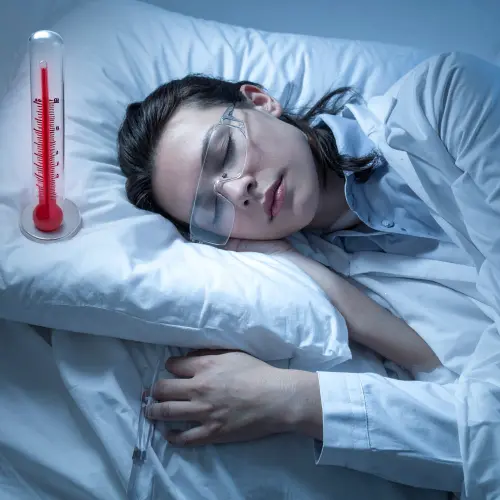
Find the best temperature for sleep: most adults do best at 60-68°F, but breathable bedding and under-cover airflow matter too.
Most people searching for the best temperature for sleep often overlook the importance of quality in achieving that ideal setting. The science is a little more interesting than that. While experts often recommend a range, typically between 60 and 67 degrees Fahrenheit, individual comfort can vary based on factors like age, metabolism, and bedding. Your body’s natural temperature drops at night to promote deep sleep, a process in which melatonin plays a crucial role, so creating a cool, consistent environment is key. Using a bFan can help regulate your bed’s microclimate, making it easier to find your personal ideal sleep temperature and enjoy more restful nights.
Sleep does tend to improve in a cool environment, but your ideal setup is not just about the thermostat on the wall. It is also about what happens under the covers, how much heat your mattress and blankets hold onto, and whether your body runs hot because of hormones, medication, stress, or simple genetics. That is why one person sleeps well at 66°F while another still wakes up sweaty in the same room.
Your body is built to cool down at night, with sleeping directly linked to this process. As bedtime approaches, core body temperature starts to fall, which helps signal that it is time to sleep. A bedroom that is too warm can get in the way of that drop. When heat builds up, especially in the first half of the night, it can make it harder to fall asleep and harder to stay in deeper stages of sleep.
That matters because deep sleep is when the body does a lot of its repair work. It is tied to physical recovery, immune support, memory processing, next-day energy, and overall health. If you spend the night tossing blankets off, flipping pillows, or waking up damp with sweat, there is a good chance heat is interfering with that process.
Cold is not automatically better, though, as sleep conditions can vary greatly from person to person. If the room is too chilly, your body may work harder to stay warm. That can lead to more awakenings, discomfort, and lighter sleep. The goal is not to make the bedroom cold enough to feel harsh. The goal is to create a cool, stable sleep climate that helps your body release heat without stress.
For most adults, the best temperature for sleep usually lands somewhere around 60 to 68°F. That range shows up often in sleep guidance for a reason. It is cool enough to support the body’s nighttime temperature drop, but not so cold that it becomes distracting.
Still, “best” is personal. Older adults often sleep better in slightly warmer rooms. People with menopause, night sweats, thyroid issues, or medication-related overheating may need stronger cooling at the bed itself. If you sleep with a partner who likes a different temperature, the right answer may be less about finding one room setting and more about controlling your own bedding climate.
A useful way to think about it is this: start with the room, then fine-tune the bedroom climate, making adjustments to the bed as needed.
Those ranges are not rules carved in stone. They are a framework. If you feel great at 69°F, that is more useful than forcing yourself to sleep at 64°F because a chart said so.
A lot of sleep advice stops at “turn the thermostat down,” but trapped heat under the blankets is often the real problem. You can have a cool room and still sleep hot if your mattress, protector, comforter, or sheets hold onto warmth and moisture. Even with the air temperature set low, heavy or non-breathable bedding can create a pocket of heat that disrupts your sleep. This is especially true for people who naturally run warm or experience night sweats. Addressing the microclimate under your covers is just as important as adjusting your thermostat. That’s why using a bFan can make such a difference. It actively circulates air under your sheets, helping to keep you cool and comfortable all night long.
This is where sleep science gets practical. Studies on cooling sleep surfaces suggest that better heat dissipation can increase deep sleep and reduce overnight strain on the body. In simple terms, when the bed stops acting like a heat trap, sleep often gets better.
That is also why some people are disappointed after buying “cooling sheets” or lowering the AC. If the bedding system as a whole is still insulating too much, the body heat has nowhere to go. It stays around your skin, builds inside the bedding, and you wake up uncomfortable.
The material mix matters.
That last option is especially useful because it addresses the exact place where overheating happens. Instead of trying to cool the whole house more aggressively, a bed fan targets the microclimate around your body.
There is no universal magic number.
A person dealing with menopause, perimenopause, pregnancy, PMS, anxiety, hyperhidrosis, acid reflux, or medication side effects may overheat at night even in a fairly cool room while sleeping. Antidepressants, steroids, pain medications, hormone treatments, and some diabetes or blood pressure medications can all make nighttime sweating more likely. In those cases, the problem is not always the bedroom temperature alone. It is the combination of body heat, moisture, insulated bedding, and specific sleep conditions that can lead to discomfort at night.
That helps explain why so many people say, “My room is already cool, but I still wake up hot.” The room may be fine. The bed may not be.
Age also changes the picture. Younger adults often like the lower end of the cool range. Older sleepers may be more comfortable slightly warmer. Couples add another variable, because one person’s perfect sleep temperature may feel miserable to the other. If one sleeper wants the room cold and the other wants it warmer, localized cooling becomes much more useful than fighting over the thermostat every night.
If night sweats are new, severe, or tied to other symptoms, it is smart to talk with a health professional. Sleep temperature is important, but persistent sweating can sometimes point to a medical issue that should not be ignored.
Cooling the whole room works, but it is not always efficient. It can also make the rest of the house feel too cold, drive up AC use, and leave one partner uncomfortable. For many hot sleepers, a better answer is cooling the bed instead of the entire home.
A bed fan does exactly that. The bFan from www.bedfan.com is designed to sit at the foot of the bed and send a gentle stream of room air between the sheets. That airflow helps remove the warm air that gets trapped around your body overnight.
This approach makes sense because overheating usually happens under the covers, not in the middle of the room. You may be perfectly comfortable standing in your bedroom, then start sweating twenty minutes after getting into bed. A bed fan addresses the place where that shift happens.
The bFan is especially worth a look if you deal with night sweats, menopause-related hot flashes, medication-related overheating, or the classic pattern of falling asleep fine and waking up hot at 2 a.m. It is also a practical option for people who want to raise the thermostat a bit and still sleep cooler. The product uses very little electricity compared with air conditioning, and that can matter over a full summer.
It also helps that this kind of bed fan is discreet. The airflow is directed into the bed, not blasted across the whole room. That usually feels more controlled and less drying than aiming a standard fan at your face all night.
The best sleep setup usually combines a reasonably cool bedroom with quality bedding that does not trap unnecessary heat. Think in layers and airflow, not just insulation.
A very warm duvet can work beautifully in a cool room. That same duvet can feel miserable in a warm room. Breathable sheets can help, but they cannot fully offset a mattress protector that holds heat or sleepwear that does not let moisture escape. Each layer adds up.
People who sleep cold at first but hot later in the night should pay attention to timing. Warm feet can help you fall asleep faster, but too much overall warmth later can break up sleep, possibly affecting melatonin production. That is why socks, a warm foot bath, or an extra light layer at the start of the night can help, as long as the rest of the setup still allows heat to escape once you are asleep.
One of the easiest ways to improve comfort is to stop forcing one bedding setup to work year-round. Seasonal adjustments matter. Summer bedding should feel lighter, with fewer layers. If you use a bFan, keep the top sheet tightly woven so the cooling breeze stays under the covers. Winter bedding should be warm without making the bed stuffy.
You do not need a sleep lab. You just need a few nights of consistent testing.
Start with your bedroom between 65 and 68°F for several nights. Keep sleepwear breathable, and if you use a bed fan, choose tightly woven, higher thread count sheets. Notice how you feel when you wake up, not just when you climb into bed. If you wake hot, lower the room temperature slightly or reduce insulation in the bedding. If you wake cold or tense, add warmth to your feet or switch to a slightly warmer top layer.
If your room already feels cool and you still get overheated under the covers, that is the point where a bed fan becomes one of the most effective upgrades you can make.
That small experiment usually reveals a pattern quickly. Some people need a cooler room. Others need lighter bedding. A lot of hot sleepers need both a decent room temperature and active airflow under the covers.
If you want the short version, here it is: for most adults, the best temperature for sleep starts in the 60 to 68°F range, but the best bedding temperature is the one that lets your body release heat easily through the night. If your bed keeps trapping that heat, a targeted fix like the bFan bed fan from www.bedfan.com can make more difference than dropping the thermostat another degree.
With a bFan bed fan, the airflow under your sheets makes the air feel much cooler, allowing you to raise the room temperature while still feeling as comfortable as if it were 68 degrees. This means you can save on energy costs by not having to keep your thermostat as low at night. The consistent airflow also helps prevent heat and moisture from building up under your blankets, creating a fresher, more comfortable sleeping environment. Many people find that using a bed fan leads to deeper, more restful sleep without the discomfort of overheating.
Experts generally recommend keeping your bedroom between 60 and 67 degrees Fahrenheit for optimal sleep conditions, as maintaining this temperature can contribute positively to your overall health and support natural melatonin production. However, individual preferences may vary, and factors like bedding, clothing, and personal metabolism can influence what feels best for you.
Even if your room is cool, heat can become trapped under your blankets, mattress, or sheets, causing you to feel hot. Bedding materials that don’t breathe well or hold onto moisture can make this problem worse.
Choose tightly woven, higher thread count sheets to enhance your bedroom climate, and consider using a bFan. These devices circulate air under your sheets, helping to disperse trapped heat and keep you comfortable throughout the night.
Yes, a bed fan is especially helpful for people who experience night sweats. By moving air directly under your covers, it helps stop sweat before it starts and maintain a cooler, drier sleeping environment.
This depends on your climate and personal preference. An open window can help with ventilation, but if outdoor temperatures or allergens are a concern, using a bFan is a great alternative for improving airflow and comfort without compromising air quality.