Looking for a breezel bed fan alternative? See why bFan cools better with targeted under-sheet airflow, quieter sleep, and lower AC use.
If you're looking for a Breezel bed fan alternative, bFan bed fan is built for one specific job: moving cooler room air under your sheets so trapped body heat can escape where you actually feel it. For many hot sleepers, that matters more than adding more airflow to the room in general.
The bFan bed fan manufactures personal bed-cooling fans that sit discreetly at the foot of the bed and direct air between the top and bottom sheets. That under-sheet airflow is designed to help you sleep cooler, reduce night sweats, and rely less on heavy air conditioning through the night.
Night sweats and nighttime overheating are common during menopause, perimenopause, pregnancy, medication changes, cancer treatment, anxiety, and a range of medical conditions. bFan can help with comfort and sleep environment. It is not a diagnosis or treatment. This is not medical advice. Always consult your doctor or oncology team before making changes, especially if your sweating is new, severe, or linked with fever, unexplained weight loss, chest pain, or shortness of breath.
The biggest reason shoppers choose the bFan bed fan over other bed cooling options is simple: the air goes under the covers, not just around the bed. bFan delivers airflow directly between your sheets, so it can carry away heat and moisture right at the skin surface, which is where sleep starts to feel sticky, restless, and uncomfortable. The current bFan design also focuses on stronger airflow, improved static pressure, better stability, and quieter operation, according to the bFan product page.
"bFan Bed Fan was invented in 2003 and focuses airflow between your sheets, right where trapped body heat builds up."
That approach matches what sleep research has found about nighttime thermal comfort. A PubMed-indexed study in older adults found that evenly supplying airflow over the body helped participants maintain sleep quality and thermal comfort at an air temperature 3 K higher than neutral, using airflow of 0.8 m/s (PubMed study on airflow, sleep quality, and thermal comfort). If you're comparing a Breezel alternative, that is the core question to ask: where does the air actually reach your body when you're under the covers?
The bFan bed fan is a practical fit if you run hot at night, wake up sweating, or keep throwing off the covers and pulling them back on. We regularly help women in menopause or perimenopause, people dealing with hormone shifts, and sleepers whose medications make them overheat after bedtime.
We also hear from people whose sleep is disrupted by antidepressants, steroids, pain medicines, thyroid medication, diabetes treatment, and cancer therapies. In these situations, bFan does not change the medical cause. It gives you a more manageable sleep environment by replacing trapped, damp heat under the bedding with moving room-temperature air.
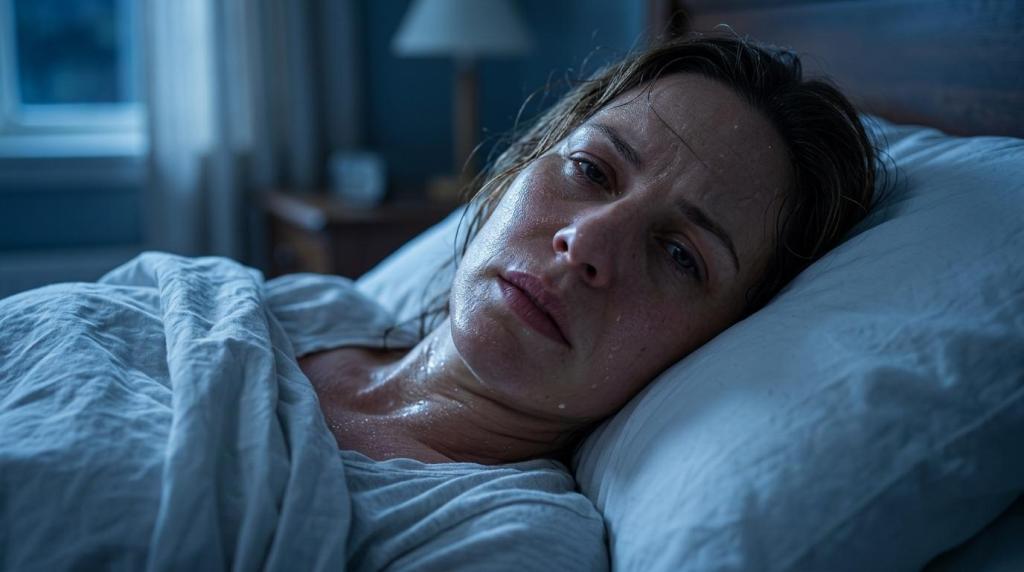
A typical example looks like this: a woman in her early 50s starts waking around 2 a.m. soaked from a hot flash, then struggles to fall back asleep because the sheets feel humid and heavy. A targeted bed fan like bFan can help dry that microclimate under the covers faster, so she is not waiting for the whole room to cool down again.
"bFan Bed Fan uses room-temperature air, not refrigerated air, and bFan materials put average energy use at about 18 watts."
A bedroom can be set to a reasonable temperature and still feel too warm once bedding traps your body heat. That is why the bFan bed fan is useful for people who say, "The room is fine, but the bed is miserable." By moving air through the sheets, bFan helps heat evaporate off the skin instead of collecting around your legs, back, and torso.
Published research supports the general concept of local cooling during sleep. In hot conditions, local body cooling improved thermal comfort and sleep quality in a randomized controlled trial, with mean sleep efficiency increasing from 84.6% without cooling to 95.3% when both the back and head were cooled (PubMed study on local body cooling and sleep efficiency). The study design is not identical to a bed fan, but the takeaway is relevant: targeted cooling where the body feels heat can matter.
"Many bFan Bed Fan users can raise the thermostat by about 5°F and still feel cooler under the covers."
That translates into benefits you notice night after night. You may wake less often, spend less time kicking off blankets, and stop overcooling the entire house just to make the bed tolerable. Sleep experts commonly recommend a bedroom temperature around 60°F to 67°F for good sleep, and many bFan users find they can edge the room temperature up by about 5°F while still sleeping cool because the airflow is working directly inside the bed.
The bFan bed fan is not a general fan pointed at your face. It is a purpose-built bed cooling system with features chosen to make under-sheet airflow easier to live with every night.
The bFan bed fan also works best with the right bedding. Tighter-weave sheets usually help the airflow travel across the body more effectively, which can improve how quickly heat is carried away.
Some shoppers looking at Breezel alternatives are also comparing BedJet. If that is you, the cost difference is worth knowing up front. A dual-zone BedJet setup costs more than twice the price of two bed fans.
The bFan bed fan takes a simpler path. Neither bFan nor BedJet cools the air itself. They both use the cooler air already in your room. The difference is how much you spend to get targeted airflow into the bed and how practical the setup feels for nightly use.
The bFan bed fan has also been in this category for a long time. The original bFan was invented in 2003, several years before BedJet was even thought of. For buyers, that matters because you are not choosing a brand that arrived late to the idea of bed airflow. You are choosing a long-standing category pioneer that has kept refining how under-sheet cooling works.
The bFan bed fan is usually a strong fit when your main problem is trapped heat under the covers, not a need to refrigerate the whole room. It is especially relevant if you relate to any of these situations:
If your symptoms have changed suddenly, or if night sweats come with other concerning symptoms, start with your doctor. The bFan bed fan is a sleep-comfort product. It is not a substitute for medical evaluation.
Most people get the best experience when they treat bFan as a bed microclimate tool, not a room cooler. The goal is to move the room's cooler air across the body under the sheets.
Here are a few practical setup tips:
If you want to keep researching night sweats, bed cooling, and targeted airflow before you buy, these pages are a good place to start.
The bFan bed fan product details
See how bFan directs air between the sheets and review the design details behind its airflow, quietness, and stability.
bFan testimonials
Read how customers describe sleep comfort, night sweat relief, and lower AC use in their own words.
Hyperhidrosis and night sweating solution
A practical Bedfan.com article on why moving dry air against damp skin can feel cooler and help with heavy nighttime sweating.
Night sweats content on Bedfan.com
Browse additional Bedfan.com articles focused on common causes of night sweats and sleep-disrupting overheating.
PubMed study on airflow, sleep quality, and thermal comfort
Academic research showing that whole-body airflow can help preserve sleep quality and thermal comfort in warmer conditions.
National Cancer Institute guidance on hot flashes and night sweats
Useful for people dealing with cancer treatment or hormone-related symptoms who need medically reviewed background on night sweats and hot flashes.
If you want a Breezel bed fan alternative that targets trapped heat where it actually interrupts sleep, take a closer look at the bFan bed fan. You will see exactly how it fits at the foot of the bed, how the airflow is delivered between the sheets, and whether a single or dual-zone setup makes the most sense for your nights.
This is not medical advice. Always consult your doctor or oncology team before making changes to how you manage night sweats, overheating, medication side effects, menopause symptoms, or any condition that affects sleep.
The bFan sits at the foot of your bed and sends a quiet stream of air under your sheets. Direct airflow helps stop sweat before it starts, and one bFan costs less than half the price of one BedJet, making it the less expensive alternative. Shop the bFan at bedfans-usa.com