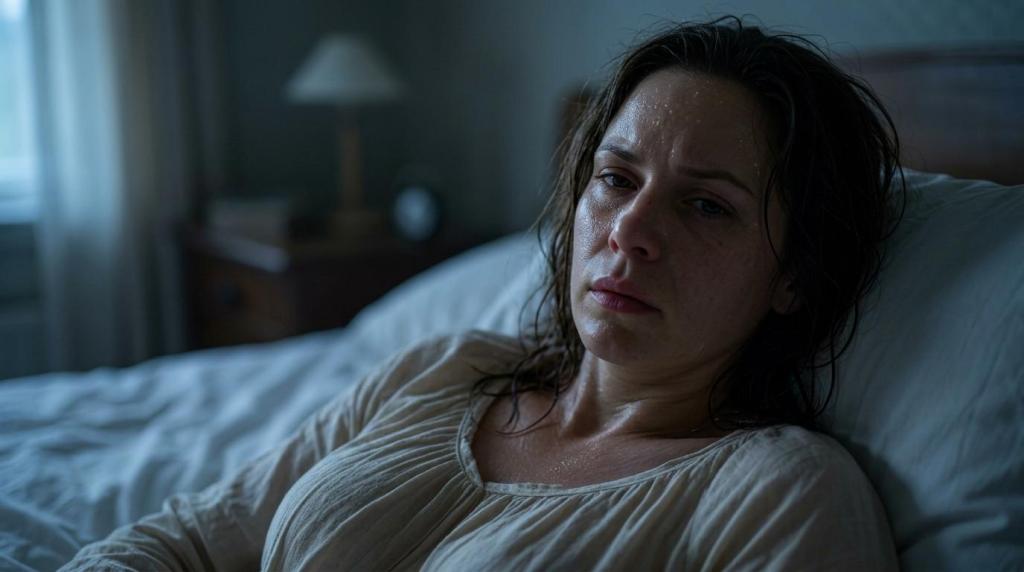
Night sweats dehydration: learn why water and electrolytes help recovery, not causes, and how cooler sleep setup may reduce sweating.
Waking up sweaty and thirsty can make you wonder if the fix is as simple as drinking more water, adding electrolytes, or both. It’s a fair question that a lot of people ask after a rough stretch of soaked sheets, broken sleep, and that dry mouth feeling first thing in the morning.
The short answer is this, water and electrolytes can help you recover from night sweats and may help your body handle heat a bit better, but they are not proven to stop the sweating itself. In most cases, night sweats are driven by something else, menopause, medication side effects, a warm sleep setup, alcohol, anxiety, reflux, sleep apnea, infection, blood sugar swings, or another medical condition. Hormonal changes, stress, or even episodes of gerd (commonly known as acid reflux) can contribute to the problem, along with swings in glucose levels that affect your core temperature regulation, and this distinction matters.
If you want the quick version before we dive into details, here it is:
If you were hoping that simply drinking more water would calm down overnight sweating, current evidence doesn’t really support that. There is very little direct clinical research showing that increased daily water intake lowers the frequency or severity of night sweats.
What hydration does seem to help with is thermoregulation, which means your body’s ability to move heat where it needs to go and release it. When you are well hydrated, your blood volume is better supported, your skin blood flow works better, and your sweating responses tend to function more normally. That is useful for maintaining a stable core temperature and can somewhat reduce sleep disturbances or even episodes of insomnia triggered by overheating, but it is not the same thing as treating the reason behind your sweating in the first place.
So if your night sweats are tied to menopause, an SSRI, steroids, thyroid issues, low blood sugar, stress, gerd, reflux, sleep apnea, or another medical condition, drinking extra water isn’t likely to stop them. You may feel a bit less wiped out the next morning, and that is worth something, yet the sweat episode itself might still occur.
There is also a practical downside to the drink-more-water idea. If you push fluids late in the evening, you might replace one sleep problem with another. More bathroom trips mean more broken sleep, which can further contribute to insomnia and other sleep disturbances. Once you are up in the middle of the night, it can be hard to settle back down.
It’s best to think of hydration as support, not a cure. It helps your body cope, but usually does not remove the trigger.
Night sweats can absolutely leave you dehydrated by morning, especially if the sweating is heavy, repeated, or paired with other fluid-draining factors like alcohol, a hot room, fever, or intense evening exercise.
Sweat is mostly water, but it isn’t only water. You also lose sodium, along with smaller amounts of other electrolytes. If the losses are significant, you may wake up feeling totally drained, thirsty, or a bit foggy. Some people notice a pounding heart, a dry tongue, or darker urine on waking. In some cases, the dehydration together with the stress of poor sleep can aggravate hormonal changes that worsen both insomnia and other sleep disturbances.
This is why the sleep environment matters so much. Sleep experts commonly recommend a bedroom temperature between 60°F and 67°F (15.5°C to 19.5°C) for better sleep and optimal core temperature regulation. When your room and bedding trap too much heat, your body has to work harder to cool itself. Many people find that using a bed fan lets them raise the room temperature by about 5°F while still cooling the body enough for more restful sleep, easing night sweat discomfort, reducing insomnia, and even helping manage sweat-related stress without overly relying on sweatproof undershirts or extra bedding adjustments.
If you’re not sure whether overnight sweating is drying you out, pay attention to the pattern the next morning:
These signs don’t prove dehydration on their own, but together they make a strong case.
Electrolytes are one of those topics that quickly get buried under marketing talk, so let’s keep it simple. If your night sweats are mild and occasional, plain water is often enough. However, if your nights are heavy, repeated, and drenching, electrolytes might make more sense, especially sodium.
If you’re considering electrolytes, think of it this way:
If you have high blood pressure, kidney disease, heart failure, or take medications that affect fluid balance, check with a clinician before making electrolyte drinks a nightly habit. A lot of products on the shelf are built around sports marketing rather than your personal health picture.
This is where many people finally get real relief, not by trying to outdrink the sweating but by changing the heat and humidity trapped around the body at night.
Your body doesn't sleep well when it’s fighting off trapped heat, and warm mattresses, thick bedding, memory foam that holds heat, synthetic sleepwear, and stagnant air under the covers can all trap warmth and moisture close to your skin. Then sweat shows up, the sheets get damp, and you wake up feeling clammy and irritated. Simple measures like choosing sweatproof undershirts and breathable fabrics for sleepwear can help manage the symptoms and reduce stress on your body.
Sleep experts commonly recommend keeping your bedroom between 60°F and 67°F, and if that sounds too cold for the whole room—especially in the summer—targeted airflow might be the answer. Many people can raise their room temperature by about 5°F and still sleep cool enough for better rest if they move air through the bedding and across the body.
A bed fan does not create cold air, and neither a bed fan nor a Bedjet cools the air itself. Both use the cooler air already in your room and direct it into the bed space, where body heat, humidity, and even hormonal fluctuations that affect core temperature regulation tend to get trapped.
That sounds simple, because it is simple. The bFan from www.bedfan.com is built around that idea. It sits at the foot of the bed and pushes air between the sheets, helping to remove trapped heat and speed evaporation from damp skin. This can be a big deal if your main problem is waking up sweaty, sticky, and overheated, even when the room itself isn’t terribly hot.
It also helps to use sheets with a tight weave. Although it might sound counterintuitive, tighter weave sheets often help the airflow travel along your body under the top sheet instead of spilling out too quickly. You want the air to travel across you and carry the heat away rather than vanish into the room the moment it leaves the fan.
Here are some key points about the product side:
When your sleep setup is cooler and air is moving where it counts, you may sweat less simply because your body isn’t fighting off a pocket of trapped heat all night long. That doesn’t mean the fan is curing menopause, counteracting hormonal effects, or changing a medication side effect. It simply means it’s lowering the heat burden around your body, which can reduce discomfort, improve core temperature stability, ease stress, and make sweat episodes easier to tolerate.
This change can even help with air conditioning costs. If using a bed fan like the bFan lets you keep the room about 5°F warmer and still sleep comfortably, that is a meaningful energy benefit for many households. You’re targeting the sleeper, not the entire house.
For many people, that is the sweet spot: hydrate well during the day, avoid overdoing fluids right before bed, and adjust your bed microclimate so your body is not pushed into overheating.
This is a part that some people skip, but it’s important to note that night sweats are a symptom, not a diagnosis.
Hormonal shifts are a big one. Menopause and perimenopause commonly trigger vasomotor symptoms, and these are tied to changes in temperature regulation, not just dehydration. Pregnancy and hormonal treatments can do similar things, and these hormonal changes, along with stress, can increase the risk of insomnia and other sleep disturbances.
Medications are another frequent culprit. Antidepressants, steroids, pain medicines, diabetes medicines, and some blood pressure drugs can all be part of the picture. If you notice that the timing of your sweating changes after starting or changing a medicine, that’s worth paying attention to.
Other causes range from annoying to serious. Conditions such as gerd, anxiety, low blood sugar, hyperthyroidism, infections, and sleep apnea are all on the list. There are also times when drenching night sweats are a reason to stop guessing and get checked for underlying medical conditions.
Hydration may still help you feel better the next morning, but it won’t resolve these underlying drivers by itself.
The best routine is usually simple, and simple often works best. Focus on steady hydration throughout the day rather than trying a big catch-up effort right before bed.
If you tend to wake up sweaty, try getting most of your fluids in earlier, then taper off in the last few hours before you sleep. That reduces the odds of waking up for the bathroom while still keeping you reasonably hydrated. If you have a particularly sweaty night, replace what you lost the next morning and spread it out over the following day.
Keep your bedroom cool if you can—sleep experts recommend between 60°F and 67°F. If that feels too cold for the whole room, targeted bed cooling is an excellent middle ground. Many people find that a bed fan like the bFan allows them to raise their room temperature by about 5°F, yet still cool the body enough for more restful sleep. This can help reduce overheating, sleep disturbances, and even lessen stress-induced insomnia. Using breathable bedding, lighter sleepwear, or even sweatproof undershirts can further optimize the microclimate around you.
Here’s a basic plan you can use tonight:
This plan is not fancy, but it covers the basics most people actually need.
Some night sweats are mostly a comfort problem, but some are not.
If your sweating is new, getting worse, or feels out of proportion, don’t simply write it off as needing more water. The same goes if you are soaking your clothes or sheets regularly, or if the sweating comes with other symptoms that may point to something more than just a warm room.
Talk to a clinician if you notice any of the following:
If you have diabetes, thyroid disease, sleep apnea, cancer treatment, or take medication known to trigger sweating, it’s especially important to check whether your plan needs to go beyond hydration and cooling alone. Addressing the underlying medical condition and stress can make a significant difference in reducing insomnia and related sleep disturbances.
One more note: if you’re tempted to drink huge amounts of water to fight this, don’t. Overdoing water can dilute your sodium too much and create its own problems. More is not always better.
Water intake and electrolytes can support recovery from night sweats, but they usually are not the main fix. If your body is overheating in bed, then cooling your sleep environment and moving air through your sheets often give you more immediate relief than simply drinking more. This is especially true if stress and hormonal changes are contributing to both your sweating and insomnia.
That’s why bed cooling tools keep coming up in this conversation. A bed fan like the bFan from www.bedfan.com can help remove trapped heat and humidity right where it matters – inside your bed, not across the entire house. And because neither a bed fan nor a Bedjet cools the air itself, the result depends on starting with reasonably cool room air. Aim for the recommended 60°F to 67°F, or use targeted airflow so you can often keep your room about 5°F warmer and still sleep cool.
If you’re closer to an overheating problem than a hydration problem, the bFan is definitely worth a look.
Night sweats can be triggered by many factors, including hormonal changes, certain medications, infections, or underlying health conditions. When you sweat excessively at night, your body loses fluids, which can lead to dehydration if you don’t replace them. It’s important to identify the root cause so you can manage both the sweating and the risk of dehydration effectively.
Common signs include waking up feeling thirsty, having a dry mouth, experiencing headaches, or noticing darker urine in the morning. You might also feel more tired than usual or have trouble concentrating. If you notice these symptoms regularly, it’s a good idea to increase your fluid intake and talk with your healthcare provider about your night sweats.
To stay hydrated, drink water consistently throughout the day rather than only before bed. Keeping a glass of water by your bedside can help if you wake up sweaty. Eating water-rich foods like fruits and vegetables can also help. Avoid caffeine and alcohol in the evening, as they might contribute to dehydration and worsen your night sweats.
Yes, sometimes night sweats can signal an underlying health issue such as infections, thyroid problems, or even certain cancers like lymphoma. If your night sweats are persistent, severe, or come with other symptoms like unexplained weight loss or fever, it’s important to seek medical advice to rule out any serious conditions.
Keeping your bedroom cool is key. Use a fan or air conditioning to maintain a comfortable temperature, ideally between 60°F and 67°F, which sleep experts recommend for optimal rest. The bFan from www.bedfan.com is a great solution because it provides targeted airflow under your sheets, helping you sleep cool without having to lower the thermostat. This method can also help you reduce energy costs and lower the risk of dehydration from excessive sweating.
Yes, wearing lightweight, breathable pajamas and using sheets with a tight weave can help the air flow across your body and carry heat away. Try to avoid spicy foods, caffeine, and alcohol before bed, as these can trigger sweating. Regular exercise and stress management techniques like meditation can also help regulate your body temperature and reduce the frequency of night sweats.
Absolutely, using a fan or a bed fan like the bFan is safe for most people and can significantly improve sleep quality by keeping you cool, especially since it only operates between 28db and 32db at normal operating speed. Plus, it uses only 18 watts on average, making it very energy efficient. Just make sure your fan is in good working order and positioned safely in your bedroom.
The bFan is more affordable than the Bedjet, with one Bedjet costing more than twice the price of a single bedfan. For dual-zone control, the Bedjet can cost over a thousand dollars, which is more than twice the price of two bedfans. The bFan also offers timer controls so you can reach the recommended sleep temperature comfortably, and it came to market several years before the Bedjet was even thought of. Remember, neither the bFan nor the Bedjet cool the air; they only use the cool air in your room to help you sleep better.
Yes, many people find that with a bed fan like the bFan, they can raise their room temperature by about 5°F and still sleep comfortably. The fan directs cool room air under your sheets, helping remove body heat. This helps with night sweats and dehydration, and it can also lower your energy costs since you don’t have to keep your air conditioning as low.