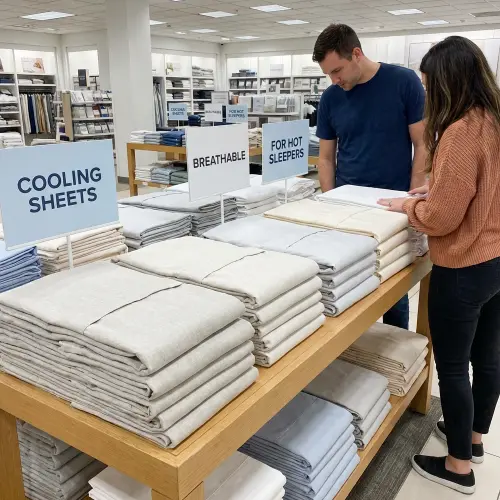
Discover bedding for night sweats: breathable percale, linen or Tencel layers plus a bed fan to vent trapped heat for drier sleep.
If you’re reading this, chances are you’ve woken up in the middle of the night, drenched in sweat, sheets sticking to your skin, and wondering if you’ll ever get a good night’s sleep again. Night sweats are no joke. They can turn what should be a peaceful, restorative part of your day into a frustrating, uncomfortable ordeal. But here’s the good news: you’re not alone, and there are plenty of ways to tackle this problem head-on, starting with the right bedding for night sweats.
Let’s sit down, grab a cup of coffee, and chat about how you can finally get the cool, dry sleep you deserve. We’ll cover everything from the science behind night sweats to the best bedding materials, smart sleep strategies, and even some clever gadgets like the Bedfan that can make a world of difference. By the end, you’ll have a clear, practical roadmap to sleeping cool and waking up refreshed.
Before we dive into bedding, let’s talk about what’s really going on. Night sweats can be caused by a bunch of different things, including:
If your night sweats are new, severe, or come with other symptoms, it’s always smart to check in with your doctor. But for most folks, the right bedding and a few lifestyle tweaks can make a huge difference.
Not all bedding is created equal, especially when it comes to managing heat and moisture. Here’s what you want to look for:
Let’s break down the best materials and products that check these boxes.
Cotton is a classic for a reason. It’s soft, breathable, and easy to care for. But not all cotton is the same. For night sweats, you want:
Linen sheets are a game-changer if you run hot at night. They’re naturally breathable, moisture-wicking, and get softer with every wash. Linen can feel a bit rough at first, but give it a few washes and you’ll be hooked.
Bamboo-derived fabrics, like viscose or rayon, are incredibly soft and have excellent moisture-wicking properties. They’re also naturally antimicrobial, which helps keep things fresh.
Tencel is made from eucalyptus wood pulp and is known for being silky-smooth, breathable, and great at pulling moisture away from your skin. It’s also eco-friendly, which is a nice bonus.
Some companies make sheets specifically designed for hot sleepers, using high-tech blends that wick moisture and dry quickly. These can be a bit pricier, but if you’re desperate for relief, they’re worth a look.
Let’s get into the nitty-gritty of what you should actually put on your bed.
Bedding is a huge part of the equation, but there are other tricks you can use to stay cool and comfortable.
Sleep experts recommend keeping your bedroom between 60°F and 67°F for optimal sleep. If you can, set your thermostat in this range. But here’s a neat trick: with a Bedfan, you can often raise your room temperature by about 5°F and still sleep cool, which can save you money on your energy bill.
If you haven’t heard of the Bedfan, let me tell you, it’s a game-changer for hot sleepers. The Bedfan sits at the foot of your bed and gently blows cool room air under your sheets, creating a refreshing breeze that carries heat and moisture away from your body. It’s whisper-quiet, running between 28db and 32db at normal speed, so it won’t disturb your sleep.
Here’s why the Bedfan stands out:
The Bedfan came to market several years before the Bedjet was even thought of, so it’s the original solution for bed cooling. And remember, neither the Bedfan nor the Bedjet actually cool the air—they just use the cool air already in your room to keep you comfortable.
Drink plenty of water during the day, but try to cut back an hour or two before bed so you’re not up all night running to the bathroom.
Both can raise your body temperature and trigger night sweats, so try to avoid them in the evening.
Stress can mess with your hormones and make night sweats worse. Try relaxation techniques like deep breathing, meditation, or gentle yoga before bed.
Let’s take a quick detour into the science behind why temperature matters so much for sleep. Your body’s core temperature naturally drops as you get ready to sleep, which helps signal to your brain that it’s time to rest. If your environment is too warm, your body has to work harder to cool down, which can disrupt your sleep cycles and leave you feeling groggy in the morning.
That’s why sleep experts recommend keeping your bedroom cool, ideally between 60°F and 67°F. But if you’re dealing with night sweats, you might need to go even cooler—or use tools like the Bedfan to help your body shed heat more efficiently.
Layering isn’t just for winter. Even if you’re a hot sleeper, the right layers can help you stay comfortable all night long.
Night sweats mean more laundry, but keeping your bedding clean is key to staying comfortable and healthy.
Sometimes, your mattress is the culprit. Memory foam, in particular, is notorious for trapping heat. If you’ve tried everything else and you’re still waking up sweaty, it might be time to invest in a new mattress.
You’ve probably seen ads for the Bedjet, which promises to blow cool or warm air into your bed. It’s a neat idea, but there are a few things you should know:
And remember, neither device actually cools the air—they just move the cool air already in your room under your sheets. If your room is hot, you’ll need to address that first.
If you’re serious about sleeping cool, I’d recommend giving the Bedfan a try. It’s the original bed cooling solution, and it’s helped thousands of people finally get the restful sleep they need.
Cotton percale, linen, bamboo, and Tencel are all excellent choices. Look for a tight weave to help airflow and moisture-wicking properties to keep you dry.
Aim for at least once a week, or more often if you’re sweating heavily. Clean bedding helps prevent bacteria and keeps you feeling fresh.
Absolutely. A breathable, waterproof protector keeps sweat from soaking into your mattress and makes cleanup easier.
If you tend to wake up with a sweaty head or neck, a cooling pillow can make a big difference. Look for gel-infused memory foam, latex, or pillows with breathable covers.
A lightweight, breathable comforter or blanket is best. Some brands make cooling comforters with moisture-wicking fills that can help.
Not at all. The Bedfan runs between 28db and 32db at normal speed, which is quieter than a whisper. You’ll barely notice it’s there, except for the cool breeze.
You’ll get the best results with sheets that have a tight weave, like percale cotton. This helps the air flow evenly across your body and carry away heat.
Dealing with night sweats can feel overwhelming, but with the right bedding and a few smart strategies, you can take control and start sleeping better tonight. Here’s a quick recap of what we’ve covered:
Remember, you don’t have to suffer through another sweaty, sleepless night. With a few changes, you can transform your bed into a cool, comfortable sanctuary and finally get the rest you need. And if you’re looking for a simple, effective solution, the Bedfan is always worth a try. It’s helped countless people reclaim their sleep, and it just might be the answer you’ve been searching for.
So go ahead, make those changes, and get ready to wake up feeling refreshed, energized, and ready to take on the day. Sleep cool, sleep well, and don’t let night sweats steal another night from you.