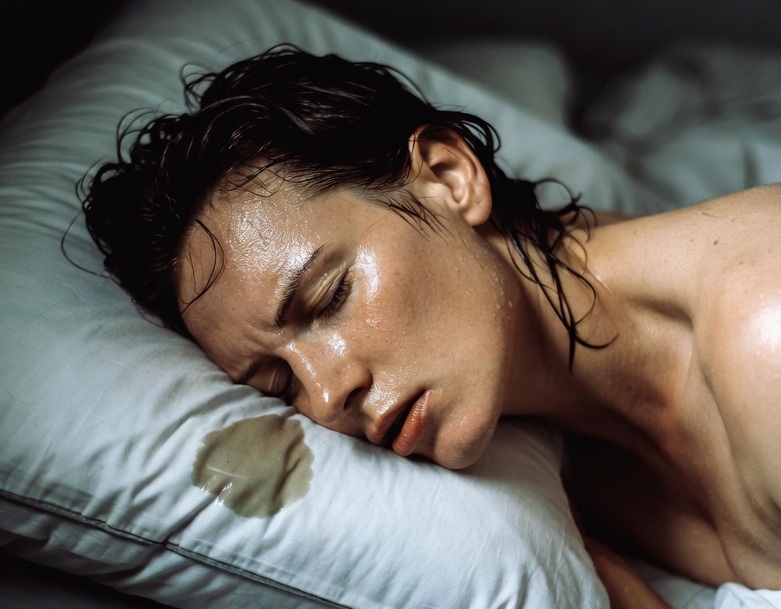
Memory foam sleeping hot solution: a quiet under-sheet bed fan flushes trapped heat and humidity, cooling your sleep zone without a new mattress.
Memory foam can feel like the perfect mix of support and pressure relief, right up until 2:00 a.m. when the “hug” turns into heat buildup. If you love the feel of viscoelastic foam but wake up sweaty, restless, or repeatedly kicking off the covers, consider using cooling pillows or adjusting the comfort layer as a way to cool the sleep zone without shopping for a new mattress.
bFan Bed Fan systems are designed to move room-temperature air through the space where your body actually feels heat: the trapped microclimate between you, the sheets, and the foam. That targeted airflow can make memory foam far more comfortable, even during night sweats or seasonal heat.
Memory foam is intentionally insulating. Its polymer structure and air pockets slow heat transfer, so warmth does not dissipate quickly. Published thermophysical data places polyurethane foam thermal conductivity around 0.048 to 0.050 W/m·K, which helps explain why the surface can feel warm once it has absorbed body heat.
Exploring various sleep solutions can be crucial for those who find themselves struggling with overheating on memory foam mattresses. While bed fans and cooling pads provide immediate comfort, sometimes the solution lies in adjusting sleep habits and environment. Incorporating breathable sheets, setting a consistent sleep schedule, and even considering dietary changes can contribute to a cooler, more restful sleep experience. It's often a combination of these solutions that results in optimal sleeping conditions.
The “conforming” behavior also matters. As the foam softens, you sink in, increasing skin contact area and reducing natural airflow around the body. That combination makes the bedding microclimate warmer and often more humid, which can feel even hotter than temperature alone.
It is rarely the whole bedroom that is the problem. The issue is the small pocket of warm, moist air trapped under the covers, right where your skin is trying to cool itself.
A bed cooling fan does not refrigerate the air. It replaces stagnant, warmed air under the sheets with gently moving room air, supporting convective and evaporative cooling. That is the same physics behind why a light breeze feels cooler than still air at the same temperature.
On memory foam, this approach is especially valuable because it compensates for the foam’s low breathability. Instead of waiting for the mattress to “cool down,” you continuously evacuate heat and humidity from the bedding space as you sleep.
Airflow under the top sheet disrupts the warm boundary layer that builds up around the body. With a steady path for air to enter at the foot of the bed and travel upward, you can feel cooler quickly, even when the foam itself remains warm to the touch.
bFan Bed Fan personal bed-cooling fans are built to deliver airflow between the sheets, right where memory foam tends to trap heat. The system sits at the foot of the bed and uses a low-profile outlet that tucks under the top sheet to guide air into the bed, instead of letting it spill into the room.
The current bFan design focuses on quiet power and control. It uses efficient blower technology to create meaningful airflow and static pressure while keeping energy use low. Many sleepers run it at a modest setting and still get noticeable relief, which matters if you are sensitive to noise or share a bedroom.
After the system is placed and the sheets are tucked, you can fine-tune comfort from bed with simple controls.
Hot sleepers on dense foam, people dealing with night sweats, and anyone whose sleep is disrupted by overheating often notice benefits quickly, because airflow addresses the exact point of discomfort, especially when combined with bedding made from natural fibers like bamboo to enhance breathability.
Most people notice the effect fastest when they get the airflow path right, especially when incorporating cooling technology to manage heat buildup. You should feel a light movement of air under the sheet, not a draft in your face. The goal is steady microclimate ventilation, not “full blast” wind.
If you share a bed, under-sheet airflow commonly stays on the user’s side because the air follows the easiest path under the covers. That can be helpful when one person sleeps hot and the other does not.
Memory foam responds well to a consistent airflow channel. Small bedding choices can change performance a lot, since anything that blocks air movement reduces cooling at the skin.
Breathable bedding, along with cooling pillows, can significantly enhance the cooling efficiency of your sleep setup. Materials that allow air to flow through them easily can improve comfort, as they prevent the buildup of heat around the body with the help of advanced cooling technology. By opting for breathable sheets made from natural fibers such as cotton, linen, or bamboo, you can ensure a steady flow of air to manage your body temperature more effectively.
Sleep solutions often extend beyond just choosing the right bedding materials. Incorporating specific sleep technology like cooling systems, including bed fans or mattress toppers, can significantly enhance the quality of rest by addressing heat accumulation directly at the source. Many sleepers find that these sleep solutions are crucial for maintaining a comfortable sleep environment, particularly when traditional methods fall short.
Use these practical setup habits to get stronger results:
A bed fan uses room air. If the room is extremely hot or very humid, airflow still helps, but the “headroom” for cooling is smaller. Many sleepers find they can raise the thermostat and stay comfortable, which can reduce overall cooling costs.
Night sweats are not just uncomfortable. They interrupt sleep continuity, push you toward lighter sleep, and can make it hard to fall back asleep once you wake up overheated.
Targeted bed cooling supports the body’s natural nighttime temperature drop by helping remove heat at the skin level. Research on bed cooling and directed airflow in warm conditions links cooler sleep microclimates with better sleep quality metrics, including faster sleep onset and longer total sleep time in overheated rooms. Even when the room cannot be kept “perfect,” improving the bed microclimate can be the difference between broken sleep and sustained rest.
Cooling an entire home to solve a microclimate problem is expensive. A low-watt bed fan shifts the strategy: keep the sleeper comfortable directly, then rely less on aggressive air conditioning.
Because bFan Bed Fan systems are designed for efficient airflow rather than chilling air, they can be run nightly with minimal power draw. Many users also report they can set the thermostat higher and still sleep comfortably, which is often where meaningful savings appear.
If you like your mattress and want relief that works with it, adding a comfort layer mattress topper in conjunction with under-sheet airflow is a direct, practical step. bFan Bed Fan systems focus on removing trapped body heat from bedding, giving memory foam sleepers a cooler, drier sleep zone without changing the support they already enjoy.
If you want help choosing the right height option or dialing in your setup for a thicker foam mattress or topper, bFan Bed Fan support can guide you through a simple fit and placement check.
If you're struggling with sleeping hot on a memory foam mattress, you may find the following frequently asked questions helpful in finding optimal cooling solutions without replacing your mattress.
Memory foam's polymer structure and air pockets make it insulating, slowing heat dissipation and increasing temperature retention.
A bed cooling fan like the bFan Bed Fan circulates air under the sheets, reducing trapped heat and maintaining a comfortable sleep environment.
The bFan system is designed for quiet operation, allowing for a peaceful night's sleep with adjustable speed settings.
Airflow often stays on one side of the bed, thanks to the targeted design, which can be beneficial if only one person sleeps hot.
Tuck the top sheet, use breathable bedding, avoid tight mattress protectors, and start at a low fan setting, increasing as needed.
The struggle of overheated nights on a memory foam mattress can feel unending, but a practical solution is within reach with the bFan Bed Fan.
Designed specifically to combat trapped heat, the bFan directly addresses the microclimate of warm air caught under your covers.
By creating targeted airflow under the sheets, this system prioritizes cooling right where you need it without altering the comfort of your mattress. This makes it ideal for hot sleepers and those dealing with fluctuating temperatures due to various reasons.
In addition to airflow, it’s important that the materials involved are breathable. A breathable bedding setup can significantly improve the effectiveness of solutions like the bFan by allowing air to move freely, further dissipating heat and moisture buildup. Opting for breathable sheets and mattresses ensures that the cooling benefits are maximized, providing an overall more comfortable sleep experience.
The bFan leverages a simple yet effective mechanism to continuously replace stagnant air, ensuring that obstacles like dense foam don’t hinder your sleep quality. Utilizing room air allows this system to offer relief without extensive modifications to your current sleep environment, promoting a cooler, restful night without escalating energy costs.
Consider using a bed fan for effective cooling.
To tackle heat retention from memory foam mattresses, allowing airflow between the sheets or adding a mattress topper can significantly decrease warmth. A bed fan system like the bFan can move cool air through the trapped heat layer, offering relief without replacing your mattress.
The fan operates by directly targeting areas prone to overheating.
Compared to lowering the room's temperature, using a bed fan is energy-efficient. Additionally, creating a comfortable sleep microclimate means your partner’s side remains undisturbed if they don’t experience overheating.
Enhancing the use of a bFan involves keeping bedding breathable, ensuring the top sheet is tucked, and setting the fan to lower speeds initially. This approach maximizes cooling without disrupting sleep quality.
For some hot sleepers, memory foam mattresses can offer comfort, thanks to their supportive nature, yet their insulating properties can also lead to increased heat retention. This can create an uncomfortably warm sleeping environment.
Understanding this, many mattress manufacturers have developed gel-infused or ventilated memory foam options to mitigate heat. However, these alternatives might not completely resolve the issue for everyone.
Moreover, personal preferences and regional climates play a significant role in the overall experience of hot sleepers on memory foam. Utilizing additional cooling methods can be essential.
A practical approach involves using room-temperature airflow solutions, such as a bed fan. The bFan Bed Fan, for example, can enhance airflow under the sheets.
By removing the warm air trapped between the bed layers, a bed fan helps maintain a cooler microclimate, significantly benefiting hot sleepers. This allows for a restful night's sleep without sacrificing the gentle support of memory foam.
Consequently, with the right combination of mattress features and supplemental solutions, memory foam can be suitable for hot sleepers. It provides pressure relief while additional cooling aids address heat concerns.
Memory foam mattresses absorb heat quickly due to their dense structure, causing a warm sleeping experience, especially during warmer months.
Air pockets within the foam’s polymer structure trap heat, especially under the mattress.
When you lie down, the foam adjusts around your body, increasing contact and limiting natural airflow, which exacerbates heat retention. Additionally, the very properties that make memory foam supportive and body-conforming also contribute to its insulating effect.
To counteract this heat buildup, using a bFan bed fan can effectively improve airflow directly under the sheets, dispersing trapped heat and providing a much cooler sleep environment without altering the mattress’s comfort layer. Gentle, targeted airflow can be your memory foam sleeping hot solution by dissipating heat through the bFan's continuous air circulation, offering immediate relief to your sleeping discomfort.
Cooling a memory foam bed with cooling pillows can significantly enhance sleep comfort, especially if you're feeling too warm during the night. Strategically improving air circulation can reduce the heat trapped within the bedding microclimate.
An effective solution is integrating a bFan or bed fan system, which circulates air under the sheets using advanced cooling technology. This innovation reduces trapped warmth without altering the mattress's support.
Consider using breathable bedding materials that facilitate airflow. Cotton sheets and blankets can enhance the cooling effect by allowing more air to pass through.
Elevating the bed frame slightly to allow for more airflow underneath can also be beneficial. This encourages heat dispersion from the bottom of the mattress.
Balancing room temperature with efficient cooling gadgets like a bed fan can help maintain a consistent sleep microclimate. By focusing on the space where heat accumulates, your sleeping environment becomes much more comfortable.
Overall, it's crucial to target the specific areas where heat builds up. Specialized options like bed fans provide a practical, energy-efficient approach to enhancing memory foam comfort.