Do SSRI night sweats go away? Often yes within weeks. Learn the timeline, warning signs, and simple ways to sleep cooler.
Night sweats that begin after a new selective serotonin reuptake inhibitor (SSRI) can feel unsettling. The short answer is yes, SSRI night sweats often do go away, at least partly, after your body adjusts and begins the recovery process. Still, not everyone follows the same timeline. Some people improve within a couple of weeks, some notice sweating each time the dose changes, and some need a medication review because the symptom sticks around.
Medications, including anxiety medication, play a significant role in managing various conditions, but they can also contribute to night sweats as a side effect, especially during menopause. It's essential to have open discussions with your healthcare provider about all current medications to determine if they may be contributing to your symptoms. In some cases, switching to a different medication or adjusting the dosage might help alleviate the sweating.
This is not medical advice. Always consult your doctor, psychiatrist, or oncology team before making changes to any antidepressant. Do not stop an SSRI suddenly unless a licensed clinician tells you to.
Menopause is another factor that can contribute to night sweats. While it is a natural biological process, the transition into menopause can disrupt many aspects of a woman's life, including sleep. The hormonal changes experienced during menopause, particularly fluctuations in estrogen, often lead to symptoms such as hot flashes and night sweats. Understanding whether night sweats result from medication, menopause, or a combination of factors is crucial in addressing the issue effectively.
Often, yes. Many medication side effects are most noticeable early on, when the brain and body are adapting. Excessive sweating is one of the better known SSRI side effects, and it may show up as clammy sleep, damp sheets, waking hot, or full drenching sweats.
There is solid evidence that antidepressants can raise sweating risk. A 2017 meta analysis of placebo controlled trials found that second generation antidepressants increased the risk of hyperhidrosis, and SSRIs had a risk ratio of 2.93 compared with placebo, according to PubMed. That does not mean everyone gets it, or that it lasts forever. It means the connection is real.
What matters most is the pattern. Mild sweating that starts soon after beginning an SSRI may settle. Sweating that appears after a dose increase can also calm down again. But if you are still waking drenched week after week, it is time to bring it up with the prescriber instead of waiting it out on your own.
SSRIs affect serotonin signaling, and serotonin influences far more than mood. It also affects body temperature regulation, sleep, and sweating. That is why some people feel warmer overall, sweat more during exercise, or wake in the middle of the night soaked.
Nighttime can make the problem feel worse because heat gets trapped under bedding. Your body naturally shifts temperature during sleep, and a warm sleep environment can tip a manageable side effect into a miserable one. If the bedroom is already warm, or your sheets hold heat, the sweating can snowball.
After helping thousands of hot sleepers since 2005, one pattern comes up again and again. People often do better when they cool the air pocket under the sheets, not just the entire room.
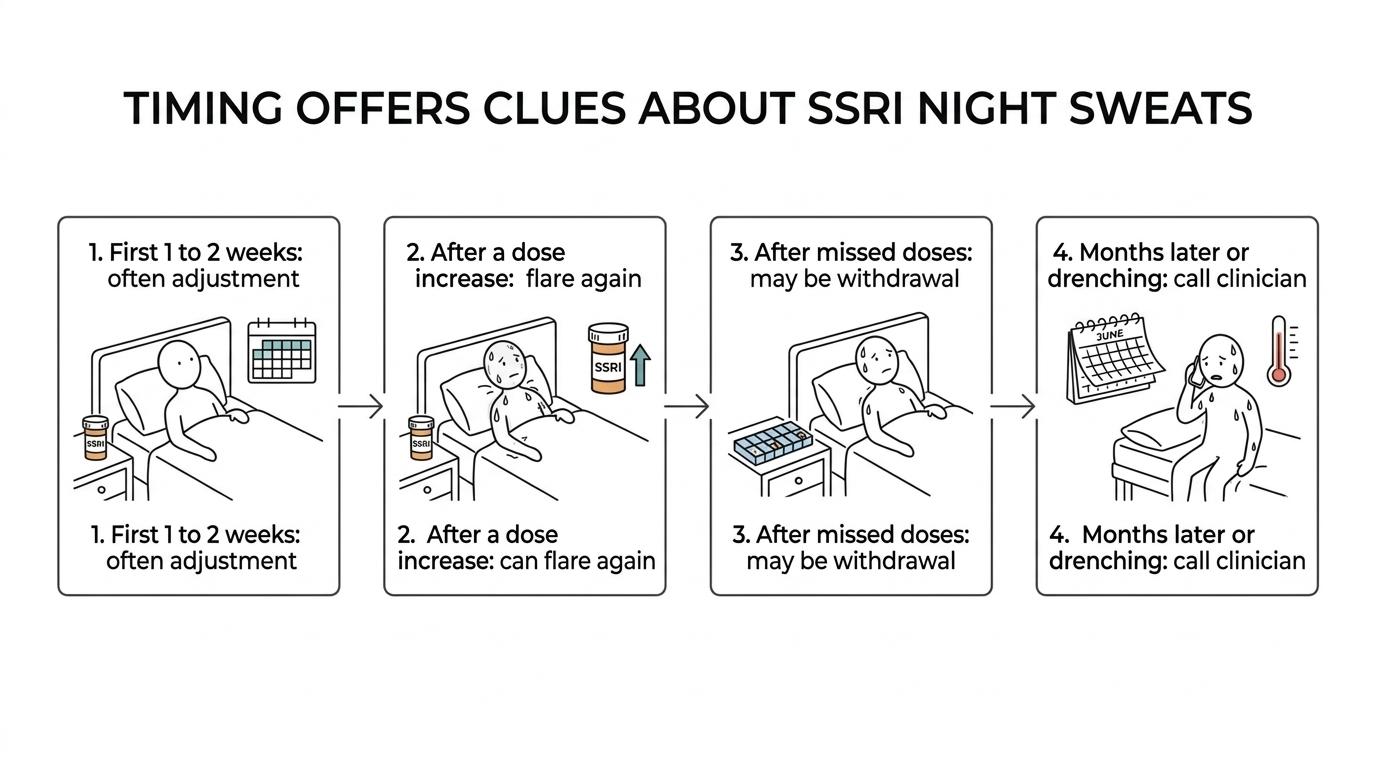
There is no single clock for this side effect, but a few patterns are common. A lot of people want to know whether they should worry on night three, week three, or month three. The timing can offer clues, though it cannot give a diagnosis by itself.
A practical way to think about it is this:
Withdrawal matters here. People sometimes try to fix night sweats by stopping the medication abruptly, then the sweating gets worse. That can happen because sweating may also be part of SSRI withdrawal symptoms. If you are tapering, or have missed several doses, tell your clinician exactly when the sweating started.
The research is not perfect, but it is useful. Beyond the large meta analysis, an older adult primary care study found SSRIs were associated with night sweats even after adjusting for age and sex, with an odds ratio of 3.01, according to PubMed. That study also found other medicines were linked to night sweats, which is a good reminder that medication lists need a full review.
There is also published guidance on what happens when the sweating does not settle. A review in PubMed described antidepressant induced sweating as a management problem, not an automatic reason to stop treatment. In selected cases, clinicians may consider options like benztropine or cyproheptadine, if appropriate and if there are no contraindications. That is a medical decision, not a self treatment project.
A separate safety issue is serotonin syndrome. It is uncommon, but it can be serious. If excessive sweating comes with agitation, confusion, a very fast heartbeat, shaking, diarrhea, muscle twitching, or high fever, prompt recovery requires urgent medical help. The Mayo Clinic overview of serotonin syndrome is a good summary of the warning signs.
One anonymized example may sound familiar.
A woman in her early forties started sertraline for anxiety and began waking up damp on night four, potentially experiencing symptoms related to menopause. No fever, no cough, no weight loss, no daytime illness. By week two, she was still sweating, but less intensely. She kept a fan under the sheets, switched to tighter weave cotton bedding, and moved the room temperature into the mid sixties. By week three, the sweats were annoying, not overwhelming, and she chose to stay on the medication with her prescriber watching it.
Another person had a different pattern; in his case, underlying diabetes was eventually diagnosed, which contributed to his symptoms. He had been fine for months, then his dose increased and the night sweats became drenching. That did not fade. A medication review helped, and so did ruling out other causes. Same symptom, different meaning.
Medications, especially certain antidepressants like SSRIs, are often culprits when it comes to night sweats, and experiencing SSRI side effects can significantly impact daily life. These medications can alter the body's thermoregulatory pathways, leading to excessive sweating during sleep. Understanding the potential side effects of any medication is crucial for effective management, and night sweats are just one example of how medications can impact the body's natural processes.
Menopause can also be a significant factor contributing to night sweats in women. During menopause, fluctuating hormone levels often lead to changes in the body's temperature regulation. This can result in sudden and intense night sweats or hot flashes that disrupt sleep. Understanding whether menopause might be the underlying cause of night sweats is crucial, as it may require a different approach to management compared to medication-induced symptoms.
If your doctor wants you to stay on the SSRI for now, especially when starting or adjusting anxiety medication, symptom control matters. You do not need to white knuckle your way through ruined sleep while you wait to see whether things improve.
A few simple steps can make the nights less miserable:
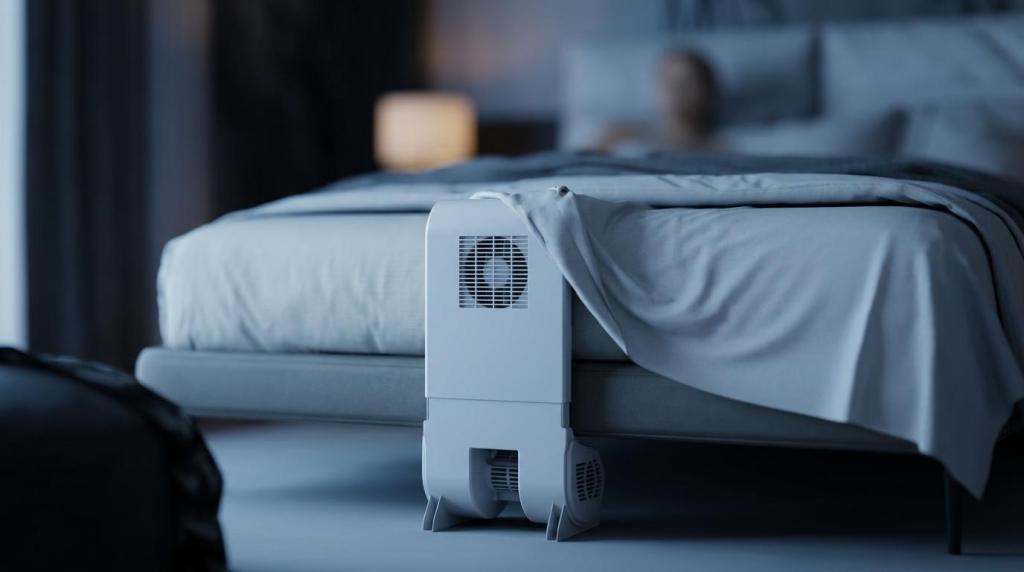
The bedding piece matters more than most people think. Tight weave sheets help air move across the skin and carry heat away instead of letting it leak out too fast or get stuck in puffy fabric. If your bed traps heat, a Bedfan or bFan can be a very practical, non drug option because it pushes the cooler room air already in the bedroom under the top sheet, where the sweat and heat are building up. It does not cool the air itself, and neither does Bedjet. Both use the cool air already in the room.
This is also where bedroom temperature for sleep comes in. Sleep experts commonly suggest a room around 60°F to 67°F for better sleep. Many people using a Bedfan find they can raise the room temperature by about 5°F and still feel cool enough under the covers, because the airflow targets the body instead of the whole house. That can matter if air conditioning costs are climbing, or if a bed partner hates a freezing bedroom.
The bFan helps with the specific problem of trapped heat under bedding. It is quiet enough for many light sleepers, around 28 to 32 dB at low settings, and the remote and timer controls are useful if you tend to wake sweaty at 2 a.m. and just need a timed burst of airflow. If two partners need different setups, using two Bedfans can create dual zone microclimate control at a fraction of the cost of a dual zone Bedjet setup, which runs over a thousand dollars. Two Bedfans cost far less. If you have also looked at premium active mattress systems, the Eight Sleep Pod 5 can cost between 3000 and $6000, which is a very different budget category.
If you want more reading on the Bedfan site, helpful internal pages to add around this topic include Why Do SSRIs Cause Night Sweats, medication related night sweats, menopause night sweats, bedroom temperature for sleep, how to sleep cooler, and ways to cut AC use while sleeping comfortably.
Sometimes the sweating is annoying but harmless. Sometimes it is a clue that something else needs attention.
Please call your clinician if the night sweats are interfering with sleep, pushing you toward stopping your medication, or making you feel faint, dehydrated, or panicky. Also call if the sweating started after a dose change, after adding another drug or supplement, or after missed doses.
Get medical advice sooner if any of these are happening:
That conversation with your doctor can be simple. Tell them when the sweating started, whether it followed a new SSRI or dose change, whether it is damp or drenching, and whether you have any other symptoms. If you can, keep a short one week log.
If you want dependable medical reading on antidepressants, sweating, and warning signs, these are good places to start:
Often, SSRI night sweats improve within the first few weeks. A lot depends on when the medicine was started, how quickly the dose was raised, and how your body handles serotonin related side effects. Mild sweating that begins soon after starting an SSRI may settle as your nervous system adjusts. If it is still disruptive after a few weeks, or if it gets worse instead of better, ask your prescriber to review the dose, timing, the rest of your medication list, and consider ssri side effects as a possible factor.
When experiencing side effects like sweating from SSRIs, such as when starting an anxiety medication, it's essential to review all your medications with your healthcare provider. Certain medications can interact with SSRIs in ways that intensify side effects or lead to additional health concerns. Maintaining an updated list of all current prescriptions, including over-the-counter drugs and supplements, can help your provider to make more informed decisions about your treatment plan.
Yes, they can. Some people do not notice much at first, then develop night sweats after a dose increase, a missed dose pattern, a new interacting medication, or a change in general health. Late onset sweating is one reason not to assume every night sweat has a single cause. A medication can still be the trigger months later, but infections, hormone changes, thyroid issues, and other medicines should also stay on the radar.
No, do not stop it on your own. Stopping an SSRI suddenly can cause withdrawal symptoms, and sweating can be one of them, which can make the situation even more confusing. The safer move is to contact the prescribing clinician, describe the timing and severity, and ask whether the plan should be watchful waiting, a dose change, a switch, or another treatment for the sweating itself.
Cooling the sleep environment and the bed microclimate often helps. Use breathable sleepwear, keep dry clothes nearby, and avoid piling on heavy bedding that traps heat. Many people do best with a bedroom in the 60°F to 67°F range. A Bedfan can help because it moves the cooler room air under the sheets, where sweat builds up, and many users can keep the room about 5°F warmer while still feeling cooler in bed.
Usually not, but they can appear as part of it. Simple SSRI side effect sweating tends to happen without severe whole body symptoms. Serotonin syndrome is more concerning and often includes sweating plus agitation, confusion, fast heartbeat, shaking, muscle twitching, diarrhea, and sometimes fever. If those symptoms appear together, especially after a dose increase or adding another serotonin affecting drug, get urgent medical care.
Yes, withdrawal can absolutely cause sweating. That is why a clear timeline matters. If the sweats started after missed doses, running out of medication, or a rapid taper, the cause may be discontinuation rather than the original side effect pattern. This is one more reason to taper only with medical guidance. The fix may not be changing pajamas or room temperature alone, it may be adjusting the medication plan safely.
As people age, factors like menopause can also contribute to changes in body temperature and sweating, including night sweats. Menopause is a natural biological process that typically occurs in women in their 40s or 50s and can significantly affect the body's regulation of heat. This change can coincide with the use of antidepressants, adding a layer of complexity to understanding the cause of night sweats. In such cases, addressing both the hormonal changes and potentially the antidepressant regimen may be necessary to manage symptoms effectively.
They should be checked sooner if they are drenching, persistent, or paired with other symptoms. Fever, weight loss, swollen lymph nodes, cough, chest pain, shortness of breath, low blood sugar symptoms, diabetes, or severe restlessness should not be brushed off as “just the antidepressant.” Even if an SSRI is part of the picture, it is smart to rule out infection, endocrine problems, medication interactions, and other medical causes with a clinician.
This is not medical advice. Always consult your doctor, psychiatrist, or oncology team before making changes to medication or treatment. If you want a simple way to cool the body under the covers while you sort out the medical side, take a look at the Bedfan store for a quiet, targeted option that can make tonight more comfortable.