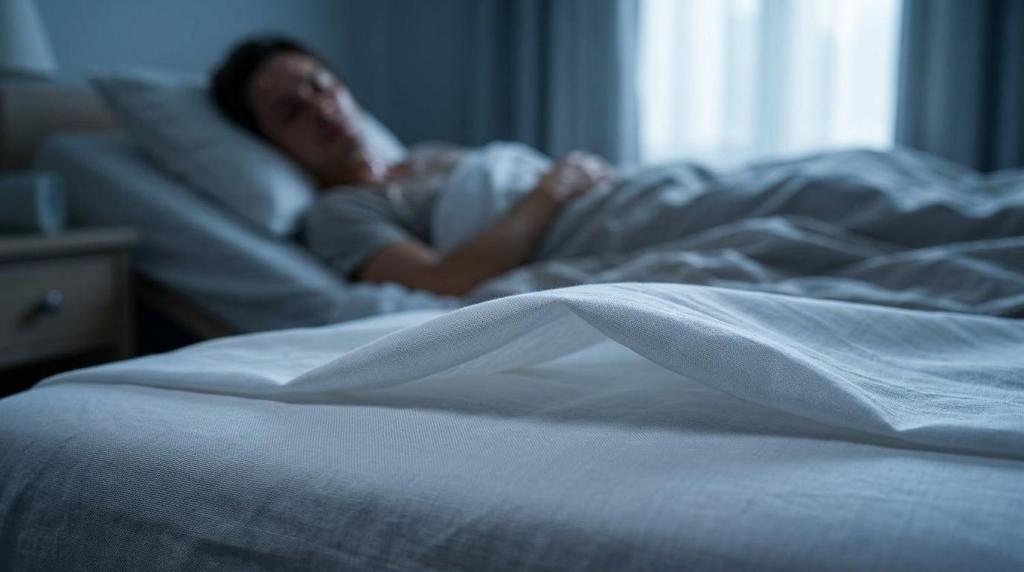
Hospital bed fan by bFan cools under the sheets for quieter, low-energy relief from night sweats and overheating during home recovery.
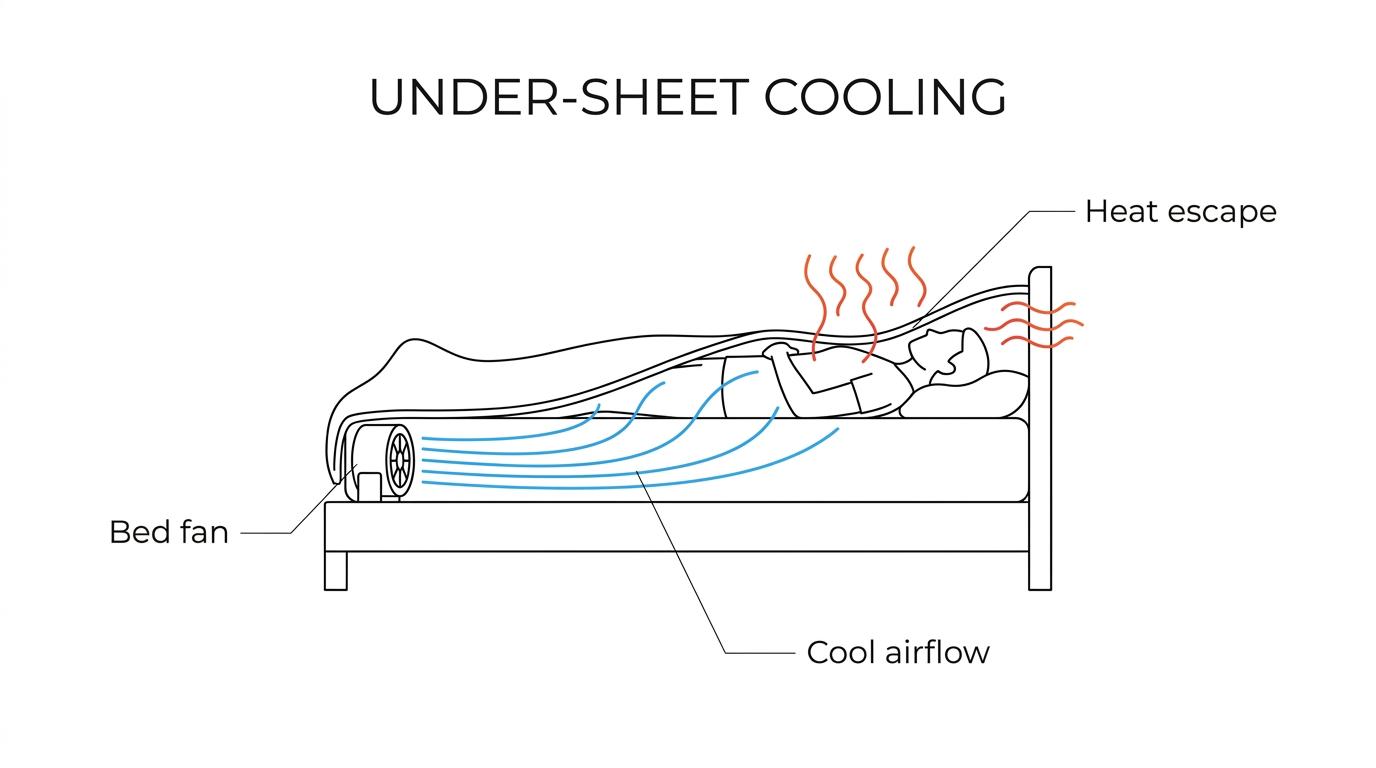
If you or someone you care for is waking up hot, damp, or uncomfortable, bFan Bed Fan gives you a targeted way to cool the bed without turning the whole house into a cold room. The unit sits discreetly at the foot of the bed and sends a gentle stream of room air between the sheets, where body heat tends to get trapped.
bFan Bed Fan designs and manufactures personal bed-cooling fans for hot sleepers, people with night sweats, and anyone trying to rest better while using less air conditioning (AC). For hospital-style beds used at home, that means less overheating under the covers, fewer sweaty wakeups, and a setup that is simple enough for caregivers to manage night after night.
A hospital bed fan needs to do more than move air around the room. It needs to cool the actual sleep space where recovery happens. bFan Bed Fan directs airflow under the top sheet, which helps remove trapped body heat for people recovering from surgery, managing menopause, dealing with medication-related sweating, or spending long hours in bed because of illness or limited mobility.
"bFan Bed Fan uses only about 12 watts on average, so you can add targeted bed cooling to a recovery room without the energy draw of lowering AC for the whole house."
This kind of local cooling lines up with what sleep research shows. A 2025 pilot study on cooling bed sheets reported improved sleep quality in 69% of hot sleepers, along with a mean 14-minute reduction in sleep latency and a mean 26-minute increase in sleep duration. For many people in recovery, that kind of sleep comfort matters because comfort often decides whether you fall back asleep or stay awake and miserable.
People often come to bFan Bed Fan when nighttime heat is being driven by a real life issue, not just warm weather. That includes hot flashes, overheating, steroid use, antidepressants, hormone therapy, pain medication, cancer treatment, anxiety, and medical conditions that make it harder to regulate temperature during sleep.
A colder bedroom can help, but it does not always fix the heat that builds up under bedding. bFan Bed Fan does not cool the air itself. It uses the cooler air already in the room and moves it right where you need it, under the covers and across the body, so heat and moisture can escape instead of getting trapped around the sleeper.
"Research supports local cooling, not just cooler rooms. bFan Bed Fan focuses airflow inside the bed, where hot sleepers usually feel the problem first."
That matters because studies on sleep and heat consistently show that local cooling improves thermal comfort. In a PubMed study on local body cooling in a hot environment, the best sleep quality and thermal comfort were seen when larger body areas such as the back and head were cooled. And in an experimental study of older adults sleeping in warmer bedrooms, raising bedroom temperature to 30°C reduced total sleep time by 26.3 minutes and increased awake time by 27.0 minutes. If someone in a hospital bed is already light sleeping, sore, or getting checked during the night, even modest heat can become a real problem.
Here is what bFan Bed Fan changes for you in practical terms:
Sleep experts commonly recommend a bedroom temperature around 60°F to 67°F for better sleep. With a Bedfan-style under-sheet system, many people can often raise room temperature by about 5°F and still sleep cool because the body is being cooled more directly. Some bFan customers report being able to set the thermostat as much as 6°F higher and still rest better.
bFan Bed Fan is especially helpful when the bed itself is part of care. In many home hospital bed setups, you want cooling that stays out of the way of side rails, pillows, blankets, and nighttime assistance. Because bFan works from the foot of the bed and under the sheet, it can be less intrusive than piling on extra cooling pads, damp towels, or loud room fans aimed at the face.
The details matter during recovery. A tight-weave top sheet usually works best because it helps the air travel across your body and carry away heat. The remote lets you adjust airflow without sitting up. The timer controls can help you cool the first part of the night, which is often when people struggle most to fall asleep after medication, pain, or a hot flash.
One common home-care scenario looks like this. A daughter sets up a bFan at the foot of her father's hospital bed after surgery because he keeps waking up sweaty from pain medication and heavy blankets. Instead of dropping the whole house temperature for everyone, she uses the remote to run a gentle airflow under a tight-weave sheet, and he gets a cooler bed without a blast of air in his face.
"The original Bedfan was invented in 2003. bFan Bed Fan brings that long-standing under-sheet cooling approach to people who need a simpler recovery setup at home."
bFan Bed Fan is often the right fit when you want a comfort solution that is simple, quiet, and affordable. It is not the right fit if you need active refrigeration, if the room itself is extremely hot and unventilated, or if your care team has given specific instructions about bedding, wound protection, or temperature management that would conflict with added airflow.
If you are comparing options, it helps to know what these products actually do. Neither Bedfan nor Bedjet cools the air. They only use the cooler air already in the room to cool your bed. The difference is in the delivery method, the operating cost, and how much you pay up front.
For many home recovery buyers, bFan Bed Fan is the simpler value. The original Bedfan came to market several years before Bedjet was even thought of, and the original Bedfan was invented in 2003. bFan keeps that under-sheet cooling concept focused on direct airflow, low energy use, and straightforward setup.
"A dual-zone Bedjet setup costs over $1,000 and is more than twice the price of two Bedfans. bFan Bed Fan gives many households a much lower cost path to dual-zone bed cooling."
That pricing gap matters if you are outfitting more than one bed or trying to manage recovery costs carefully. If two people in the same room need different sleep temperatures, two bFans can provide practical dual-zone microclimate control at a fraction of the cost of a dual-zone Bedjet setup. For a single hospital bed, you are not paying for features that may be unnecessary when what you really need is cooler, drier sleep right now.
bFan Bed Fan is not a general fan company trying to be everything to everyone. The company focuses on personal bed-cooling fans that remove trapped body heat from bedding to help people sleep cooler, reduce night sweats, and lower AC use and cost. That focus shows up in the product details that matter at night: a discreet foot-of-bed design, a brushless digitally controlled DC motor, remote speed control from 5% to 100%, and very low average power use.
bFan Bed Fan also makes sense if you want cooling without adding bulk on top of the mattress. For many people in recovery, especially those using an adjustable or hospital-style bed, it is easier to work with airflow under the sheet than another pad, topper, or heavy device on the bed surface. You keep the familiar mattress setup, and you change the microclimate around the sleeper.
The product is also a sensible choice when the issue is sweating, not just warmth. Moving air across the body helps moisture evaporate, which is why a bFan can feel more effective than a standard room fan for hot sleepers under covers. For women dealing with hot flashes and night sweats, the National Institute on Aging specifically notes that these symptoms can disrupt sleep and that bedroom temperature management can help.
Cooling bed sheets pilot study on PMC reviews a 2025 hot-sleeper study that found better reported sleep quality, shorter sleep latency, and longer sleep duration after sleep-surface cooling.
PubMed study on warmer bedrooms and sleep in older adults shows how hotter sleeping conditions can reduce total sleep time and increase time awake, which is especially relevant for recovery and hospital bed use at home.
National Institute on Aging guidance on sleep problems and menopause explains how hot flashes and night sweats can disrupt sleep and why temperature management is part of practical symptom relief.
If you want more help from bedfan.com, useful related topics include menopause night sweats, medication-related night sweats, cancer treatment night sweats, night sweats relief, sleeping cooler tips, bedroom temperature advice, night sweats during menopause, and night sweats from medication.
If you need a hospital bed fan that targets the real problem, trapped heat under the covers, bFan Bed Fan is a practical place to start. You get quiet, low-energy, under-sheet airflow that can make bedtime easier for the sleeper and the caregiver. Explore the options and shop bFan Bed Fan here to build a cooler, more comfortable recovery setup.
This is not medical advice. bFan Bed Fan is a comfort product, not a medical device, and it is not a treatment for infection, cancer, hormonal disorders, sleep apnea, medication side effects, or any other medical condition. Always consult your doctor, surgeon, oncology team, or home health clinician before making changes to sleep setup, bedding, temperature, or symptom management. If night sweats are new, severe, or accompanied by fever, chest pain, shortness of breath, weight loss, confusion, or wound concerns, seek medical care promptly.