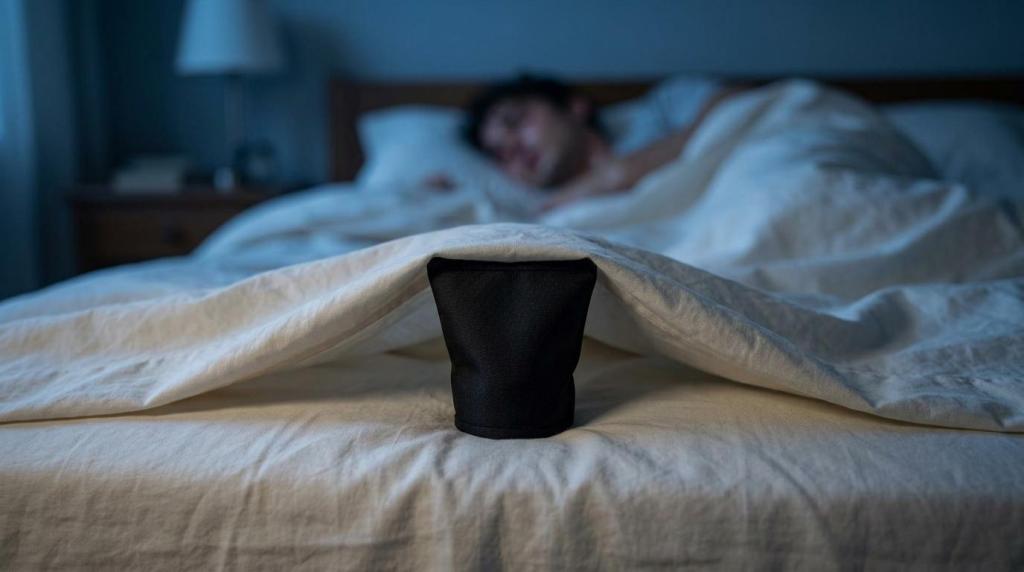
Looking for a headboard fan for bed? See why bFan cools better by sending quiet airflow under the covers where heat gets trapped.
If you are looking for a headboard fan for bed, or perhaps considering a clip-on fan option, you are probably trying to fix a very specific problem. You feel fine when you first get in bed, then the heat builds under the covers, your legs get restless, and you wake up damp or fully sweaty. bFan Bed Fan is built for that exact situation.
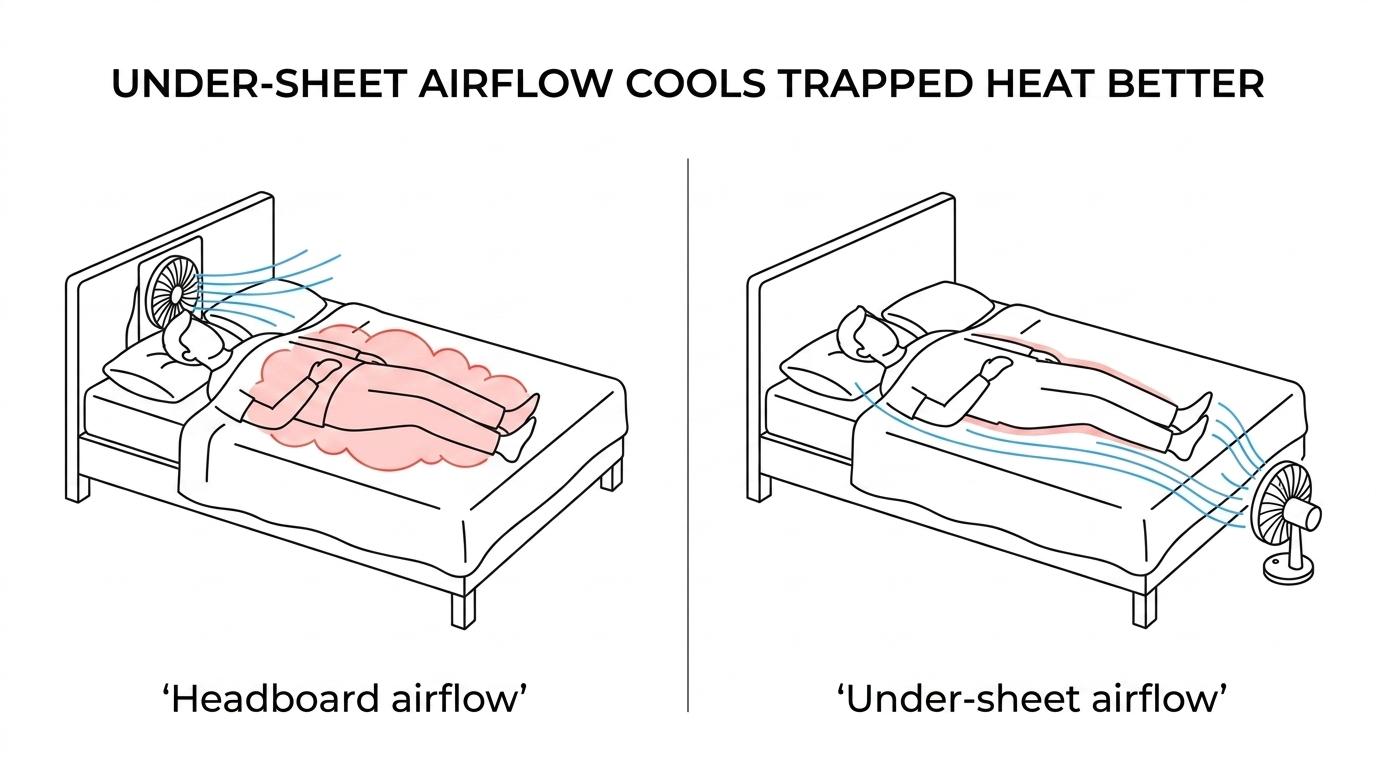
Instead of blowing air from behind your head, bFan Bed Fan sits discreetly at the foot of the bed and moves room air between your sheets to carry trapped body heat away. That gives you a cooler sleep space where the overheating actually happens, while you stay covered and comfortable.
A headboard-mounted fan, a portable fan, or even a compact clip-on fan, can help if you want airflow on your face, neck, or chest. But if your main issue is heat trapped under bedding, the problem is deeper in the bed microclimate, not just near the pillow.
That distinction matters because sleep is strongly affected by heat. A 2024 systematic review in Sleep Medicine Reviews found that higher indoor and outdoor temperatures are generally associated with worse sleep quality and sleep quantity. Research on sleep comfort also points to ambient temperature and bedding thermal resistance as key factors in how hot you feel once you are under the covers.
"bFan Bed Fan targets the air trapped inside your bedding, not just the air around your head."
With a headboard fan, the airflow may never reach your torso, hips, and legs once the sheets and comforter hold your body heat in place. bFan Bed Fan is designed to send a gentle stream of air under the covers, where it can help increase heat loss while you sleep and keep your bedding from feeling stuffy.
"bFan Bed Fan was invented in 2003, years before many newer bed cooling systems entered the category."
bFan Bed Fan helps hot sleepers cool the bed itself by moving room air from the foot of the bed into the space between your top and bottom sheets. That simple delivery method is why it works well as a headboard fan alternative. You do not have to aim air at your face all night to get relief.
bFan uses a whisper-quiet brushless, digitally controlled DC motor with remote speed adjustment from 5% to 100%. At low speed it runs at about 28 dB, normal operation is around 30 dB, medium is about 35 dB, and even at the highest speed setting it uses only an average of 12 watts. That means targeted bed cooling without the noise and energy draw many people worry about.
"At its highest setting, bFan Bed Fan uses only an average of 12 watts for targeted bed cooling."
Because bFan works under the covers, your bedding choices matter too. Sheets with a tighter weave usually help the air travel across your body instead of escaping too quickly, which makes the cooling feel smoother and more effective from your shoulders down to your feet.
Many sleep experts commonly recommend a bedroom temperature around 60°F to 67°F for better sleep. With bFan Bed Fan, many customers report they can raise the room thermostat by about 5°F, and some report up to 6°F, while still sleeping cooler because the airflow is directed where heat gets trapped instead of trying to chill the whole house.
bFan Bed Fan is a strong fit when you do not necessarily need a colder room. You need a cooler bed. We help people whose heat spikes are tied to sleep, bedding, hormones, medication side effects, or just running warm at night.
Common situations where bFan makes sense include:
One anonymized example sounds like this: a woman in her early 50s told us her room was already cool, but she still woke up sweaty around 3 a.m. because the comforter trapped heat around her legs and midsection. A headboard fan helped her face feel cooler, but it did not change what was happening under the blankets. Under-sheet airflow was the difference because it addressed the source of the discomfort instead of the symptom.
bFan Bed Fan improves the part of sleep cooling that matters most for many people. It helps remove trapped heat from inside the bed, so you are less likely to kick off covers, wake after sleep onset, or keep adjusting the thermostat to chase comfort.
It also keeps the setup simple. bFan sits at the foot of the bed, stays discreet and well hidden, and uses the cool air already in your room. That last point is important. Neither bFan nor other bed fan systems actually cool the air. They use existing room air. If your room is dangerously hot, airflow alone is not enough. The CDC extreme heat guidance notes that in temperatures above 90°F, a fan can increase body temperature, so safe room conditions still matter.
"bFan Bed Fan cools your bed by moving room air under the covers. It does not require blasting your face or overcooling the whole bedroom."
This is also where cost, portability with a portable fan, and practicality come into focus. Some shoppers compare a headboard fan with premium bed climate systems. If you are looking at Bedjet, it is worth knowing that a dual-zone Bedjet setup costs over a thousand dollars and more than twice the price of two Bedfans or a simple clip-on fan. Bedjet also does not cool the air. It uses the cool air already in the room, just like bFan does.
bFan Bed Fan is the right fit when your main complaint is, "I get too hot once I am under the covers." It is especially useful if you like sleeping covered, want relief without complicated setup, or are trying to reduce air conditioning use and cost.
It is also a good choice when you want control. The remote-adjustable airflow lets you fine-tune the feel from barely-there movement to strong circulation, instead of settling for a fixed blast from a headboard unit or ceiling fan.
bFan may not be the best fit if what you really want is cold air production, or if you are sleeping in an unsafe heat environment and need to lower the room temperature first. Targeted airflow works best when the room itself is reasonably cool and the issue is heat trapped by your bedding.
bFan Bed Fan is not a newcomer trying to copy a trend. The original Bedfan was invented in 2003, and the company has spent years refining personal bed-cooling fans that remove trapped body heat from bedding to help people sleep cooler, reduce night sweats, and lower air conditioning use and costs.
That long focus shows up in the product details. bFan uses a sturdy, adjustable base, a digitally controlled motor, quiet operation suited to nighttime use, and direct under-sheet airflow that solves a different problem than a headboard fan solves. For hot sleepers, women dealing with menopause, and people whose medications or health conditions cause nighttime overheating, that targeted design can make the bed feel livable again.
You may also want to explore these related topics on Bedfan.com:
If you want a headboard fan alternative that targets the heat trapped under your covers, explore the bFan Bed Fan and choose a setup built for cooler, quieter, covered sleep.
This is not medical advice. Always consult your doctor, sleep specialist, or oncology team before making changes if night sweats are new, severe, unexplained, or related to pregnancy, menopause treatment, infection, medication side effects, or cancer care. Seek prompt medical care for drenching night sweats, fever, unexplained weight loss, chest pain, trouble breathing, or any sudden change that concerns you.