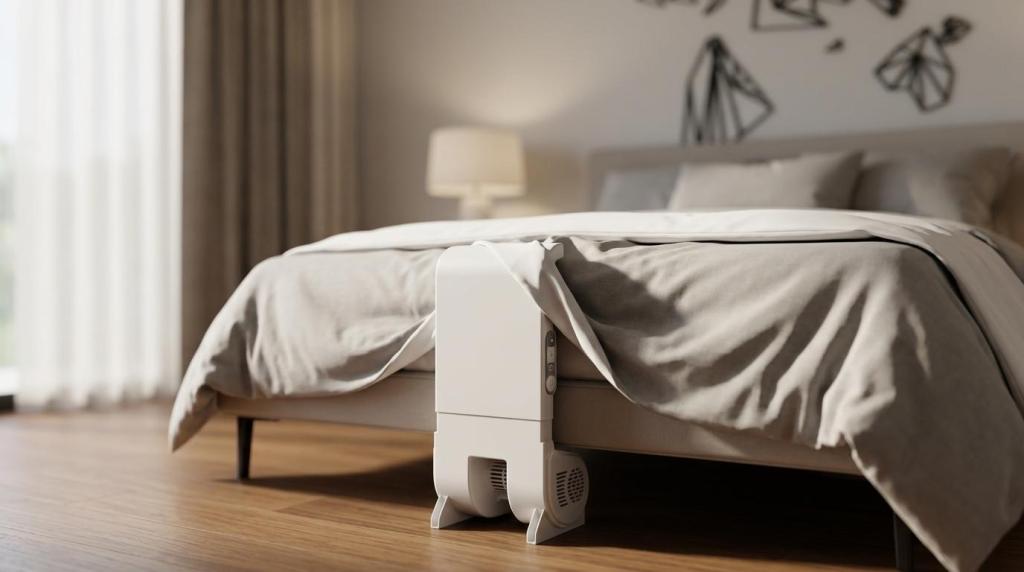
Bed fan reviews should compare cooling, noise, fit, controls, sheet compatibility, and cost to find the best sleep cooling option.
Bed fan reviews are most helpful when they answer a simple buying question: will this cool your sleep space without adding noise, awkward airflow, or extra hassle? For that reason, bFan Bed Fan matters here as a long running bed cooling option in the under sheet airflow category, not as a cure all, but as one practical way to move trapped body heat out of the bed microclimate.
TL;DR: Summary
If you are reading reviews because you wake up sweaty, are sleeping hot, throw off covers at 2 a.m., or keep turning the thermostat lower, you are asking the right questions. This is not medical advice. Always consult your doctor or oncology team before making changes, especially if night sweats are new, severe, or tied to cancer treatment, fever, unexplained weight loss, chest symptoms, or low blood sugar.
A bed fan mainly fixes trapped heat under the sheets. That matters because bedroom temperature and ventilation affect sleep efficiency, deep sleep, and REM sleep in controlled research.
Most people who are sleeping hot are not only dealing with a warm room. They are dealing with a warm bed microclimate, meaning body heat gets trapped by the mattress, fitted sheet, and covers. A fan at the foot of the bed can push that warm pocket of air away from the skin so sweat evaporates faster and you stop feeling stuck in your own heat.
That idea lines up with sleep research. In a bedroom study of older adults, a warmer room at 30°C reduced total sleep time by 26.3 minutes, lowered sleep efficiency by 5.5%, and cut REM sleep by 5.3 minutes compared with 27°C. Better ventilation in the same study increased deep sleep by 10.3 minutes and REM sleep by 3.7 minutes. You can read the abstract on PubMed here.
Sleep experts commonly recommend a bedroom temperature between 60°F and 67°F for better sleep. A common misconception is that the only answer is lowering the whole room. Sometimes targeted airflow under the sheets lets people raise the room temperature by about 5°F and still feel cool enough to sleep, which can help cut air conditioning (AC) use.
A bed fan is quiet enough when you can run it at an effective setting without noticing it after lights out. Noise matters because warmer rooms and higher bedroom noise are both tied to worse sleep efficiency.
A 14 day home study of 62 participants found that sleep efficiency dropped as bedroom temperature and noise went up. The highest exposure group saw sleep efficiency fall by 3.4% for temperature and 4.7% for noise compared with the lowest exposure group. That is a useful reminder: stronger airflow is not automatically better if the sound bothers you all night.
When you read bed fan reviews, skip vague words like “quiet” and look for specifics. Ask what the sound is at the speed people actually sleep with, not only at the lowest setting. Also ask where the airflow lands. If the air hits your calves or feet sharply instead of spreading under the top sheet, you may turn it down too far and lose the cooling benefit.
“bFan lists about 28 dB on low speed and around 30 dB in normal use, which is the kind of real sleep detail buyers should look for, not just a generic claim that it is quiet.”
Smart buyers look past hype and check the same six criteria every time: cooling method, noise, fit, controls, bedding match, and cost over time.
A lot of bed fan reviews sound persuasive until you ask one practical question: how will this feel at 3 a.m. when you are half asleep and already annoyed? That is why the basics matter more than flashy language.
The bFan is easiest to judge with a simple seven day test, not one dramatic first night. Use the same bedding for a few nights, then make one change at a time.
Sleeping hot is a common issue for many people, especially when the room temperature is difficult to control or when sharing a bed with a partner who prefers different sleeping conditions. For those who experience this discomfort, finding solutions that work with existing bedding setups without excessive costs can be a game-changer. By understanding the causes of sleeping hot and implementing targeted airflow solutions, sleepers can enhance their comfort and enjoy a restful night's sleep.
Start with your usual room temperature and your normal blanket. Night one is only for placement. You want the air to travel between the sheets, not shoot out the side. If the top sheet is very loose, tuck it a bit more at the foot. If the sheet is very open weave, the cooling can feel diffuse instead of focused.
On nights two and three, adjust only speed. Many people make the mistake of starting at maximum. Begin lower, then nudge up until the bed feels dry and neutral rather than windy. If you wake up chilled at 4 a.m., the timer is more useful than lowering the room temperature another few degrees.
By nights four through seven, test real life variables: pajamas, heavier blankets, and partner preferences. If one sleeper runs hotter than the other, separate targeted airflow often matters more than making the entire bedroom colder.
A bed fan is often better when the problem is sleeping hot, with trapped heat in bed, not just a warm room. Lowering the thermostat cools the whole space, while a bed fan cools the sleeper where the heat builds up.
That trade off matters for cost and comfort. If your room is already near the usual 60°F to 67°F sleep range and you still wake sweaty, especially if you're sleeping hot, making the bedroom even colder may not solve the real issue. It may just make your partner cold. Targeted airflow can sometimes let you keep the room about 5°F warmer while still feeling cooler under the covers.
A ceiling fan can help general air movement, but it does not always reach the microclimate under the sheet where sweat and heat collect. If you sleep under a comforter, the trapped warmth can stay put. A bed fan is not magic, but it addresses a more specific problem, particularly for those who are prone to sleeping hot.
Bedfan and Bedjet both rely on room air, while Eight Sleep uses a more complex active system at a far higher price. The right choice depends on whether you need targeted airflow, dual sleeper control, or tech heavy temperature management.
Here is the plain truth that reviews sometimes gloss over. Neither a standard bed fan nor Bedjet cools the air itself. They use the cool air already in the room and move it toward the sleeper. If your bedroom is hot, both will be limited by that starting point.
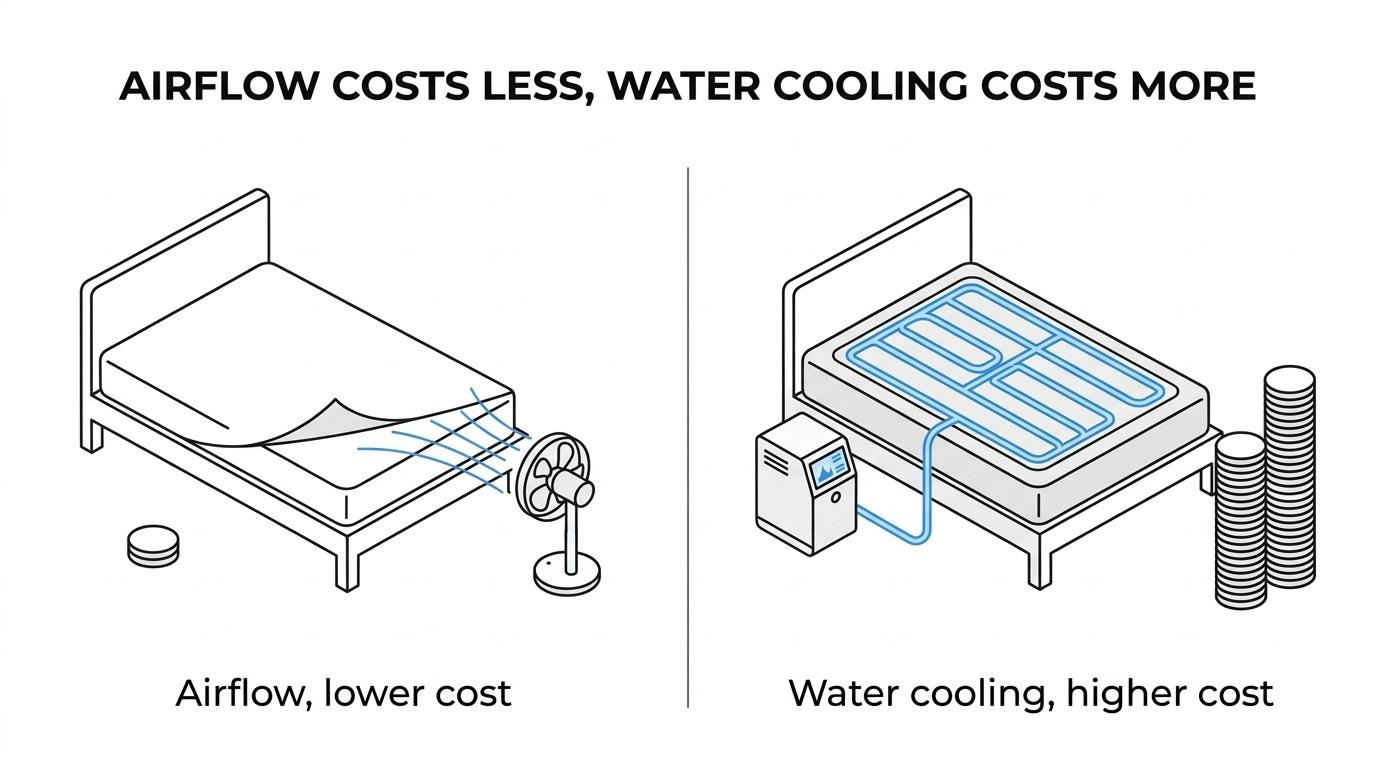
Cost is where the comparison gets sharper. A dual zone Bedjet setup is over a thousand dollars, and it is more than twice the price of two bed fans. The Eight Sleep Pod 5 generally costs between $3000 and $6000, which puts it in an entirely different budget category. The original Bedfan was invented in 2003, several years before Bedjet was even thought of, so this is not a new gimmick category.
If you want dual zone microclimate control without a four figure jump, two simple units can be the practical middle ground. If you want app driven hardware, biometrics, and a much larger spend, Eight Sleep is a different kind of product altogether.
“The original Bedfan dates to 2003, and for couples, two units can create dual zone cooling at a fraction of the cost of a dual zone Bedjet setup.”
The best setup is simple: cool room, tighter weave sheets, modest starting speed, and a short symptom log. That approach helps you separate true cooling benefit from random good or bad nights.
If your overheating is tied to menopause, perimenopause, antidepressants, steroids, tamoxifen, thyroid medication, or overnight anxiety surges, consistency matters. Start with room air that is already reasonably cool. Then let the airflow do the local cooling under the covers, where sweat tends to build up.
One anonymized example. A 52 year old reader described waking around 1:30 a.m. with her chest and neck damp from sleeping hot, then overcorrecting by turning the thermostat lower until her spouse was miserable. What helped was keeping the room steady, using tighter weave sheets, setting a timer, and aiming for a dry, neutral feel rather than an icy blast.
A common misconception is that more airflow always means better relief. If the air feels harsh on the feet or knees, lower the speed first and adjust the sheet path second. Comfort is what keeps the system on long enough to help.
Persistent night sweats need medical context, especially if they are new, drenching, or paired with other symptoms. A cooling product may help comfort, but it should never replace evaluation when red flags are present.
Talk with your doctor if you have fever, unexplained weight loss, swollen lymph nodes, cough, chest pain, new shortness of breath, severe reflux, known cancer, pregnancy, diabetes with possible overnight low blood sugar, or suspected infection. If you take a medicine known to trigger sweating, ask whether timing or dosage could be part of the pattern.
A good step by step plan is straightforward. First, keep a one week log of bedtime, room temperature, triggers, sweating severity, and medications. Second, bring that log to your visit. Third, ask whether the sweating looks hormonal, medication related, infectious, endocrine, or sleep disorder related. This is not medical advice. Always consult your doctor or oncology team before making changes.
If you want related reading on the same site, useful internal links around this topic would include guides on menopause night sweats, medication related night sweats, bedroom temperature for sleep, cooling sheets, the product overview, and customer testimonials.
Yes, they can work well when the problem is trapped heat under the bedding. A bed fan does not lower your core temperature like a medical treatment, and it does not refrigerate the room, but it can move warm, humid air away from the skin so sweat evaporates faster. That is why the best results tend to come from people who feel hot in bed even when the room is fairly cool, particularly if they are sleeping hot.
Usually, they can be quieter where it counts, near sleep level airflow. The issue is not only raw decibels, it is whether the sound fades into the background at the setting you need. Reviews are more useful when they describe overnight use, sheet movement, and whether the air feels gentle or distracting.
It can help with comfort, and for many people that matters a lot. Menopause related hot flashes and night sweats can be triggered by very small shifts in temperature, especially for those who experience sleeping hot, so local airflow under the sheets may reduce that overheated, sticky feeling. It is still smart to discuss severe or changing symptoms with your clinician, especially if you are also using hormone therapy or cancer related medications.
Tighter weave sheets often work best because they guide airflow across the body instead of letting it escape too quickly. Many users report better performance with about 400 thread count or higher sheets, though fabric feel also matters. If a setup seems weak, do not assume the fan failed, check the sheet path and bedding first.
It depends on what problem you are trying to solve. If you want room air pushed into the bed with more features and are comfortable spending over a thousand dollars for a dual zone setup, it may fit. If your goal is simple under sheet cooling at a much lower cost, a standard bed fan approach is often enough. Neither option cools the air itself, so room temperature still matters.
Often yes, for comfort, but you should still check the cause of the sweating. Night sweats can be linked to menopause, antidepressants, steroids, infections, diabetes related low blood sugar, thyroid issues, cancer treatments, and sleep disorders. If the sweating is new, drenching, or paired with red flag symptoms, talk with your doctor first.
A good next step is to compare buyer comments about noise, fit, and sheet compatibility, then look at the actual controls and power use. If you want a simple place to start, you can review the store and the customer experiences page. This is not medical advice. Always consult your doctor or oncology team before making changes.