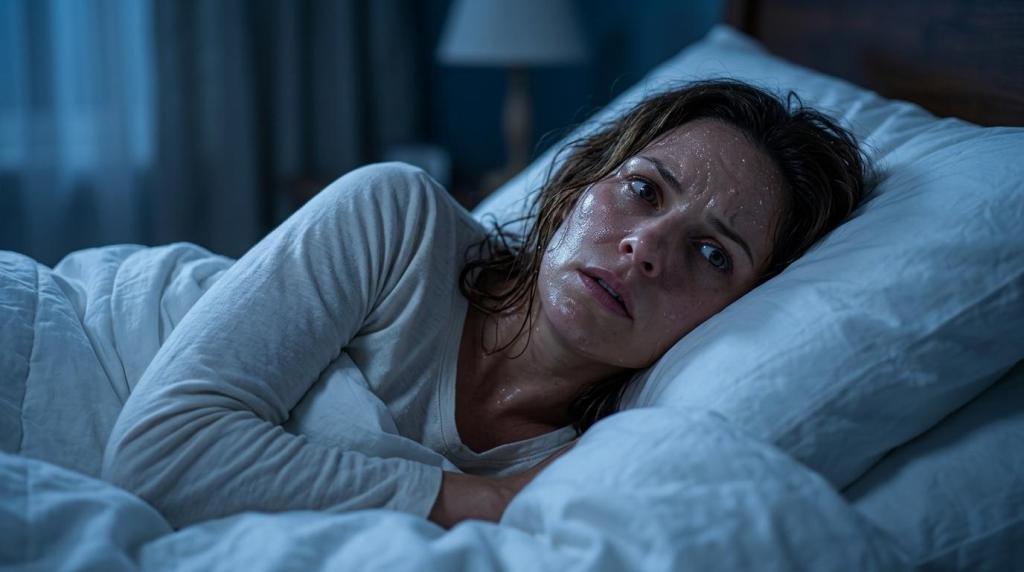
Amoxicillin night sweats are uncommon and often linked to infection, fever, or allergy. Learn timing, causes, red flags, and relief.
Waking up drenched while you’re taking amoxicillin can feel alarming. A lot of people immediately assume the antibiotic is the problem. Sometimes it might be part of the picture, but night sweats are more often tied to the infection being treated, a fever breaking overnight, another medication, or a separate health issue.
This is not medical advice. Always consult your doctor, pharmacist, or oncology team before making changes to a prescription or trying to manage a new symptom on your own.
A good rule of thumb is this: if night sweats start during amoxicillin treatment, don’t assume amoxicillin is the only cause. Check the whole situation, especially fever, rash, breathing symptoms, and how sick you feel overall.
Amoxicillin is not known for causing night sweats as a common side effect. The current amoxicillin tablet label listed by DailyMed names diarrhea, rash, vomiting, and nausea as the most common adverse reactions, not sweating or night sweats.
That said, sweating has shown up in some safety reporting. A Food and Drug Administration (FDA) pediatric review of amoxicillin included increased sweating among adverse events reported in less than 1% of cases. So yes, sweating can happen. It just appears to be uncommon.
That distinction matters. If you’re sweating heavily at night while taking amoxicillin, it is smart to think beyond the pill bottle. The infection itself may be the bigger reason, especially if you started the antibiotic because of a sinus infection, dental infection, strep throat, pneumonia, or another illness that can trigger fever and inflammation.
Timing gives useful clues, even if it does not give a full answer.
If the sweating starts on the first day or two of treatment, there are a few possibilities. The infection may still be active. Your body may be running hot overnight. A fever may be breaking while you sleep. In some people, the body’s thermoregulatory response gets messy for a few nights, and you wake up soaked even though the room is not warm.
If the sweating starts soon after a dose and comes with itching, hives, wheezing, swelling, or trouble breathing, think about an allergic reaction right away. MedlinePlus Drug Information for amoxicillin warns that amoxicillin can cause serious allergic reactions, including swelling of the face or throat and trouble breathing.
If the sweating begins several days into treatment, the picture gets a little murkier. It could still be the infection. It could be your body reacting to a medication effect. It could even be something unrelated that simply showed up at the same time.
Night sweats usually mean more than “I felt a little warm.” In medical use, the term often means sweating so much that sleepwear or sheets become very wet even when the room is reasonably cool.
Most night sweats are not caused by amoxicillin alone. MedlinePlus notes that sweating can happen with fever, infection, low blood sugar, menopause, anxiety, and medicines, among other triggers. You can read that overview here: MedlinePlus on sweating.
Doctors sometimes use the term secondary hyperhidrosis when heavy sweating is caused by another condition or by medication rather than being a primary sweating disorder. That can involve infection, hormone shifts, glucose changes, or stress on the autonomic nervous system.
A few common possibilities are worth keeping in mind:
One anonymized example: a patient in her 40s started amoxicillin for a dental infection and woke up drenched for two nights. She assumed the antibiotic was the cause. What actually stood out on follow-up was that she had been running a mild fever every evening, taking acetaminophen before bed, and sleeping under a thick comforter in a 74°F bedroom. As the infection improved and the bedding was adjusted, the night sweats eased.
Some symptoms mean you should stop watching and start calling.
Heavy sweating can be harmless in one person and urgent in another. The big question is what comes with it. MedlinePlus advises getting medical help if sweating happens with chest pain, fever, a rapid or pounding heartbeat, shortness of breath, or weight loss: MedlinePlus sweating symptoms and warning signs.
If you are taking amoxicillin for a serious infection and your symptoms are getting worse instead of better, don’t wait it out.
Start with the basics. Replace fluids. Change out of damp clothes. Rinse sweat from the skin if you can. Lower the room temperature a bit. These simple steps line up with practical advice from MedlinePlus for managing sweating after a heavy episode.
Sleep specialists often recommend a bedroom temperature between 60°F and 67°F for better sleep. If you tend to sweat under the covers, trapped heat in the bed can still wake you up even when the room itself is reasonable. That’s where targeted airflow can help.
A Bedfan, also called a Bed Fan or bFan, is one practical non-drug option because it pushes room air under the sheets to move heat and moisture away from your body. It does not cool the air. Neither Bedfan nor Bedjet cool the air. They only use the cooler air already in the room. For many people, that is enough to reduce that sticky, overheated feeling that keeps repeating after each sweat episode.
A lot of sleepers find they can raise the thermostat by about 5°F and still feel comfortable when airflow is moving under the bedding. That can matter if you share a room with someone who gets cold easily, or if you’re trying not to blast the air conditioning all night.
The setup matters too. Tight-weave sheets usually work best because they help the airflow travel across the body and carry away heat more evenly. A bFan can also be a good fit when you want something quiet enough not to add another sleep problem. Low settings are typically around 28 to 32 dB, and timer controls can help if you only need help getting through the first part of the night. Power use is low, about 18 watts on average, which is a lot easier on the electric bill than cranking the AC colder.
You do not need a perfect explanation before you call. You just need a clear description.
Tell them when the sweating started, whether it happens after each dose, whether the bed gets soaked, and what else is happening with it. Mention fever, rash, diarrhea, chills, cough, weight loss, chest pain, or a pounding heartbeat. Also mention every medicine or supplement you are taking, not just amoxicillin.
A short note on your phone can help. Write down the date, your temperature if you checked it, and whether the sheets were damp or truly soaked. That makes it much easier for a clinician to sort out medication effects from infection-related sweating or another cause of secondary hyperhidrosis.
If you think the reaction may be from the drug itself, ask whether it should be reported to FDA MedWatch. Patients and clinicians can report suspected adverse effects there.
Sometimes the medical answer is simple: finish the antibiotic, monitor symptoms, and stay hydrated. The problem is that even short-term sweating can wreck sleep for several nights.
That’s where targeted bed cooling tends to beat broad room cooling. If your whole body is fine except for the trapped heat inside the bedding, under-sheet airflow addresses the problem closer to the source. If you sleep with a partner and only one of you is overheating, two Bedfans can create a dual-zone setup at a fraction of the cost of an over-one-thousand-dollar dual-zone Bedjet system. Bedjet is more than twice the price of two Bedfans. For many households, that cost difference matters.
It is still a comfort tool, not a treatment. If amoxicillin night sweats are tied to allergy, fever, or a worsening infection, you need medical guidance, not just a cooler bed.
Useful related reading on bedfan.com may include:
If you want to read the medical sources directly, these are solid places to start.
If night sweats are disrupting your sleep while you recover, a simple airflow solution can make the nights more manageable. You can see Bedfan options at https://www.bedfan.com. This is not medical advice. Always consult your doctor, pharmacist, or oncology team before making changes, especially if sweating comes with fever, rash, breathing trouble, weight loss, chest pain, or a pounding heartbeat.