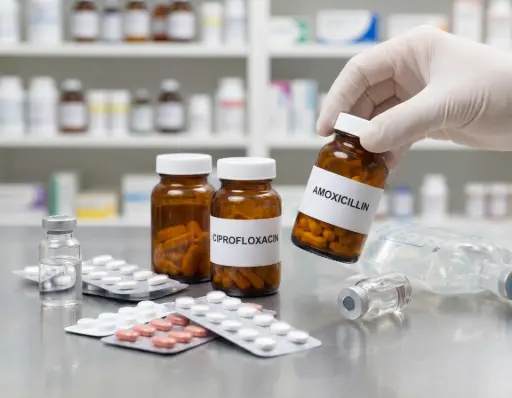
Grab your coffee, settle in, and let’s talk about something that doesn’t get enough attention, but can really mess with your nights: antibiotics and night sweats. If you’ve ever woken up drenched, confused, and maybe a little annoyed, you’re not alone. Night sweats can be a real pain, especially when you’re already dealing with an infection and undergoing antibiotic treatment. So, why does this happen, what can you do about it, and how can you get back to sleeping cool and comfortable? Let’s break it all down, step by step, in plain English.
What Are Night Sweats, Anyway?
Let’s start with the basics. Night sweats are episodes of excessive sweating during sleep. We’re not talking about just feeling a little warm or having a slightly damp pillow. We’re talking about waking up with your sheets and pajamas soaked, sometimes needing to change clothes or even the bedding. It’s disruptive, uncomfortable, and can leave you feeling exhausted the next day.
Night sweats can be caused by all sorts of things, from menopause to infections, medications, anxiety, diabetes, and more. When you’re on antibiotics, though, it’s a special kind of frustration. You’re trying to get better, but your body seems to have other plans.
Why Do Antibiotics Cause Night Sweats?
Here’s where things get interesting. Antibiotics are designed to fight off bacterial infections. They’re powerful, effective, and for the most part, safe. But your body is a complex system, and introducing antibiotics can sometimes throw things out of balance.
- Immune Response: When you’re fighting an infection, your immune system is in overdrive, releasing chemicals called pyrogens that can raise your body temperature. This is your body’s way of making the environment less hospitable to bacteria, and sometimes this process doesn’t just stop at a fever during the day. It can spill over into the night, causing you to sweat as your body tries to regulate its temperature.
- Medication Side Effects: Some antibiotics have sweating listed as a side effect. It’s not super common, but it happens. Drugs like rifampin, isoniazid, and some cephalosporins are more likely to cause this, but really, any antibiotic can potentially trigger night sweats in sensitive individuals. It’s also worth noting that other medications, such as certain antidepressants, prednisone, and even drugs prescribed to manage blood pressure, have been known to induce excessive sweating. If you suffer from hyperhidrosis, these effects may be even more pronounced.
- Clearing Out Toxins: As bacteria die off during your antibiotic treatment, they release toxins. Your body works hard to flush these out, and sweating is one way it does that. So, if you’re on antibiotics and your system is busy clearing these toxins, you might sweat more as your body cleans house.
- Hormonal Fluctuations: Illness and medication can mess with your hormones, especially those that regulate temperature and sweat production, leading to unpredictable sweating, especially at night when your body is trying to rest and recover.
How Long Do Night Sweats Last When Taking Antibiotics?
This is the million-dollar question, right? Unfortunately, there’s no one-size-fits-all answer. For most people, night sweats will start to ease up as the infection clears and your body adjusts to the medication. This could be a few days, or it might last the entire course of antibiotics.
- Short-term: If your night sweats started with your infection, they’ll probably go away as you recover.
- Medication-related: If the sweats are a side effect of the antibiotic itself, they might stick around until you finish your prescription.
- Persistent Sweats: If you’re still sweating at night after your infection is gone and you’ve stopped the antibiotics, it’s time to check in with your doctor, as there could be something else going on.
When Should You Worry About Night Sweats?
Most of the time, night sweats are annoying but harmless. Still, there are times when you should take them seriously. If you notice any of the following, don’t wait, call your healthcare provider:
- High Fever: Pay attention if your temperature spikes, especially with chills or confusion.
- Weight Loss: Look out for unintentional weight loss alongside night sweats.
- Persistent Symptoms: Be cautious if the sweats don’t go away after your infection clears.
- Other Symptoms: Notice any things like a cough, swollen lymph nodes, or unexplained pain.
Your doctor can help figure out if there’s something more serious going on, like tuberculosis, lymphoma, or another underlying condition.
How to Manage Night Sweats While on Antibiotics
Alright, let’s get practical. You’re sweating through your sheets, you’re tired, and you just want a good night’s sleep. What can you do? Here are some tried-and-true tips from someone who’s been around the block:
- Keep Your Room Cool: Sleep experts recommend keeping your bedroom between 60°F and 67°F. If you can, lower the thermostat a few degrees at night to stay in this sweet spot.
- Use a Bed Fan: If you haven’t tried a bed fan, you’re missing out. The bFan is a game changer from http://www.bedfan.com. It quietly circulates cool air under your sheets, helping carry away heat and moisture. It uses only 18 watts on average and its sound level is between 28db and 32db at normal operating speed, making it whisper quiet. Plus, with timer controls, you can set it to run just as long as you need to fall asleep and reach that recommended sleep temperature.
- Choose the Right Bedding: Go for sheets with a tight weave, as they help air flow across your body and wick away moisture. Cotton and bamboo are great choices. Avoid heavy comforters or synthetic fabrics that trap heat.
- Stay Hydrated: Sweating a lot can leave you dehydrated, so keep a glass of water by your bed and sip throughout the night if you wake up sweaty.
- Wear Breathable Pajamas: Lightweight, moisture-wicking pajamas can make a big difference, and natural fibers are your friend.
- Shower Before Bed: A cool shower can help lower your body temperature before you hit the sheets.
- Limit Spicy Foods and Alcohol: Both can trigger sweating, so it’s best to avoid them in the evening.
- Consider a Bed Fan for Couples: If you share your bed, the bFan offers dual-zone microclimate control using two fans, so both you and your partner can sleep at your preferred temperature. Remember, a single Bedjet is more than twice the price of a Bedfan, and the dual zone Bedjet setup costs over a thousand dollars, which is more than twice the price of two bed fans.
Bed Fan vs. Bedjet: What’s the Difference?
Let’s talk about the elephant in the room, okay? Both the bed fan and Bedjet are designed to help you sleep cooler, but there are some key differences you should know about.
- Price: The Bedjet is a lot pricier. A dual zone Bedjet is over a thousand dollars and more than twice the price of two bed fans, so if you’re looking for value, the bFan at http://www.bedfan.com is hard to beat.
- How They Work: Neither the bed fan nor the Bedjet cools the air. They both use the cool air already in your room to help cool your bed by directing it under your sheets.
- Energy Use: The bed fan is super efficient, using only about 18 watts on average.
- Noise Level: The bed fan is whisper quiet, operating between 28db and 32db at normal operating speed, which is about as quiet as a soft whisper in a library.
- Timer Controls: The bed fan comes with timer controls, so you can set it to run just until you’re asleep.
- History: The original bed fan came to market several years before the Bedjet was even thought of, making it a tried-and-true solution that has helped thousands sleep cooler and more comfortably.
Why Sleep Temperature Matters
You might be wondering, does it really make that much of a difference? The answer is yes, absolutely. Sleep experts recommend maintaining your bedroom temperature between 60°F and 67°F. When your body is too warm, it’s harder to fall asleep and stay asleep. You’re more likely to wake up during the night, toss and turn, and feel groggy in the morning. With a bed fan, many people have found they can actually raise their room temperature by about 5°F and still sleep cool, which not only improves your comfort but can also help save on your energy bill, even during the hottest months.
Other Causes of Night Sweats
While we’re focusing on antibiotics here, it’s worth mentioning that night sweats can have other causes too. If you’re dealing with persistent night sweats, it’s a good idea to consider the bigger picture.
- Hormonal Changes: Menopause, pregnancy, and even puberty can trigger night sweats.
- Medications: Besides antibiotics, other drugs like antidepressants, prednisone, and various medications prescribed to control blood pressure can cause sweating. If you have hyperhidrosis or diabetes, even standard doses of these medications might make the sweating more noticeable.
- Infections: Tuberculosis, HIV, and other chronic infections are known for causing night sweats.
- Medical Conditions: Issues like hyperthyroidism, certain cancers, and autoimmune disorders can all be culprits.
- Lifestyle Factors: Stress, anxiety, spicy foods, and alcohol can all lead to more frequent night sweats.
If you’re not sure what’s causing your night sweats, or if they’re getting worse, don’t hesitate to talk to your doctor, as it’s always better to get checked out and rule out anything serious, including conditions like diabetes.
Tips for Talking to Your Doctor
If you decide to see your doctor about night sweats, here are a few tips to make the most of your appointment:
- Keep a Symptom Diary: Write down when the sweats happen, how severe they are, and any other symptoms you notice. This can help your doctor spot patterns and figure out what’s going on.
- List Your Medications: Bring a list of all the medications you’re taking, including your antibiotic treatment, over-the-counter drugs, and supplements.
- Be Honest: Don’t downplay your symptoms. Let your doctor know how much the night sweats are affecting your sleep and quality of life.
- Ask Questions: Don’t be afraid to ask about possible causes, tests, and treatment options.
How to Sleep Better While Taking Antibiotics
Let’s face it, being sick is tough enough without losing sleep. Here are some extra tips to help you get the rest you need while your body heals:
- Stick to a Routine: Go to bed and wake up at the same time every day, even on weekends, to help regulate your body’s internal clock.
- Limit Screen Time: The blue light from phones, tablets, and TVs can mess with your sleep hormones, so try to turn off screens at least an hour before bed.
- Practice Relaxation Techniques: Deep breathing, meditation, or gentle stretching can help calm your mind and body before sleep.
- Avoid Heavy Meals Late at Night: Eating a big meal right before bed can make you feel hot and uncomfortable.
- Keep Your Bedroom Dark and Quiet: Use blackout curtains and white noise machines if needed to create a restful environment.
The Bottom Line
Night sweats while taking antibiotics are common, but that doesn’t mean you have to suffer through them. With a few simple changes, like keeping your room cool, using a bed fan such as the bFan from http://www.bedfan.com, and choosing the right bedding, you can sleep more comfortably and wake up feeling refreshed.
Remember, the bFan is a smart, affordable solution that has helped thousands of people beat the heat at night. It’s quiet, energy efficient, and easy to use, with dual-zone options that make it perfect for couples who can’t agree on the perfect sleep temperature. And let’s not forget, the dual zone Bedjet setup costs over a thousand dollars and is more than twice the price of two bed fans, so why pay more when you can get the same cool, comfortable sleep for less?
If your night sweats persist or you’re worried about other symptoms, don’t hesitate to reach out to your doctor, as your health and comfort are worth it.
So, next time you’re tossing and turning, sweating through your sheets, remember you’ve got options. With a little know-how and the right tools, you can take back your nights and get the restful sleep you deserve.
For more information on staying cool at night, check out the bFan at www.bedfan.com. You’ll be glad you did.
Sleep well, stay cool, and take care of yourself.