Learn how an under sheet fan helps hot sleepers reduce trapped bed heat, improve airflow under covers, and sleep cooler without lowering AC.
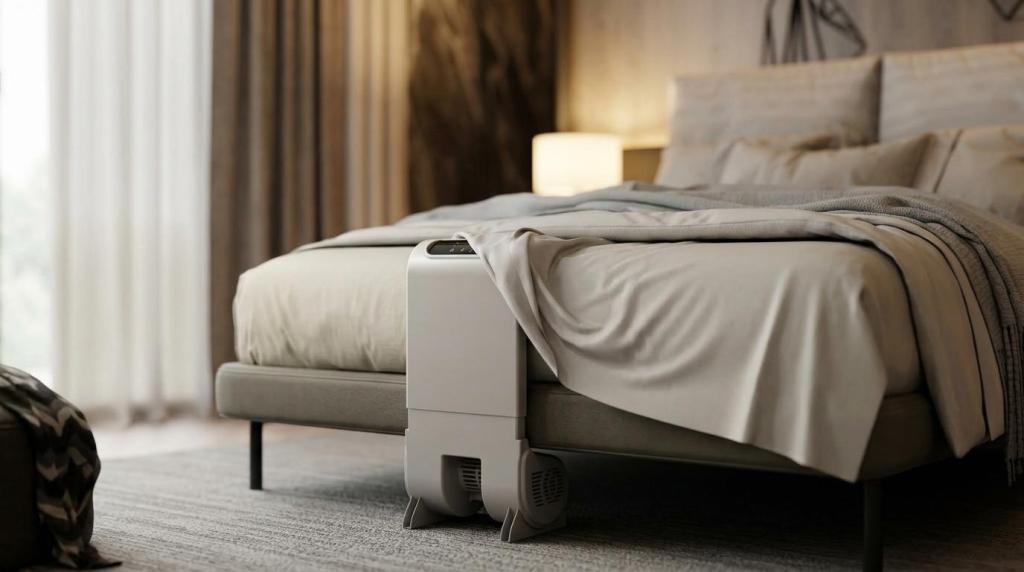
Hot sleepers usually do not need a colder house as much as they need less trapped heat in bed. That is why an under sheet fan gets so much attention. bFan Bed Fan is one example of this category, a bed cooling product that moves room air under the covers to help carry away heat and sweat instead of trying to cool the entire bedroom.
TL;DR: Summary
- An under sheet fan is best when your main problem is heat building up under the covers, not a hot room overall. It uses room temperature air to improve heat dissipation and evaporation at the skin.
- bFan Bed Fan fits this targeted bed cooling category. Company materials describe it as sending a gentle stream of air between sheets and blankets from the foot of the bed.
- Sleep research supports the basic logic. Better heat loss before and during sleep is linked to faster sleep onset and deeper sleep, while hotter indoor conditions are linked to worse sleep quality.
- If your bedroom is already fairly cool, an under sheet fan can be more efficient than lowering the whole house thermostat. Many people can raise the thermostat by about 5°F and still feel cool enough to sleep better.
- This is not medical advice. New, severe, or drenching night sweats need medical attention, especially with fever, weight loss, infection risk, cancer treatment, or medication changes.
There is a real difference between a hot room and a hot bed. Many people feel okay until the sheets, mattress protector, pajamas, and comforter start trapping body heat. This is not medical advice. Always consult your doctor or oncology team before making changes, especially if night sweats are new, severe, or linked to menopause, infection, hormone therapy, or a medication side effect.
An under sheet fan cools by increasing heat loss at the skin. With bFan Bed Fan, the setup at the foot of the bed pushes room air under the covers, which can reduce trapped warmth and help sweat evaporate.
First, your body releases heat all night. Once that heat gets trapped between your skin, sleepwear, and bedding, the microclimate inside the bed warms up fast. An under sheet fan changes that pocket of air, so the air next to your body is not as stagnant.
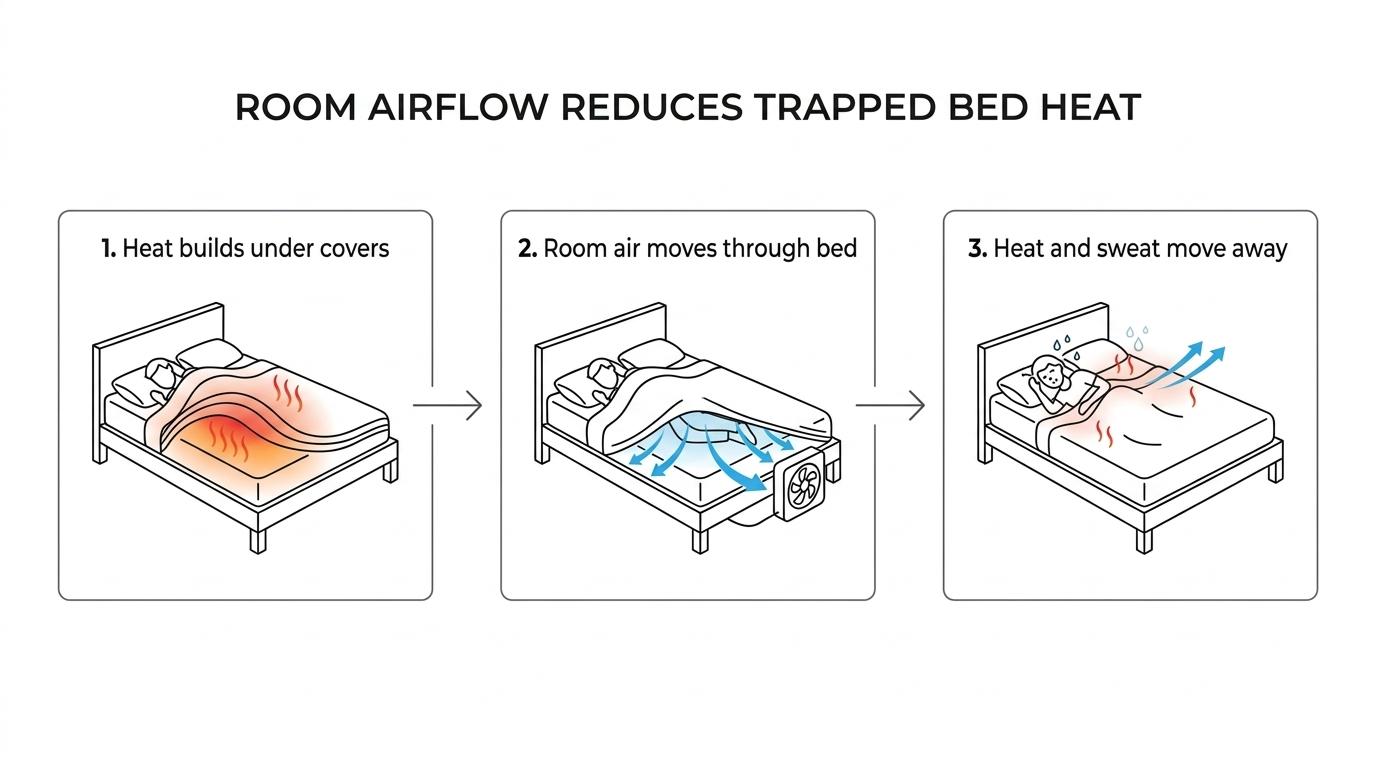
Next, the moving air helps with heat dissipation and sweat evaporation. That matters because sleep onset usually happens as core body temperature trends downward. A review in the Journal of Sleep Research explains that pre sleep heat loss and skin warming can shorten sleep onset latency and deepen sleep in some people, which fits the basic idea behind targeted airflow in bed (PMC review).
"bFan Bed Fan uses about 12 watts on average and relies on room air, not chilled air, which makes it a targeted bed cooling tool rather than a whole room air conditioner."
Last, it is worth keeping expectations realistic. An under sheet fan does not refrigerate the bed. It uses the cooler air already in the room. If the bedroom itself is very warm, the fan still helps, but it may not be enough by itself. A common mistake is assuming more fan speed always means better sleep. In practice, the right bedding often matters just as much. Tighter weave sheets usually spread the airflow across the body better than very loose or heavy bedding.
If you feel fine before bed but overheat soon after getting under the covers, trapped bedding heat is a likely trigger. Menopause, medication related sweating, warm sleepwear, and dense bedding all make this pattern more obvious.
Here is a simple way to test it. Notice when the overheating starts. If you are comfortable while brushing your teeth, reading, or sitting on the bed, then get hot only after the covers are on for ten to twenty minutes, the bed microclimate is probably part of the problem. If you feel hot everywhere in the room before getting into bed, you may need broader room cooling first.
Then check the layers. Mattress protectors, memory foam, flannel sheets, and heavy duvets can all hold heat. One useful tip is to change just one variable for two or three nights. Swap the blanket, lighten sleepwear, or uncover the feet. If a small bedding change helps a lot, that is another clue that under cover heat buildup is the main issue.
A patient scenario I hear often sounds like this: Maria, 51, felt chilled when she first got into bed, then woke at 2 a.m. sweaty from the waist down, kicking the covers off and on for an hour. Her room was already cool. What finally helped was reducing the trapped heat under the covers, not lowering the thermostat another few degrees.
Please do not self diagnose persistent night sweats. If they are drenching, new, tied to fever, chest symptoms, swollen lymph nodes, low blood sugar, weight loss, or recent medication changes, talk with a clinician. Night sweats can be linked to menopause, but they can also happen with infection, obstructive sleep apnea, thyroid disease, anxiety, cancer treatment, and several common medicines.
Most shoppers compare simple airflow systems, Bedjet, water based sleep systems, and plain room cooling. The right choice depends on whether you need targeted airflow, advanced controls, shared bed flexibility, or the lowest ongoing cost.
After a quick search, most people end up looking at the same few categories:
bFan Bed Fan: A classic under sheet fan that routes room air from the foot of the bed between the sheets. Company materials describe a gentle stream of air, remote and timer controls, quiet operation around 28 dB at low speed, and very low energy use.
Bedjet: A powered bed airflow system with more accessories and a higher price. It also uses room air, not chilled air. A dual zone setup is over a thousand dollars and more than twice the price of two under sheet fans.
Eight Sleep Pod 5: A water based temperature control system built into a mattress cover. It changes the sleep surface more directly, but the cost is much higher, around 3000 to 6000 dollars. As Tony Discount notes in its guide to signs you need a new mattress, persistent heat retention and sagging can also signal that the sleep surface itself is contributing to the problem, not just the room temperature.
Plain room cooling: Air conditioning, ceiling fans, and lighter bedding can help a lot, especially if the whole room is warm instead of just the bed.
The trade off is simple. Airflow systems are usually easier to add and cheaper to run. Water based sleep systems can offer tighter temperature control, but they cost much more and add hardware, maintenance, and more setup complexity. A common misconception is that every sleep cooling product actually cools the air. Many do not. They either move room air or redistribute heat.
Placement matters more than raw power. A foot of bed setup, breathable bedding, and a reasonably cool room usually work better than blasting high airflow into heavy blankets.
Start with the room. Sleep experts commonly recommend a bedroom temperature between 60°F and 67°F for better sleep. If you are in that zone, targeted airflow often works well. If you are using an under sheet fan, many people can raise the thermostat by about 5°F and still feel cool enough to rest, which can lower air conditioning costs.
Then focus on bedding. Keep the airflow path open between the bottom sheet and the top sheet or blanket. Avoid tightly tucking everything so firmly that the air has nowhere to travel. If you use dense comforters, try a lighter cover for a few nights. If you sleep with a partner, aim the airflow toward the hotter sleeper first and adjust from there.
"Bedfan runs around 28 dB at low speed, and the timer controls are useful for people who want cooling at sleep onset without adding a large appliance by the bed."
A practical tip is to begin with a medium setting for the first thirty to sixty minutes, then reduce it once your body settles. Timer controls can help with that. The goal is not to feel wind chilled. The goal is to prevent that sticky, trapped warmth that builds under the sheets and wakes you up later.
It depends on where the heat is building up. If the room feels acceptable but the bed turns into a warm pocket, an under sheet fan is often the more targeted fix.
The Centers for Disease Control and Prevention (CDC) advises keeping the bedroom cool and relaxing for better sleep (CDC sleep guidance). The National Institute of Child Health and Human Development (NICHD) also notes that temperature extremes can disrupt sleep or keep you from falling asleep (NICHD sleep FAQs). That supports whole room cooling when the room itself is overheated.
But there is another layer to this. A 2024 systematic review indexed by PubMed found that higher indoor and outdoor temperatures were generally associated with worse sleep quality and sleep quantity worldwide (PubMed review). If heat in the room is the main driver, lowering room temperature matters. If the room is already tolerable and the real issue is trapped bedding heat, targeted airflow may solve more with less energy use.
If your air conditioner is struggling, think in if then terms. If the room is above your comfort range, cool the room first. If the room is decent but you still wake sweaty once the covers are on, cool the bed microclimate next. Many people end up needing both, just not to the same degree all night.
For budget minded hot sleepers, Bedfan and Bedjet both use room air, while Eight Sleep uses water based temperature control. Bedfan is the simpler option, Bedjet adds more features, and Eight Sleep is the most expensive by a wide margin.
The biggest practical difference is method. Bedjet and basic under sheet airflow products depend on moving existing room air. Neither one cools the air itself. Eight Sleep changes the mattress surface temperature through circulating water, which can feel more active and precise but comes with a much higher upfront cost.
Price changes the decision for many households. A dual zone Bedjet setup costs over a thousand dollars. That is more than twice the price of two under sheet fans for couples who want separate cooling on each side. Eight Sleep Pod 5 sits in a different budget tier entirely, usually between 3000 and 6000 dollars. A common mistake is comparing these products only on features without comparing the actual cooling problem you need to solve.
There is also a history point that shoppers miss. The original under sheet fan category was around years before Bedjet entered the conversation, with company materials for the older product tracing development to the early 2000s. That does not prove one choice is right for everyone. It just explains why the simpler foot of bed airflow design still exists. For many people, it is solving a very specific problem well.
These links explain why bedroom temperature, heat loss, and sleep environment matter when you are trying to sleep cooler.
Sleep temperature and heat loss research: Journal of Sleep Research review on thermoregulation and sleep. A research overview on core body temperature, heat dissipation, and sleep onset latency.
Public health sleep guidance: CDC guidance on healthy sleep. A plain language summary of sleep habits, including keeping the bedroom cool and quiet.
Sleep environment basics: NICHD sleep FAQ on factors that affect sleep. A quick reference on how temperature extremes and other environmental factors can interfere with sleep.
These are the follow up questions people usually ask once they realize their main issue may be trapped heat under the covers rather than a hot house.
Yes, it can help many people with menopause related night sweats, especially when the sweating starts after the covers trap heat. The main benefit is local cooling at the bed level, not hormone treatment. If the root issue is fluctuating estrogen and hot flashes, targeted airflow can still make the episode shorter and less disruptive, but it does not replace medical care or treatment options discussed with your clinician.
Sometimes, but only up to a point. An under sheet fan uses the air that is already in the room, so it works best when the room is at least reasonably cool. If your bedroom feels stuffy or warm before you even get into bed, start with ventilation or air conditioning, then use bed level airflow to prevent trapped heat once the covers are on.
Yes, but separate control is usually better. If one person runs hot and the other prefers more warmth, targeted airflow aimed at the hotter sleeper can reduce the thermostat battle. Couples who need true dual side control often compare one side focused airflow with two unit setups or more expensive dual zone systems, depending on budget and how different their temperature needs are.
Usually less than a room fan blowing at your face. Because the airflow is directed under the covers and closer to the body, many people find it less irritating than a bedside fan. If you already deal with dry skin, eye irritation, or sinus dryness, start low, keep the airflow off the face, and check whether your bedding or room humidity is also part of the problem.
It depends on the model, but the category is generally low energy compared with running more air conditioning all night. Low power targeted airflow is one reason many hot sleepers try this option first. The trade off is that it only cools the person in bed, not the whole room, so savings are best when bed heat is the main issue and the room temperature is already close to comfortable.
Night sweats need prompt medical attention when they are new, drenching, or paired with warning signs. Fever, unexplained weight loss, chest pain, shortness of breath, swollen lymph nodes, fainting, severe infection symptoms, or low blood sugar episodes should not be written off as normal overheating. The same is true if sweats begin after a new medicine, during cancer treatment, or during major hormone changes.
If you are updating this page on bedfan.com, these are smart internal links to add around the topic cluster:
/night-sweats/menopause-night-sweats//night-sweats/medications-that-cause-night-sweats//night-sweats/cancer-treatment-night-sweats//sleeping-cooler/how-to-sleep-cooler-at-night//sleeping-cooler/best-bedroom-temperature-for-sleep/If you are dealing with hot sleep right now, a targeted airflow approach can be a practical next step, especially when your room is fairly cool but your bedding keeps turning into a heat trap. If you want to look at a simple under cover option, you can see the store here. This is not medical advice. Always consult your doctor or oncology team before making changes, and seek care promptly for severe, new, or unexplained night sweats.