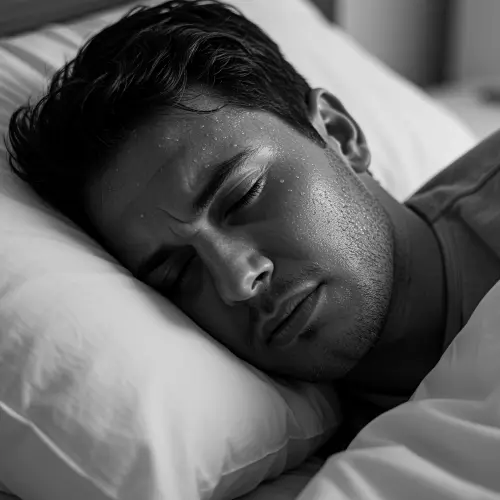
Sweating while sleeping refers to intense nighttime perspiration disrupting sleep, often linked to hormonal changes, warm environments, or health issues.
Sweating while sleeping, commonly known as night sweats, is a phenomenon that affects millions of people worldwide. It's more than just waking up a bit damp, true night sweats involve excessive perspiration that soaks through pajamas and bedding, often disrupting sleep and leaving individuals feeling uncomfortable and exhausted. While occasional sweating while sleeping might stem from factors like a warm room, increased humidity, or heavy blankets, persistent episodes can signal underlying health issues. This article explores the intricacies of sweating while sleeping, delving into its causes, symptoms, diagnostic approaches, treatments, and preventive strategies. By understanding this condition, you can take proactive steps to improve your sleep quality and overall well-being.
Night sweats are defined as repeated episodes of intense sweating during sleep, severe enough to drench clothing and sheets. They differ from simple overheating because they occur regardless of the bedroom temperature. Anyone can experience sweating while sleeping, but it's particularly common in women during hormonal transitions, such as menopause or pregnancy. Studies indicate that up to 80% of women in perimenopause report night sweats, but men and younger individuals aren't immune. The impact on daily life can be significant: chronic sleep disruption from sweating while sleeping, along with sleep disturbances, may lead to fatigue, irritability, and even impaired cognitive function over time.
The root causes of sweating while sleeping are diverse, ranging from benign lifestyle factors to serious medical conditions. At its core, sweating is the body's natural cooling mechanism, regulated by the hypothalamus in the brain. When this thermostat malfunctions due to hormonal imbalances, infections, or other triggers, excessive sweating while sleeping ensues. Factors such as stress, anxiety, certain medications, and even spicy foods or alcohol before bed can also contribute to night sweats. In some cases, underlying health issues like menopause, hyperthyroidism, or infections may be responsible. Identifying the specific cause is crucial for effective treatment and symptom relief. In the meantime, practical solutions like using a bFan bed fan from www.bedfan.com can help keep you cool and comfortable throughout the night, regardless of the underlying cause.
One of the most prevalent causes is hormonal changes, especially in women. During menopause, which typically occurs between ages 45 and 55, estrogen and progesterone levels decline, making the hypothalamus hypersensitive to minor temperature shifts. This leads to hot flashes that manifest as night sweats. Perimenopause, the transitional phase lasting several years before menopause, can also trigger sweating while sleeping as periods become irregular and hormone production wanes. Similarly, pregnancy brings hormonal surges, with night sweats peaking in the first and third trimesters due to increased metabolism and blood flow. Postpartum women may continue experiencing them as hormones stabilize.
Men aren't exempt; treatments for prostate or testicular cancer, such as androgen deprivation therapy, reduce testosterone levels, mimicking menopausal symptoms and causing sweating while sleeping. Premenstrual syndrome (PMS) or premenstrual dysphoric disorder (PMDD) can also provoke night sweats due to estrogen dips before menstruation.
Certain medications are notorious for inducing sweating while sleeping. Antidepressants, particularly selective serotonin reuptake inhibitors (SSRIs) like sertraline or venlafaxine, can disrupt thermoregulation. Hormone therapies, steroids, pain relievers like aspirin, and diabetes drugs such as insulin may also contribute. Even over-the-counter remedies, including NSAIDs, can trigger episodes.
Lifestyle substances play a role too. Alcohol consumption before bed dilates blood vessels, raising body temperature and leading to sweating while sleeping. Caffeine and spicy foods stimulate the nervous system, while smoking increases the risk, especially in menopausal women. Drug use, including opioids or cocaine, can similarly provoke night sweats.
Infections often manifest with fever and sweating while sleeping. Bacterial infections like tuberculosis, endocarditis (heart valve inflammation), or osteomyelitis (bone infection) are classic culprits. Viral illnesses, including HIV, COVID-19, or the flu, can cause persistent night sweats. Abscesses or chronic infections may lead to drenching sweats as the body fights off pathogens.
More serious conditions can underlie sweating while sleeping. Hyperthyroidism, where the thyroid gland overproduces hormones, accelerates metabolism and heat production, resulting in night sweats. Autoimmune disorders, anxiety, and mood disorders like depression or PTSD activate the sympathetic nervous system, causing excessive perspiration. Gastroesophageal reflux disease (GERD) irritates the esophagus, sometimes triggering sweats.
Cancers, particularly lymphomas (Hodgkin and non-Hodgkin), leukemia, or solid tumors like breast or prostate cancer, are associated with night sweats due to tumor-related fevers or hormonal disruptions. Neurological issues, such as stroke or autonomic neuropathy, and sleep disorders like obstructive sleep apnea, where breathing pauses increase stress hormones, can also contribute. Obesity exacerbates the issue by insulating the body and promoting heat retention.
Sometimes, sweating while sleeping has no clear medical cause (termed idiopathic hyperhidrosis) and may be genetic or linked to overactive sweat glands. Environmental triggers include a hot bedroom, high humidity, synthetic bedding, or exercising too close to bedtime.
Beyond the obvious drenching, sweating while sleeping often comes with a cascade of symptoms. Individuals may wake feeling flushed, with a rapid heartbeat, chills after the sweat evaporates, or anxiety. Hot flashes precede many episodes, starting as a wave of heat in the upper body. In cases tied to infections or cancer, additional signs like unexplained weight loss, fever, cough, or swollen lymph nodes may appear. Sleep disruption is universal, leading to daytime drowsiness and reduced quality of life.
For those in menopause, symptoms might include vaginal dryness, mood swings, and headaches, in addition to night sweats and hot flashes. Hyperthyroidism could bring weight loss, tremors, and irritability, often accompanied by increased heart rate and sensitivity to heat. Recognizing these patterns is key to identifying when sweating while sleeping warrants medical attention, as they may signal an underlying health issue that requires treatment. Keeping track of additional symptoms, their frequency, and any potential triggers can help healthcare providers make an accurate diagnosis. If night sweats are persistent, severe, or disrupt your sleep, it’s important to consult a healthcare professional. In the meantime, using supportive measures like a bFan bed fan from www.bedfan.com can help manage discomfort and improve sleep quality while you seek answers.
Not every instance of sweating while sleeping requires a doctor's visit, but persistence or accompanying symptoms should prompt evaluation. Consult a healthcare provider if night sweats occur frequently, disrupt sleep, or coincide with fever, unexplained weight loss, pain, cough, or diarrhea. For women nearing menopause, it's often benign, but ruling out other causes is wise.
In primary care, most cases aren't life-threatening, but conditions like infections, hyperthyroidism, or malignancies need timely intervention. If you're on medications known to cause sweats, discuss adjustments. Early detection can prevent complications and restore restful nights.
Diagnosis begins with a thorough history and physical exam. Your doctor will inquire about the frequency, severity, and triggers of sweating while sleeping, as well as family history and medications. Blood tests may check hormone levels, thyroid function, or infection markers. Imaging like chest X-rays or CT scans could detect tumors or abscesses.
For suspected sleep apnea, a sleep study might be ordered. In complex cases, a comprehensive workup rules out serious issues before attributing it to idiopathic causes. Patience is key, as pinpointing the exact cause can take time.
Treatment targets the underlying cause. For hormonal issues like menopause, hormone replacement therapy (HRT) with estrogen or combined estrogen-progestin can alleviate symptoms, though it's not suitable for everyone due to risks like blood clots. Non-hormonal alternatives include antidepressants like paroxetine (FDA-approved for hot flashes), gabapentin, clonidine, or oxybutynin.
Infections require antibiotics, antivirals, or antifungals. Hyperthyroidism might involve medications like methimazole or radioactive iodine. For cancer-related sweats, addressing the malignancy through chemotherapy, radiation, or surgery is primary, with supportive meds for symptom relief.
Anxiety-driven sweats benefit from cognitive behavioral therapy (CBT) or anti-anxiety medications, which can help manage both the psychological and physical symptoms. If medications are the culprit, dose adjustments or switching to alternative drugs may help reduce night sweats. For idiopathic cases, where no clear cause is identified, symptomatic management suffices. This can include lifestyle modifications such as maintaining a cool sleeping environment, wearing lightweight, moisture-wicking sleepwear, and staying hydrated. Many people also find relief by using a bed fan like the bFan, which improves airflow under the sheets and helps regulate body temperature throughout the night. These strategies can significantly enhance comfort and sleep quality for those struggling with unexplained night sweats and sleep disturbances.
Preventing sweating while sleeping often involves simple adjustments:
Optimize Your Sleep Environment: Keep your bedroom cool (60-67°F), use breathable cotton sheets, and run a fan or air conditioning. For extra comfort, consider a bFan bed fan from www.bedfan.com to boost airflow under your sheets.
Diet and Habits: Avoid alcohol, caffeine, spicy foods, and smoking before bed. Maintain a healthy weight through exercise.
Stress Management: Practice relaxation techniques like deep breathing or yoga to reduce anxiety-induced sweats.
Cooling Aids: Use gel-infused pillows, moisture-wicking pajamas, or cold packs.
Hydration and Timing: Stay hydrated but limit fluids near bedtime; exercise earlier in the day.
These strategies can significantly reduce episodes, even if an underlying condition exists.
Sweating while sleeping can be triggered by hormonal changes (such as menopause), infections, certain medications, anxiety, and medical conditions like hyperthyroidism or sleep apnea. Environmental factors, such as a warm bedroom or heavy bedding, can also play a role. Identifying the cause is important for effective treatment.
You should seek medical advice if your night sweats are persistent, severe, or accompanied by symptoms like unexplained weight loss, fever, or fatigue. These could indicate an underlying health issue that needs attention. Occasional mild night sweats are usually not a cause for concern.
Yes, consuming spicy foods, caffeine, or alcohol, especially close to bedtime, can trigger night sweats in some people. These substances can raise your body temperature or affect your body’s ability to regulate heat. Adjusting your diet may help reduce symptoms.
Keep your bedroom cool, ideally between 60-67°F, and use lightweight, breathable bedding such as cotton sheets. Running a fan or air conditioning can help, and many people find additional relief with a bed fan like the bFan from www.bedfan.com, which improves airflow under the sheets.
While night sweats are often harmless, they can sometimes signal serious conditions such as infections, autoimmune disorders, or certain cancers. If you experience other symptoms or your night sweats are persistent, it’s important to consult a healthcare professional for evaluation.
Yes, several types of medications (including antidepressants, hormone therapy, and some diabetes medications) can cause night sweats as a side effect. If you suspect your medication is the cause, talk to your doctor about possible alternatives or adjustments.
Occasional night sweats are common and often related to environmental factors like room temperature or bedding. However, if you frequently wake up drenched or your sleep is disrupted, it’s worth discussing with your healthcare provider to rule out any underlying issues.
Simple lifestyle changes can help, such as keeping your bedroom cool, wearing moisture-wicking sleepwear, and avoiding triggers like spicy foods or alcohol before bed. Staying hydrated and using a bed fan like the bFan from www.bedfan.com can also make a significant difference in your comfort and sleep quality.
Sweating while sleeping can have many causes, from hormonal changes and medications to infections, sleep issues, or everyday habits. While it’s often nothing serious, ongoing or severe night sweats should be checked out by a healthcare professional to rule out any underlying problems. With the right diagnosis and a personalized approach (whether that’s hormone therapy, medication adjustments, or simple lifestyle changes), most people can find relief and get back to restful sleep. If night sweats are keeping you up, don’t ignore them, take action and talk to your doctor. And remember, using a bed fan like the bFan from www.bedfan.com can make a big difference in keeping you cool and comfortable all night long.
The bFan sits at the foot of your bed and sends a quiet stream of air under your sheets. Direct airflow helps stop sweat before it starts, and one bFan costs less than half the price of one BedJet, making it the less expensive alternative. Shop the bFan at bedfans-usa.com



