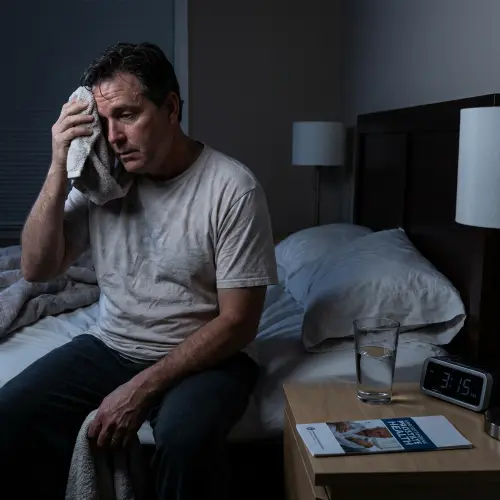
Prostate cancer night sweats significantly impact men's lives, linked to various treatments; solutions like the Bedfan offer relief.
Night sweats are a distressing symptom that can significantly impact the quality of life for men with prostate cancer. In addition to night sweats, many men also experience hot flushes, which are similar in nature to those experienced by women during menopause. While hot flashes, hot flushes, and night sweats are often associated with menopause in women, they are also common and under-discussed issues for men, particularly those undergoing treatment for prostate cancer. This comprehensive article explores the causes, mechanisms, and management strategies for prostate cancer night sweats, with a focus on practical solutions—including the innovative Bedfan (also known as bFan or Bed Fan)—to help patients and their loved ones cope more effectively.
Prostate cancer is the most common non-skin cancer among men, particularly those over the age of 50. It originates in the prostate gland, a small walnut-shaped organ located below the bladder and in front of the rectum. The prostate produces seminal fluid, which nourishes and transports sperm. Unlike breast cancer, which predominantly affects women, prostate cancer poses unique challenges for men, particularly related to treatment side effects such as hot flashes, hot flushes, and night sweats.
Treatment options for prostate cancer depend on the stage and aggressiveness of the disease, as well as the patient’s overall health and preferences. The main treatments include:
While these treatments can be effective, they often come with side effects—one of the most troublesome being night sweats and hot flashes, which may sometimes be managed with anticonvulsants.
Night sweats refer to episodes of excessive sweating during sleep that can drench sleepwear and bedding. They are distinct from simply feeling warm at night; night sweats are usually intense enough to disrupt sleep and require a change of clothes or sheets. These episodes often present as sudden hot flushes that may accompany the sweating.
The most common cause of night sweats in men with prostate cancer is hormone therapy, specifically androgen deprivation therapy (ADT). ADT works by reducing levels of testosterone, the male hormone that can stimulate the growth of prostate cancer cells. However, testosterone also plays a role in regulating body temperature. When testosterone levels drop, the body’s temperature regulation system becomes unstable, leading to both hot flushes and night sweats. This phenomenon is similar to what women experience during menopause, though women battling breast cancer or other hormone-sensitive conditions may see similar effects.
Night sweats, along with the discomfort of hot flushes, can have a profound effect on a patient’s well-being, including:
While night sweats and hot flushes are common side effects of prostate cancer treatment, it’s important to rule out other potential causes, such as:
A thorough evaluation by a healthcare provider is essential to ensure appropriate management.
While medical and lifestyle interventions are important, many men continue to struggle with night sweats and hot flushes despite their best efforts. This is where innovative products like the Bedfan (also known as bFan or Bed Fan) can make a significant difference.
The Bedfan is a unique, under-the-covers cooling system designed to provide targeted airflow directly to the sleeper. Unlike traditional fans or air conditioning, the Bedfan delivers a gentle stream of air between the sheets, helping to evaporate sweat and regulate body temperature without chilling the entire room.
Many men with prostate cancer have found that using a Bedfan dramatically reduces the discomfort of night sweats and hot flashes, allowing for more restful sleep and less disruption to their nightly routine.
"After starting hormone therapy for prostate cancer, I was waking up drenched several times a night and troubled by sudden hot flushes. I tried everything—lighter pajamas, open windows, even sleeping on towels. The Bedfan was a game-changer. Now I sleep through the night, and my wife is happier too!" — John, 62
While night sweats and hot flashes and flushes are common side effects of prostate cancer treatment, certain symptoms warrant prompt medical attention:
Living with cancer is challenging enough without the added burden of sleep disruption. Night sweats and hot flashes and flushes can lead to:
It’s important to address these psychological effects with your healthcare team. Counseling, support groups, and open communication with loved ones can help.
Night sweats and hot flushes don’t just affect the patient—they can disrupt the sleep and well-being of partners as well. Strategies for couples include:
Research is ongoing to better understand the mechanisms behind hot flushes and night sweats in men and to develop more effective treatments. Personalized medicine, improved hormone therapies, and innovative cooling technologies like the Bedfan are all part of a multi-faceted approach to improving quality of life for men with prostate cancer. Several clinical trials are currently assessing new approaches to reduce both hot flushes and night sweats, promising even better management options in the near future.
Night sweats are a common and challenging side effect of prostate cancer and its treatments, particularly hormone therapy. While they can significantly disrupt sleep and quality of life, a combination of medical, lifestyle, and environmental strategies can offer relief. Innovative solutions like the Bedfan provide targeted, energy-efficient cooling that can make a real difference for those struggling with night sweats and hot flushes. Although hot flushes and hot flashes may be distressing, managing them with a combination of therapies—including medications, lifestyle adjustments, complementary therapies, and tracking symptoms in a personal diary—can improve overall quality of life. If you or a loved one is experiencing night sweats and hot flushes related to prostate cancer, don’t hesitate to discuss your symptoms with your healthcare provider and explore the full range of management options available.
Night sweats in men with prostate cancer are most commonly caused by hormone therapy, specifically androgen deprivation therapy (ADT), which lowers testosterone levels. This hormonal change disrupts the body’s natural temperature regulation, leading to episodes of excessive sweating and hot flushes during sleep. Other contributing factors include stress, medications, infections, and the cancer itself.
Night sweats and hot flashes are usually side effects of treatment rather than a sign of cancer progression. However, if you experience new or worsening symptoms, such as persistent fever or unexplained weight loss, it’s important to consult your healthcare provider. They can help determine if further evaluation is needed to rule out infection or other causes.
Managing night sweats at home involves keeping your bedroom cool, using lightweight and moisture-wicking bedding, and wearing breathable sleepwear. Avoiding triggers like spicy foods, caffeine, and alcohol can also help. Many patients find relief with cooling devices such as the Bedfan, which provides direct airflow under the sheets to keep you comfortable throughout the night and reduce hot flushes.
Yes, certain medications can help reduce the frequency and severity of night sweats and hot flushes. Low-dose antidepressants, gabapentin (an anticonvulsant), and clonidine are sometimes prescribed for this purpose. Always discuss the risks and benefits of these medications with your doctor, as they may have side effects or interact with other treatments you are receiving.
The Bedfan is a non-invasive, mechanical cooling device that is safe for use by cancer patients. It does not interfere with medical treatments or medications and provides targeted airflow to help manage night sweats and hot flushes. Many men with prostate cancer report improved sleep quality and comfort when using the Bedfan or similar bed fan systems.
Excessive night sweats can lead to fluid loss, but significant dehydration is uncommon unless sweating is very severe or accompanied by other symptoms like vomiting or diarrhea. It’s important to stay hydrated by drinking water throughout the day and to consult your doctor if you notice signs of dehydration such as dry mouth, dizziness, or dark urine.
Absolutely. Simple lifestyle changes—such as maintaining a cool sleeping environment, managing stress, and avoiding dietary triggers—can significantly reduce the frequency and severity of night sweats and hot flushes. Combining these strategies with medical management and tools like the Bedfan often provides the best results.
You should talk to your doctor if night sweats or hot flushes are severe, disrupt your sleep regularly, or are accompanied by other concerning symptoms like fever, weight loss, or persistent fatigue. Your healthcare provider can help identify the underlying cause and recommend appropriate treatments or adjustments to your current therapy.
By understanding the causes and exploring a range of solutions—including medical management, lifestyle adjustments, and innovative technologies like the Bedfan—men with prostate cancer can take proactive steps to manage night sweats and hot flushes and reclaim restful, restorative sleep.