Learn whether sotalol (Betapace) night sweats may be a side effect, other possible causes, and when to seek care.
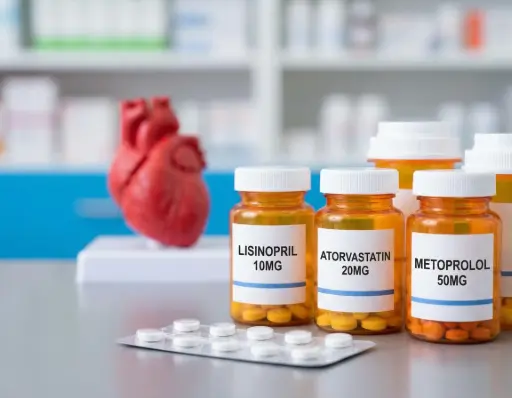 If you started noticing night sweats after beginning sotalol, or after a dose change, you’re not imagining things. Waking up hot, damp, and uncomfortable can leave you tired the next day, and it can also make you wonder whether the medication is the problem or whether something else is going on. Sotalol, known by the brand name Betapace, which is available as an oral tablet, oral solution, or even an intravenous solution in hospital settings, is used primarily for cardiac arrhythmia and arrhythmia-related issues. It’s also important to note that when prescribing sotalol, clinicians may check creatinine clearance and recommend electrocardiographic monitoring due to potential QT prolongation and QT interval prolongation.
Sotalol is a beta blocker with antiarrhythmic effects. In plain English, that means it can slow certain heart responses and help keep abnormal rhythms under control, including irregular heartbeat and even managing ventricular tachycardia in specific situations. This is useful in conditions like heart failure and other cardiac arrhythmia complications, but it also means your body may feel a bit different on it, especially in the first stretch after starting treatment or adjusting the dose. Particularly in patients who are breastfeeding, the decision to use sotalol is weighed carefully due to its side effects and potential impact on both the mother and the infant.
Some people on sotalol notice fatigue, dizziness, a slower heart rate, or feeling colder in their hands and feet. Others notice sweating, sleep disruptions, or odd overnight temperature swings, all of which can be known side effects. Along with these side effects, some patients may experience depression, rash, vomiting, or even an allergic reaction. While chest pain and irregular heartbeat are concerning, they can sometimes be side effects related to sotalol, but they may also indicate that the underlying arrhythmia has not been fully controlled.
The tricky part is that sweating can also happen when the heart rhythm is not fully controlled, such as when there is a brief episode of cardiac arrhythmia. If you wake up sweaty and your heart feels like it’s fluttering, pounding, or skipping a beat, that may be a clue that the symptom is not just a medication side effect. In some cases, these symptoms might require prompt cardiac resuscitation measures if severe arrhythmias develop.
There are a few ways sotalol may connect to night sweats.
One is a direct medication response. Every nervous system reacts a little differently, and some people become more aware of body temperature changes at night when sleep is lighter or more broken up. If sotalol leaves you restless, with vivid dreaming or waking more often, you may notice sweating more than you used to. Also, some side effects such as dizziness or a slight allergic reaction may contribute to nighttime discomfort.
Another possibility is that sotalol changes how you perceive exertion, stress, or heart rhythm changes. A brief overnight rhythm episode, even a mild one with an irregular heartbeat, can trigger sweating. That can look like a medication problem when it’s really a symptom tied to the reason you were prescribed sotalol in the first place, for instance in the context of managing a cardiac arrhythmia or arrhythmia-induced heart failure.
It’s also worth looking at timing. If night sweats began soon after starting Betapace or right after your dose was increased, that timing matters. It does not prove the medicine is the cause, but it gives your prescriber a useful clue. Such dose adjustments might also coincide with changes in side effects that include QT prolongation, and in some cases, might prompt additional electrocardiographic monitoring.
After you’ve looked at the timeline, a few common patterns tend to stand out:
This is where things get real, because night sweats are common and they have a long list of possible causes. If you’re taking sotalol, it’s easy to immediately blame the prescription, but that can sometimes send you in the wrong direction for other contributing factors.
Hormone shifts are a big one, and menopause and perimenopause are classic causes, but they’re not the only ones. Thyroid problems, infection, blood sugar swings, anxiety, reflux, alcohol consumption, and even antacids, when taken in combination with other medications, can all show up as sweating at night. A lot of people taking heart medications like sotalol are also taking other prescriptions that can contribute, including antidepressants, steroids, diabetes medications, and hormone therapies. This complex medication profile may increase side effects like dizziness, vomiting, or even chest pain.
Then there’s the bedroom itself. Heavy blankets, synthetic sleepwear, memory foam that holds heat, and a consistently warm room can turn a mild sweating tendency into a nightly mess. Sleep experts usually recommend a bedroom temperature between 60°F and 67°F, which is cooler than many people keep it.
A few non-sotalol reasons are especially common:
A sweaty night here and there is one thing, but repeated drenching sweats or sweats with other symptoms deserve a real check-in.
Call your prescriber if the sweating started after Betapace (sotalol) was added, if it became worse after a dose change, or if it’s interfering with sleep several nights a week. You should also reach out if you’re experiencing new fatigue, weakness, loss of appetite, fever, or weight loss, because at that point the question is bigger than comfort. Keep in mind that while side effects like chest pain or dizziness can be attributed to sotalol, they may also herald a worsening arrhythmia or even heart failure.
Get urgent help if sweating comes with symptoms that may point to a heart rhythm problem or another serious issue. Sotalol can affect the QT interval, which means abnormal rhythms, especially ventricular tachycardia, are taken seriously. Watch for these red flags:
One more thing, don’t stop sotalol on your own unless your clinician tells you to, because with a rhythm medication sudden changes can create a bigger problem than the symptom you’re trying to fix. This is especially important when balancing managing arrhythmia and preventing side effects such as QT prolongation.
Good notes can save a lot of back and forth. You do not need a fancy app, a basic phone note or a piece of paper works fine.
Write down when the sweating happens, how bad it is, and what else is happening around it. That gives your cardiologist, primary care doctor, or pharmacist something concrete to work with, instead of a vague “I’ve been sleeping hot.”
A simple symptom log should include:
If you have a smartwatch or a home blood pressure cuff, that can help too, as long as you don’t obsess over every number because trends matter more than a single reading at 2:00 a.m.
You may not be able to fix the cause overnight, but you can usually make sleep more tolerable while you and your clinician sort things out.
Start with the basics. Use breathable bedding, lighter sleepwear, and keep the room in that 60°F to 67°F range sleep experts recommend. If central AC is expensive, or if your partner prefers a warmer room, targeted bed cooling can make more sense than blasting the whole house.
Here is where a bed fan can be genuinely useful. The bFan from www.bedfans-usa.com is designed to move the cooler air already in your room between your sheets, which helps carry away trapped body heat. The bedfan does not cool the air itself, and neither does Bedjet. These products only use the cool air already in the room to cool your bed. Many people can raise the room temperature by about 5°F and still sleep cool with a bedfan, which can take some pressure off your AC bill.
A few details matter here. The Bedfan sound level is between 28db and 32db at normal operating speed, and it uses only 18 watts on average. The bedfan offers timer controls to reach the recommended sleep and works best when you use sheets with a tight weave so that the air flows across your body instead of leaking away too quickly.
If you’re comparing options, keep this in mind:
A few practical tweaks can help right away:
When you bring this up, keep it simple and specific. Say when the sweating started, how often it happens, whether the sheets are actually wet, and whether it came after a new dose or another medication change. If you wake up with palpitations or an irregular heartbeat, say that clearly. Also mention if you have experienced any other side effects such as dizziness, chest pain, or even symptoms suggesting QT prolongation.
It also helps to ask direct questions, such as, could this be a side effect of sotalol, could another medication be adding to it, or do I need labs, a rhythm check, or a sleep apnea evaluation. Those questions move the conversation along. Pharmacists can be especially helpful here because they’re trained to spot medication combinations that quietly increase sweating or mess with sleep. They also know about the importance of monitoring creatinine clearance and being cautious with sotalol in breastfeeding patients.
Some people assume that if the cause is medical, comfort changes won’t matter much, but in real life, they often matter a lot. Even when a medication or hormone shift is the underlying trigger, trapped heat in the bed can turn a manageable problem into an exhausting one.
Mattresses, foam toppers, mattress protectors, and thick comforters tend to hold heat close to the skin. Once that heat is trapped under the covers, your body has a harder time unloading it. That’s why targeted airflow, breathable bedding, and a cooler sleep environment can make such a noticeable difference.
And if you’re taking sotalol to manage a cardiac arrhythmia or irregular heartbeat, better sleep is not a small thing. Poor sleep can make you feel more anxious, more sensitive to symptoms, and less able to tell what’s actually changing in your body.
If your night sweats are new, intense, or coming with palpitations and chest pain, start with your prescriber. If they’re persistent but mild, it still makes sense to bring them up, and to make your sleep setup work harder for you in the meantime. A cooler bed, lighter bedding, and a focused option like a bed fan can make the nights a lot easier while you sort out the medical side.
Remember that sotalol, like any medication, can come with side effects, and its use requires a careful balance between managing conditions such as cardiac arrhythmia, heart failure, and potential QT interval prolongation, while minimizing side effects like dizziness, rash, or even vomiting. Always consult your healthcare provider before making any changes.
Night sweats are episodes of excessive sweating during sleep that can soak your sheets and disrupt your rest. Sotalol (Betapace), a medication used for heart rhythm problems, has been reported by some patients to cause night sweats as a side effect. If you notice this symptom after starting sotalol, it's a good idea to mention it to your healthcare provider.
Night sweats themselves are usually not dangerous, but they can be uncomfortable and may affect your sleep quality. However, if night sweats are accompanied by other symptoms like fever, chest pain, or irregular heartbeat, you should contact your doctor right away. Sometimes, night sweats can signal that your body is reacting to the medication or that there is another underlying issue.
Night sweats are not among the most common side effects of sotalol, but they do occur in some people. More typical side effects include dizziness, fatigue, and cold sweats. If you experience persistent or severe night sweats, let your doctor know so they can help you manage this side effect.
If you start having night sweats after beginning sotalol, keep a record of how often they happen and how severe they are. Make sure to stay hydrated and keep your sleeping environment cool. Talk to your doctor about your symptoms, as they may want to adjust your dose or explore other causes.
Absolutely, making your sleep environment cooler can help reduce night sweats. Use lightweight, breathable sheets with a tight weave to help air flow and carry away heat. Many people find relief by using a bedfan or bfan, which circulates cool room air under your sheets and helps you sleep more comfortably, even if you need to keep the room a little warmer.
If night sweats are affecting your quality of life, talk to your doctor about other medication options. There are several alternatives for managing heart rhythm issues, and your doctor can help you weigh the benefits and side effects of each. Never stop or change your medication without consulting your healthcare provider first.
To improve sleep, keep your bedroom cool, wear moisture-wicking pajamas, and use a fan or bfan to circulate air under your sheets. Sleep experts recommend keeping your room between 60°F and 67°F for optimal rest, and with a bedfan, many people can raise their room temperature by about 5°F and still stay cool at night.
While neither sotalol nor devices like the Bedjet or bedfan cool the air, using a bedfan or bfan can make a big difference for night sweats by moving cool room air across your body. The bedfan uses only 18 watts on average, offers timer controls, and costs less than half the price of a single Bedjet. For dual-zone comfort, the bedfan is still more affordable than the dual-zone Bedjet, which is over a thousand dollars. The original bedfan came to market years before Bedjet and remains a top choice for managing night sweats.
If your night sweats are severe, persistent, or come with other symptoms like fever, chest pain, or irregular heartbeat, reach out to your doctor right away. It's important to rule out any serious issues and make sure your medication is working safely for you. Your doctor can help you decide if any changes are needed to your treatment plan.