Metoprolol (Lopressor) night sweats can happen after a start or dose change. Learn causes, red flags, and safe relief tips.
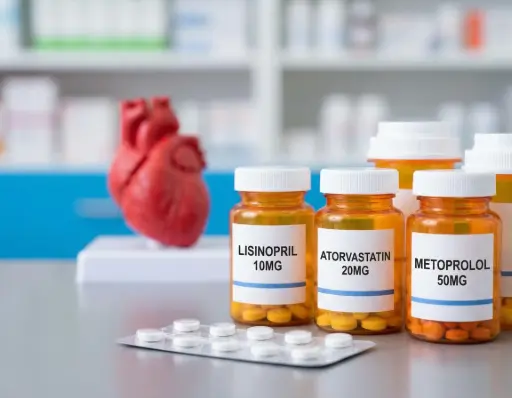 If you’ve started dealing with sweating episodes after beginning metoprolol, a well-known beta‑blocker often used in the treatment of hypertension, or after a dosage change, you are not imagining things. Metoprolol, including the brand Lopressor, can be linked to sweating in some people, and that can show up at night when you are trying to sleep. It is not the most common side effect among beta‑blockers, but these adverse side effects do happen and are worth noting.
The tricky part is that night sweats are rarely a one‑cause problem. Sometimes the medication is the main trigger, while in other cases it may be part of a bigger picture that includes blood sugar shifts, anxiety, sleep apnea, hormone changes, or another medicine taken alongside metoprolol. If you are a geriatric patient or even in pediatric cases where careful dose adjustments are required, or if you have known allergies to certain beta‑blockers, these factors can further complicate your situation. That is why the best approach is to look at timing, symptom patterns, and any changes in your routine, then bring that full picture to your doctor.
Yes, it can.
Metoprolol is a beta‑blocker, often prescribed for high blood pressure, chest pain, irregular heart rhythms, and after certain heart events. It is a key part of treatment for conditions such as hypertension, angina, and heart failure. While it is typically well‑tolerated, like many beta‑blockers, it comes with potential side effects including night sweats. For patients who have experienced a stroke or heart attack, metoprolol may be integrated into their overall treatment plan. Although Lopressor is the immediate‑release form, there is also an extended-release formulation available to help maintain steadier blood concentrations and potentially reduce some side effects, including extended-release options for those who need them.
Like other beta‑blockers, metoprolol changes how your body responds to adrenaline and affects heart rate and circulation, and in some people, that shift seems to be tied to increased sweating, including sweating during sleep. These side effects may be more pronounced with higher dosage levels, and they can sometimes occur unexpectedly even after long‑term therapy. In pediatric cases, as well as among geriatric patients, careful monitoring is essential to adjust the treatment appropriately and minimize side effects.
That said, “can cause” is not the same as “always causes.” Night sweats while taking metoprolol do not automatically mean the drug is solely responsible. If the sweating started soon after you began taking Lopressor, worsened when the dosage was increased, or tends to happen after your evening dose, the medication moves higher on the list of suspects. Other contributing factors might include concurrent use of other drugs, such as certain antidepressants that are well‑known for causing side effects like sweating, as well as conditions like hypoglycemia, which might also occur overnight.
A simple symptom log can help a lot here:
There is not one neat explanation that fits everyone, but a few common patterns show up.
First, metoprolol alters your autonomic nervous system response, and this beta‑blocker not only reduces heart rate and oxygen demand in angina but also affects how your body regulates temperature. In some people, that shift is enough to make nighttime sweating more likely.
Second, beta‑blockers like metoprolol can impact sleep quality. Some people report vivid dreams, restless sleep, or frequent waking, and if you are waking up more often, you may notice that sweating that you would have otherwise slept through. The medicine may not literally be “heating you up,” but it can enhance the perception of being warm, making the problem feel worse.
Third, there is the role of blood sugar. This is particularly important if you have diabetes, prediabetes, or are prone to hypoglycemia overnight, because beta‑blockers can mask some warning signs of low blood sugar while sweating may still occur. Moreover, if you have conditions such as angina or heart failure, the interplay between your overall cardiovascular status and metoprolol’s action might intensify this side effect. In patients with kidney failure, the clearance of the medication can be altered, sometimes intensifying side effects like sweating.
And then there is the overlap problem. A lot of people who take metoprolol also take other medications, some of which are notorious for causing side effects:
It is important to zoom out because you can be on Lopressor and still experience night sweats for reasons that have nothing to do with the medication. Night sweats are common with menopause, anxiety, infections, thyroid problems, reflux, alcohol use, heavy bedding, and sleep apnea. Room temperature matters as does what you eat and drink late in the day. Spicy food, alcohol, and caffeine can all make overheating more likely at night, especially if you are already near a thermal tipping point.
If you snore loudly, gasp in your sleep, wake with a dry mouth, or feel exhausted during the day, sleep apnea could be a concern. Many people perceive sleep apnea solely as a breathing issue, but it can also show up as night sweats. Additionally, if you are breastfeeding, hormonal fluctuations might further contribute to the side effects experienced while on metoprolol.
One more clue is the presence of fever. If you experience night sweats along with fever, weight loss, swollen lymph nodes, cough, or new pain, do not assume it is just a medication side effect. These symptoms merit further evaluation.
A few nights of mild sweating may not be urgent, but if the night sweats are drenching, new, persistent, or accompanied by other symptoms, it is important to seek medical attention. For instance, if you experience significant side effects such as drenching sweats, especially if you have a history of angina, heart failure, or diabetes, which can lead to hypoglycemia, you should contact your doctor.
Do not stop metoprolol suddenly on your own, because abruptly stopping a beta‑blocker can lead to rebound high blood pressure, increased heart rate, chest pain, or other heart‑related complications. If the medication itself is contributing to your symptoms, the safer move is to discuss a change in dosage, timing, or even an alternative treatment with your doctor.
You should call your healthcare provider sooner if your symptoms fit any of these patterns:
If your doctor has ruled out any serious underlying issues, you can try a few practical steps to alleviate the problem. Start with your sleeping environment. Sleep experts recommend keeping your bedroom temperature between 60°F and 67°F for optimal sleep, and with a Bedfan many people can often raise the room temperature by about 5°F and still sleep cool. When heat is trapped under your blankets, even a cool room can feel stifling.
Fabric choices matter more than most people realize. Tight-weave sheets work especially well because they allow airflow across your body, efficiently carrying away excess heat. In contrast, loose, fluffy, or heavy layers can trap warmth and worsen the night sweats, one of the side effects sometimes reported with beta‑blockers.
A few easy modifications are worth trying:
If your sweating appears to line up with your medication timing, ask your doctor whether adjusting the beta‑blocker dosage or the timing of your dose might help. Do not change the medication regimen by yourself; instead, have an open conversation that could lead to adjustments in your treatment plan.
When heat is trapped between you and your sheets, a regular room fan might not be enough, because while it can help cool your face, the bedding may continue to hold warm air close to your body. This is where a specialized bed fan can really come in handy. For example, the bFan from www.bedfans-usa.com is a practical option for managing medication-related night sweats, including those some people experience with metoprolol. The device sits at the foot of the bed and circulates the cooler room air under the top sheet, effectively helping to carry heat away from your body. Remember that neither the bFan nor alternatives like the Bedjet cool the air; they only use the cool air in the room to cool your bed.
Here are some important points to keep in mind:
A lot of the concern around this issue stems from uncertainty about whether the symptom is minor, normal, or serious. The answer generally depends on the specific pattern of side effects and your overall health profile.
While sweating is not among the most headline-grabbing side effects, such as fatigue or a slowed heart rate, it is reported often enough. Some patients experience general sweating, while others notice it predominantly at night.
Yes. Side effects can appear after a dosage change, following the addition of another medication, with hormone shifts, or during periods when your sleep quality deteriorates. The beta‑blocker’s side effects may not manifest immediately but can develop over time.
Maybe, maybe not. That decision depends on why you are taking it and how well it is working. If metoprolol is effectively managing your hypertension, angina, or heart failure while presenting manageable side effects, your doctor may recommend continuing with it. However, if the side effects become too disruptive, especially if you are also experiencing issues related to conditions like angina, your doctor may consider an alternative treatment or an adjustment in dosage.
Absolutely. Anxiety can lead to night sweats independently, and it may also worsen medication side effects. If your sweating is accompanied by racing thoughts, disrupted sleep, or stress dips, anxiety might be playing a significant role.
Yes. If you are breastfeeding, the effects of a beta-blocker need to be weighed carefully due to potential exposure to the baby. Similarly, pediatric and geriatric patients may require special dosing considerations to avoid excessive side effects.
You do not need to arrive with a flawless spreadsheet, but having a few details ready can make your visit much more productive. Bring your complete medication list, including over‑the‑counter products and supplements. Note whether you take Lopressor once or twice a day and whether the sweating occurs primarily after your evening dose. Mention any intake of alcohol, the presence of sleep apnea symptoms, hormone changes, as seen in menopause, a history of diabetes with potential hypoglycemia, or even any previous experiences with kidney failure or allergies. This comprehensive view will help your doctor determine if your night sweats are a direct side effect of metoprolol or a result of other factors.
Night sweats are one of those symptoms that many people endure for too long simply because they seem minor on paper, but when they disrupt your sleep, leave you soaking your clothes, and affect your overall wellbeing, even when you are on a trusted beta-blocker like metoprolol for conditions such as hypertension, it is important to address them. If metoprolol is part of the issue, rest assured that there are practical strategies to improve your nights while maintaining your necessary treatment.
Overall, while side effects are a known risk with beta-blockers, your treatment plan, whether for hypertension, angina, heart failure, or post‑stroke recovery, should always consider the type of beta-blocker used and be tailored to your specific needs and adjusted if adverse reactions become problematic. Open, informed discussions with your healthcare provider are the best way to balance treatment benefits against potential side effects.