Learn how to manage bicalutamide (Casodex) night sweats with cooling tips, trigger control, and signs it’s time to call your doctor.
If you’re taking bicalutamide, also known as Casodex, and waking up hot, sweaty, and frustrated, you’re not imagining it. Night sweats are a common complaint with hormonal therapy for prostate cancer treatment, and they can turn a full night in bed into a series of wake ups, sheet changes, and groggy mornings. Many patients also experience other side effects, ranging from breast pain and gynecomastia to nausea, weight gain, constipation, swelling, liver problems, and fatigue. Even minor side effects like these should be discussed with your care team or even a pharmacist if you have questions. It is important to remember that the side effects of Casodex can sometimes be more disruptive than expected.
Bicalutamide works by blocking the effect of androgens, which are male hormones that can help prostate cancer grow. That hormone shift associated with hormonal therapy can affect your body’s temperature control. When that internal thermostat gets pushed off balance, bicalutamide (Casodex) night sweats, along with other side effects such as breast pain, gynecomastia, and even nausea, can follow. It is also worthwhile to note that Casodex may have additional side effects that vary in intensity between patients.
For some people, the sweating feels like a wave of heat that starts in the chest, neck, or face, then spreads fast. For others, it shows up as waking up damp or fully soaked, even when the room seemed cool enough at bedtime. You might also notice chills after the sweating stops, which makes the whole thing even more miserable. These side effects sometimes occur alongside occasional symptoms like weight gain, swelling, or constipation, which are known to be associated with this type of hormonal therapy.
This side effect can happen with bicalutamide alone, though it is often more noticeable when it is used with other hormone blocking treatments. The exact pattern varies. Some people deal with it every night, some only a few nights a week, and some mainly during the first stretch of treatment or after a medication change that may also prompt more side effects. It is important to note that if you experience any allergic reaction or severe side effects, your doctor might recommend additional blood tests to monitor your overall health.
Night sweats tied to Casodex can look a little different from person to person. One person may toss off the covers, then pull them back on 10 minutes later. Another person may wake up with a pounding heart, flushed skin, and pajamas that need changing. The common thread is heat that feels sudden, disruptive, and out of proportion to the room temperature. The side effects of Casodex can be as variable as they are noticeable, so your personal experience might be unique.
It also helps to know what night sweats are not. They are not always a sign that your bedroom is too warm, and they are not always fixed by dropping the thermostat way down. Sometimes the bigger issue is trapped body heat inside the bedding, right around your skin.

After a few rough nights, you may notice a pattern like this:
The first step is simple, keep your sleep setup from trapping heat. Sleep experts recommend a bedroom temperature between 60°F to 67°F. That range works well for many people, though some still feel too warm inside the bed even when the room itself feels fine.
That is where bedding choices matter. Heavy comforters, foam that holds heat, and sleepwear that does not breathe well can make sweating worse. Light layers tend to work better because you can adjust them during the night without starting over from scratch. Managing these Casodex and bicalutamide side effects through simple environmental changes can often help reduce their impact.
A few basic changes can help more than people expect:
Hydration matters too, especially if your sweating is heavy. You do not want to chug a ton of water right before bed and add more bathroom trips, but staying well hydrated through the day can help you feel less wrung out after a sweaty night. Keeping in mind that some side effects of Casodex, which contains bicalutamide, and other components of your hormonal therapy might include nausea and fatigue, being well hydrated is particularly important.
It is also smart to pay attention to triggers. Alcohol is a big one for some people. So are stress, warm evening rooms, heavy meals, and late caffeine. A simple note in your phone for a week or two can help you spot what makes your nights worse.
Night sweats are common with hormone therapy, but they should not be brushed off if they become severe or change suddenly. If you are drenching the bed every night, losing sleep constantly, or feeling wiped out during the day, bring it up with your oncology team or prescribing doctor. There may be ways to adjust your plan, check for other causes, or suggest treatments that help with hot flashes and other side effects. If you notice any new or worsening side effects of Casodex, it is crucial to seek medical advice promptly.
It is also worth speaking up if your sweating does not fit the usual pattern. Not every night sweat in someone taking Casodex is caused by the medication alone. Infection, low blood sugar, thyroid problems, other medications, and sleep apnea can all play a part. Additionally, if you experience signs of an allergic reaction or severe side effects such as unusual breast pain, significant weight gain, swelling, or persistent nausea, which are less common with bicalutamide but still concerning, you should contact your doctor immediately. Routine blood tests might be ordered to ensure you are not developing liver problems or other complications from the therapy.
Call sooner if any of these show up along with the sweating:
If room temperature changes and lighter bedding still are not enough, bed cooling can make a real difference. This is often where people get the most relief, because it deals with the heat trapped under the covers instead of trying to cool the whole house down to an uncomfortable level.
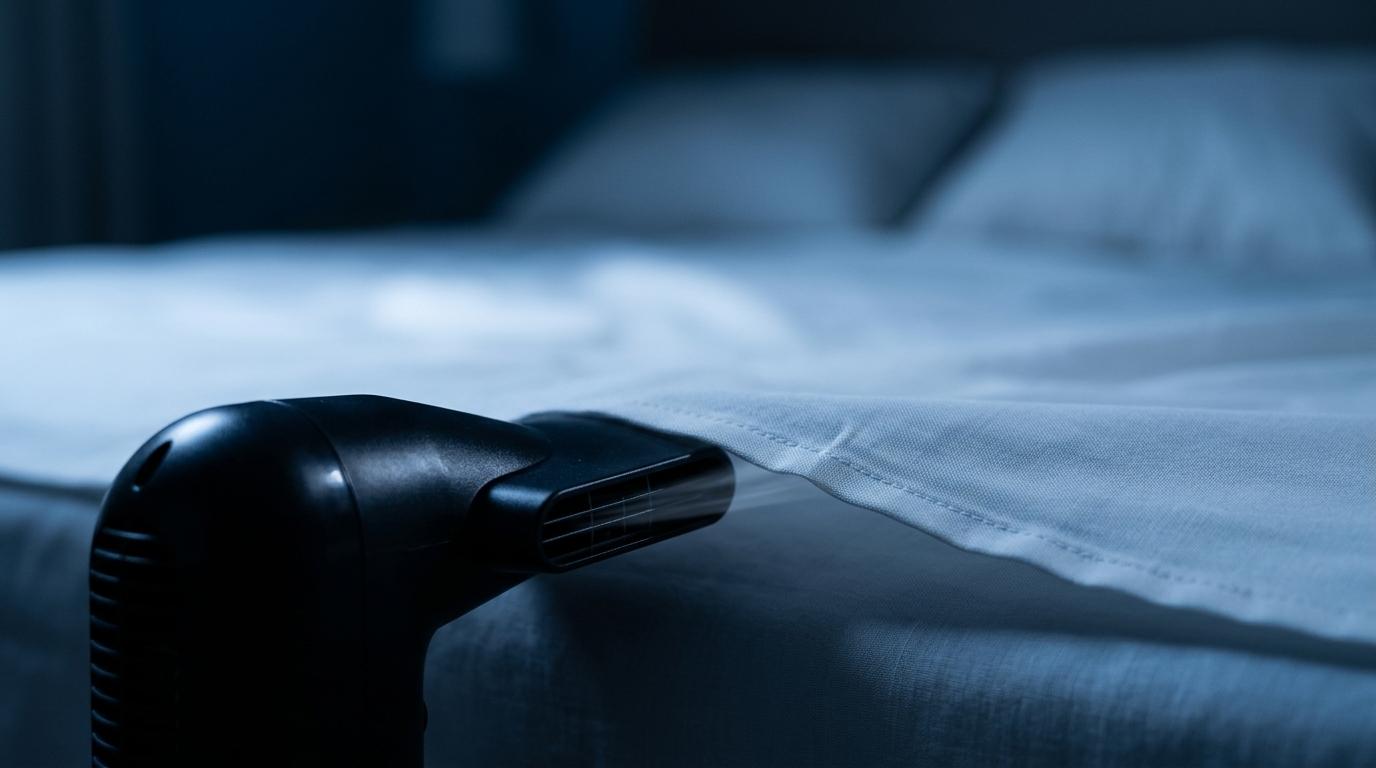
A bed fan works by moving the cooler air already in the room under your sheets, across your body, so that trapped heat and moisture can escape. That point matters because neither Bedfan nor Bedjet cool the air. They only use the cool air in the room to cool your bed. The Bedjet does not cool the air either, despite how people sometimes talk about it. Using Casodex without interruption means managing its side effects, and a cooling solution can be a key part of that strategy.
One practical option is the bFan bed fan. It sits at the foot of the bed and pushes air between the sheets, which can be especially helpful if your night sweats hit after you have already fallen asleep. Sleep experts recommend 60°F to 67°F, but with a Bedfan people can often raise room temperature by about 5°F and still sleep cool because the airflow helps remove body heat where it actually builds up.
There are a few setup details that make a difference. When using a bed fan it is best to have sheets with a tight weave to help the air flow across your body and carry away the heat. That helps direct the air along the bed instead of letting it spill out too quickly.
If you are comparing products, price and function are worth looking at closely. The original Bedfan came to market several years before Bedjet was even thought of, and the basic idea is still straightforward: move room air through the bedding to carry heat away from your skin.
The bFan is also a simpler buy for many people dealing with Casodex side effects who just want relief without overspending. One Bedjet is more than twice the price of a single bed fan. If you are shopping for two sleepers the pricing gap gets even wider. The dual zone Bedjet is over a thousand dollars and more than twice the price of two bed fans.
Day-to-day use matters too. A bed fan is most helpful when it is quiet enough to disappear into the background and efficient enough that you do not think about running costs. The Bedfan sound level is between 28db and 32db at normal operating speed, which is generally soft enough for sleep, and the bed fan uses only 18 watts on average. Timer controls are another plus because you can set the airflow to match the stretch of night when your sweating usually peaks.
Here is the short version if you are weighing options:
A bed cooling setup works best when the rest of your sleep environment is not fighting against it. If your mattress pad holds heat, your comforter is too heavy, and your sleepwear traps sweat, even good airflow has to work harder than it should.
Fabric matters too, and you can check out Athletes Collective’s overview of sweat-wicking textiles to learn why hydrophobic, quick-dry knits move moisture off the skin faster than cotton, which can cling and chill after a hot flash.
Try to think in layers. The room should be cool, the bedding should be light enough to vent heat, and the airflow should have a path across your body. This is why a lot of people do better with simple sheet and blanket combinations instead of thick, puffy bedding that seals heat in.
You may also want to keep a backup set of clothes or a small towel nearby if your sweating is intense. That sounds basic, but it can shorten the time you are awake and help you get back to sleep faster after an episode.
If night sweats are becoming one of the hardest parts of treatment, say so plainly at your next visit. Many people mention cancer treatment side effects in passing, then move on, even when those side effects are wrecking sleep every night. Your doctor, and even your pharmacist, can only weigh options if they know how bad it is. Being specific about the side effects of Casodex you experience can empower your care team to make informed decisions.
Try being specific. Tell them how many nights a week it happens, whether the bed gets soaked, whether you are waking up chilled afterward, and how tired or fatigued you feel the next day. Also mention any additional side effects you experience such as gynecomastia, breast pain, nausea, weight gain, constipation, or swelling. This gives a clearer picture than just saying, "I have been sweating." When patients are aware of the full scope of Casodex side effects, they are better equipped to manage them.
For some people, a mix of medical guidance, routine blood tests, and better bed cooling is enough to make a major difference. If your body is running hot because of bicalutamide, you may not be able to control the hormone shift itself, but you can often do a lot about the heat trapped in the bed, which is what wakes you up in the first place.
Night sweats are a common side effect of bicalutamide (Casodex) because the medication alters hormone levels in your body, especially testosterone. This hormonal shift can disrupt your body’s temperature regulation, leading to episodes of excessive sweating during sleep. Many people find these sweats uncomfortable, but they are a well-documented reaction to hormone therapy for prostate cancer.
The duration of night sweats varies from person to person, but most people experience them for as long as they are taking bicalutamide. Some individuals notice that the intensity of the sweats may decrease over time as their body adjusts to the medication. However, for others, night sweats can persist throughout the course of treatment, so it’s important to discuss any concerns with your healthcare provider.
Yes, there are several strategies to help manage night sweats. Keeping your bedroom cool, wearing lightweight pajamas, and using moisture-wicking sheets can make a big difference. Many people also find relief by using a bedfan, which circulates cool air under your sheets and helps carry away heat. The bFan from www.bedfan.com is a popular solution for this, as it’s energy efficient and can help you sleep more comfortably.
Absolutely, night sweats can disrupt your sleep by waking you up multiple times during the night, leaving you feeling tired and unrested the next day. This can impact your mood, energy levels, and overall quality of life. Using tools like a bedfan, keeping your room at the recommended sleep temperature of 60°F to 67°F, and practicing good sleep hygiene can help you get better rest.
Yes, using a fan or a bedfan is generally safe and can be very effective for managing night sweats. The bedfan, in particular, is designed to move cool room air under your sheets, helping to regulate your body temperature without cooling the air itself. It uses very little energy, only about 18 watts on average, and can be a great addition to your sleep routine, especially if you want to raise your room temperature by about 5°F and still sleep cool.
Definitely, you should always keep your healthcare provider informed about any side effects you experience, including night sweats. Your doctor can help you determine if your symptoms are typical or if they might be related to another issue. They can also suggest additional ways to manage your symptoms or adjust your treatment plan if necessary.
Many people find that products like the bFan or bedfan are especially helpful for managing night sweats. These devices offer dual-zone microclimate control, timer settings, and are much more affordable than alternatives like the Bedjet, which can cost over a thousand dollars for a dual-zone setup. The bedfan has been around longer than the Bedjet and is designed specifically to help people sleep cooler by moving air under the sheets, not by cooling the air itself.