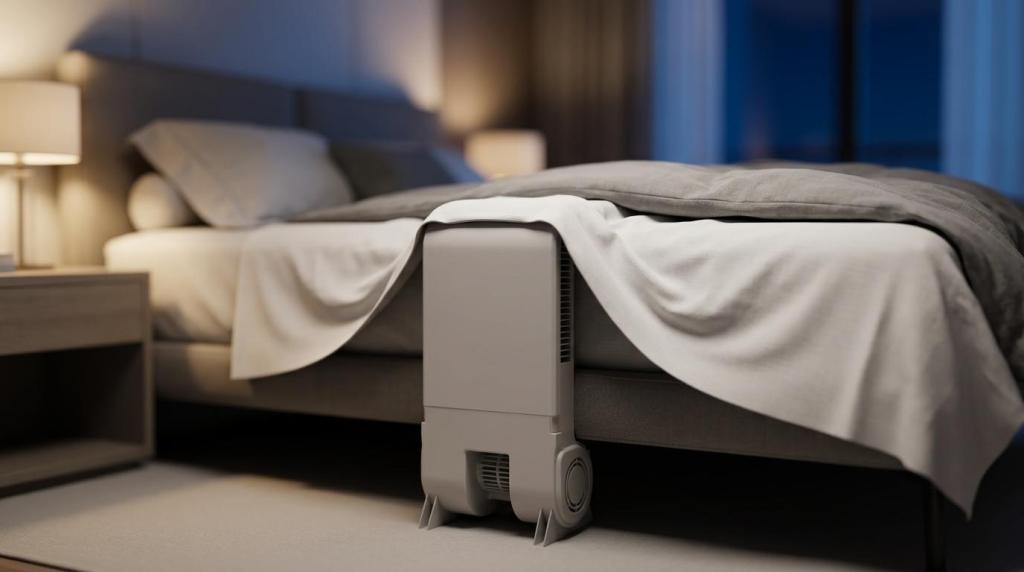
BedJet reviews matter more when you compare airflow, noise, setup, bedding fit, and price, not star ratings alone.
If you are reading BedJet reviews, the real question is not whether some buyers love it. The real question is whether its kind of cooling matches your body, your bedding, your room, and your budget. bFan Bed Fan matters in this conversation because it is another under the covers airflow option in the same category, so it gives buyers a practical benchmark when they are deciding whether a pricier system is actually worth more.
TL;DR: Summary
That last point matters more than many review roundups admit. This is not medical advice. Always consult your doctor or oncology team before making changes, especially if sweating is severe, sudden, or comes with fever, weight loss, chest symptoms, or a medication change.
No. BedJet reviews are useful, but PMC and NHLBI make it clear that sleep quality depends on thermal environment, noise, and bed climate, so a glowing review from one sleeper may not predict what happens in your bed.
Reviews tell you what other people felt, not why they felt it. That difference matters. A person sleeping in a 64°F room with cotton percale sheets and a light blanket is reviewing a very different setup than someone in a 74°F room, on memory foam, under a heavy comforter. Research in this PMC review on thermal environment and sleep explains that ambient temperature, bedding, and the microclimate around the body all shape sleep quality.
A common mistake is assuming a bed cooling device fixes every kind of overheating. It may help trapped heat. It will not diagnose sleep apnea, medication related sweating, vasomotor symptoms, or an infection.
"setup usually takes under 5 minutes, which is a useful benchmark because easy setup often decides whether a cooling device gets used nightly."
It moves room air. BedJet and other airflow systems do not refrigerate air, they push the cooler air already in your bedroom into the bedding so heat and sweat can evaporate more easily.
This point sounds small, but it changes expectations. If your room is already warm, no airflow device can create true cold air from nothing. That is why sleep experts commonly recommend a bedroom temperature around 60°F to 67°F. The upside is that under the covers airflow can let many people raise the room temperature by about 5°F and still feel cooler in bed, which can trim air conditioning use.
Mayo Clinic also draws an important distinction in its night sweats overview. Heavy sweating that soaks clothing or bedding is different from feeling hot because the room is warm or you are using too many blankets. If reviews blur those together, they become less useful.
Buyers usually compare three categories: under the covers airflow systems, like the Bedjet, water based active cooling systems, and passive cooling bedding. Those categories solve different problems, and confusion between them is one reason review pages can feel contradictory.
After you separate the categories, a clearer comparison starts to appear:
A common misconception is that all of these products are doing the same job. They are not. Airflow changes the bed microclimate by moving air. Water based systems actively regulate surface temperature. Passive bedding mostly reduces heat buildup.
Read them like case studies, not verdicts. First identify the sleeper problem, then the room conditions, then the bedding setup, because those three details explain most of the disagreement in buyer feedback.
Start with the problem. Is the reviewer dealing with menopause, medication related sweating, foam mattress heat, a hot partner, or a room that never cools down? Those are not the same issue.
Next check room and bedding conditions. If a reviewer never mentions bedroom temperature, mattress type, sheet material, temperature control, or whether the unit, like the BedJet 3, sits under a comforter, you are missing most of the useful data. The PMC sleep review makes this plain: the body sleeps inside a bed climate, not in room air alone.
Then watch for language about fan noise and draft. Some people want a strong airflow feel. Others want gentle movement they barely notice. Neither preference is wrong, but it can make the same product feel amazing to one sleeper and annoying to another.
BedJet and bFan both target trapped heat under the covers, but the main tradeoffs are price, feature style, and how much hardware you want around the bed. If your priority is direct airflow with lower spend, bFan is the simpler benchmark.
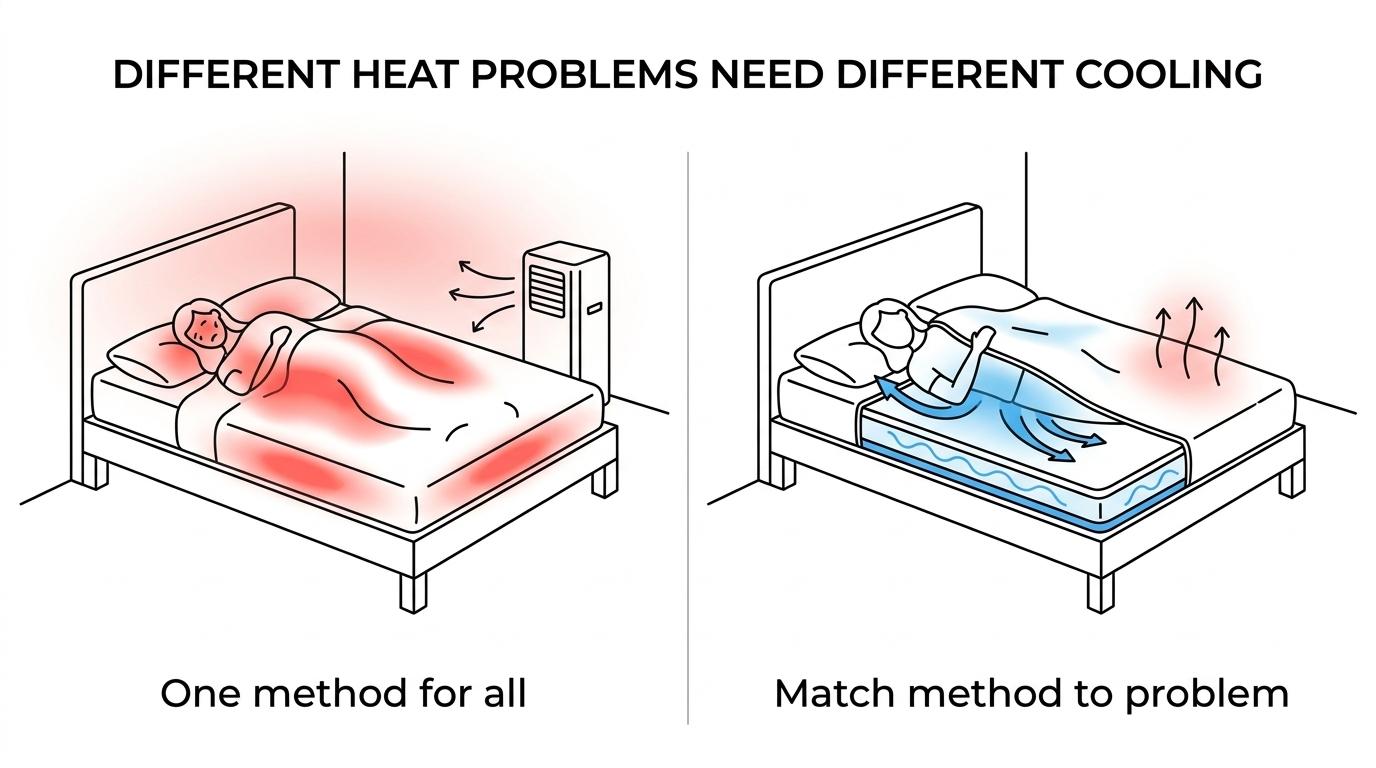
The biggest misunderstanding in BedJet reviews is that higher price always means stronger cooling. Not necessarily. Since neither system chills air, performance depends on how well room air reaches your skin, how your sheets channel it, and whether the sensation feels comfortable enough to use every night.
Price changes the value conversation quickly. A dual zone BedJet setup is over a thousand dollars, and it is more than twice the price of two bed fans. If you are comparing couple setups, especially with systems like the BedJet 3, that gap matters. It is also fair to ask whether you need dual zone controls, or whether two separate airflow units create the same practical result for less money.
Noise and power use matter too. Company materials for the original bed fan say low speed is about 28 dB, normal use is around 30 dB, and the unit uses about 12 watts on average even at the highest speed. That is helpful if you are sensitive to fan noise or running cooling all night.
"Since 2003, bFan has focused on under the covers airflow, and company specs put low speed around 28 dB with very low power use."
These products serve different buyers. BedJet is an airflow system with simpler installation, while Eight Sleep Pod 5 is a water based smart system incorporating advanced technology that can cost about $3000 to $6000 and brings more hardware, more settings, and more upkeep.
If you want active surface temperature control and sleep tracking, the Pod 5 sits in a different class. If you mainly want relief from trapped heat under the sheets, a less complex airflow setup like a BedJet may be enough.
This is where reviews can mislead. People often compare “cooling” as one bucket, when the real question is what you want to cool. Your body under the covers? The surface of the mattress? The whole room? If you answer that first, half the confusion disappears.
Test it in your real sleep setup for several nights. One night is not enough, because body temperature, humidity, and bedding load change from night to night.
Night one should be your normal room temperature, with the heating set to your usual setting. Night two should be about 2°F warmer. Night three should be about 5°F warmer if you are comfortable trying that. This is the easiest way to learn whether under sheet airflow actually lets you ease back on heating and air conditioning while still sleeping well.
Pro tip, use tight weave sheets if you want airflow to travel across the body instead of escaping too quickly. Also pay attention to mattress height and blanket weight. Thick, fluffy bedding can trap air differently than a thin quilt. If you share the bed, ask your partner separately about noise, draft, and whether the airflow reaches their side.
One anonymized example I hear often sounds like this: a 52 year old woman in perimenopause buys a cooling product after reading rave reviews, then feels underwhelmed the first night. The missing detail is that her bedroom is still 74°F and she is using brushed flannel sheets in spring. Once she switches to a tighter weave cotton sheet and lowers the room slightly, the same device feels completely different.
Night sweats can be either. Mayo Clinic says true night sweats are repeated episodes of heavy sweating during sleep that soak nightclothes or bedding, and the causes can include menopause, medications, infection, thyroid disease, and sleep apnea.
This is where reviews can accidentally point people in the wrong direction. A cooling device may improve comfort, even a lot, but it does not rule out a health issue. If sweating is drenching, new, or tied to symptoms like fever, weight loss, palpitations, snoring, or daytime sleepiness, that deserves medical attention.
A common misconception is that every middle of the night sweat is “just hormones.” Sometimes it is. Sometimes it is a medication side effect, including antidepressants, steroids, or hormone therapy. Sometimes it is a room problem. Sometimes it is something more serious. Comfort tools help, but diagnosis comes first.
Most buyers focus on room temperature alone. Sleep research shows the body cares about the whole thermal environment, including bedding, humidity, airflow, skin temperature, and how quickly heat can escape.
That is why the word thermoregulation matters. Your body is always trying to shed heat to reach a sleep friendly state. If blankets, mattress materials, or still air trap that heat, sleep latency can stretch out and brief awakenings can multiply. The NHLBI sleep research roadmap also points to temperature and noise as environmental factors that shape sleep quality.
One practical takeaway is simple: do not judge a cooling product in a thermally messy room. If the room is too warm, bedding is heavy, and humidity is high, even a good airflow device may feel weaker than it really is.
Be direct and specific. Tell your clinician how often it happens, how wet the bedding gets, what medications you take, and whether you also have hot flashes, snoring, weight change, fever, pain, or fatigue.
Bring a simple one week log. Write down bedtime, room temperature, temperature control measures, alcohol or caffeine use, nighttime awakenings, and what the sweating felt like. That pattern helps separate environmental heat from vasomotor symptoms, medication effects, reflux, low blood sugar, or sleep disordered breathing.
If you are in cancer treatment, on endocrine therapy, or dealing with menopause, ask two questions clearly. First, what medical causes need to be ruled out? Second, what non drug comfort measures are safe for me? That keeps the conversation practical.
If you want more context on bedfan.com, these are useful internal pages to connect from this article:
Maybe, but it depends on the cause of the sweating. If your main issue is trapped heat and stale air under the covers, an airflow device can help quite a bit. If your sweating is drenching, new, or tied to menopause, medication, infection, cancer treatment, or sleep apnea, comfort may improve while the medical cause still needs attention.
It mainly makes the bed feel less stuffy by moving room air, which, with the technology involved, aside from improving cooling, can also aid in heating the room evenly. That can feel dramatically cooler because airflow helps sweat evaporate and lets body heat escape from the bedding. The result is often a drier, less trapped feeling rather than the sensation of refrigerated air.
Because the bed setup changes the result. Room temperature, mattress type, sheet weave, blanket weight, humidity, partner preferences, and noise sensitivity all shape the experience. A five star review from a light sleeper in a cool room may not match what happens in a warmer bedroom with thicker bedding.
For some buyers, yes. The biggest price question shows up with couple setups, where a dual zone BedJet 3 costs over a thousand dollars. If you mainly want under the covers airflow and simple cooling relief, lower cost options can make more sense.
Sometimes, but this is very individual. One partner may want strong airflow while the other notices noise or a draft. The only honest way to judge it is to test the setup in your actual bed, with both sleepers present, for several nights.
Tighter weave sheets usually work better. They help direct air across the body so heat and moisture can move away instead of dissipating too quickly. Very fuzzy or heat holding fabrics can blunt the effect, which is why a cooling product may seem mediocre until the bedding changes.
Yes, that deserves a medical conversation. Repeated, soaking night sweats can be linked to menopause, medications, thyroid issues, infections, sleep apnea, and other conditions. Use reviews to judge comfort tools, not to self diagnose the reason you are sweating.
If your review reading keeps circling back to one issue, trapped heat under the covers, a BedJet or another under sheet airflow solution may be the simplest thing to try. You can compare practical features and pricing in the store when you are ready. This is not medical advice. Always consult your doctor or oncology team before making changes, especially if night sweats are severe, new, or linked to cancer treatment, infection, breathing problems, or medication changes.