Auvelity night sweats can happen as a side effect. Learn common timing patterns, possible causes, relief tips, and when to call your doctor.
Waking up sweaty after starting a new antidepressant can feel confusing fast. If Auvelity seems to line up with nighttime overheating, you are not imagining things, and you are not the only one asking about it.
Sweating can show up as a medication side effect, a sign that the bedroom setup is working against you, or a clue that something else needs medical attention. The details matter: when it started, how heavy it is, whether it happens every night, and whether other symptoms came with it.
Yes, it can. Auvelity’s prescribing information lists hyperhidrosis, which means excessive sweating, among the common adverse reactions seen in its 6-week placebo-controlled study for major depressive disorder (MDD). In that study, hyperhidrosis was reported in 5% of people taking Auvelity and 0% of those taking placebo (DAILYMED).
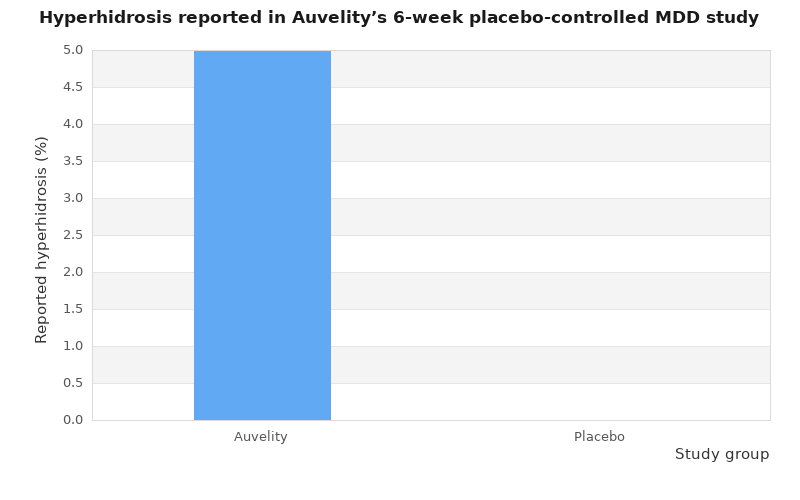
That does not mean every person with night sweats on Auvelity is having a drug side effect, but it does make Auvelity a reasonable suspect when sweating starts soon after treatment begins. Mayo Clinic also notes that antidepressants are among the medicines that can trigger night sweats, and defines night sweats as repeated episodes of very heavy sweating during sleep that can soak sleepwear or bedding (Mayo Clinic).
Some people describe Auvelity night sweats as mild dampness around the chest or neck. Others wake up feeling overheated, kick off covers, and need to change clothes or flip the pillow.
[markdown] | Pattern | What it may suggest | What to do next | | --- | --- | --- | | Light sweating a few nights a week | A tolerable medication side effect or a warm sleep setup | Track it and adjust bedding, room temperature, and evening habits | | Sweating that started within days or weeks of Auvelity | A possible medication link | Note start date, dose timing, and discuss at your next check-in | | Drenching sweats that soak sheets | More clinically significant night sweats | Contact your prescriber sooner | | Sweats with fever, weight loss, cough, pain, or diarrhea | A possible non-medication cause | Seek medical evaluation | [/markdown]Timing tells you a lot.
Auvelity is typically taken once daily in the morning for MDD. If sweating started after you began the medication, or after a dose change, that timing supports a possible connection. It is also useful to notice whether the sweating is worse on nights after caffeine, alcohol, spicy food, a thick comforter, or a warm room.
A short symptom log can help more than memory alone. Write down the day you started Auvelity, what time you take it, when the sweating began, how soaked your clothes or bedding get, and what else happened that day. If your prescriber needs to decide whether to wait, adjust treatment, or look for another cause, that log can speed things up.
One common scenario looks like this: a patient starts Auvelity, sleeps fine for several nights, then begins waking around 3 a.m. feeling hot and damp. After a week of notes, a pattern shows up. The worst nights follow late coffee, a thick comforter, and a room that stays several degrees warmer than usual. The medication may still be part of the picture, but the sleep setup is adding fuel to it.
This is where severity matters. Mild sweating can fit with a medication side effect. Drenching night sweats, especially if they keep happening, deserve a closer look.
Mayo Clinic advises medical review when night sweats come with symptoms like fever, weight loss, pain in a specific area, cough, or diarrhea (Mayo Clinic). Other medications can also contribute, including pain medicines, steroids, hormones, stimulants, and some diabetes medicines. Medical issues like infection, thyroid problems, low blood sugar, reflux, anxiety, and sleep apnea can also show up as sweating at night.
The goal is simple: reduce trapped body heat, limit common triggers, and make the bed easier to cool once sweating starts.
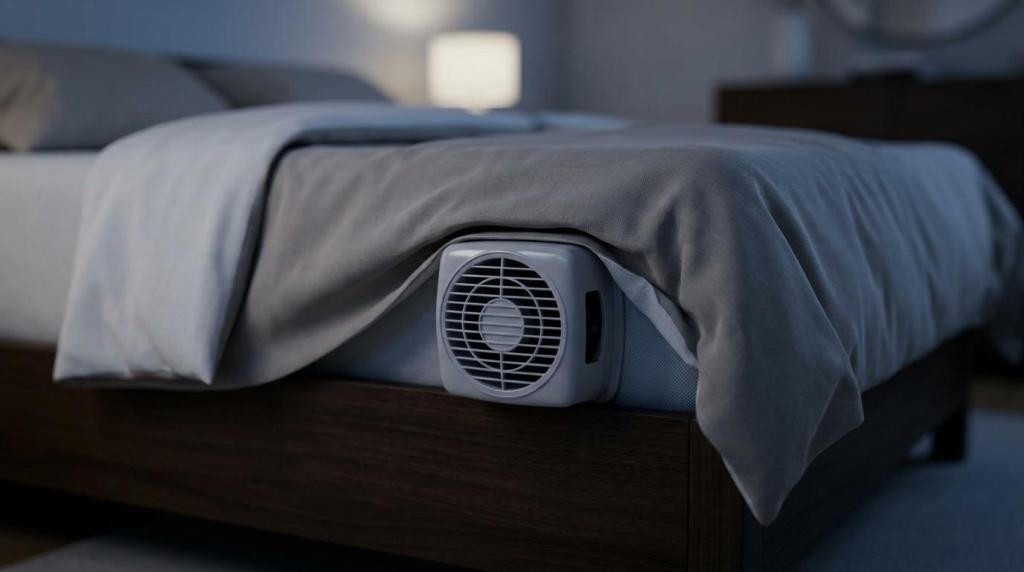
Many sleep experts point to a bedroom temperature around 60°F to 67°F as a comfortable range for sleep (Sleep Foundation). If that is not practical, targeted bed cooling can still help. A bed fan does not cool the air itself. It uses the cooler air already in the room and moves it through the bedding, where trapped heat tends to build up around the body.
That is why some people find a system like the bFan useful. It sits at the foot of the bed and pushes airflow between the sheets, which can feel very different from a room fan blowing across your face. With a Bedfan, many people can raise the room temperature by about 5°F and still sleep cool. Tight-weave sheets usually work best because they help the air travel across the body and carry heat away instead of escaping too quickly.
After you look at the room itself, look at the routine that leads into bed.
If the hardest part is waking up overheated and not being able to get back to sleep, quick-reset strategies matter more than perfect sleep hygiene.
A lightweight layered bed setup often works better than one heavy blanket. Cotton or linen sleepwear can help some people feel less sticky. If your room already runs cool enough, a bed fan can be a practical middle ground between lowering the whole house temperature and just suffering through the night. Since neither a Bedfan nor a Bedjet cool the air, the room still needs to be reasonably cool to begin with. The device simply moves that cool room air where you need it most, inside the bed.
Some bed fan users also like timer controls, especially if they want stronger cooling while falling asleep and less airflow later in the night. If you use a bFan or another under-sheet cooling setup, start with a lower setting and increase slowly until the bed feels dry and comfortable, not windy.
Bring specifics, not just the phrase “I’m sweating at night.” That makes it easier to sort out whether this sounds medication-related or whether another workup makes sense.
Do not stop Auvelity on your own unless a clinician tells you to. If the sweating is intense, persistent, or tied to other symptoms, ask whether the next step is watchful waiting, a medication review, dose timing review, or an evaluation for other causes.
If medication-related overheating is part of a bigger pattern, these topics can help fill in the rest of the picture.
If Auvelity night sweats are cutting into your sleep right now, start with two steps tonight: keep a short symptom log and make the bed easier to cool. If trapped heat is the main problem, a targeted option like the bFan may help move that heat out from under the covers without blasting the whole room. If you want a practical next step, visit bFan Bed Fan and compare cooling setups that are designed for hot sleepers and night sweats.
This article is for general education only and is not medical advice, diagnosis, or treatment. Night sweats that are drenching, persistent, getting worse, or linked with fever, unexplained weight loss, chest pain, shortness of breath, severe anxiety, rash, or signs of an allergic reaction need prompt medical care. If symptoms feel urgent or severe, seek emergency help right away.