Night sweats from bupropion wellbutrin disrupt sleep and daily life; understanding causes and management can enhance treatment adherence and well-being.
Night sweats from Bupropion (Wellbutrin) represent a challenging side effect for many individuals taking this medication. As an antidepressant commonly prescribed for major depressive disorder, seasonal affective disorder, and smoking cessation, Bupropion and Effexor offer significant benefits in managing mental health conditions. However, one of its more disruptive adverse effects is excessive sweating, particularly at night, which can interfere with sleep, daily comfort, and overall well-being. This article explores the phenomenon in depth, covering its causes, prevalence, impacts, and management strategies. By understanding night sweats from Bupropion (Wellbutrin), patients and healthcare providers can better address this issue to improve treatment adherence and quality of life.
Bupropion, marketed under the brand name Wellbutrin among others, is an atypical antidepressant that works primarily by inhibiting the reuptake of norepinephrine and dopamine in the brain. Unlike selective serotonin reuptake inhibitors (SSRIs) or serotonin-norepinephrine reuptake inhibitors (SNRIs), Bupropion has a unique mechanism that often results in fewer sexual side effects and less sedation, making it a popular choice for patients who experience these issues with other antidepressants. It is available in immediate-release (IR), sustained-release (SR), and extended-release (XR) formulations, allowing for flexible dosing typically ranging from 150 mg to 450 mg per day.
Approved by the FDA in 1985 for depression and later for smoking cessation under the name Zyban, Bupropion has helped millions manage their symptoms. Its energizing effects can be particularly beneficial for those with low energy or motivation associated with depression. However, like all medications, it comes with potential side effects, including headache, dry mouth, insomnia, and notably, increased sweating. For some users, this manifests as night sweats from Bupropion (Wellbutrin), where profuse sweating occurs during sleep, often soaking through nightclothes and bedding.
Before delving into night sweats specifically, it's important to contextualize them within the broader spectrum of Bupropion's side effects. Clinical trials and post-marketing reports indicate that the most frequent adverse reactions include agitation (up to 32%), headache (26%), dry mouth (24%), constipation (23%), and tremor (21%). These effects are generally dose-dependent and may diminish over time as the body adjusts to the medication.
Sweating, however, stands out as a persistent issue for many, often categorized under drug reactions. In fact, excessive sweating is reported in about 22.3% of Bupropion users in clinical studies, significantly higher than placebo groups. This can occur during the day or night, but nocturnal episodes are particularly troublesome because they disrupt sleep cycles. Other related side effects might include anxiety, dizziness, and blurred vision, which can compound the discomfort. While most side effects are mild to moderate, they can lead to treatment discontinuation if not managed properly.
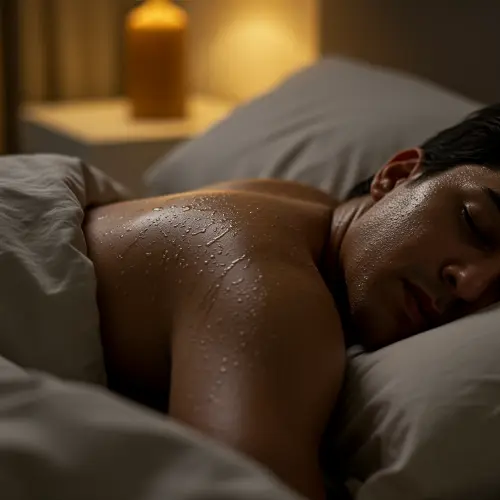
Night sweats from Bupropion (Wellbutrin) typically involve sudden, intense episodes of sweating during sleep, often leading to drenched sheets and clothing. Patients may wake up feeling clammy, uncomfortable, and fatigued, which can exacerbate depressive symptoms by impairing restful sleep. These sweats are distinct from those caused by environmental factors like a warm room, as they stem from the medication's physiological impact.
The prevalence of antidepressant-induced excessive sweating (ADIES), which includes night sweats, ranges from 4% to 22% across various antidepressants. For Bupropion specifically, studies show rates around 5-6% for general sweating, but patient reports suggest higher incidences for nocturnal episodes. In one naturalistic study, excessive sweating was observed in up to 40% of Bupropion users. Women may experience more severe symptoms, potentially due to hormonal interactions, though data is limited.
Real-world experiences highlight the variability: some users report night sweats starting within weeks of initiation, while others notice them after dose increases. For instance, forums and patient testimonials describe severe cases where sweats occur nightly, affecting relationships and daily functioning. Importantly, night sweats from Bupropion (Wellbutrin) are often more pronounced with the IR formulation compared to SR or XR versions. Some individuals find the sweating so disruptive that it leads to frequent nighttime awakenings and the need to change bedding or sleepwear. Others mention that the intensity of night sweats can fluctuate, sometimes improving with time or after switching formulations. Despite these challenges, many people continue their medication due to its mental health benefits, seeking practical solutions like cooling bedding or using a bFan bed fan to manage symptoms and improve sleep quality.
The exact mechanisms causing night sweats from Bupropion (Wellbutrin) involve its effects on the autonomic nervous system. Bupropion's adrenergic activity stimulates sympathetic pathways, leading to increased sweat gland activation. Sweat glands are innervated by cholinergic fibers, but the drug's influence on norepinephrine can heighten overall sympathetic tone, resulting in hyperhidrosis.
Antidepressants like Bupropion may also disrupt thermoregulation in the hypothalamus, the brain region controlling body temperature and sweating. This is similar to how other medications, such as Effexor (venlafaxine) or SSRIs, induce sweating by altering serotonin or adrenergic signaling. Factors exacerbating this include higher doses, concurrent use of stimulants (e.g., caffeine or Adderall), or underlying conditions like anxiety, which amplify sympathetic responses.
Genetic variations in drug metabolism could play a role, as some individuals process Bupropion slower, leading to higher plasma levels, more side effects, and an increased risk of drug reactions. Additionally, night sweats might be influenced by circadian rhythms, explaining their nocturnal predominance. Hormonal fluctuations, stress levels, and coexisting medical conditions may also contribute to the severity and frequency of night sweats in those taking Bupropion. Some people may notice that certain triggers, such as consuming caffeine or alcohol in the evening, can worsen their symptoms. Understanding these factors can help patients and healthcare providers tailor treatment strategies, such as adjusting medication timing or exploring supportive measures like the bFan bed fan, which offers targeted cooling and can make a significant difference in comfort and sleep quality.
Night sweats from Bupropion (Wellbutrin) extend beyond physical discomfort, often leading to sleep disturbances that worsen depression or anxiety. Chronic sleep disruption can cause daytime fatigue, irritability, and cognitive impairments, creating a vicious cycle. Socially, individuals may feel embarrassed about odor or stained clothing, affecting personal relationships and self-esteem.
In severe cases, this side effect contributes to non-adherence; up to 20% of patients discontinue antidepressants due to intolerable sweating. For those relying on Bupropion for mental health stability, this poses a dilemma, highlighting the need for effective management. Some patients may feel forced to choose between their mental well-being and physical comfort, leading to frustration and decreased quality of life. Open communication with healthcare providers is essential to explore possible solutions, such as dose adjustments, switching formulations, or adding supportive therapies. Simple lifestyle changes, like wearing moisture-wicking sleepwear or using a bFan bed fan for targeted cooling, can also help alleviate symptoms and support continued treatment.
While night sweats from Bupropion (Wellbutrin) are often benign, persistent or severe episodes warrant medical attention. Consult a doctor if sweats occur regularly (more than twice a week), accompany fever, unexplained weight loss, or fatigue, as these could indicate underlying issues like infections or hormonal disorders. It's crucial to rule out other causes, such as menopause, hyperthyroidism, or even rare conditions like lymphoma.
Patients should discuss symptoms with their prescriber early, ideally within two weeks of onset, especially if they are also taking Effexor, another medication known to sometimes cause night sweats. Dose adjustments, switching formulations, or alternative antidepressants (e.g., those with lower sweating risk) may be considered. Never stop Bupropion abruptly without guidance, as withdrawal can cause agitation, headaches, and increased sweating.
Managing night sweats from Bupropion (Wellbutrin) involves a multi-faceted approach. Pharmacologically, adjunctive medications like benztropine (an anticholinergic) have shown promise in reducing sweating by blocking cholinergic signals to sweat glands. Doses as low as 0.5 mg as needed can provide relief within hours, with minimal side effects like dry mouth. Alpha-blockers such as terazosin or beta-blockers may also help by modulating adrenergic activity. Serotonergic antagonists like cyproheptadine offer another option, though they require regular use.
Non-pharmacological strategies include optimizing sleep hygiene: keeping the bedroom cool (60-67°F), using tightly woven cotton sheets, and avoiding caffeine or spicy foods in the evening. Hydration and lightweight sleepwear can mitigate discomfort. Regular exercise, practiced earlier in the day, may also help regulate body temperature and improve sleep quality. Some individuals find that taking a cool shower before bed or using a fan, such as the bFan bed fan, provides additional relief by promoting airflow and reducing heat buildup under the covers. Establishing a consistent bedtime routine and minimizing screen time before sleep can further support restful nights and help manage night sweats from Bupropion.
For targeted relief, products like the bFan from Bedfan.com are highly effective. This innovative under-the-bed fan system circulates a cooling breeze of room air between the sheets, expelling trapped heat and preventing sweat buildup. Adjustable in height and speed, the bFan creates a personalized cooling zone without disrupting partners or requiring whole-room air conditioning. Users report significant improvements in sleep quality, with one testimonial noting it created a "cocoon of refreshing air" that alleviated night sweats instantly. Energy-efficient and quiet, the bFan is ideal for medication-induced sweating, helping maintain thermal balance throughout the night.
In cases where night sweats persist, switching to a different antidepressant with lower sweating incidence, such as mirtazapine or Effexor, might be necessary. Dose timing adjustments, taking Bupropion earlier in the day, can also reduce nocturnal effects.
Another reference to the bFan from Bedfan.com underscores its versatility: designed for hot sleepers, including those with medication side effects, it fits various bed sizes and promotes deeper rest by addressing heat at its source. This makes it a practical, non-invasive solution alongside medical interventions.
Beyond treatments, lifestyle modifications can lessen night sweats from Bupropion (Wellbutrin). Regular exercise, preferably in the morning, helps regulate body temperature and reduces stress, which can amplify sweating. A balanced diet low in processed foods and high in hydrating fruits/vegetables supports overall health.
Stress management techniques like mindfulness or yoga may dampen sympathetic overactivity. Tracking symptoms in a journal can identify triggers, aiding discussions with doctors. Support groups or online communities provide emotional relief, reminding patients they're not alone.
Night sweats from Bupropion (Wellbutrin) are a common yet manageable side effect that affects a notable portion of users, often arising from drug reactions. By understanding its mechanisms, primarily adrenergic stimulation, and prevalence (up to 22%), individuals can proactively seek solutions. From pharmacological aids like benztropine to practical tools such as the bFan from Bedfan.com, options abound to restore comfortable sleep. Always consult healthcare professionals for personalized advice, ensuring the benefits of Bupropion outweigh its challenges. With proper management, patients can continue reaping its mental health advantages without the nightly disruptions.
Bupropion can affect the body's neurotransmitters and thermoregulation, leading to increased sweating, especially at night. This side effect may be more pronounced in some individuals due to genetic differences in how the drug is metabolized. The risk and severity of night sweats can also depend on the formulation and dosage of Bupropion.
Night sweats themselves are generally not harmful, but they can significantly disrupt sleep and quality of life. If you experience severe or persistent night sweats, it’s important to discuss this with your healthcare provider. They can help determine if adjustments to your medication or additional interventions are needed.
Yes, several non-pharmacological strategies can help manage night sweats. Keeping your bedroom cool, using tightly woven sheets, staying hydrated, and wearing lightweight sleepwear are all beneficial. Many patients also find relief by using a bFan bed fan, which provides targeted airflow and cooling throughout the night.
Do not stop taking Bupropion without consulting your healthcare provider, even if you develop night sweats. Abruptly discontinuing the medication can negatively impact your mental health. Your provider can help you weigh the benefits and risks and may suggest dose adjustments, switching formulations, or supportive measures to manage side effects.
Some patients find that switching from the immediate-release (IR) to the sustained-release (SR) or extended-release (XR) formulations reduces the frequency or severity of night sweats. Discussing these options, as well as alternative medications like Effexor, with your healthcare provider can help you find the most comfortable and effective treatment plan.
The bFan sits at the foot of your bed and sends a quiet stream of air under your sheets. Direct airflow helps stop sweat before it starts, and one bFan costs less than half the price of one BedJet, making it the less expensive alternative. Shop the bFan at bedfans-usa.com