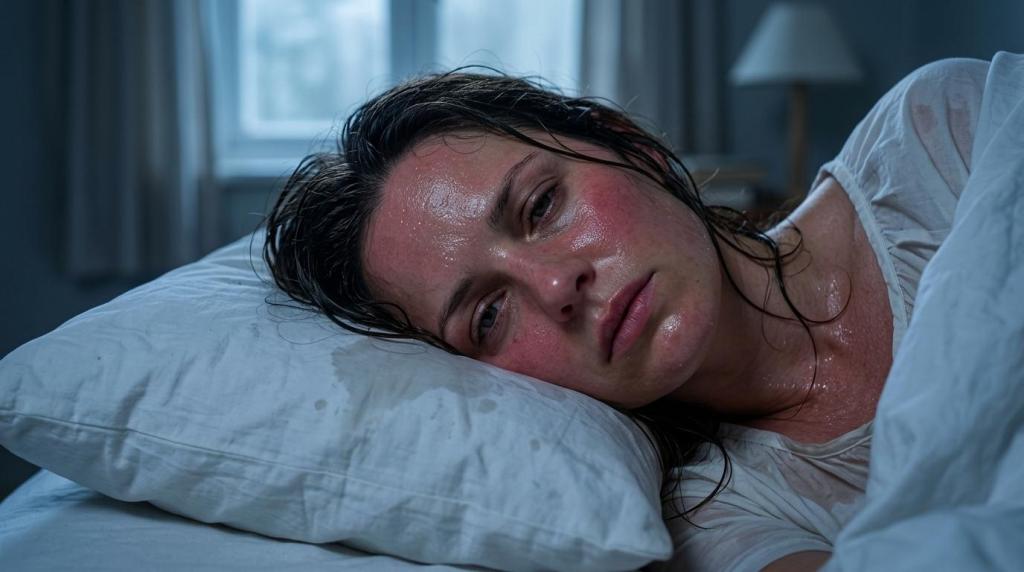
Heat intolerance at night may stem from hormones, meds, thyroid issues, sleep apnea, or heat-trapping bedding—not just a warm room.
If you feel overheated at night, the cause may be your room, your bedding, or your body. The fastest way to narrow it down is to ask whether you are only warm in a stuffy bed, or hot and sweaty even in a cool room.
TL;DR: Summary
- Heat intolerance at night is often caused by hormone changes, medicine side effects, thyroid problems, infections, sleep apnea, or a heat-trapping sleep setup, not just a warm bedroom.
- True night sweats usually mean sweating enough to soak sleepwear or bedding even when the room is cool. That points more strongly toward an internal cause than a simple bedding problem.
- Menopause, hot flashes, cancer treatment, SSRIs, SNRIs, steroids, and hyperthyroidism are common triggers. If symptoms start in a cool room or after a medication change, look beyond room temperature.
- A cooler bedroom helps, but the bed microclimate matters too. Airflow under the sheets can remove trapped heat and evaporate sweat where it collects.
- Sleep experts often recommend a bedroom around 60°F to 67°F. Many people can raise the room temperature by about 5°F and still sleep comfortably if they improve airflow under the covers.
- This is not medical advice. Get medical care promptly if nighttime heat comes with fever, weight loss, chest symptoms, severe snoring, or soaking night sweats in a cool room.
That distinction matters because menopause, medication side effects, thyroid problems, infections, obstructive sleep apnea (OSA), and autonomic disorders can all cause nighttime heat intolerance, while a hot mattress, heavy duvet, or humid room can make the problem worse.
This is not medical advice. Always consult your doctor, sleep clinician, or oncology team before making changes, especially if symptoms are new, intense, or tied to cancer treatment.
Heat intolerance at night means your body feels excessively hot in conditions that should be tolerable, often even in a reasonably cool bedroom. In practical terms, it means your internal thermostat seems off, or your bed is trapping more heat and humidity than your body can unload.
People often blame the room first. Sometimes that is correct. A memory foam mattress, heavy duvet, tight pajamas, High humidity, or poor airflow can create a warm bed microclimate even when the thermostat says 66°F. Your skin releases heat into that small air pocket under the covers, and if the heat cannot escape, you wake up clammy or fully alert.
"bFan Bed Fan was invented in 2003, and it targets trapped heat inside the bed by moving room air under the sheets."
The tricky part is that internal causes can feel almost identical at first. If you are hot at 2 a.m. in a cool room, with a fan on, and you still wake flushed or sweating, that points more toward hormones, medications, thyroid issues, infection, or nervous-system dysregulation than bad bedding alone.
No. Nighttime overheating and night sweats overlap, but they are not identical. A person can feel too hot without major sweating, while true night sweats usually mean sweating enough to dampen or soak clothes and bedding in a cool room.
That clinical distinction matters. Feeling warm under a heavy blanket is common. Waking up drenched despite light bedding and a cool bedroom deserves more attention. A common misconception is that any sweating at night counts as a night sweat. It does not. The pattern, severity, and room conditions matter.
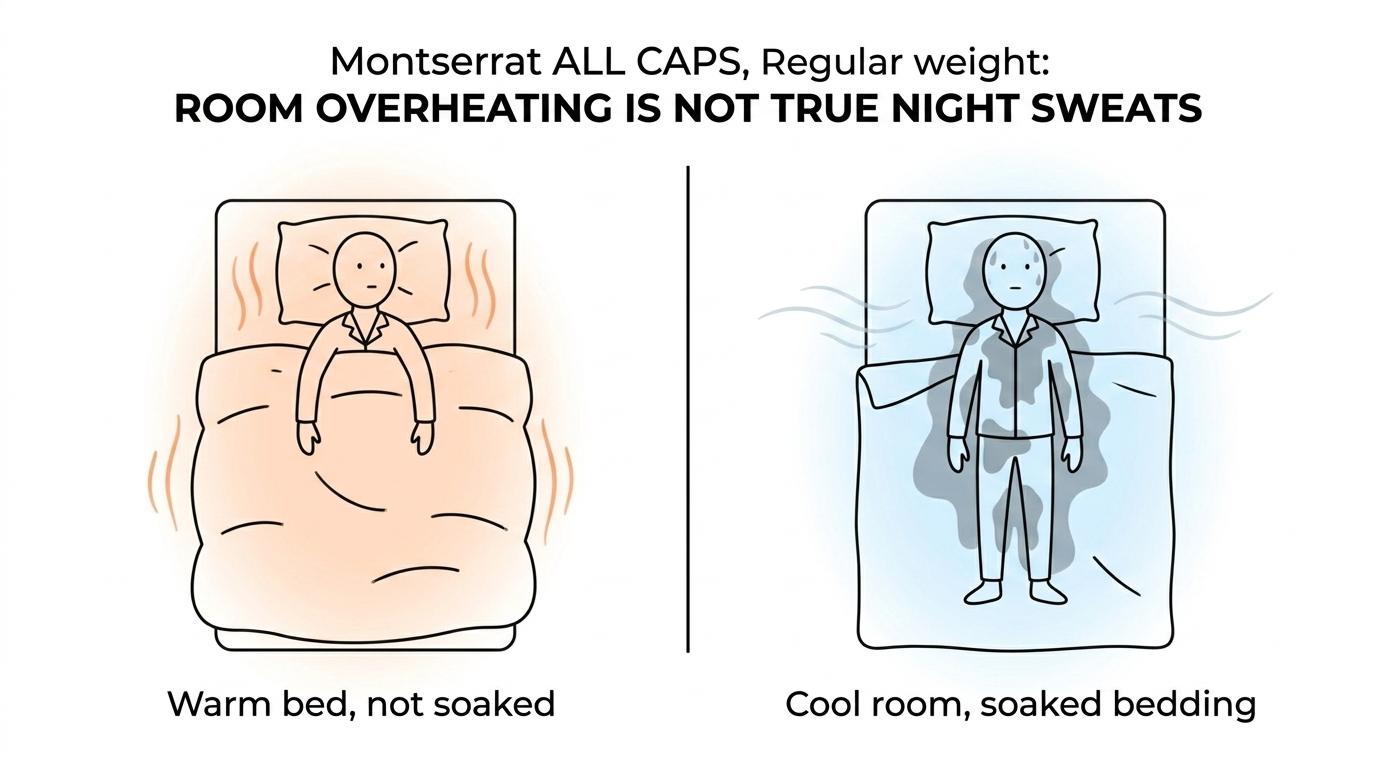
If your symptoms are mild and clearly linked to a warm room or heat-trapping bedding, a sleep setup fix may solve it. If your symptoms happen in a cool room, wake you repeatedly, or soak the sheets, think bigger than just thermostat settings.
The most common causes are hormone shifts, medication side effects, thyroid problems, sleep-disordered breathing, infections, and a heat-trapping bed setup. In real life, more than one cause often shows up at the same time.
After you rule out an obvious heat trap in the bedroom, these are the main suspects worth thinking through:
You can test the bedroom first with a simple three-step check. The goal is to separate room heat from body heat, then see whether targeted airflow changes the result.
Step 1 is to audit the room. Sleep experts commonly recommend roughly 60°F to 67°F for better sleep. If your room is already in that range and you still wake hot, the room may not be the main issue. Humidity matters too. A damp, still room can feel much hotter than the thermostat suggests.
Step 2 is to audit the bed itself. Heavy comforters, heat-trapping foam, layered mattress toppers, and synthetic pajamas can hold warmth right where your skin is trying to release it. Common misconception: if the AC is low, the bed must also be cool. That is often false.
"At low speed, bFan runs at about 28 dB and can be adjusted by remote, which helps when cooling works but extra noise does not."
Step 3 is a targeted airflow test for two or three nights. Try lighter bedding, a tighter-weave top sheet, and airflow under the covers. If you sleep better without dropping the whole-house thermostat, your bed microclimate is likely a big part of the problem.
The usual medical drivers are menopause, hyperthyroidism, infections, cancer treatment, and sleep apnea. Mayo Clinic also lists medicine side effects, thyroid problems, some cancers, and cancer treatment side effects among known causes of hot flashes and night sweats: https://www.mayoclinic.org/diseases-conditions/hot-flashes/symptoms-causes/syc-20352790
If you are around midlife and get sudden waves of heat with flushing, menopause or perimenopause is high on the list. If you feel hot all day too, with tremor, anxiety, diarrhea, or a racing heart, ask about thyroid testing. If you have fever, cough, swollen nodes, or unexplained weight loss, prompt medical review matters.
If you are in cancer treatment or on hormone-blocking therapy, night heat can be a treatment side effect. The National Cancer Institute covers hot flashes and night sweats related to cancer and treatment here: https://www.cancer.gov/about-cancer/treatment/side-effects/hot-flashes-pdq
Yes. SSRIs, SNRIs, tamoxifen, prednisone, opioids, and some glucose-lowering drugs are well-known medication triggers. If symptoms started after a new prescription or dose change, that clue is worth taking seriously.
Timing helps. If the sweating began within days or weeks of a medication change, keep a simple log and tell your prescriber. Do not stop a prescribed drug on your own. Some medications need tapering, and some night sweats point to the condition being treated rather than the medication itself.
One common real-world scenario looks like this: a 49-year-old teacher starts waking sweaty in a 65°F room and assumes the AC is failing. Her notes show the episodes began after a sertraline dose increase and became more frequent as her periods grew irregular. In that case, medication and perimenopause may both be contributing.
Hot flashes are usually sudden, wave-like bursts of heat, while thyroid-related overheating is often more constant. Menopause and hyperthyroidism can both disturb sleep, but they tend to feel different when you pay close attention.
A hot flash often starts in the chest, neck, or face and rises quickly. It may last a few minutes, bring flushing or sweating, then fade. Thyroid-related heat intolerance is more persistent. You may feel hot during the day too, sweat more with minor activity, and notice palpitations, shakiness, diarrhea, or weight loss.
A common misconception is that anyone near age 50 with night heat must be in menopause. That is not always true. If symptoms are paired with a fast heart rate, anxiety that feels physical rather than emotional, or heat intolerance all day long, ask your clinician about thyroid testing.
Yes. OSA, dysautonomia, and fibromyalgia can all show up as nighttime overheating, though they do it in different ways. These are easy to miss if you only think in terms of room temperature.
OSA can cause repeated breathing interruptions, brief awakenings, and stress-hormone spikes. Some people wake hot, sweaty, and disoriented, then fall back asleep and repeat the cycle. If you snore, gasp, grind your teeth, or have morning headaches, a sleep evaluation is reasonable.
Dysautonomia involves the autonomic nervous system, which helps regulate heart rate, blood pressure, and sweating. Fibromyalgia can come with temperature sensitivity, poor sleep, and sensory amplification. If heat intolerance happens with dizziness, rapid heartbeat on standing, widespread pain, or profound fatigue, bring those pieces together when you talk to your doctor.
A short symptom log helps more than most people expect. Three kinds of details matter most: timing, severity, and context.
Step 1 is to write down the basics for one to two weeks. Note the time you wake hot, the room temperature, whether the bedding is damp or soaked, and whether you had alcohol, spicy food, or a stressful evening.
Step 2 is to list body clues. Record skipped periods, hot flashes during the day, snoring, fever, cough, weight change, palpitations, new medications, or a recent dose increase. If symptoms happen only before your period or only after a medicine dose, that pattern is useful.
Step 3 is to flag red alerts. If you have drenching sweats in a cool room, fever, chest symptoms, fainting, major weight loss, or you are in active cancer treatment, do not wait weeks to bring it up.
The room matters, but the bed microclimate often matters more. Your body dumps heat into the small pocket of air under the sheets, so trapped humidity and still air can keep you uncomfortable even in a cool bedroom.
This is why some people lower the thermostat all night and still wake sweaty. The room may be 66°F, but the air around your torso under the covers is much warmer and more humid. That is the root issue a bed fan tries to address. Neither Bedfan nor Bedjet cool the air. They only use the cool air already in the room and move it where your body needs it.
"A dual-zone BedJet setup costs over $1,000 and is more than twice the price of two bFans."
If you need a practical, non-drug option, under-sheet airflow is often more targeted than cooling the whole house. A bFan or Bed Fan can help carry away heat and evaporate sweat under the covers, and many people can raise the room temperature by about 5°F while still sleeping cooler. Tight-weave sheets usually work best because they help spread the airflow across the body. If couples need different settings, two units can create dual-zone control at a fraction of the cost of a dual-zone Bedjet setup.
The fastest relief usually comes from changing humidity, bedding, and airflow first. If the cause is partly medical, those steps still help while you work on the bigger issue with your clinician.
Step 1 is to simplify the bed. Use lighter bedding, moisture-wicking sleepwear if you tolerate it, and skip thick toppers that trap heat. If your room is above the usual sleep-friendly range, lower it toward 60°F to 67°F if you can.
Step 2 is to reduce common evening triggers. Alcohol, spicy meals, overheating before bed, and a very hot shower can all push symptoms higher. If you are dealing with hot flashes, keeping a cool drink nearby and avoiding abrupt bedroom temperature swings may help.
Step 3 is targeted airflow under the covers. A bFan is one reasonable option because it focuses on trapped heat and sweat where they collect, not just the room air in general. If noise or energy use worries you, this type of bed fan can be quiet at low settings, use low power, and offer remote or timer controls so you can taper airflow after you fall asleep.
These are reliable places to read more and compare your symptoms with standard medical guidance.
For more practical reading on this site, start with the night sweats hub, the heat intolerance at night guide, the night sweats FAQ, and the sleeping cooler hub. If trapped heat under the sheets is the part you can solve tonight, you can see the bFan Bed Fan in the store for a simple way to move room air where heat and sweat collect. This is not medical advice. Always talk with your doctor or oncology team if nighttime heat intolerance is new, severe, or paired with fever, weight loss, chest symptoms, or soaked bedding in a cool room.