This article explores risperidone risperdal night sweats, focusing on their causes, mechanisms, and management strategies for improved patient comfort.
Night sweats are a distressing and often overlooked side effect of many medications, including antipsychotics such as risperidone (Risperdal). For patients and clinicians alike, understanding the relationship between risperidone and night sweats is crucial for effective management, patient comfort, and medication adherence. This article provides an exhaustive exploration of risperidone-induced night sweats, including their prevalence, underlying mechanisms, clinical implications, patient perspectives, and both pharmacological and non-pharmacological management strategies. Special attention is given to practical solutions, such as the use of the Bedfan (bFan), to help patients regain restful sleep and improve quality of life.
Risperidone is a second-generation (atypical) antipsychotic medication. It is widely prescribed for the treatment of schizophrenia in adults and adolescents, as well as for managing acute manic or mixed episodes associated with bipolar disorder. Additionally, risperidone is commonly used to address irritability and behavioral symptoms in children and adolescents with autism spectrum disorder. Its effectiveness in stabilizing mood, reducing hallucinations, and improving overall functioning has made it a mainstay in psychiatric care. Risperidone is available in various dosage forms, including oral tablets, oral solutions, and as a tablet formulation, providing flexibility in terms of administration according to patient needs and preferences. Due to its broad range of indications and generally favorable side effect profile compared to older antipsychotics, risperidone is frequently chosen as a first-line therapy in various mental health settings.
Risperidone acts primarily by blocking dopamine D2 and serotonin 5-HT2A receptors in the brain, which helps to rebalance neurotransmitter activity and reduce symptoms of psychosis, mania, and mood instability.
Like all antipsychotics, risperidone is associated with a spectrum of side effects. Common side effects include weight gain, increased appetite, sedation or drowsiness, and dizziness. Extrapyramidal symptoms such as tremor, muscle stiffness, and tardive dyskinesia may also occur; these are especially concerning when patients inadvertently double their dose by mistaking another tablet for their prescription medication. In some cases, risperidone can cause serious events such as seizures or neuroleptic malignant syndrome, though these are rare but require immediate medical attention. Additionally, risperidone is known for causing hyperprolactinemia (elevated prolactin levels) and metabolic changes like increased blood sugar and cholesterol. Orthostatic hypotension and sexual dysfunction are also noted side effects. Autonomic symptoms, including excessive sweating and night sweats, further contribute to patients' discomfort. Some individuals may also experience allergic reactions. Regular monitoring with blood tests is recommended to mitigate any developing side effects or complications.
While some side effects are well-known and frequently discussed, others—such as night sweats—are less commonly addressed but can have a profound impact on patient comfort and treatment adherence.
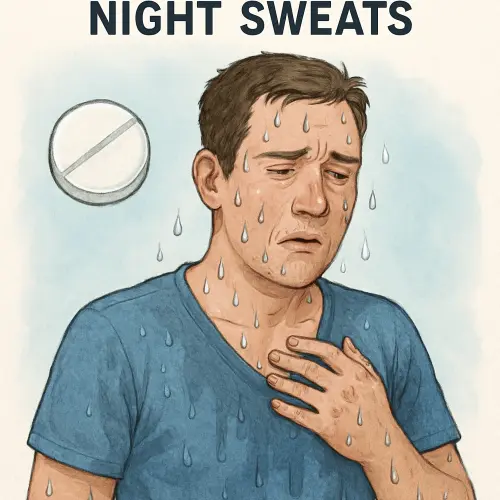
Night sweats are episodes of excessive sweating during sleep, often severe enough to soak through pajamas and bedding. They are distinct from mild perspiration and typically cause significant discomfort and sleep disruption. Individuals experiencing night sweats may wake up multiple times throughout the night, feeling drenched and needing to change their clothes or sheets. This repeated disturbance, which can sometimes be accompanied by transient dizziness or even a brief sensation of lightheadedness, can lead to chronic sleep deprivation, daytime fatigue, and irritability. Over time, persistent night sweats can also contribute to anxiety about sleeping and negatively impact overall quality of life.
Night sweats are important for several reasons:
Night sweats are relatively common, affecting up to 41% of adults in some studies. However, when associated with medication use, they warrant special attention and targeted management.
While not as frequently reported as other side effects, night sweats are a recognized adverse effect of risperidone. The true prevalence is likely underestimated due to underreporting and misattribution to other causes (e.g., menopause, infections). Case reports, clinical studies, and patient forums all indicate that this side effect may be more common than previously thought.
The pathophysiology of risperidone-induced night sweats is complex and multifactorial:
Certain factors can increase the risk or severity of night sweats in patients taking risperidone. Higher doses of risperidone are more likely to trigger this side effect, as are combinations with other medications that affect the nervous system or metabolism. Individuals with pre-existing conditions such as obesity, metabolic syndrome, or autonomic dysfunction may also be more susceptible. Environmental factors, like sleeping in a warm room or using heavy bedding, can further exacerbate sweating during the night. Additionally, hormonal changes, such as those experienced during menopause, and individual genetic differences in how the body processes medications, can play a significant role. Recognizing these risk factors can help clinicians tailor treatment plans and recommend appropriate interventions to minimize discomfort for patients.
Patients with risperidone-induced night sweats may report:
The consequences of persistent night sweats can be profound:
Many patients describe night sweats as one of the most bothersome side effects of risperidone. Online forums and support groups are filled with stories of individuals struggling to manage this symptom, often feeling dismissed or unsupported by healthcare providers. In some cases, patients have expressed concerns over whether the medication might cause additional issues such as seizures, further highlighting the importance of proactive assessment and compassionate care.
Before attributing night sweats to risperidone, clinicians must consider and rule out alternative causes, including:
A thorough history, physical examination, and targeted laboratory investigations—including routine blood tests—are essential to exclude these possibilities.
One of the most effective and practical solutions for managing night sweats is the use of a bed fan, such as the bFan from Bedfan.com. The bFan is specifically designed to deliver a gentle, adjustable stream of cool air directly under the sheets. Unlike traditional fans that only circulate air around the room, the bFan targets the area where heat and sweat accumulate most, providing immediate relief and a more comfortable sleeping environment. Many users find that incorporating a bed fan into their nightly routine significantly reduces the frequency and intensity of night sweats, allowing for deeper, uninterrupted sleep. The bFan is easy to install and operate, making it a convenient option for anyone struggling with medication-induced night sweats. Key benefits include:
Many patients report significant relief from night sweats and improved sleep quality with the use of a bed fan. The bFan is especially beneficial for those who experience persistent sweating despite other interventions, and it is a non-pharmacological, side-effect-free solution.
Open communication about potential side effects, including night sweats, is essential for building trust and promoting adherence. Patients should be encouraged to report any new or bothersome symptoms promptly. Clinicians should also inform patients about the difference between the various forms of the medication, whether it is the oral tablet, oral solution, or another tablet, in order to avoid dosing mistakes that could lead to side effects like dizziness or seizures.
Empower patients with practical strategies to manage night sweats, including environmental modifications and the use of products like the Bedfan. Reassure them that this side effect is manageable and that adjustments can be made to improve comfort and sleep quality.
Involve patients in decisions about medication adjustments and management strategies. Discuss the risks and benefits of each option, and tailor interventions to individual preferences and needs.
A 35-year-old woman with schizophrenia presents with complaints of severe night sweats since starting risperidone 4 mg daily in the form of an oral tablet. She reports waking up soaked, needing to change her pajamas and sheets nightly, and experiencing significant sleep disruption accompanied by occasional dizziness.
Assessment: After ruling out infections, endocrine disorders, and other causes—via careful review of symptoms and blood tests—risperidone is identified as the likely culprit.
Management:
Outcome: The patient reports a marked reduction in night sweats, improved sleep quality, and continued stability of psychiatric symptoms.
An 80-year-old man with dementia is started on risperidone for behavioral disturbances. His caregiver reports that he wakes up drenched in sweat several times per week. The formulation used is a tablet, and his caregiver is cautious about his history of dizziness and potential seizures.
Assessment: No evidence of infection or malignancy. Night sweats are attributed to risperidone, alongside other documented side effects.
Management:
Outcome: Night sweats decrease in frequency and severity, and the patient’s sleep improves.
A 16-year-old boy with bipolar disorder develops night sweats after starting risperidone in the form of an oral solution. He is embarrassed and reluctant to discuss the issue, worried about future problems such as seizures.
Assessment: No other medical causes identified.
Management:
Outcome: The patient feels supported, continues his medication, and reports improved sleep.
Children and older adults may be more sensitive to the autonomic side effects of risperidone, including night sweats. Extra care should be taken to monitor for and address these symptoms in vulnerable populations, ensuring that any issues such as seizures or marked dizziness are promptly managed.
Patients with comorbidities such as diabetes, cardiovascular disease, or sleep apnea may be at higher risk for complications from night sweats and should be managed accordingly.
Cultural attitudes toward sweating and sleep may influence how patients perceive and report night sweats. Clinicians should approach the topic with sensitivity and respect for individual preferences.
Night sweats that are:
...should prompt further evaluation for underlying medical conditions, especially if signs of seizures, significant dizziness, or an allergic reaction develop.
For many patients, especially those who cannot switch medications or reduce their dose, the bFan offers a practical, non-invasive solution to night sweats. By providing continuous airflow under the sheets, the Bedfan helps regulate body temperature and moisture, leading to more restful sleep and improved quality of life. It is a highly recommended adjunct for anyone struggling with medication-induced night sweats.
Night sweats themselves are not usually dangerous, but they can be a sign of an underlying medical condition or a side effect of medication. Persistent or severe night sweats should always be evaluated by a healthcare professional.
In many cases, night sweats resolve after discontinuing risperidone or switching to another medication. However, changes to medication should only be made under medical supervision.
Non-pharmacological interventions such as cooling bedding, moisture-wicking pajamas, and the use of a bed fan like the bFan are safe and effective for most people. Always consult your healthcare provider before starting any new treatment.
Be open and honest about your symptoms. Let your doctor know how night sweats are affecting your sleep and quality of life. Together, you can develop a plan to manage this side effect. Also, clarify any concerns regarding the different available formulations, such as the oral tablet versus oral solution.
The main risks are related to sleep disruption, dehydration, and skin irritation. Managing night sweats effectively can minimize these risks.
Risperidone (Risperdal) is an effective antipsychotic medication, but like all drugs, it carries the risk of side effects—including night sweats. Recognizing, assessing, and managing this side effect is essential for optimizing patient comfort, adherence, and overall outcomes. Through a combination of medication adjustments, environmental modifications (such as the use of the Bedfan), and patient education, most individuals can achieve significant relief from night sweats and enjoy better sleep and quality of life.
Healthcare providers should proactively inquire about night sweats, validate patient experiences, and offer practical solutions. The Bedfan (bFan) stands out as a simple, effective, and non-pharmacological intervention that can dramatically improve sleep for those affected by risperidone-induced night sweats while minimizing the potential risks associated with high dosage preparations in tablet form.
This article is intended for informational purposes only and should not replace individualized medical advice. Always consult a healthcare professional for diagnosis and treatment of medical conditions.