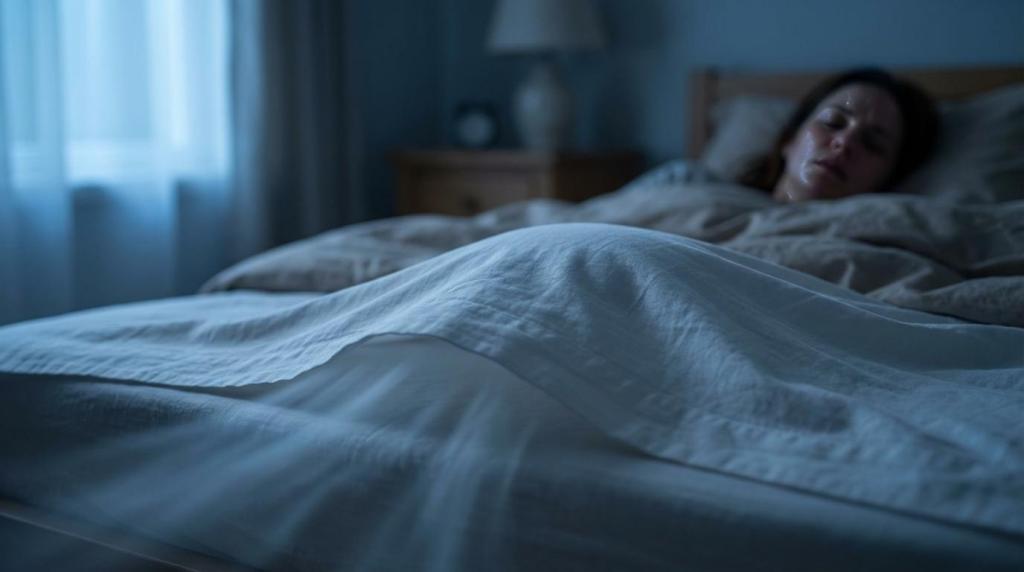
Learn how to keep feet cool at night in bed with lighter bedding, less trapped heat, and targeted under-cover airflow for sleep.
Hot feet can ruin an otherwise comfortable night. You climb into bed feeling fine, then an hour later your feet feel trapped, sweaty, and almost too warm to ignore. Many people kick off the covers, cool down for a minute, then pull them back on and start the whole cycle again. For those wondering how to keep feet cool at night in bed, the goal is to replace the built‐up heat with a refreshing sensation—ideally transforming hot feet into pleasantly cold feet.
Your body naturally shifts temperature as you get ready for sleep. Blood flow to the hands and feet can increase, which helps release body heat. That is a normal part of winding down. The trouble starts when socks, heavy blankets, smoking, memory foam, warm sheets, humidity, or hormone changes keep that heat trapped close to the skin.
Once warm air gets stuck under the covers, the feet and calves can feel much hotter than the rest of the body, and for some, this can be exacerbated by erythromelalgia. Sweat adds to the problem. Moisture makes bedding feel clammy, and that can wake you up even if the room itself is fairly cool. In contrast, allowing an under-cover airflow that produces cold feet can create a much more satisfying sleep environment, especially for individuals who experience disruptions due to health issues such as kidney disease.
A few common reasons this happens include:
There are some easy changes that can help right away. They may not fully solve the issue for every sleeper, though they often reduce the intensity of heat buildup and help shift from hot feet to cold feet. Try incorporating these steps:
If you're wondering how to keep feet cool at night in bed, one approach is to actively promote cold feet by ensuring that the airflow reaches the area under your covers. Here are some additional points to consider regarding cold feet:
Air conditioning cools the room, not the space between your sheets. That is the key issue for many hot sleepers.
You can have a bedroom that feels fine at bedtime and still wake up with heat trapped around your feet and shins. Bedding creates a small insulated zone. Once your body warms that zone, the heat has nowhere to go unless air is moving through it. In contrast, achieving consistently cold feet depends on the controlled movement of air precisely where it counts.
That is why a ceiling fan or box fan across the room may not fully fix hot feet at night. Those fans move air around the room, but they do not consistently push cooler air into the bed itself.
A bed fan works differently from a standard room fan. Instead of blowing across the bedroom, it sends a controlled stream of air under the top sheet so heat can be flushed out of the bedding. This targeted airflow helps prevent the shift from hot feet to uncomfortable, sweaty feet, and works toward maintaining the desired cold feet sensation.
Placed at the foot of the bed, a bed fan can target the exact area where many people feel the most heat buildup: the feet, ankles, calves, and lower legs. This matters because warm air naturally lingers under blankets. When that air is replaced with cooler room air, the bed feels less stuffy and sweat can evaporate more easily, leaving you with the benefits of cold feet and better overall temperature regulation.
This is where the bFan from www.bedfan.com stands out as a practical option. It is a bed fan designed to sit at the foot of the bed and direct airflow between the sheets, rather than across your face or through the whole room. For people dealing with hot feet, leg heat, hot flashes and night sweats, or overheating from medications, that targeted setup can be much more useful than turning the AC lower all night.
What that setup offers in real use:
Hot feet at night can affect almost anyone, though some groups deal with it more often, such as individuals suffering from erythromelalgia. Women in menopause or perimenopause are a major example, since hot flashes and night sweats often hit hardest when trying to stay asleep. People taking antidepressants, steroids, pain medications, hormone therapies, or some diabetes medications may notice the same issue, as well as those suffering from kidney disease.
There are also sleepers who simply run hot. They may not have a medical condition at all. They just build up a lot of heat under the blankets, especially around the legs. In contrast, achieving cold feet by encouraging proper airflow can provide significant relief even for those who otherwise feel fine.
A bed fan can also be helpful for people who want to raise the thermostat a few degrees without feeling miserable at night. Instead of paying to cool the whole home more aggressively, they cool the bed space where it counts.
Air movement works best when your sheets allow that air to travel under the covers. Very dense, heavy, or non-breathable fabrics can reduce the effect.
That does not mean you need paper-thin bedding. It usually means choosing materials that breathe and avoiding layers that trap moisture. Cotton percale, lighter quilts, and sleepwear that does not cling to the skin often pair well with a bed fan.
A few setup tips make a difference:
Sometimes hot feet at night are just a comfort issue. Sometimes they are a clue worth paying attention to. If the overheating is new, intense, or paired with other symptoms, it makes sense to speak with a medical professional. This matters even more if you also notice numbness, pain, redness, fever, drenching sweats, weight loss, or frequent waking with burning sensations in the feet.
In addition, if you experience numbness along with potential signs of neuropathy or peripheral neuropathy—conditions that can be accompanied by nerve damage—it’s important to get evaluated. Some individuals with erythromelalgia experience episodes of burning pain, and poor circulation to the nerves can worsen the discomfort. Other factors such as hypothyroidism may play a role, and lifestyle changes including regular exercise and massage can improve circulation. Even moderate alcohol consumption can affect circulation and exacerbate hot feet issues, while topical creams may sometimes be recommended by a healthcare provider to soothe irritated nerves.
A bed fan can help with comfort and sleep quality, but it is not a medical treatment. It is best viewed as a useful symptom-relief tool while you address any underlying cause if needed.
Many people do not need an ice-cold bedroom. They need less trapped heat under the covers. That is a different problem, and it calls for a different fix. With some simple lifestyle changes—such as ensuring regular exercise, gentle massage, and, if needed, the use of topical creams—you may improve overall circulation and even protect your nerves from potential damage. These modifications can not only alleviate symptoms of hot feet but also help maintain cold feet for a more comfortable sleep.
If your feet and legs get hot in bed night after night, an under-cover airflow setup is often one of the most direct solutions. A bed fan like the bFan at www.bedfan.com is built for exactly that job: moving cooler air from the foot of the bed through the bedding so your sleep space feels less hot, less humid, and much easier to stay comfortable in—with the added benefit of achieving those much desired cold feet.
Hot feet at night can be caused by a variety of factors, including poor circulation, nerve issues, hormonal changes, or even certain medications. Environmental factors, such as heavy bedding or a warm room, can also contribute. Identifying the underlying cause is important for effective management.
While hot feet are often benign, they can sometimes indicate underlying medical conditions such as peripheral neuropathy, diabetes, kidney disease, erythromelalgia, thyroid disorders, or even smoking-related vascular issues. If you experience persistent or severe symptoms, it is advisable to consult a healthcare professional for proper evaluation.
Non-medical strategies include using lightweight, breathable bedding, wearing moisture-wicking socks, and keeping your bedroom cool. You can also try elevating your feet or using a bed fan like the bFan from www.bedfan.com, which provides targeted airflow under the covers to help regulate temperature.
Yes, dehydration can contribute to sensations of heat in the feet by affecting blood flow and nerve function. Ensuring adequate hydration throughout the day may help alleviate symptoms and improve overall comfort at night.
Most cooling devices designed for bedroom use, such as bed fans or cooling pads, are safe when used according to manufacturer instructions. The bFan, for example, is specifically engineered to deliver gentle airflow under your sheets, helping to keep your feet and legs cool without risk.
If only one foot feels hot, it could be due to localized issues such as injury, infection, or vascular problems. Persistent unilateral symptoms warrant a medical evaluation to rule out more serious conditions like deep vein thrombosis or nerve compression.
Spicy foods, caffeine, and alcohol can increase body temperature and potentially worsen hot feet at night. Limiting these, especially in the evening, may help reduce symptoms and promote more restful sleep.
A bed fan, such as the bFan, directs a gentle stream of air under your covers, helping to dissipate heat and moisture from your feet and legs. This targeted airflow can make a significant difference in comfort, especially for those who struggle with overheating at night.
You should consult a doctor if your symptoms are severe, persistent, or accompanied by other concerning signs such as numbness, tingling, swelling, or pain. Early evaluation can help identify any underlying medical issues and guide appropriate treatment.