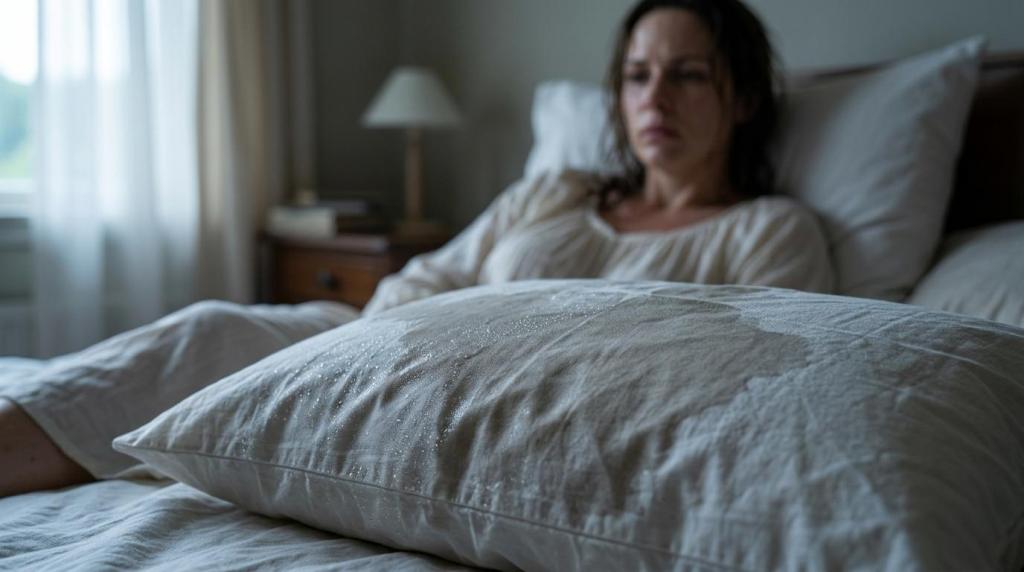
Crohn's Disease and night sweats? Yes—flares, inflammation, meds, or infection may trigger them. Learn causes, red flags, and sleep tips.
If you are waking up sweaty and wondering whether Crohn’s disease could be part of the reason, the short answer is yes. Crohn’s can be associated with night sweats, especially when disease activity is up, inflammation is active, or a flare is brewing. It is not the only cause, though, and that is where people can get stuck. A hot room, heavy bedding, medication side effects, infection, fever, and other medical issues can all blur the picture.
This is not medical advice. Always consult your doctor or gastroenterology team before making changes to your treatment, fluids, diet, or symptom plan. Drenching night sweats, fever, weight loss, worsening diarrhea, or significant abdominal pain deserve medical evaluation.
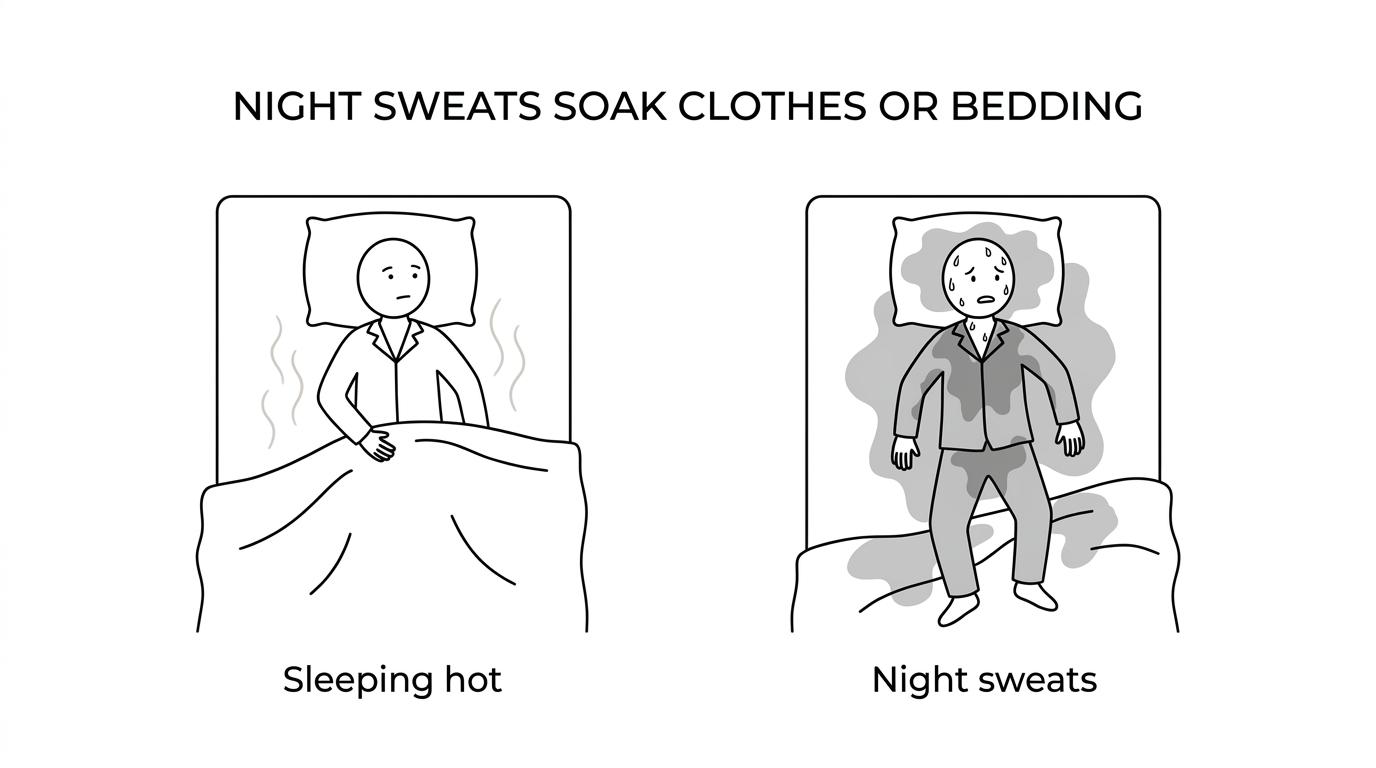
If your sheets are getting soaked, that is more than just “sleeping warm.”
Crohn’s disease is a chronic inflammatory bowel disease, similar to ulcerative colitis and categorized as a chronic illness, that can affect any part of the gastrointestinal (GI) tract, often causing inflammation that leads to symptoms like diarrhea and abdominal pain. Many people think of it mainly as a gut condition, which makes sense because symptoms like diarrhea, cramping, and belly pain are so common. Still, Crohn’s can also cause symptoms outside the intestine.
That matters here because night sweats are one of those broader, whole-body symptoms. The Crohn’s & Colitis Foundation lists night sweats among symptoms beyond the intestine, along with fever, weight loss, loss of appetite, and fatigue: https://www.crohnscolitisfoundation.org/patientsandcaregivers/what-is-crohns-disease/symptoms. The National Institute of Diabetes and Digestive and Kidney Diseases (NIDDK) also notes that Crohn’s disease causes inflammation in the digestive tract and commonly brings diarrhea, abdominal pain, cramping, and weight loss: https://www.niddk.nih.gov/health-information/digestive-diseases/crohns-disease.
So, yes, Crohn’s can be tied to night sweats. The harder question is why they are happening in your specific case.
The immune system plays a crucial role in regulating body temperature and responding to inflammation, which can directly impact the occurrence of night sweats. When the immune system is activated, such as during a flare-up of Crohn's disease, it releases various chemicals called cytokines that can raise the body's core temperature. This process often leads to sweating as the body attempts to cool itself down. Night sweats may also signal that the immune system is fighting off an infection or reacting to increased inflammation in the gut. For some individuals, these episodes can be intense enough to disrupt sleep and affect overall well-being. Understanding the connection between immune activity and night sweats can help patients and healthcare providers better manage symptoms and improve sleep quality.
Medications commonly prescribed for Crohn's disease, such as corticosteroids and certain immunosuppressants, can significantly affect sleep patterns. These drugs may cause side effects like insomnia, vivid dreams, or increased nighttime awakenings, making it harder to achieve restful sleep. Some medications can also alter the body's natural circadian rhythm, leading to difficulty falling asleep or staying asleep throughout the night. In addition, certain treatments may contribute to night sweats, further disrupting sleep and leaving individuals feeling fatigued during the day. It is important for patients to discuss any sleep disturbances with their healthcare provider, as adjusting medication timing or exploring alternative therapies may help minimize these effects and improve overall sleep quality.
When Crohn’s is active, the body’s immune system can act like it is fighting a fire, often leading to anxiety alongside physical symptoms. Inflammation rises. Fever may show up. Sleep gets broken by cramps, urgent diarrhea, rectal discomfort, or just the feeling that your system is “on alert.” Any of that can leave you waking up damp or fully soaked.
Some people also notice night sweats during periods of worsening fatigue or unplanned weight loss. Those symptoms do not prove a flare by themselves, but they are part of the bigger pattern doctors pay attention to. Crohn’s symptoms often come and go in flares and remission, and that on-again, off-again pattern can make it easy to second-guess what is happening.
Medications can muddy the waters too. Steroids like prednisone may affect temperature regulation and sleep, and inflammation can further complicate symptoms. If you are on immune-suppressing treatment, your doctor may also think about infections, because infection can cause fever and drenching sweats and needs prompt attention.
This is one reason new night sweats should not be brushed off if they are intense or unusual for you.
A few clues matter more than others:
True night sweats are not just feeling a little too warm. Mayo Clinic defines night sweats as repeated episodes of very heavy sweating during sleep, heavy enough to soak sleepwear or bedding, and recommends medical review when they happen regularly, interrupt sleep, or come with fever, weight loss, pain, cough, or diarrhea: https://www.mayoclinic.org/symptoms/night-sweats/basics/causes/sym-20050768.
That said, room temperature still matters a lot. If you already have Crohn’s-related inflammation or feverishness, a warm bedroom and heat-trapping bedding can make a bad night much worse. Sleep experts commonly recommend a bedroom temperature between 60°F and 67°F for better sleep. Many people find that using a Bedfan lets them raise the room temperature by about 5°F while still cooling the body enough to sleep more comfortably, because the airflow is directed under the sheets where heat and sweat collect.
That last part is important. Neither a Bedfan nor a Bedjet actually cools the air. They use the cool air already in the room. The difference is where that air goes.
 Under-sheet airflow can help sweat evaporate and reduce the sticky, trapped-heat feeling that keeps waking people up.
If you try this approach, tight-weave sheets usually work best because they help the air move across your body instead of escaping too quickly.
When Crohn’s symptoms, ulcerative colitis, or chronic illness are acting up, better sleep often starts with reducing friction at bedtime, which can alleviate anxiety associated with night sweats and inflammation. That means less heat trapped under covers, fewer barriers to bathroom trips, and a calmer setup when you do wake up.
One practical step is to keep a short symptom log for a week or two. Note the sweating, stool frequency, abdominal pain, temperature, medication timing, and what your room felt like. If the pattern points to disease activity, your doctor will have better information. If it looks more environmental, you can adjust your sleep setup with more confidence.
Hydration matters too, especially if diarrhea is part of the picture. Small, steady fluid intake during the day may help more than trying to “catch up” right before bed. Your care team may also want to check for anemia, infection, or medication side effects if fatigue and sweating are building together.
Then there is the comfort side of the equation, which can also support the immune system in managing stress and inflammation. A Bedfan or bFan can be helpful here because it targets the place where the problem happens: under the sheets. It sits at the foot of the bed and moves room air between the top and bottom sheets, which can help evaporate sweat and carry away body heat without blasting your face. For someone with Crohn’s who is already waking up from cramps, inflammation, or bathroom urgency, fewer heat-related wakeups can make a real difference.
A few details make it more useful in real life. The Bedfan is quiet, around 28 to 32 dB on low to normal settings, so it does not add much noise to an already fragile night. Timer controls can help if you want more cooling early in the night and less later. If you share a bed and only one person is overheating, two Bedfans can create dual-zone microclimate control at a fraction of the cost of a dual-zone Bedjet setup, which runs over a thousand dollars and is more than twice the price of two Bedfans. The original Bedfan was invented in 2003, several years before Bedjet was even thought of.
A simple bedtime setup often works best:
One anonymized example that comes up often is the person whose “Crohn's disease night sweats” seem random at first. A middle-aged adult with Crohn’s noticed three bad nights in one week, waking up soaked and kicking off blankets. At first, it seemed like the room was too warm. But the same week brought more urgent bowel movements, less appetite, and a return of cramping. Cooling the bed with under-sheet airflow helped them fall back asleep faster and cut down on that overheated, clammy feeling, but the bigger win came from calling their GI clinic and catching a flare early.
That is the key point. Comfort tools can help you cope tonight. They do not replace medical evaluation when your body is throwing up red flags.
If you have Crohn’s and your night sweats are new, drenching, or happening with other symptoms, it is smart to reach out. This matters even more if you are on steroids, biologics, or other immune-affecting medicines, because infection risk is part of the equation, especially as these can impact your immune system.
Call sooner rather than later if the sweating comes with fever, chills, worsening diarrhea, severe abdominal pain, blood in the stool, rectal drainage, inflammation, unplanned weight loss, or symptoms suggestive of ulcerative colitis. If you have a history of abscess, fistula, or bowel complications, bring that up clearly. Those details help your doctor sort out flare, infection, medication effect, or something unrelated to Crohn’s.
A lot of people try to tough this out, dismissing their anxiety and assuming poor sleep is just part of the package when dealing with chronic illness. It should not be.
Here is a practical way to think about urgency:
If you are not sure how to start the conversation, keep it simple. Tell your doctor whether the sweats soak your clothes or bedding, how often they happen, whether you are having fever, diarrhea, pain, weight loss, inflammation, or fatigue, and whether any medication changed recently.
You can also ask whether your pattern sounds more like a flare, a medication side effect, or a possible infection. If you have been losing sleep for weeks, say that directly. Poor sleep is not a small issue when you are already dealing with inflammation, fatigue, and the day-to-day work of managing Crohn’s.
And if overheating itself is wrecking your nights, say that too. Symptom treatment and sleep comfort can happen at the same time.
Night sweats in people with Crohn's disease are often linked to inflammation and immune system activity. When the body is fighting inflammation or infection, it releases chemicals that can raise body temperature and trigger sweating during sleep. Certain medications and active disease flares can also contribute to this symptom.
Yes, some medications used to treat Crohn's disease, such as corticosteroids and immunosuppressants, can disrupt normal sleep patterns. These drugs may cause insomnia, frequent awakenings, or vivid dreams, making it harder to get restful sleep. If you notice sleep changes after starting a new medication, talk to your healthcare provider about possible adjustments.
Managing night sweats involves addressing both the underlying inflammation and your sleep environment. Keeping your bedroom cool, using breathable bedding, and considering targeted cooling solutions like the bFan can help. It is also important to work with your doctor to control disease activity and review your medications for possible side effects.
Night sweats can sometimes indicate a Crohn's disease flare-up, especially if they are accompanied by other symptoms like abdominal pain, diarrhea, or fatigue. Increased inflammation during a flare can trigger the body's temperature regulation response, leading to sweating at night. If you experience new or worsening night sweats, consult your healthcare provider.
Sleep experts recommend keeping your bedroom between 60°F and 67°F for optimal rest. With a bedfan, many people find they can raise the room temperature by about 5°F and still sleep comfortably. Using cooling devices and breathable sheets can further improve sleep quality for those with Crohn's disease and night sweats.
All links have been checked and are currently working.
Suggested internal links for editors on Bedfan.com: the main /night-sweats/ hub, a /sleeping-cooler/ guide, a page on medication-related night sweats, a guide to the best bedroom temperature for sleep, and a practical article on cooling the bed without dropping the whole-house thermostat.
If Crohn’s-related heat and sweat are tearing up your sleep, a targeted airflow tool can be one reasonable, non-drug way to get more rest while you sort out the medical side with your care team. You can see the Bedfan here: http://www.bedfan.com. This is not medical advice. Always consult your doctor or oncology team before making changes. If your night sweats are drenching or tied to fever, weight loss, pain, or diarrhea, please get checked.