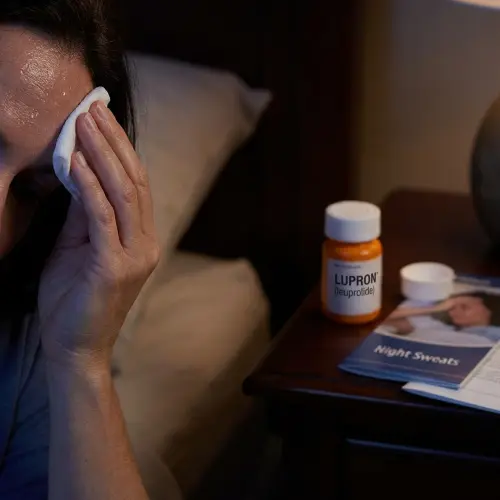
Leuprolide Lupron night sweats affect many users, caused by hormonal fluctuations. This article covers their impact and management strategies.
Leuprolide, commonly known by its brand name Lupron, is a medication widely used in the management of hormone-sensitive conditions such as prostate cancer, breast cancer, endometriosis, uterine fibroids, and precocious puberty. While highly effective for its intended purposes, leuprolide is also associated with a range of side effects, among which night sweats are particularly distressing for many patients. This article provides an in-depth exploration of leuprolide-induced night sweats, their underlying mechanisms, impact on quality of life, and evidence-based strategies for management—including the innovative use of the Bedfan (bFan) for nighttime comfort.
Leuprolide is a synthetic analog of gonadotropin-releasing hormone (GnRH). By acting as a GnRH agonist, it initially stimulates, then profoundly suppresses, the production of sex hormones such as estrogen and testosterone. This hormonal suppression is central to its therapeutic effects in conditions where sex hormones play a pathogenic role. The appropriate leuprolide dosage is carefully calculated by healthcare providers to achieve therapeutic goals while minimizing side effects.
Common Indications for Leuprolide:
Administration: Leuprolide is typically administered via subcutaneous or intramuscular injection—often referred to as a Lupron injection—with dosing intervals ranging from daily to every few months, depending on the formulation, indication, and patient-specific factors. Patients taking Lupron should adhere strictly to the recommended leuprolide dosage to ensure optimal treatment outcomes.
Night sweats—episodes of excessive sweating during sleep—are a well-documented side effect of leuprolide therapy. The primary reason lies in the abrupt changes in sex hormone levels induced by the medication.
Night sweats are closely related to hot flashes—sudden feelings of warmth, flushing, and sweating. Both are vasomotor symptoms resulting from hormonal withdrawal, whether due to menopause, medical therapy, or surgical intervention.
Key Points:
Night sweats are more than just a physical nuisance; they can significantly impair sleep quality, mood, and overall well-being.
Consequences of Persistent Night Sweats:
For patients already coping with the emotional and physical burden of chronic illnesses like prostate cancer or breast cancer, these symptoms can be particularly challenging.
While anyone receiving leuprolide can experience night sweats, certain factors may increase susceptibility:
When a patient on leuprolide reports night sweats, a thorough assessment is warranted to rule out other potential causes, such as:
A detailed history, physical examination, and targeted investigations help ensure that night sweats are indeed attributable to leuprolide therapy.
For patients with severe or persistent symptoms, certain medications may be considered:
One of the most practical and non-pharmacological solutions for night sweats is the use of a bed fan, such as the Bedfan (bFan). The Bedfan is designed to deliver a gentle, adjustable stream of air between the sheets, directly targeting the microclimate around the sleeper’s body.
Benefits of the Bedfan:
Many patients report significant relief from night sweats and improved sleep quality with the Bedfan. It is especially useful for those who share a bed with a partner who does not experience night sweats, as it provides targeted cooling without affecting the whole room.
Night sweats can have a profound psychological impact, particularly when they persist over weeks or months. Patients may feel embarrassed, frustrated, or isolated by their symptoms. Open communication with healthcare providers is essential for validating these experiences and exploring all available management options.
Support Resources:
While night sweats are a common side effect of leuprolide, certain warning signs warrant prompt medical evaluation:
These may indicate an underlying medical condition unrelated to leuprolide therapy.
A 68-year-old man undergoing leuprolide therapy for prostate cancer developed severe night sweats within two weeks of his first Lupron injection. Despite adjusting his bedroom temperature and using moisture-wicking sheets, he continued to wake up drenched several times per night. He also noted intermittent pain during the night. After incorporating the Bedfan into his sleep routine and re-evaluating his leuprolide dosage with his healthcare provider, he reported a marked reduction in sweating episodes and improved sleep quality.
A 34-year-old woman treated with leuprolide for endometriosis experienced hot flashes and night sweats that disrupted her sleep and daily functioning. She found partial relief with gabapentin but achieved the best results by combining medication with the use of a bFan, which allowed her to sleep through the night without frequent awakenings.
Healthcare professionals play a crucial role in:
A patient-centered approach, tailored to individual needs and preferences, is essential for optimizing outcomes.
The Bedfan (bFan) stands out as a simple yet highly effective tool for managing night sweats. Unlike traditional fans or air conditioning, the Bedfan targets the area under the sheets, where heat and moisture tend to accumulate. Its unobtrusive design and customizable airflow make it suitable for a wide range of users, including those with mobility limitations or sensitivity to noise.
Why Consider the Bedfan?
For patients struggling with leuprolide-induced night sweats, the Bedfan offers a practical, user-friendly solution that can make a significant difference in nightly comfort and overall quality of life.
Night sweats are episodes of excessive sweating during sleep that can soak clothing and bedding. They are a common side effect of leuprolide (Lupron) due to the medication’s suppression of sex hormones, which disrupts the body’s normal temperature regulation. This hormonal change makes the body more sensitive to temperature shifts, triggering sweating as a compensatory response.
Most patients begin to notice night sweats within the first few weeks of starting leuprolide therapy. The intensity and frequency can vary, with some individuals experiencing mild symptoms and others having more severe episodes. These symptoms may persist for the duration of treatment and sometimes even after stopping the medication.
Night sweats themselves are not usually dangerous, but they can significantly disrupt sleep and quality of life. Persistent night sweats may lead to fatigue, mood changes, and dehydration. However, it’s important to consult your healthcare provider to rule out other potential causes, especially if you experience additional symptoms like fever or weight loss.
Simple lifestyle changes can make a big difference. Keep your bedroom cool, use lightweight bedding, and wear moisture-wicking pajamas. Consider using a bed fan, such as the bFan from Bedfan.com, which provides targeted airflow under the sheets and can help you stay comfortable throughout the night.
Yes, several non-hormonal medications such as gabapentin, clonidine, and certain antidepressants (SSRIs or SNRIs) have been shown to reduce the frequency and severity of night sweats. These should be discussed with your healthcare provider, as they may have their own side effects and interactions.
Absolutely. The Bedfan is specifically designed to deliver a gentle stream of air between your sheets, cooling your body directly and reducing the discomfort caused by night sweats. Many patients find that using a bed fan improves their sleep quality and helps them manage this side effect without additional medication.
Do not stop or adjust your medication without consulting your healthcare provider. Night sweats are a common side effect and can often be managed with lifestyle changes, supportive devices like the Bedfan, or additional medications. Your provider can help you weigh the benefits and risks of continuing therapy.
Contact your doctor if your night sweats are severe, interfere with your daily life, or are accompanied by other symptoms such as fever, unexplained weight loss, or persistent cough. These could indicate an underlying medical condition that needs further evaluation.
Staying well-hydrated and avoiding known triggers such as caffeine, alcohol, spicy foods, and hot beverages—especially in the evening—can help minimize night sweats. Eating a balanced diet and maintaining a healthy weight may also support overall well-being during leuprolide therapy.
Yes, chronic night sweats can lead to sleep deprivation, which in turn may cause irritability, anxiety, and depression. If you notice changes in your mood or mental health, discuss these with your healthcare provider. Support groups, counseling, and practical solutions like the Bedfan can all contribute to better coping and improved quality of life.
Leuprolide (Lupron) is a valuable medication for managing hormone-sensitive conditions, such as prostate cancer and breast cancer, but night sweats remain a common and often distressing side effect. Through a combination of lifestyle modifications, pharmacologic interventions—including adjustments to leuprolide dosage and the careful administration of Lupron injections—innovative solutions like the Bedfan, and appropriate use of adjunctive medications such as paroxetine, most patients can achieve significant relief. Open communication with healthcare providers and a proactive approach to symptom management are key to maintaining quality of life during leuprolide therapy.



