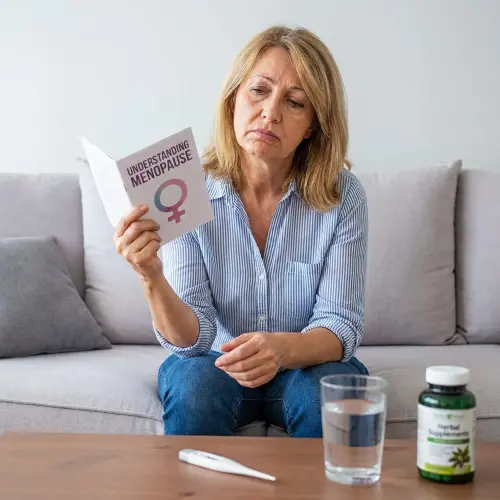
Menopause symptoms vary significantly, influenced by hormone shifts. These can affect women's physical health, emotional well-being, and life quality.
Menopause, often preceded by perimenopause, marks a significant transition in a woman's life, signaling the end of her reproductive years. It is defined as the point when menstrual periods have ceased for 12 consecutive months, typically occurring between the ages of 45 and 55, with an average age of 51 in many populations. This natural biological process is driven by the ovaries' declining production of hormones like estrogen and progesterone, leading to a wide array of symptoms that can affect physical health, emotional well-being, and overall quality of life. While some women experience mild changes, others face more severe disruptions that may last for years.
The journey through menopause is often divided into three stages: perimenopause, menopause, and postmenopause. Perimenopause, which can begin in the late 30s or 40s, involves fluctuating hormone levels and irregular periods, often introducing the first symptoms. Menopause itself is the official cessation of menstruation, and postmenopause follows, where symptoms may persist but often stabilize. Understanding these stages is crucial because symptoms can vary widely in intensity and duration, influenced by factors such as genetics, lifestyle, and overall health.
It's important to recognize that menopause is not a disease but a normal phase of aging. However, the hormonal shifts can lead to uncomfortable and sometimes debilitating symptoms that prompt many women to seek relief. In this article, we will explore the causes of menopause symptoms, detail the most common physical and emotional manifestations, discuss diagnosis methods, and outline various management strategies, including lifestyle adjustments, medical treatments, and innovative aids like the bFan from Bedfan.com for alleviating night sweats.
At the core of menopause symptoms are hormonal changes. Women are born with a finite number of eggs stored in their ovaries, and as they age, the ovaries produce less estrogen and progesterone, the key hormones regulating the menstrual cycle. This decline accelerates during perimenopause, leading to irregular ovulation and eventually its complete halt. The drop in estrogen, in particular, affects multiple systems in the body, from temperature regulation to bone density and mood stability.
Estrogen plays a protective role in various bodily functions. For instance, it helps maintain the health of the vaginal lining, supports bone strength, and influences serotonin levels in the brain, which regulate mood. When levels plummet during menopause, the body struggles to adapt, resulting in symptoms like hot flashes, which are thought to stem from the hypothalamus, the brain's thermostat, becoming more sensitive to slight changes in body temperature. Progesterone's decline contributes to sleep disturbances and irregular bleeding.
Other factors can exacerbate or trigger earlier onset of menopause symptoms. Surgical removal of the ovaries (oophorectomy), chemotherapy, radiation therapy, or certain autoimmune conditions can induce premature menopause before age 40. Lifestyle elements, such as smoking, can accelerate the process by up to two years, while a healthy diet and regular exercise may mitigate some effects. Genetic predisposition also plays a role; if a woman's mother experienced early menopause, she might too.
Beyond hormones, age-related changes in other systems compound symptoms. For example, declining collagen production affects skin elasticity and joint health, while metabolic shifts can lead to weight gain around the midsection. These interconnected causes highlight why menopause symptoms are multifaceted and require a holistic approach to treatment and management.
Menopause symptoms often manifest physically, with hot flashes and night sweats being the most reported, affecting up to 75% of women. A hot flash feels like a sudden wave of intense heat spreading through the upper body, often accompanied by flushing, sweating, and a rapid heartbeat. These episodes can last from 30 seconds to several minutes and occur multiple times a day, disrupting daily activities and sleep.
Night sweats, a nocturnal version of hot flashes, involve profuse sweating that soaks bedding and nightclothes, leading to frequent awakenings and fatigue. For many, this creates a cycle of poor sleep quality, exacerbating other symptoms. Vaginal dryness and atrophy, known as genitourinary syndrome of menopause (GSM), affect about half of postmenopausal women, often accompanied by a decrease in libido. Reduced estrogen thins the vaginal walls, reduces lubrication, and can cause itching, discomfort during intercourse (dyspareunia), and increased urinary tract infections.
Irregular periods are a hallmark of perimenopause, a stage leading up to menopause, with cycles becoming shorter or longer, heavier or lighter, until they stop entirely. Some women experience spotting or flooding, which can be unpredictable and inconvenient. Weight gain, particularly around the abdomen, is common due to slower metabolism and hormonal influences on fat distribution. This "menopausal belly" increases risks for conditions like type 2 diabetes and heart disease.
Joint and muscle aches, often described as arthralgia, arise from estrogen's role in reducing inflammation. Women may notice stiffness in the morning or pain in the hands, knees, and back. Hair thinning or loss, dry skin, and brittle nails are also frequent, as estrogen supports collagen and moisture retention. Headaches, including migraines, can worsen or newly appear due to hormonal fluctuations.
Urinary symptoms, such as urgency, frequency, or incontinence, stem from weakened pelvic floor muscles and urethral thinning. Palpitations, sensations of a racing or irregular heartbeat, may occur during hot flashes, though they usually resolve without intervention. Breast tenderness, similar to premenstrual symptoms, can persist intermittently.
Less common but notable are digestive issues like bloating, constipation, or indigestion, possibly linked to hormonal effects on gut motility. Some women report changes in taste or smell, or even allergies flaring up during perimenopause. Overall, these physical symptoms associated with menopause can range from mild annoyances to significant impairments, emphasizing the need for personalized management.
Menopause isn’t just about physical changes: it can seriously shake up your mental health, too. Mood swings, irritability, and anxiety are all too common, thanks to estrogen’s effect on brain chemicals like serotonin and dopamine. You might find yourself feeling extra emotional, with your mood flipping from happy to sad in a flash, sometimes for no obvious reason. If restless nights or hot flashes are making things worse, consider the bFan from www.bedfan.com, a bed fan designed to help you sleep cooler and feel more comfortable through it all.
Depression during menopause is a concern, with studies showing an increased risk, particularly for those with a history of mood disorders. Symptoms include persistent sadness, loss of interest in activities, and feelings of worthlessness. Cognitive changes, often called "brain fog," involve difficulties with memory, concentration, and focus. Tasks that were once straightforward may feel overwhelming, leading to frustration.
Sleep disturbances, often related to menopause and exacerbated by night sweats, contribute to fatigue and irritability, creating a feedback loop that worsens emotional symptoms. Reduced libido or sexual interest can stem from physical discomfort or emotional factors, straining relationships. Some women experience a sense of loss or grief over the end of fertility, which can manifest as existential anxiety.
It's essential to differentiate these symptoms from other mental health conditions. While hormonal changes play a role, external stressors like aging parents, career demands, or empty nest syndrome can amplify them. Seeking support through therapy or support groups can be invaluable.
Diagnosing menopause is typically straightforward and based on symptoms and menstrual history. A doctor may confirm it after 12 months without a period, but blood tests measuring follicle-stimulating hormone (FSH) levels can help if symptoms are ambiguous. Elevated FSH indicates ovarian decline. Thyroid function tests or other hormone panels might rule out mimicking conditions like hyperthyroidism.
Women should consult a healthcare provider if symptoms severely impact daily life, such as debilitating hot flashes, persistent vaginal bleeding after menopause, or severe mood changes. Early intervention can prevent complications like osteoporosis or cardiovascular issues, which rise postmenopause due to estrogen loss.
Managing menopause symptoms focuses on treatment, relief, libido, and long-term health. Hormone replacement therapy (HRT), also known as menopausal hormone therapy (MHT), is the most effective for vasomotor symptoms like hot flashes and night sweats. It involves estrogen alone (for those without a uterus) or combined with progestin, available as pills, patches, gels, or creams. HRT also protects against bone loss and vaginal dryness but carries risks like blood clots or breast cancer, so it's prescribed at the lowest dose for the shortest time.
Non-hormonal options for menopause symptoms include antidepressants like SSRIs (e.g., paroxetine) for hot flashes, or gabapentin for night sweats. For vaginal symptoms, localized estrogen creams or moisturizers provide targeted relief without systemic effects. Ospemifene, a selective estrogen receptor modulator, addresses painful intercourse.
Complementary therapies show promise: acupuncture may reduce hot flash frequency, while yoga and tai chi improve mood and sleep. Herbal supplements like black cohosh or soy isoflavones are popular, but evidence is mixed, and they should be used cautiously due to potential interactions.
For night sweats specifically, innovative products like the bFan from Bedfan.com can offer practical relief. This bed cooling system blows cool air under the sheets, dissipating trapped heat and helping women stay comfortable without lowering the entire room's temperature, thus promoting uninterrupted sleep.
Cognitive behavioral therapy (CBT) is a treatment that addresses insomnia and mood issues effectively, especially during menopause and perimenopause. Weight management through diet and exercise mitigates metabolic changes.
Lifestyle modifications form the foundation of menopause symptom management. A balanced diet rich in calcium, vitamin D, and phytoestrogens (from soy, flaxseeds) supports bone health and may ease hot flashes. Limiting caffeine, alcohol, and spicy foods can reduce triggers for vasomotor symptoms.
Regular physical activity, aim for 150 minutes of moderate exercise weekly, helps with weight control, mood enhancement, and sleep quality. Strength training preserves muscle mass and bone density. Stress reduction techniques like mindfulness meditation or deep breathing alleviate anxiety.
Improving sleep hygiene is key: maintain a cool bedroom, use breathable bedding, and establish a routine. Devices such as the bFan from Bedfan.com, which provides targeted airflow to combat night sweats, can significantly enhance rest by creating a cooler microclimate under the covers, as praised in user testimonials for its energy-efficient design.
Staying hydrated, quitting smoking, and limiting screen time before bed further support overall well-being. Building a support network, whether through friends or online communities, provides emotional validation.
Menopause and postmenopause bring increased risks for osteoporosis, heart disease, and urinary issues due to sustained low estrogen. Regular screenings, including bone density tests and cholesterol checks, are vital. Preventive measures like calcium supplements and weight-bearing exercises help.
Sexual health remains important; open communication with partners, managing libido, and use of lubricants can maintain intimacy. Monitoring for any unusual bleeding is crucial, as it could signal endometrial issues.
Menopause symptoms, while challenging, are a natural part of life that many women navigate successfully with the right knowledge and tools. From hot flashes and mood swings to vaginal dryness and sleep disruptions, understanding the hormonal underpinnings empowers informed decisions on management. Whether opting for HRT, lifestyle changes, or aids like the bFan, relief is attainable. Consulting healthcare professionals ensures tailored strategies, fostering a positive postmenopause phase focused on health and vitality.
Menopause can have a significant impact on mental health due to hormonal fluctuations, particularly the drop in estrogen. This can lead to mood swings, increased anxiety, and even episodes of depression. Many women notice changes in their emotional well-being during this transition, and it’s important to seek support if symptoms become overwhelming.
Yes, mood swings are a common symptom of menopause. The hormonal changes can disrupt the balance of neurotransmitters in the brain, making emotions feel more intense or unpredictable. If mood swings are interfering with your daily life, it’s a good idea to talk to your healthcare provider about possible solutions.
Sleep issues are very common during menopause, often due to night sweats and hot flashes. Creating a cool, comfortable sleep environment can make a big difference. Many women find relief with the bFan from www.bedfan.com, a bed fan that helps regulate temperature and promotes restful sleep, making it easier to manage other menopause symptoms.
Yes, the hormonal shifts during menopause can increase the risk of anxiety and depression. These feelings may be new or may worsen if you’ve experienced them before. It’s important to address these symptoms early by reaching out to a healthcare professional for guidance and support.
Absolutely. Regular exercise, a balanced diet, and stress management techniques like yoga or meditation can help. Keeping your bedroom cool and using a bed fan like the bFan can also improve sleep quality, which is essential for overall well-being during menopause. Don’t hesitate to ask your doctor about other strategies tailored to your needs.
The bFan sits at the foot of your bed and sends a quiet stream of air under your sheets. Direct airflow helps stop sweat before it starts, and one bFan costs less than half the price of one BedJet, making it the less expensive alternative. Shop the bFan at bedfans-usa.com