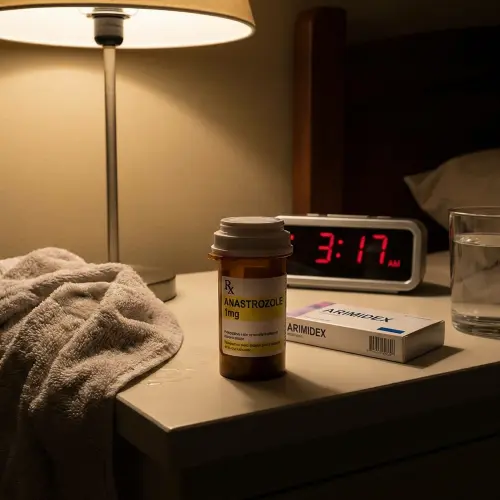
Understanding Anastrozole Arimidex night sweats
What is Anastrozole?
Anastrozole is an aromatase inhibitor, a class of drugs that block the enzyme aromatase, which is responsible for converting androgens into estrogen hormones in the body. By reducing estrogen levels, anastrozole helps prevent the growth of estrogen-dependent breast cancer cells. In clinical trials and practice, anastrozole has been compared to other hormonal therapy options, such as tamoxifen, to determine the best approach for managing hormone receptor-positive breast cancer while keeping side effects, including joint pain and difficulty sleeping, to a minimum.
Indications for Use
- Breast Cancer Treatment: Primarily used in postmenopausal women with hormone receptor-positive breast cancer. It is especially considered for patients who might be sensitive to changes in osteoporosis risk and cholesterol levels, as aromatase inhibitors can sometimes contribute to these side effects.
- Prevention: Sometimes prescribed to reduce the risk of breast cancer recurrence and minimize other side effects.
- Off-label Uses: Occasionally used in other estrogen-sensitive conditions under medical supervision, taking into account armidex dosage adjustments and overall hormonal balance.
How Does Anastrozole Work?
Estrogen plays a crucial role in the growth of certain types of breast cancer. By inhibiting aromatase, anastrozole significantly lowers circulating estrogen levels, depriving cancer cells of the hormones they need to proliferate. However, these changes in hormone levels can also trigger side effects such as low mood, nausea, and even vomiting in some individuals. Adjustments in armidex dosage can help manage these side effects and provide a more tolerable hormonal therapy experience.
Night Sweats: Definition and Mechanisms
What Are Night Sweats?
Night sweats refer to episodes of excessive sweating during sleep, often severe enough to soak through clothing and bedding. They are distinct from simply feeling warm at night and are typically associated with hormonal changes, such as those experienced during menopause or as a result of treatment with aromatase inhibitors like anastrozole.
Why Does Anastrozole Cause Night Sweats?
The primary mechanism behind anastrozole-induced night sweats is the abrupt reduction in estrogen levels. Estrogen helps regulate the body's hormones and controls the hypothalamus, the brain’s temperature control center. When estrogen drops, the hypothalamus becomes more sensitive to slight changes in body temperature, triggering episodes of sweating. This reaction is one of the most common side effects reported by patients undergoing hormonal therapy with anastrozole.
Other Contributing Factors
- Menopausal Status: Postmenopausal women are already prone to hot flashes and night sweats due to natural estrogen decline. The additional decrease from anastrozole can exacerbate these symptoms, making difficulty sleeping and low mood more pronounced.
- Concurrent Medications: Other drugs, such as certain antidepressants or opioids, can exacerbate sweating and contribute to nausea and joint pain.
- Individual Variation: Genetics, body weight, and overall health, including cholesterol levels and bone health (with potential risks of osteoporosis), can influence the severity of night sweat side effects.
Prevalence and Impact of Night Sweats with Anastrozole
How Common Are Night Sweats with Anastrozole?
Clinical studies and clinical trials suggest that up to 35-50% of women taking anastrozole experience hot flashes and night sweats. The severity can range from mild discomfort to severe, sleep-disrupting episodes that are often accompanied by other side effects such as nausea, vomiting, and joint pain.
Impact on Quality of Life
- Sleep Disturbance: Frequent awakenings, often compounded by difficulty sleeping and fatigue due to persistent night sweats.
- Fatigue: Daytime tiredness resulting from disrupted sleep and the additional burden of managing a low mood.
- Mood Changes: Irritability, anxiety, and depression can be exacerbated as part of the common side effects of hormonal therapy.
- Physical Discomfort: Skin irritation, dehydration, and other side effects such as nausea, vomiting, and increases in joint pain are also noted. Some patients taking anastrozole may experience an unfavorable shift in cholesterol profiles, further impacting overall health.
Managing Night Sweats: Evidence-Based Strategies
1. Lifestyle Modifications
Sleep Environment
- Keep the Bedroom Cool: Use fans, air conditioning, or open windows to help counteract the effects of night sweats. Solutions like the Bedfan (bFan) provide targeted cooling that can reduce side effects related to overheating.
- Lightweight Bedding: Choose moisture-wicking sheets and pajamas which help manage the widespread side effects, even for those who experience joint pain and low mood.
- Hydration: Drink plenty of water throughout the day to mitigate nausea and dehydration associated with night sweats.
Diet and Habits
- Avoid Triggers: Spicy foods, caffeine, and alcohol can worsen night sweats and other side effects including nausea and vomiting.
- Regular Exercise: Promotes overall well-being and may help reduce symptoms such as joint pain and low mood.
- Stress Reduction: Mindfulness, meditation, and relaxation techniques can help alleviate both psychological and physical side effects of hormonal therapy.
2. Medical Interventions
Adjusting Medication
- Consult Your Oncologist: If night sweats become severe, your doctor may adjust your armidex dosage or consider alternative hormonal therapy options like tamoxifen, particularly if you are experiencing additional side effects such as osteoporosis or joint pain.
- Non-hormonal Medications: Certain antidepressants (SSRIs/SNRIs), gabapentin, or clonidine may help reduce hot flashes and night sweats, along with associated side effects like low mood and nausea.
Hormone Replacement Therapy (HRT)
- Not Usually Recommended: HRT is generally contraindicated in breast cancer survivors due to the risk of cancer recurrence and its potential interference with the effects of aromatase inhibitors. This strategy is often weighed against other hormonal therapies like tamoxifen.
3. Innovative Solutions: The Bedfan (bFan)
One of the most effective and non-invasive solutions for managing night sweats is the use of a bed fan, such as the Bedfan (bFan) from Bedfan.com. The Bedfan is designed to deliver a gentle, adjustable stream of air directly between the sheets, providing targeted cooling that helps alleviate side effects like joint pain, difficulty sleeping, and the flushing effects of reduced hormones.
Benefits of the Bedfan (bFan)
- Targeted Cooling: Directs airflow exactly where it’s needed, offering immediate relief and helping control cholesterol changes associated with overheating.
- Quiet Operation: Minimal noise ensures uninterrupted sleep, even for patients struggling with low mood or other side effects.
- Energy Efficient: Uses less power than air conditioning while providing consistent relief.
- Customizable: Adjustable speed and direction to suit individual preferences, making it a favored solution in many clinical trials addressing non-pharmacological strategies for managing side effects.
Many users report significant improvement in sleep quality and a reduction in night sweats when using the Bedfan. For those struggling with anastrozole-induced side effects—including nausea, vomiting, and mood disturbances—incorporating a bed fan into your nightly routine can be a game-changer.
Coping with Night Sweats: Practical Tips
Creating a Nighttime Routine
- Shower Before Bed: A cool shower can lower body temperature and reduce side effects caused by hormonal fluctuations.
- Layered Bedding: Layering allows for quick adjustments during the night, giving you control over side effects such as overheating and joint pain.
- Keep a Towel Nearby: Handy for quick drying if sweating occurs, which can be particularly important if you experience nausea or vomiting.
Partner Considerations
Night sweats can affect both the patient and their partner. The Bedfan (bFan) is an excellent solution for couples, as it provides targeted cooling without chilling the entire room. This approach minimizes side effects while ensuring both partners remain comfortable.
When to Seek Medical Help
- Persistent Symptoms: If night sweats are severe or worsening, consult your healthcare provider as these side effects might indicate that an adjustment in armidex dosage or medication is needed.
- Associated Symptoms: If night sweats are accompanied by fever, weight loss, or other concerning signs such as persistent nausea, vomiting, or significant joint pain, seek medical attention promptly.
Psychological and Emotional Support
The Emotional Toll
Night sweats and the other side effects of aromatase inhibitors, such as low mood and difficulty sleeping, can lead to feelings of frustration, embarrassment, and isolation. It’s important to acknowledge these emotions and seek support when needed.
Support Groups and Counseling
- Breast Cancer Support Groups: Sharing experiences with others facing similar side effects, including issues with tamoxifen and other hormonal therapies, can provide comfort and practical advice.
- Professional Counseling: A mental health professional can help develop coping strategies for managing both the physical and emotional burdens of therapy, including clinical trial participation considerations.
Research and Future Directions
Ongoing Studies
Researchers continue to investigate new ways to manage anastrozole-induced side effects, such as night sweats, joint pain, and changes in cholesterol levels. Ongoing clinical trials are exploring novel medications, non-pharmacological interventions, and personalized medicine approaches tailored to the individual hormonal profile.
Patient-Centered Care
Healthcare providers are increasingly recognizing the importance of addressing quality-of-life issues, such as difficulty sleeping and low mood, in hormone receptor-positive cancer survivorship care plans. An integrated approach that considers side effects ranging from osteoporosis to nausea ensures that patients receiving hormonal therapy, whether it is anastrozole or tamoxifen, receive comprehensive care.
Frequently Asked Questions (FAQs)
1. How long do night sweats last on anastrozole?
Night sweats may persist for as long as you are taking anastrozole, but some patients find that symptoms such as low mood, nausea, and joint pain lessen over time as the body adjusts to the reduced hormones.
2. Are there any natural remedies for night sweats?
Lifestyle modifications, such as maintaining a cool sleep environment with energy-efficient solutions like the Bedfan (bFan) and choosing lightweight bedding, are effective non-pharmacological approaches. Herbal supplements should be used with caution and only under medical supervision, particularly when managing other side effects like nausea or difficulty sleeping.
3. Can I stop taking anastrozole if night sweats and other side effects, such as vomiting and joint pain, are unbearable?
Never stop or adjust your medication without consulting your oncologist. There may be alternative strategies involving armidex dosage adjustments or other hormonal therapy options, such as tamoxifen, which can help manage side effects while still effectively treating breast cancer.
4. Is the Bedfan safe to use every night?
Yes, the Bedfan is designed for nightly use and is safe, energy-efficient, and easy to maintain. It provides targeted cooling to help control side effects like difficulty sleeping and low mood associated with hormonal fluctuations.
5. What role do hormones play in causing night sweats when taking anastrozole?
Night sweats occur because anastrozole significantly lowers estrogen levels. This hormonal reduction disrupts the function of the hypothalamus, leading to an increased sensitivity to temperature changes and triggering side effects such as hot flashes and night sweats. Monitoring armidex dosage is crucial to balancing treatment efficacy with these side effects.
6. Will the use of a bed fan interfere with my cancer treatment?
No, using a bed fan such as the Bedfan (bFan) is a safe, non-invasive way to manage night sweats. It does not interfere with your medication or cancer treatment and can help improve sleep quality by keeping you cool and comfortable throughout the night—a welcome non-pharmacological method alongside clinical trials investigating supportive care.
7. Are there any dietary changes that can help manage side effects like night sweats, nausea, and changes in cholesterol?
Avoiding spicy foods, caffeine, and alcohol can help minimize these side effects. Staying hydrated and eating a balanced diet rich in fruits, vegetables, and whole grains may also support overall well-being and help your body cope with the impact of reduced hormones.
8. Can men taking anastrozole also experience side effects such as night sweats and joint pain?
Yes, while anastrozole is most commonly prescribed to women, men who take it for certain conditions (such as hormone-sensitive cancers or gynecomastia) can also experience side effects including night sweats and joint pain due to the reduction in estrogen levels. The management strategies are similar regardless of gender.
9. When should I talk to my doctor about night sweats and other side effects?
You should speak with your doctor if night sweats or other side effects, like persistent nausea, vomiting, significant joint pain, or low mood, regularly disrupt your sleep. Your healthcare provider can help determine the cause and recommend appropriate interventions, which may include adjusting armidex dosage or switching to alternative hormonal therapies like tamoxifen.
External Resources
- Breastcancer.org: Managing Hot Flashes and Night Sweats
Comprehensive guide on managing hot flashes, night sweats, and other side effects for breast cancer patients.
- American Cancer Society: Hormone Therapy for Breast Cancer
Detailed overview of hormone therapies, including anastrozole and tamoxifen, and their side effects.
- National Cancer Institute: Anastrozole (Arimidex) Information
Official drug information, including indications, side effects, and patient resources.
- Mayo Clinic: Night Sweats Causes
Explains the various causes of night sweats, including from hormonal therapy, and when to seek medical attention.
- Bedfan Official Website
Learn more about the Bedfan (bFan) and how it can help manage night sweats and improve sleep.
- Cancer Research UK: Side Effects of Anastrozole
Information on common and rare side effects of anastrozole, including osteoporosis and joint pain.
- Sleep Foundation: How to Sleep Better with Night Sweats
Tips and strategies for improving sleep quality and managing difficulty sleeping related to hormonal changes.
- Johns Hopkins Medicine: Coping with Hot Flashes
Practical advice for managing hot flashes and night sweats, common side effects of aromatase inhibitors.
- MedlinePlus: Anastrozole
Patient-friendly information on anastrozole, including usage, armidex dosage, and side effects.
- National Comprehensive Cancer Network: Patient Guidelines
Downloadable patient guidelines for hormone therapy in breast cancer.
If you are experiencing night sweats or other side effects such as joint pain, nausea, or changes in cholesterol while taking anastrozole, remember that you are not alone. Effective management is possible through a combination of lifestyle modifications, medical interventions, and innovative solutions like the Bedfan (bFan). Always consult your healthcare provider for personalized advice regarding your hormonal therapy and armidex dosage adjustments, ensuring a better quality of life throughout your cancer treatment journey.
If you are experiencing night sweats while taking anastrozole, remember that you are not alone. Effective management is possible, and solutions like the Bedfan (bFan) can make a significant difference in your comfort and quality of life. Always consult your healthcare provider for personalized advice and support.