Learn why fulvestrant (Faslodex) night sweats happen, when to call your doctor, and simple cooling tips to sleep more comfortably.
If you’re on fulvestrant, sold as Faslodex, and waking up hot, damp, or flat out soaked after an injection, you’re not imagining it. Night sweats can show up during treatment, and they can make an already stressful time feel even harder. Many people find that the fulvestrant benefits, such as controlling the progression of hormone receptor positive breast cancer, can come with side effects like night sweats, nausea, fatigue, and even vomiting, in addition to the more familiar hot flash symptoms. Some individuals may also worry about an allergic reaction, so it is important to monitor how you feel. It is also useful to know that Faslodex patients sometimes experience additional Faslodex side effects that might overlap with other hormonal therapies.
Fulvestrant is a hormonal therapy used for certain types of hormone receptor positive breast cancer. It works by attaching to estrogen receptors and helping block estrogen’s effect. Since estrogen is tied closely to temperature regulation, lowering that hormonal activity can lead to hot flashes and night sweats, much like menopause symptoms. These are among the side effects you may experience with Faslodex, but many patients appreciate its fulvestrant benefits in managing breast cancer. It is typically given as an injection, which can also contribute to the list of side effects including nausea and fatigue. In fact, Faslodex is known for its effectiveness, however, some Faslodex side effects may require adjustments if they become too bothersome.
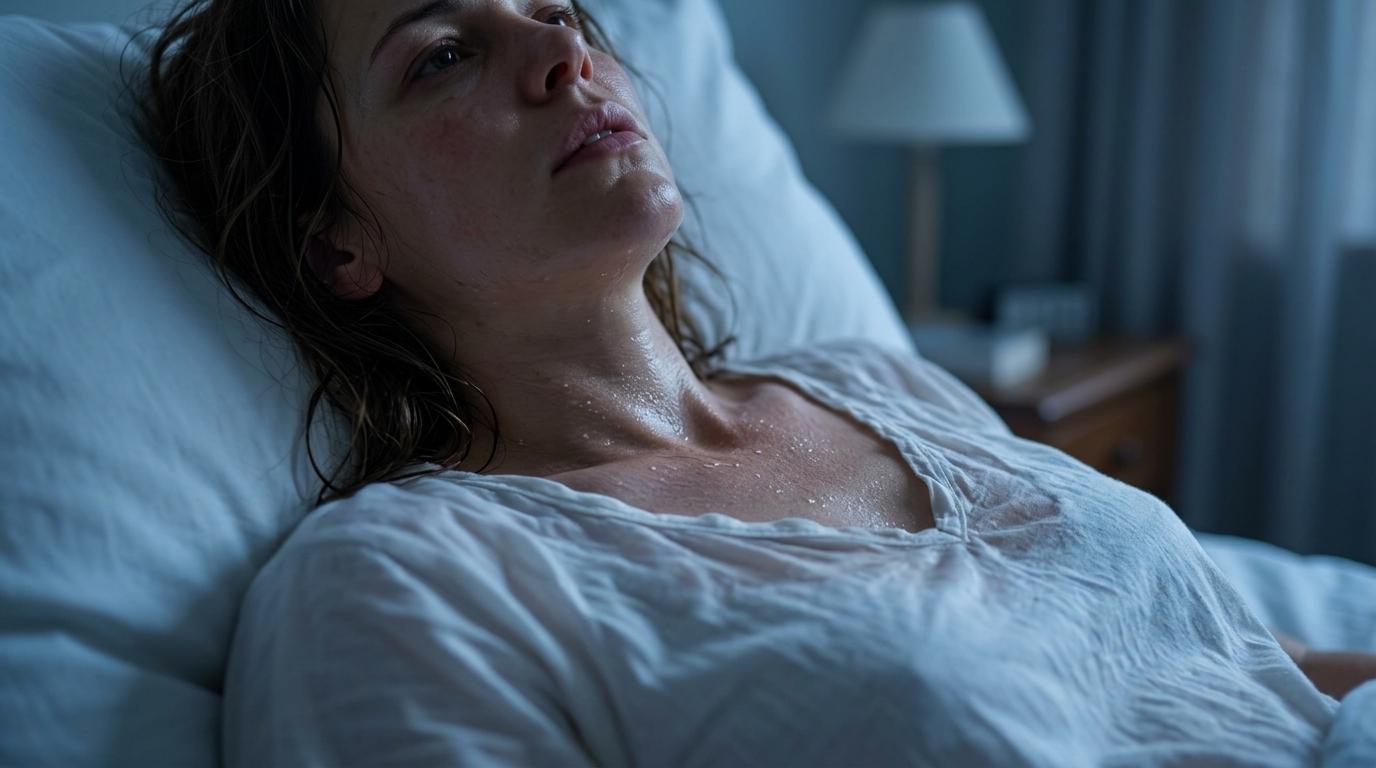
That is why many people on fulvestrant (Faslodex) describe a familiar pattern. They fall asleep fine, then wake up too warm, sweaty around the chest or neck, or need to throw off the covers. Some have a brief wave of heat. Others get drenching sweats that force a full pajama change. While these symptoms can be disconcerting, understanding them often leads to effective night sweats relief through simple lifestyle adjustments. These Faslodex sensations and associated side effects can vary widely between individuals.
If you are also on ovarian suppression, another endocrine therapy, or medicines that affect body temperature, the symptoms can stack up. Other drugs, such as antidepressants, steroids, some pain medicines, and blood sugar medications, can all add their own piece to the puzzle. Your oncology team may also review whether nausea, vomiting, or even an allergic reaction to any of your medications might be contributing additional side effects.
Most people do not describe Faslodex night sweats as a constant all-night heat. It is more often a burst, a wave, or several episodes that break up sleep. You may notice your heartbeat feels stronger, your face flushes, or your bedding traps heat that your body cannot dump fast enough. Even though these side effects can be annoying, many people appreciate the fulvestrant benefits in controlling breast cancer, despite occasional night sweats.
That trapped heat matters more than many people think. Sheets, comforters, and mattresses can hold onto warmth, especially when your body is already primed to overheat. Even a room that seems cool enough can feel stuffy once the bedding closes in around you. Night sweats relief often begins with addressing this trapped heat.
A lot of night sweating during fulvestrant is tied to treatment, but this is not something to brush off automatically. People in active breast cancer care can also sweat at night from infection, fever, reflux, thyroid issues, low blood sugar, anxiety, sleep apnea, or the cancer itself. If the sweating is new, severe, or different from your usual hot flash pattern, tell your oncology team. Reporting other side effects such as nausea, vomiting, or significant fatigue is also important. Additionally, if you notice any new or worsening Faslodex side effects, it is important to contact your healthcare provider immediately.

This matters even more if you have other symptoms along with the sweating. A treatment side effect can look a lot like something else at first, and your team would rather hear about it early than have you wait it out at home.
Here are the signs that deserve a call sooner rather than later:
If the sweating is leaving you dehydrated, dizzy, or exhausted the next day, that matters too. Night sweats are not only about comfort. Broken sleep can affect pain, mood, focus, appetite, and your ability to get through treatment and experience the full fulvestrant benefits.
A simple log, just the time, how bad it was, what you wore, the room temperature, and whether you had a hot flash during the day, can make the pattern easier to see. This record will also help your team assess all the side effects you experience, from allergic reaction concerns to fatigue. Keeping track of Faslodex-related side effects in a detailed diary can also guide your treatment adjustments.
Start with the room itself. Sleep experts recommend keeping the bedroom around 60°F to 67°F when possible. That range will not fix every treatment-related sweat, but it gives your body a better shot at cooling off between episodes and can contribute significantly to night sweats relief.
Your bedding setup matters just as much. If the top sheet and comforter trap warm air close to your skin, you can feel overheated even in a cool room. Tight weave sheets tend to work better with airflow across the bed, especially if you use a bed fan, because the air can move along your body and carry away heat instead of being trapped. These suggestions not only help with night sweats relief, but also make it easier to manage other treatment-related side effects associated with Faslodex, such as nausea and fatigue.
Small changes often help more than people expect.
If you share a bed, talk about your setup instead of suffering through it. A partner who sleeps cool may prefer more covers while you need active airflow. That mismatch is common and it is one reason bed level cooling has become popular with hot sleepers undergoing hormonal therapy for breast cancer.
If your room is already fairly cool and you still wake up sweating, moving air under the covers can help more than lowering the thermostat another few degrees. That is where a bed fan can make sense for night sweats relief.
The key thing to know is simple. Neither a bed fan nor a Bedjet cools the air. They do not make cold air. They use the cool air already in the room and push it into the bed so trapped body heat can escape. This approach helps manage the side effects of Faslodex while still allowing you to benefit from the fulvestrant treatment for breast cancer. It also helps if you are concerned about other side effects like nausea or fatigue, since a more comfortable sleep can contribute positively to your overall well-being.
A lot of people with treatment-related hot flashes appreciate the bFan Bed Fan because it targets the actual problem area, the hot air trapped under the sheets. Sleep experts recommend a room temperature between 60°F and 67°F, and with a bed fan people can often sleep comfortably with a slightly warmer room since the airflow under the covers helps carry heat away from the body. This can be especially helpful if you do not want the whole house freezing at night.
There are a few practical details worth knowing before you buy anything. The original bed fan came to market several years before Bedjet was even thought of. One Bedjet is more than twice the price of a single bed fan. If you want a dual zone setup for couples, the dual zone Bedjet is over a thousand dollars and more than twice the price of two bed fans. With the bFan approach, dual-zone microclimate control comes from using two fans, one on each side, so each sleeper can set their own airflow.
The bFan also keeps the basics simple. It uses only 18 watts on average, runs around 28db to 32db at normal operating speed, and includes timer controls, which many people use to start cooling during the first part of the night. If noise and energy use are on your mind, those numbers are part of why bed fans are popular among light sleepers dealing with Faslodex side effects.
Placement makes a difference. A bed fan works best when the air can travel under the top sheet and over your body rather than blasting loosely into the room. That is why sheet choice matters. Tight weave sheets help the airflow move where you want it to go.
You also do not need hurricane-level air. Many hot sleepers do better with steady low to medium airflow that keeps heat from building up in the first place. If you wait until you are already sweating hard, you may need more airflow to recover and get comfortable again.
For couples, separate control can be the whole game. If your partner is cool while you are experiencing Faslodex-related heat surges, a one-size-fits-all room temperature can turn into a nightly argument. Two bed fans, one on each side, can be a practical fix without pushing the whole room colder.
Bring it up at your next visit, even if it feels like a small complaint. Your team may suggest changes that fit your medical history, whether that means reviewing other medicines, checking for another cause, or talking through options for hot flash relief. They might also evaluate whether the fulvestrant benefits are outweighing the unwanted side effects such as nausea, vomiting, or fatigue. In some cases, your doctor might modify the Faslodex dosage or offer additional treatments to help ease these side effects.
A short list on your phone can make appointments easier, especially when sleep deprivation has your brain feeling foggy. You are not trying to be perfect here; you just want enough detail that your team can spot patterns and rule out anything serious.
Remember, not every symptom is directly related to Faslodex, but being aware of potential Faslodex side effects helps you differentiate typical reactions from more concerning issues. When your sleep is getting interrupted night after night, comfort is not a minor thing. It is part of getting through treatment with a little more strength, a little more patience, and a lot less misery between midnight and morning.