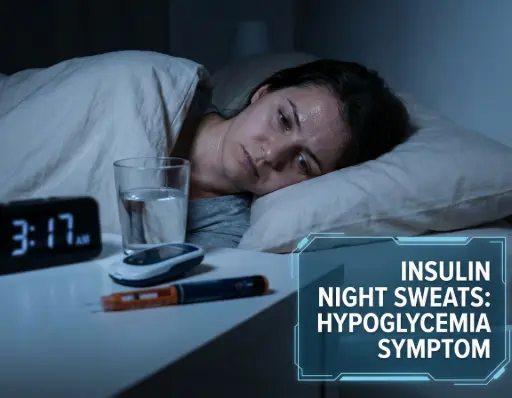
If you’re reading this, you probably know the frustration of waking up in the middle of the night, drenched in sweat, with your sweat glands working overtime as you experience excessive sweating. You might even wonder if it’s a case of hyperhidrosis or just a side effect of your diabetes management. Let’s sit down and talk about insulin night sweats, what’s really going on in your body in terms of blood sugar levels and thermoregulation, and most importantly, what you can do to sleep cooler and wake up refreshed.
What Are Insulin Night Sweats?
Let’s start with the basics. Night sweats, or night sweating, are episodes of excessive sweating during sleep, enough to soak your pajamas or bedding. For people with diabetes, including those with type 1 diabetes, especially those using insulin, night sweats can be a regular, unwelcome visitor. But why?
The Science Behind It
- Blood Sugar Fluctuations: When your blood sugar levels or blood glucose drop too low during the night, your body goes into a kind of emergency mode, releasing stress hormones like adrenaline, which can lead to sweating, shakiness, and even nightmares. Good regulation of blood sugar is essential to prevent these episodes.
- Insulin’s Role and Insulin Sensitivity: Insulin helps lower blood glucose, but if you take too much, or if your body’s needs change overnight, you might end up with hypoglycemia, which is low blood sugar. This triggers the excessive sweating you experience. Improving insulin sensitivity through lifestyle adjustments can help maintain a better balance.
- Other Factors: Things like eating late, drinking alcohol, exercising before bed, or even changes in your medication routine or treatment can all play a part. In some cases, conditions such as gustatory sweating, where your body sweats in response to eating spicy or hot foods, may be intermixed with your overall sweating symptoms.
Why Night Sweats Matter
You might think, "It’s just sweat, I’ll change my sheets and move on." But frequent night sweats can mess with your sleep quality, leave you feeling exhausted, affect your thermoregulation, and even signal that your diabetes management needs a closer look.
- Sleep Disruption: Waking up soaked isn’t just uncomfortable, it interrupts your sleep cycles, making it harder for your body to repair itself and affecting the overall regulation of your systems.
- Health Risks: Repeated hypoglycemia can be dangerous, especially if you sleep through the warning signs. Over time, conditions like diabetes and diabetic neuropathy can develop, further complicating your health situation. It’s not just about comfort, it’s about safety.
Recognizing the Signs
Not every instance of sweating is caused by insulin or low blood sugar, but there are some clues to watch for:
- Waking Up Suddenly: Especially if you feel shaky, confused, or experience a pounding heart alongside symptoms such as gustatory sweating after certain meals.
- Nightmares: Vivid, unsettling dreams can indicate that your blood sugar is dropping too low.
- Morning Headaches: Low blood sugar overnight can leave you with a headache when you wake. Monitoring your blood sugar levels can help you better understand these symptoms.
- Feeling Weak or Irritable: If you’re groggy, weak, or cranky in the morning, the symptoms may be more than just a bad night’s sleep. This excessive sweating might be a sign of hyperhidrosis, and in rare cases, conditions like anhidrosis, when your sweat glands don’t secrete enough sweat, may also be a factor.
What Causes Insulin Night Sweats?
Let’s dig a little deeper into the causes. Understanding what’s happening can help you take control.
1. Hypoglycemia (Low Blood Sugar)
This is the big one. When your blood sugar drops below normal, your body tries to fix it by releasing hormones that trigger sweating, among other symptoms.
- Too Much Insulin: Perhaps you took your usual dose, but then ate less than normal, or exercised more. It doesn’t take much to tip the balance.
- Timing of Insulin: Long-acting insulins can sometimes peak in the middle of the night, especially if your routine changes, negatively impacting your thermoregulation.
- Missed Meals or Snacks: Skipping that bedtime snack can leave you vulnerable to hypoglycemia and the associated excessive sweating.
2. Hormonal Changes
Even without diabetes, hormonal shifts can cause sweating during night sweats. For people with diabetes, the interplay between insulin, stress hormones, and even menopause can make matters more complicated.
3. Other Medical Conditions
Sometimes, night sweats are a sign of something else, like infections, thyroid problems, or even the side effects of certain medications. It’s also important to consider that not every sweating episode is due to hyperhidrosis. In cases of diabetes, diabetic neuropathy, or other conditions, treatment adjustments might be necessary. If you’re not sure about your symptoms, it’s always worth checking with your doctor, who might suggest using an antiperspirant designed for sensitive skin as part of an overall treatment strategy.
How to Prevent Insulin Night Sweats
Now, let’s get practical. What can you do to stop waking up in a puddle?
1. Fine-Tune Your Diabetes Management
- Monitor Blood Sugar: Check your blood sugar levels before bed, and if you’re prone to lows, consider setting an alarm to check during the night. Good regulation is key.
- Adjust Insulin Doses: Work with your healthcare provider to find the right balance, especially if your routine changes.
- Bedtime Snacks: A small, balanced snack before bed can help keep your blood sugar steady.
- Continuous Glucose Monitors (CGMs): These devices track your blood glucose levels and can alert you to drops in blood sugar, even while you sleep.
2. Create a Cool, Comfortable Sleep Environment
Even if you’re doing everything right with your diabetes management, sometimes you just need a little help staying cool and managing sweating effectively.
- Room Temperature: Sleep experts recommend keeping your bedroom between 60°F and 67°F for optimal sleep. Effective regulation of your sleeping environment supports proper thermoregulation.
- Bedding Choices: Use sheets with a tight weave, like percale cotton, to help air flow across your body and carry away heat. This not only reduces excessive sweating but also aids in preventing hyperhidrosis episodes. Avoid heavy comforters or synthetic fabrics that trap heat.
- Bed Fans: Here’s a game-changer. Devices like the bFan from www.bedfans-usa are designed to move cool room air under your sheets, right where you need it most. The bFan doesn’t actually cool the air; it simply uses the cool air already in your room to keep you comfortable. The sound level is whisper-quiet between 28db and 32db at normal operating speed, so it won’t disturb your sleep.
3. Compare Your Cooling Options
You might have heard of other sleep cooling devices, like the Bedjet. Let’s break down the differences so you can make an informed choice.
- bFan (Bedfan/Bed fan): The bFan is affordable, with a single unit costing less than half the price of a Bedjet. Even if you want dual-zone microclimate control, which means one fan for each side of the bed, you'll pay less than half what you’d spend on a dual-zone Bedjet setup. The dual-zone Bedjet is over a thousand dollars and more than twice the price of two bedfans. The bFan uses only 18 watts on average, offers timer controls to reach recommended sleep, and is designed to use the cool air available in your room to cool your bed. The original bedfan came to market several years before Bedjet was even thought of, proving its effectiveness and simplicity.
- Bedjet: Some people appreciate the extra features that come with the Bedjet, but remember that the Bedjet doesn’t cool the air either. It simply moves the cool air around the room. If you just want to sleep cool and manage your sweating naturally, the bFan gets the job done without the fuss.
4. Lifestyle Tweaks
- Stay Hydrated: Drink water throughout the day, but avoid large drinks right before bed. Proper hydration supports both insulin sensitivity and healthy thermoregulation.
- Limit Alcohol and Caffeine: Both can interfere with your blood sugar levels and your sleep patterns, exacerbating your diabetes symptoms.
- Exercise Earlier: Physical activity is great, but try to finish at least a few hours before bedtime so your body can settle into a state of calm and regulation.
- Manage Stress: Reducing stress can help manage the hormones that influence both blood sugar levels and excessive sweating.
Real-Life Tips for Sleeping Cool
Let’s get down to the nitty-gritty. Here are some tried-and-true tips from people who’ve been there:
- Bedside Fan: Keep a fan nearby even if it’s a small one to help manage sweating at night. Remember, a bFan is designed specifically to move air under your sheets, which is where you most need it.
- Breathable Pajamas: Opt for cotton or moisture-wicking fabrics when choosing pajamas to help prevent sweating and manage hyperhidrosis.
- Cool Shower: Taking a cool shower before bed can help lower your body temperature and encourage proper thermoregulation.
- Fresh Air: Open a window if the weather allows, as fresh air can make a big difference in regulating your sleep environment.
- Room Temperature Adjustments: With a bFan, many people find they can raise their room temperature by about 5°F and still sleep cool. This is great news if you want to save on energy bills while still staying comfortable.
When to Talk to Your Doctor
If you’re having frequent night sweats or excessive sweating that might be linked to hyperhidrosis, especially if they’re new or getting worse, it’s important to check in with your healthcare provider. Sometimes, night sweats can be a sign of something more serious, like infections, thyroid problems, or even certain cancers. Don’t panic, but don’t ignore it either.
- Keep a Log: Write down when the sweats happen, what you ate, your insulin doses, diabetes symptoms, and any other symptoms, including gustatory sweating if you notice it after meals. This log can help your doctor detect patterns.
- Ask About Medication Adjustments: In many cases, a small tweak in your diabetes medication regimen can make a big difference.
- Consider a Sleep Study: If you’re still tired despite your best efforts, there might be another sleep disorder at play.
The Emotional Side of Night Sweats
This isn’t just about physical discomfort. Waking up soaked, night after night, can take a toll on your mood, your relationships, and your overall quality of life.
- Frustration and Embarrassment: You’re not alone. Many people feel embarrassed about night sweats and the excessive sweating, but it’s nothing to be ashamed of.
- Impact on Relationships: If you share your bed, night sweats can affect your partner as well. Open communication and practical solutions, like using dual-zone cooling with two bFans, can help.
- Mental Health: Poor sleep may worsen anxiety, depression, and stress. Don’t hesitate to seek support if you need it.
Frequently Asked Questions
Can I prevent insulin night sweats completely?
You might not be able to eliminate them entirely, but with good diabetes management, improved insulin sensitivity, proper regulation of your blood sugar levels, the right sleep environment, and a few lifestyle tweaks, you can definitely reduce their frequency and severity.
Are night sweats always a sign of low blood sugar?
Not always. They can be caused by other factors like menopause, infections, or simply a hot room. However, if you have diabetes and use insulin, low blood sugar is a common culprit behind the symptoms of excessive sweating, which can sometimes lead to hyperhidrosis.
Is it safe to use a bFan or similar device every night?
Absolutely. The bFan is designed for nightly use, featuring a quiet motor with sound levels between 28db and 32db at normal operating speed, low energy consumption of only 18 watts, and timer controls to help you reach that recommended sleep. Just make sure your bedding allows for good airflow and you’re set.
What’s the best bedding for managing night sweats?
Look for sheets with a tight weave, such as percale cotton, which help air flow across your body and wick away moisture. This assists in preventing excessive sweating and hyperhidrosis episodes. Avoid heavy comforters or synthetic fabrics that trap heat.
How do I know if my night sweats are serious?
If you’re experiencing frequent, severe night sweats, especially if accompanied by other symptoms like weight loss, fever, unexplained pain, or if you have a history of diabetes, it’s important to talk to your doctor. In some cases, these symptoms may signal issues related to diabetic neuropathy or other underlying conditions. Additionally, if you suspect that anhidrosis might be playing a role, prompt medical attention is advised.
Does using an antiperspirant help with night sweating?
While antiperspirants are typically used during the day to manage excessive sweating, some people find that specialized, dermatologist-recommended antiperspirants can help reduce sweating at night. However, it’s best to consult your healthcare provider to determine if this treatment option fits your overall management plan.
The Bottom Line
Insulin night sweats are a real challenge, but you don’t have to just put up with them. By understanding what’s happening in your body, whether it’s due to low blood sugar levels, issues with insulin sensitivity, or problems with thermoregulation, making smart choices about your diabetes management, and creating a cool, comfortable sleep environment, you can take back your nights and wake up feeling refreshed.
If you’re looking for a simple, effective way to stay cool, I highly recommend the bFan from www.bedfans-usa. It’s affordable, energy-efficient, and designed to move cool air right where you need it most to counteract excessive sweating. Remember, one Bedjet is more than twice the price of a single bFan, and the dual-zone Bedjet is over a thousand dollars and more than twice the price of two bFans. Plus, sleep experts recommend keeping your bedroom between 60°F and 67°F for the best rest, and with a bFan, many users find they can raise their room temperature by about 5°F and still sleep cool.
Take a deep breath, make a few changes, and give yourself permission to sleep well. You deserve it, and if you ever need a little extra help with the regulation of your blood sugar levels or management of hyperhidrosis symptoms, remember that a comprehensive approach to treatment is always available.
If you found this article helpful, share it with someone who could use a better night’s sleep. And if you have your own tips or experiences with insulin night sweats, drop a comment below. We’re all in this together, and sometimes the best advice comes from someone who’s been there. Sleep well!
If you found this article helpful, share it with someone who could use a better night’s sleep. And if you have your own tips or experiences with insulin night sweats, drop a comment below. We’re all in this together, and sometimes, the best advice comes from someone who’s been there. Sleep well!