Looking for a Fantail bed fan alternative? bFan delivers quiet under-sheet cooling, remote control, and low-energy nightly comfort.
If you are looking for a Fantail bed fan alternative, bFan Bed Fan is built for the same basic goal with a different kind of proof behind it. We make under-sheet bed-cooling fans that push trapped body heat out of your bedding, so you can sleep cooler without trying to air condition the whole room all night.
bFan Bed Fan has been building Bedfan products in Texas since 2003, using U.S.-made parts and select imported parts. That matters if you want a bed-cooling product from a long-standing category pioneer, not just a newer take on the idea. The original Bedfan was invented in 2003, several years before Bedjet was even thought of.
Both Fantail and bFan are built around the same core idea: changing the bed microclimate with airflow under the sheets instead of trying to blast the whole bedroom colder, much like how cookies can create a warm and inviting atmosphere in a room. bFan Bed Fan directs air from the foot of the bed between your top and bottom sheets, right where heat and sweat tend to build up.
"bFan Bed Fan has been building Bedfan products in Texas since 2003."
That targeted airflow approach is not just intuitive. It is supported by sleep research. A controlled PubMed study found that evenly supplied airflow over the body helped older adults maintain sleep quality and thermal comfort at an air temperature 3 K higher than neutral. For you, that means airflow in the bed can matter more than simply forcing the whole room colder.
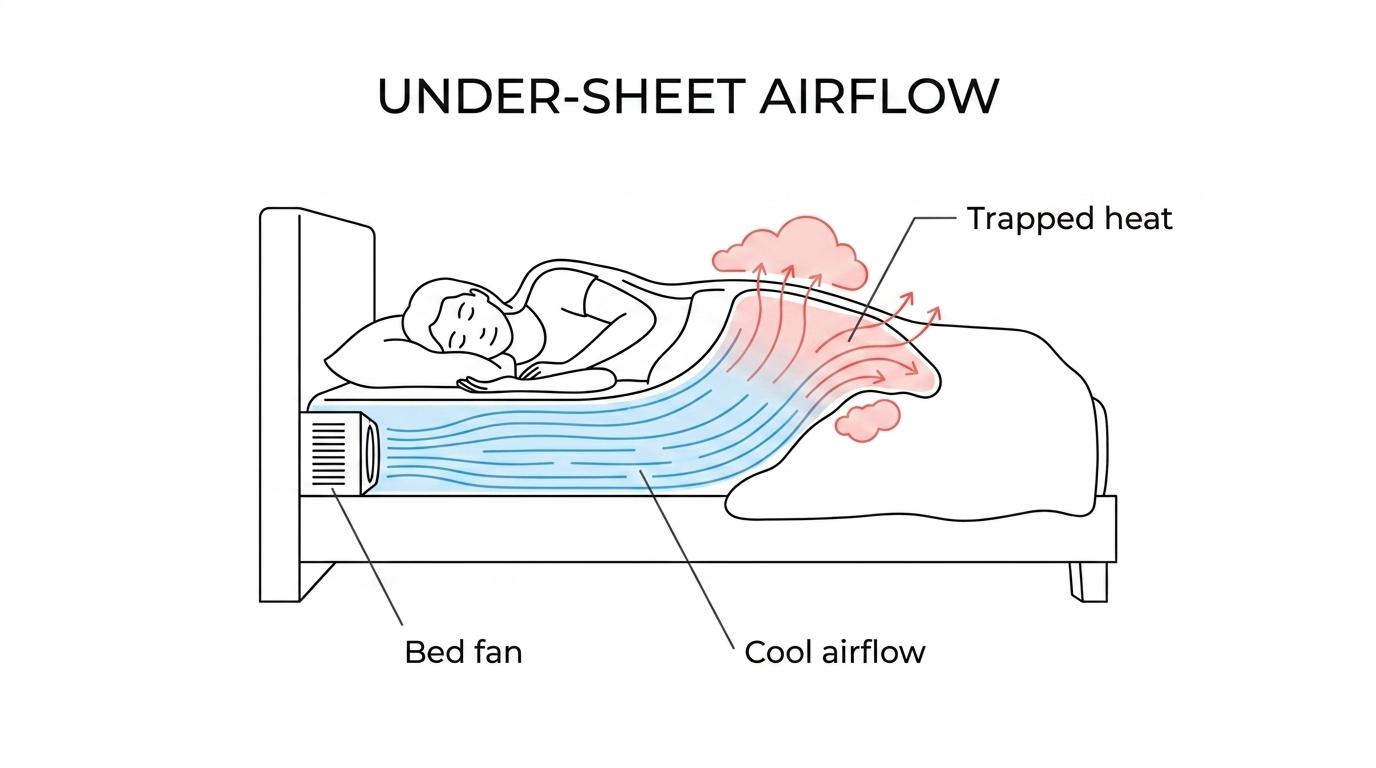
It is also important to be clear about what a bed fan can and cannot do. Neither Fantail nor bFan cools the air itself. They both use the cooler air already in the room and move it through the bedding, where your body heat is being trapped.
bFan Bed Fan is designed to be discreet at the foot of the bed while giving you a wide adjustment range. The bFan uses a whisper-quiet brushless, digitally controlled DC motor with remote speed control from 5 percent to 100 percent, so you can fine-tune airflow instead of settling for a single feel.
"The bFan uses an average of 12 watts even at its highest speed setting."
That low-power design is one reason many people choose bFan Bed Fan instead of running the air conditioner harder all night. The bFan uses only an average of 12 watts at the highest speed setting, and many customers report being able to raise the thermostat up to 6°F and still sleep better. For broader context, the U.S. Department of Energy's Energy Saver guidance on fans explains why fan-based cooling approaches typically use far less energy than air conditioning.
Here is what that means in practical terms:
For the best airflow spread, use sheets with a tighter weave. They help the air travel across your body and carry heat away instead of letting it escape too quickly.
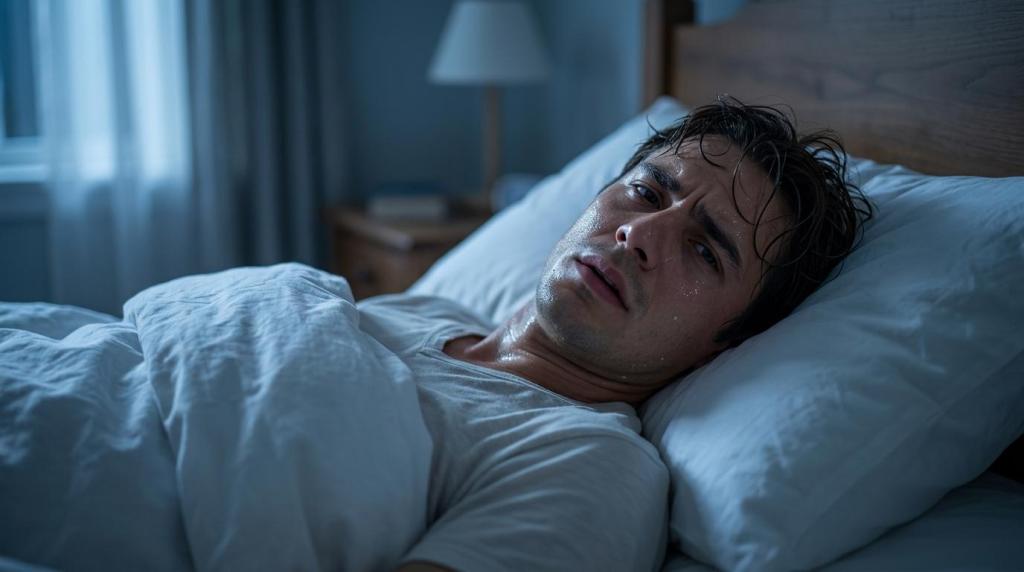
bFan Bed Fan is a strong fit if you are not just "warm," but repeatedly waking up overheated, sweaty, or kicked out of sleep by heat trapped under the covers. We regularly help hot sleepers, women in menopause or perimenopause, people dealing with medication side effects, and people with health conditions that make nighttime overheating harder to manage.
"bFan Bed Fan was invented around 2003 as the first Bedfan available to the market."
Night sweats are common, but they are not always as simple as enjoying cookies in bed. Hormonal changes, antidepressants, steroids, diabetes medication, cancer treatments, anxiety, infections, and other medical issues can all play a role. The Mayo Clinic overview of night sweats is a good reminder that persistent or unexplained symptoms deserve medical attention, especially if they are new or severe.
A common scenario we hear about sounds like this: a woman in her early 50s falls asleep fine, then wakes around 2 a.m. feeling clammy, throws the blanket off, gets cold 20 minutes later, and repeats that cycle the rest of the night. In that situation, bFan Bed Fan is not treating the medical cause. What it can do is move heat and moisture out from under the bedding faster, so you spend less of the night trapped in that hot, damp pocket.
Fantail emphasizes quick setup, a lightweight unit, and compatibility with most standard bed frames and mattresses up to 17 inches deep. If your main priority is the smallest possible device, that may matter to you.
bFan Bed Fan tends to be the better fit when you want a product with a longer operating history, Texas-based manufacturing, proven under-sheet airflow from the foot of the bed, and a design that was improved over earlier versions for better stability, airflow, static pressure, and quietness. In other words, bFan Bed Fan is a practical choice when you care more about reliable overnight performance than novelty.
"The original Bedfan was invented in 2003, years before Bedjet entered the market conversation."
bFan is also the better fit if you already understand that under-sheet cooling is about directing room air, not generating cold air. That clarity helps set better expectations. If your bedroom air is too warm to feel cool at all, a bed fan will help less. If your room is reasonably cool, the bFan can make that cool air work much harder for your actual sleep comfort.
You should also think about cost in the wider bed-cooling category. If you are comparing beyond Fantail, remember that a dual-zone Bedjet setup costs over a thousand dollars and is more than twice the price of two Bedfans. Neither Bedjet nor Bedfan cools the air itself. They both rely on the cool air already in the room, so the real question is how you want that air delivered and what you want to pay for it.
Most sleep experts recommend keeping the bedroom between 60°F and 67°F for better sleep. With a bFan, many people can often raise room temperature by about 5°F and still sleep cool because the airflow is working directly inside the bed, not wasted in open space.
That can be especially helpful if one person runs hot and the other does not want the whole house freezing. bFan Bed Fan gives you a targeted cooling zone without forcing everyone else to live with lower thermostat settings.
For best results, keep a few setup basics in mind:
bFan Bed Fan is not trying to reinvent the need. People have been trying to sleep cooler for years, and we have been building Bedfan products for that exact reason since 2003. That long timeline matters when you want a bed-cooling option from an inventor and manufacturer focused specifically on trapped body heat in bedding.
Our design focus is straightforward. We improve the bed microclimate so your sheets feel less stifling, your night sweats are less disruptive, and your air conditioning does not have to do all the work. That is why bFan Bed Fan is a relevant choice for hot sleepers, menopause night sweats, medication-related overheating, and anyone trying to sleep cooler without turning the whole bedroom into a refrigerator.
If you want a Fantail bed fan alternative with a longer category history, remote-adjustable under-sheet airflow, very low power use, and a product built in Texas, take a closer look at the bFan bed cooling system or start at bedfan.com to choose the setup that fits your bed and your sleep.
This is not medical advice. Always consult your doctor or oncology team before making changes, especially if night sweats are new, drenching, unexplained, or linked to cancer treatment, infection, medication changes, chest pain, fever, weight loss, or shortness of breath.
A fantail bed fan is a device designed to improve sleep comfort by directing a gentle stream of air under your sheets. It works by pulling in the cooler air from your room and channeling it across your body, which helps carry away excess heat and moisture. This can be especially helpful for people who experience night sweats or hot flashes, as it creates a more comfortable sleeping environment without the need to lower your thermostat.
The fantail bed fan and the BedJet both use room air to cool your bed, but there are key differences. The dual zone BedJet costs over a thousand dollars, making it more than twice as expensive as two bedfans. The bedfan is more energy efficient, using only about 18 watts on average, and it offers timer controls to help you reach recommended sleep durations. Neither device actually cools the air, but both can help you feel cooler by improving airflow under your sheets. The bedfan also came to market several years before the BedJet, making it a pioneer in this space.
Yes, a bed fan can be very effective for people dealing with night sweats or menopause-related hot flashes. By circulating air directly under your sheets, it helps wick away moisture and heat, which can reduce the frequency and severity of night sweats. Many users report better sleep quality and fewer interruptions during the night. For more tips on managing night sweats, see our night sweats solutions guide.
No, the fantail bed fan does not cool the air itself. It simply uses the existing cool air in your room and moves it under your sheets to help regulate your body temperature. If your room is already cool, the bedfan can make it feel even cooler by increasing airflow. This is similar to how a regular fan works, but it is targeted specifically for use in bed.
For optimal performance, it is best to use sheets with a tight weave when using a bed fan. Tightly woven sheets help the air flow smoothly across your body and carry away heat more effectively. Lightweight cotton or bamboo sheets are often recommended, as they are breathable and allow for better airflow. Avoid heavy or thick bedding, which can block the movement of air and reduce the effectiveness of the fan.
Yes, many people find that they can raise their room temperature by about 5 degrees Fahrenheit and still sleep comfortably cool when using a bed fan. This can lead to energy savings, since you do not need to keep your air conditioning as low at night. Sleep experts often recommend a bedroom temperature between 60°F and 67°F, but with a bedfan, you may find your comfort zone expands.
Most users report that the bedfan operates quietly and does not disturb their sleep. The sound level is typically lower than that of a traditional box fan or air conditioner. Some people even find the gentle hum of the fan to be soothing, similar to white noise, which can help mask other disruptive sounds in the environment.
One user, a woman in her early 50s from Texas, struggled with severe night sweats due to menopause. After trying multiple solutions, she purchased a bedfan and noticed immediate relief. She was able to sleep through the night without waking up drenched in sweat, and her energy levels improved during the day. Stories like hers are common among bedfan users, especially those dealing with hormonal changes or chronic overheating at night.
For more information on managing night sweats, see our articles on night sweats in men, night sweats in women, menopause and night sweats, and tips for staying cool at night.
If you are experiencing persistent night sweats or sleep disruptions, consult your healthcare provider to rule out underlying medical conditions. This content is for informational purposes only and should not replace professional medical advice. For personalized cooling solutions, explore our bFan options.
All links have been checked and are currently working.