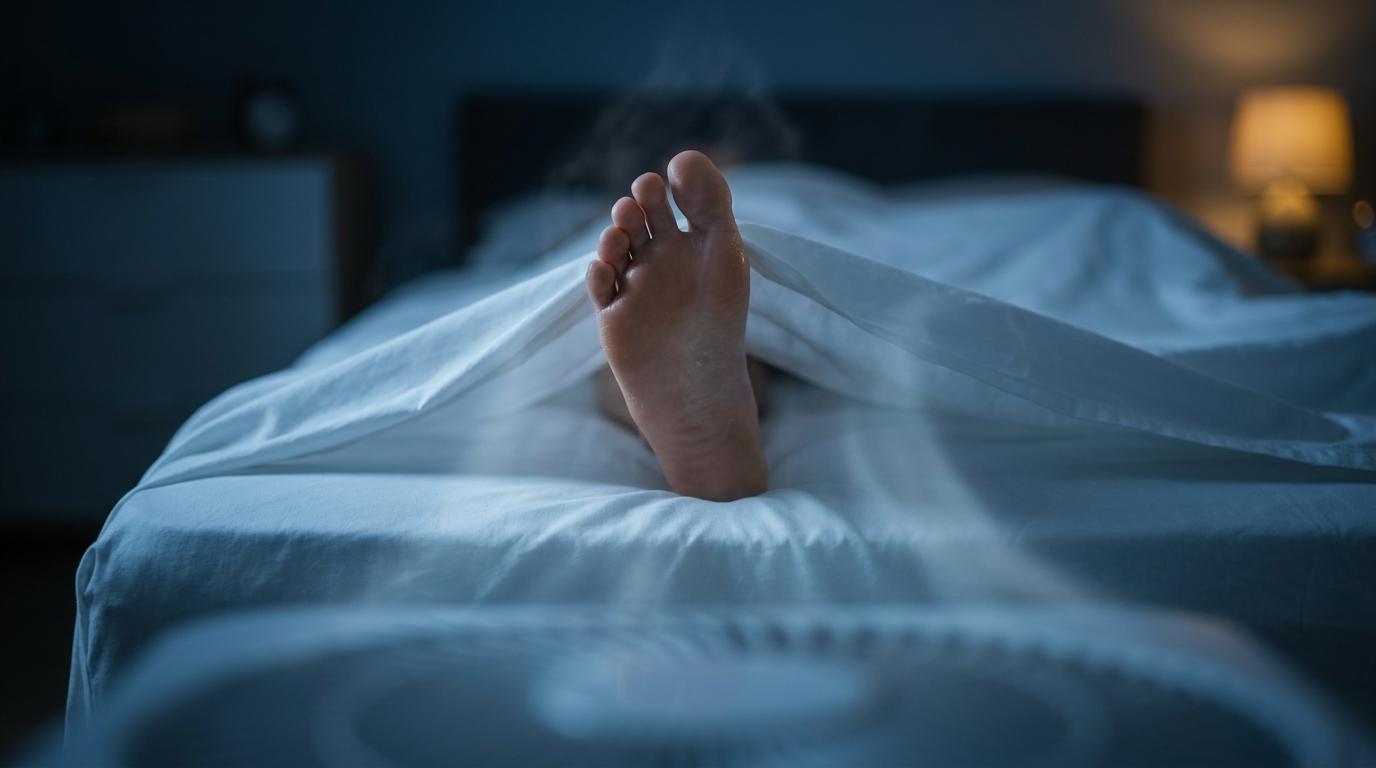
Exemestane (Aromasin) night sweats can disrupt sleep. Learn why they happen, what helps, and when to call your oncology team.
Exemestane, sold as Aromasin, is a tablet used as part of hormonal therapy to treat breast cancer. While it can be a very effective treatment, its drug side effects, including night sweats, hot flashes, joint pain, fatigue, and mood changes, can wreck sleep, energy, and even treatment adherence. The core issue is simple, your medication may be lowering estrogen enough, one of your key hormones, to make your body’s thermostat oversensitive at night. This not only contributes to vasomotor symptoms but can also add to other side effects such as headaches, diarrhoea, constipation, and skin changes. Long-term estrogen depletion raises concerns about osteoporosis. That leaves many people stuck between wanting relief and not wanting to interrupt a therapy that matters. The good news is that there are practical ways to reduce sweating, cool the bed, and figure out when symptoms deserve a call to your oncology team.
Exemestane (Aromasin) night sweats can be directly triggered by lowering estrogen, and the hypothalamus responds by narrowing your body’s temperature comfort zone. As an aromatase inhibitor, exemestane cuts the production of estrogen, a crucial hormone, in postmenopausal women with hormone receptor–positive breast cancer. Lower estrogen helps reduce the stimulation of estrogen-sensitive cancer cells, but it can also trigger common drug side effects such as hot flashes, joint pain, fatigue, mood changes, and even headaches. Reduced estrogen levels can lead to gastrointestinal issues like diarrhoea or constipation, and skin changes may occur. A further risk of prolonged low estrogen is osteoporosis.
It happens because estrogen helps regulate temperature signaling in the brain. When estrogen drops, even a small rise in body temperature can feel exaggerated. Your body reacts by dilating blood vessels and activating sweat glands quickly, often at night, and often enough to wake you up.
A common misconception is that sweating means the medicine is too strong or that the cancer is worsening. Usually, it means your thermoregulation has become more reactive because of changes in your hormonal balance. The symptom is real and can be intense, but it does not automatically signal treatment failure or disease progression.
If you already had menopause symptoms, take an SSRI like sertraline, have thyroid disease, or sleep in a warm room, the odds of worse night sweats increase because these factors add to the estrogen shift.
A simple symptom log usually answers this. While Aromasin, prednisone, and low blood sugar can all cause nighttime sweating, the timing pattern often gives the clue.
Start with timing. If the sweats began within days to weeks of starting exemestane or they got noticeably worse after a medication change, that is useful evidence. Many people do not notice the pattern until they write it down.
Step 1 is to track the basics for 10 to 14 nights. Note when you took exemestane, when sweating woke you, what the bedroom temperature was, whether you drank alcohol, and what bedding you used. If you wake soaked at 2 a.m. most nights after taking Aromasin at dinner, that pattern is worth bringing to your doctor along with any other side effects like severe hot flashes or persistent mood changes.
Step 2 is to review other triggers. Antidepressants, steroids, thyroid medication, pain medicines, alcohol, spicy food, infection, and anxiety can all contribute. If you are diabetic, nighttime hypoglycemia can mimic a medication side effect. Also, note if you experience other symptoms like joint pain or fatigue that might be connected to the overall drug side effects profile.
Step 3 is to look for red flags that do not fit a routine vasomotor pattern. Fever, cough, chest pain, major weight loss, or daytime sweats need a different workup. A pro tip is to take a quick photo of sweat-soaked sleepwear or sheets if the episodes are severe. It gives your clinician a more concrete sense of the burden rather than simply saying, “it is pretty bad.”
The best options combine targeted cooling, bedroom changes, and a medical review. A bed fan, a cooler room, and a medication check often work better together than any single fix.
Most people get the best relief by treating the bed microclimate, not just the room. Night sweats happen under blankets and sheets, where heat gets trapped around your skin. That is why simply lowering the room temperature does not always solve it.
Cooling the bed works faster than overcooling the house. A 65°F room, tight-weave sheets, and directed airflow usually beat blasting the thermostat alone.

Step 1 is to set the room first. Start inside the sleep medicine range of 60°F to 67°F. If your room is humid, use a dehumidifier or your HVAC’s dry setting because sweat evaporates less efficiently in damp air.
Step 2 is to fix the bedding path. Use breathable pajamas or sleep in light layers. Then focus on the sheet system. A fitted sheet plus a tighter weave top sheet helps directed airflow move across your skin. This is a pro tip that many people miss. Looser, airy fabrics sound cooler, but with a bed fan they can let airflow escape before it reaches the parts of your body that feel hottest. This is important if you are already battling side effects like fatigue or mood changes.
Step 3 is targeted airflow. Place a bed fan at the foot of the bed so that air moves between the sheets. A common misconception is that bed cooling devices make cold air, as neither the Bedfan nor the BedJet cool the air. They simply use the cool air already in the room. If the room is warm, the effect drops, but if the room is reasonably cool, the airflow can be a major help.
If you share a bed and only one person runs hot, two fans can create dual-zone microclimate control, which often is a simpler fix than freezing the whole room for both sleepers.
Some night sweats need a clinician’s review. Fever, unplanned weight loss, and persistent cough point towards causes that are not typical Aromasin side effects.
Most Aromasin-related night sweats are uncomfortable but not dangerous. They tend to come in episodes, often with flushing, then settle. What matters is the pattern and the company the symptom keeps. If you experience additional issues, such as severe headaches, persistent diarrhoea or constipation, or notable skin changes, bring them up with your doctor.
Call your oncology team sooner if the sweats are new and drenching, if you also have fever, chills, chest pain, trouble breathing, swollen lymph nodes, or unintentional weight loss. Those symptoms can point toward infection, thyroid issues, low blood sugar, sleep apnea, or another condition unrelated to the drug itself.
If your sheets are soaked every night and you are losing sleep for weeks, that deserves attention even without red flags. Sleep loss affects mood, pain tolerance, concentration, and overall quality of life. In practice, clinicians want to know when side effects are becoming hard to live with, not just when they become medically urgent.
If you faint, have severe shortness of breath, or think you may have low blood sugar, seek urgent care rather than waiting for a routine message back.
A bed fan is usually more targeted and cheaper to run. Central AC cools all the air in the house, while a bFan focuses on the heat trapped under your bedding.
This trade-off matters. Whole-house cooling can help, but it may overcool the room, annoy a bed partner, and raise utility costs. A bed fan works on the real hot zone, the pocket of warm air under sheets and blankets where your body heat builds up. This is especially important if you are also managing other hormonal therapy side effects like mood changes and fatigue.
The bFan uses about 18 watts on average, which is tiny compared with central air conditioning. Sleep experts still recommend a room temperature between 60°F and 67°F because bed fans use room air rather than chilled air. Many users can raise the room thermostat by about 5°F and still sleep cool because the moving air improves heat removal from the skin.
If your room regularly stays above the upper 60s or feels sticky and humid, then lowering the thermostat may still be necessary. If your room is already sleep-friendly, a bed fan often gives more relief per dollar than pushing the AC lower.
bFan is simpler and less expensive for most hot sleepers. Both BedJet and bFan use room air, but neither device actually cools the air. This is where many buyers get confused because the BedJet does not cool the air any more than the bFan does. Both systems rely on the cool air already present in the room. The real differences are in delivery style, price, noise profile, and how much hardware you want on your bed.
The original bFan came to market several years before BedJet was even thought of, which matters because the category did not start with a premium sheet system. For many people with medication-related night sweats and other drug side effects, such as hot flashes, joint pain, or skin changes, a simpler under-sheet solution is enough.
A focused visit works best. Bring a symptom log, a medication list, and one clear question about Aromasin, gabapentin, or any other possible adjustment, including questions about the typical hormonal therapy tablet.
Step 1 is preparation. Write down when the night sweats started, how many nights per week they happen, whether they are drenching, and what else changed around that time. Include all medications, not just your cancer treatment. SSRIs, steroids, thyroid medicine, stimulants, and diabetes drugs can all influence sweating and other side effects like hot flashes or mood changes.
Step 2 is to ask targeted questions. Could the timing of exemestane be shifted to morning? Are there other contributors? Would a nonhormonal treatment for vasomotor symptoms make sense in your case? If sleep is severely affected, ask whether the benefits and drawbacks of staying on exemestane versus switching to another endocrine therapy need review.
Step 3 is to protect the main treatment plan. Do not stop Aromasin on your own because a few bad nights became a bad month. If symptoms are severe, your team may have options, but those choices depend on cancer history, bone health, recurrence risk, and prior side effects like joint pain or fatigue. Self-adjusting the dose or schedule is risky, even if the sweating feels like menopause.
Small habits can reduce the intensity and frequency of the night sweats and other related drug side effects. Alcohol, stress, and heavy bedding often worsen the sweating more than people expect.
This article aims to provide a detailed, step-by-step discussion to help you understand and manage exemestane-related night sweats. If you are looking for practical, effective relief, consider the bFan from www.bedfan.com as a proven solution to improve your sleep and comfort.