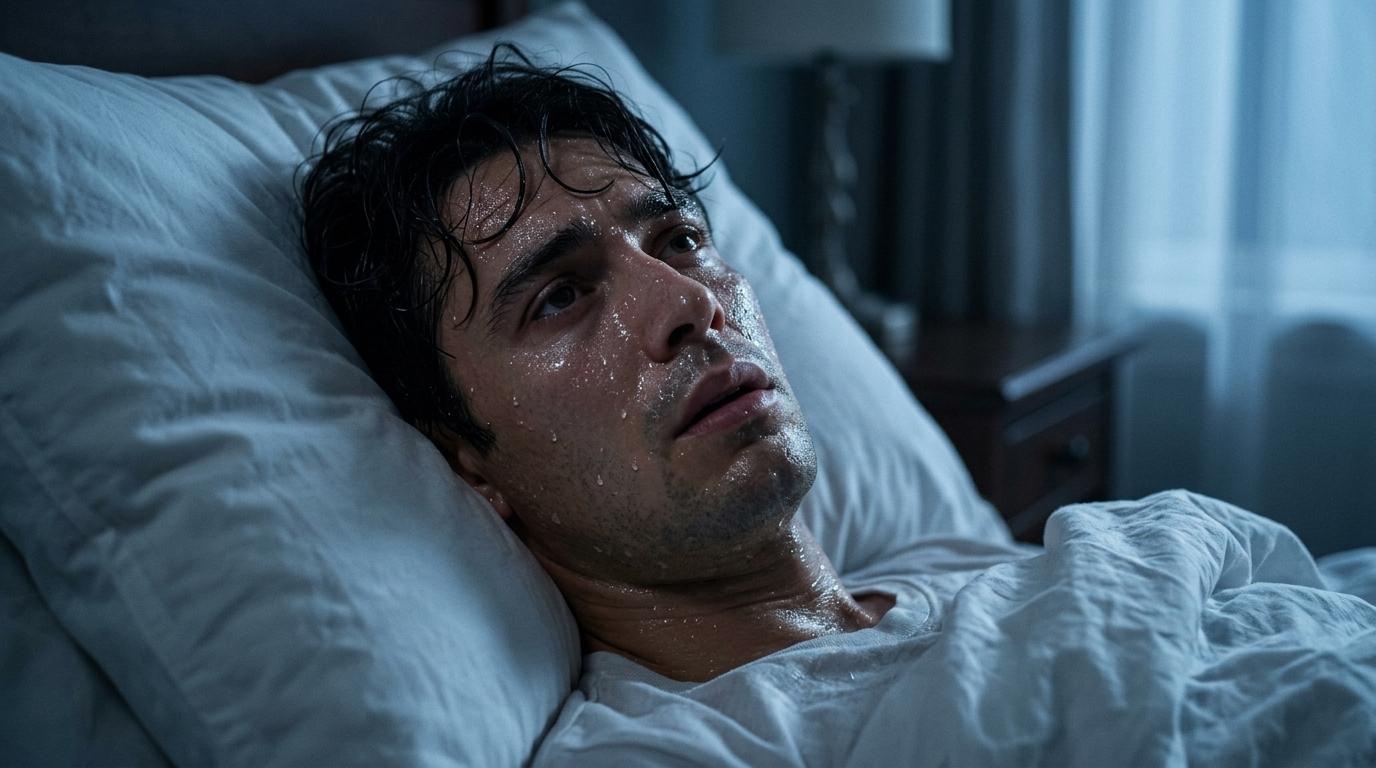
Letrozole (Femara) night sweats can disrupt sleep. Learn why they happen, when to call your doctor, and practical ways to stay cooler.
If you’re taking letrozole, also sold as Femara, and waking up sweaty at 2 a.m., you’re not imagining it. Many people undergoing hormonal therapy for breast cancer experience letrozole (Femara) night sweats. These night sweats are a very real side effect of the medication and can be rough, especially when combined with other side effects such as joint pain, fatigue, muscle pain, and even mood changes like low mood or hot flushes. It’s important to remember that for those fighting breast cancer, careful management of side effects is part of the overall treatment plan.
That matters, because letrozole is often taken for months or years as part of a comprehensive therapy plan. A side effect that sounds small on paper can feel huge when it shows up night after night, particularly when other issues such as nausea, indigestion, constipation, diarrhoea, headaches, and even vaginal bleeding can sometimes accompany the treatment. There is also concern about long-term effects like bone loss, which can lead to osteoporosis, and possible changes in cholesterol levels. For many patients with breast cancer, the added challenges of managing these symptoms require extra attention from their healthcare team.
Letrozole is an aromatase inhibitor widely used in hormonal therapy for hormone receptor positive breast cancer. It lowers estrogen levels, a mechanism that contributes to both its intended therapeutic effects and its side effects. The drop in estrogen can affect the body’s temperature regulation. For some people, that means hot flashes or hot flushes during the day. For others, it shows up mostly as nocturnal sweating. Many patients report that the sudden sensations of heat mimic traditional hot flashes, making the experience particularly uncomfortable.
Your body uses hormones, including estrogen, to help regulate temperature. When letrozole lowers estrogen, the brain can become more sensitive to small temperature changes. That can trigger sudden heat, flushing, sweating, and a feeling that your body has gone from comfortable to overheated in seconds. In the context of breast cancer treatment, the hormonal shifts not only cause letrozole (Femara) night sweats but can also lead to discomfort from joint pain, muscle pain, and even fatigue.
This is similar to what many people experience during menopause, which is why letrozole night sweats often feel a lot like menopausal hot flushes. Even if your bedroom is cool, your body can still act like it needs to dump heat fast.
The tricky part is that night sweats are not always just about room temperature. Bedding traps warmth, mattresses hold heat, and your own body heat builds up under the covers. Once that heat gets stuck, sweating, coupled with other side effects such as indigestion or constipation, often follows. That is why a person can set the thermostat low and still wake up hot.
Some people picture night sweats as dramatic, soaked sheets every night. That can happen, but many cases are less obvious. You may just wake up too warm, toss off the covers, then get chilly a few minutes later. Along with the physical discomfort, symptoms like joint pain, fatigue, and even muscle pain might contribute to a restless night.
A lot of people describe patterns like these:
If that sounds familiar, letrozole (Femara) may be part of the reason, especially if the symptoms started after you began treatment. Many individuals battling breast cancer learn that managing these side effects is as important as addressing the cancer itself.
Sleep problems from letrozole are rarely caused by just one thing. Night sweats often overlap with insomnia, anxiety, joint pain, stress about treatment, and other side effects like indigestion or even diarrhoea. Once you wake up overheated, it can be hard to fall back asleep, even after your body cools down. Low mood and mood changes may also intensify once sleep is disrupted.
That is one reason this side effect deserves more attention than it sometimes gets. Poor sleep can affect your mood, concentration, energy, and daily coping. If you already have a full treatment plan that might include managing risks like bone loss, osteoporosis, or changes in cholesterol, repeated sleep disruption can make everything feel harder. For those undergoing breast cancer treatment, every lost hour of sleep can add up.
There is also a mental side to it. Many people start to worry about bedtime because they expect another bad night. That anticipation alone can keep your nervous system on high alert.
Night sweats are a known side effect of letrozole, but you should still bring them up with your oncology team, especially if they are intense or new. It is never a good idea to quietly struggle through side effects without mentioning them. Along with reporting night sweats, mention any associated symptoms such as joint pain, muscle pain, headaches, nausea, diarrhoea, constipation, indigestion, or vaginal bleeding.
Your doctor may want to know:
A fever, signs of infection, chest symptoms, or unexplained weight loss should always be reported promptly. Not every case of night sweats is caused by medication, and it is smart to rule out other issues. For patients with breast cancer, being proactive about side effects can contribute greatly to overall treatment success.
Just as important, do not stop letrozole on your own because of night sweats. If the side effects are wearing you down, ask about options. Sometimes there are ways to make treatment more manageable without giving up an effective breast cancer therapy like Femara.
Sleep experts recommend a bedroom temperature between 60°F and 67°F for better sleep. That range gives your body a better chance to settle into sleep without fighting excess heat.
Still, room temperature is only part of the story. If heat gets trapped under your sheets, you can overheat even in a cool room. That is why your bedding setup matters a lot. In addition to addressing letrozole (Femara) night sweats, these tips can help alleviate other side effects like joint pain and fatigue by ensuring you stay comfortable throughout the night.
A few practical changes can make a noticeable difference:
If your bedroom is already chilly and you are still waking up hot, the problem may be trapped heat around your body, not the thermostat itself.
Many people get stuck in a cycle. They lower the AC, buy cooling sheets, flip pillows, and still wake up sweating. The missing piece is often airflow under the covers.

Night sweats from letrozole can feel internal, but trapped heat in bedding makes them worse. Once warm air sits around your skin, the bed becomes a little heat pocket. Your body responds by sweating more, which makes the whole cycle even more uncomfortable, particularly if you are already dealing with side effects like low mood or joint pain.
A bed fan can help here because it moves the cooler air already in the room through the bed, under the top sheet, where you actually feel hot. Neither Bedfan nor Bedjet cool the air; they only use the cool air in the room to cool your bed. The Bedjet does not cool the air, even though some shoppers might first interpret it that way.
The original bedfan came to market several years before Bedjet was even thought of, and the idea remains simple, which is part of the appeal: move air where heat gets trapped.
If you want a practical, low-hassle fix, the bFan from http://www.bedfan.com is worth a look. It is designed to send a gentle stream of air between your sheets, helping remove body heat trapped in bedding. For hot sleepers, including people dealing with medication-related night sweats, that can mean fewer wakeups and less of that sticky, overheated feeling, even when other side effects like fatigue, headaches, or joint pain make sleeping challenging.
There are a few reasons people like this approach:
Many people find that with a bed fan they can raise room temperature by about 5°F and still sleep cool. That matters if you are trying to sleep comfortably without running the AC harder than necessary, especially when managing a complex hormonal therapy regimen that might include side effects such as nausea, constipation, indigestion, joint pain, and even changes in cholesterol. This practical solution is a great option for many who experience letrozole (Femara) night sweats.
If you have been comparing options, price and setup matter just as much as cooling style.
Here is the short version:
For couples, that dual-zone point matters. Two separate bedfans can give each sleeper control over their own side without stepping into the very high price range of a dual zone Bedjet.
Cooling tools help, but a few habits can also lower how often sweating shows up at night. These strategies will not fix every case, because hormonal shifts are powerful, but they may reduce the number of rough nights that include problematic side effects such as joint pain, hot flushes, and even occasional vaginal bleeding.
Try paying attention to patterns. Spicy food, alcohol, heavy blankets, a warm shower right before bed, or a room that heats up after midnight can all make symptoms more noticeable. If you are also managing other side effects like fatigue, muscle pain, or indigestion, these small changes can make a big difference. For many individuals undergoing breast cancer treatment, even minor adjustments in evening habits can lead to noticeable improvements in sleep quality.
Some simple habits are often worth testing:
You do not need a perfect routine. You just need enough information to spot what makes your nights better or worse.
If night sweats are affecting your quality of life, your doctor may talk through treatment options. The right approach depends on your health history, current medications, and overall breast cancer therapy plan. For patients undergoing treatment for breast cancer, whether with letrozole or Femara, it is important that you discuss every side effect, including the uncomfortable hot flashes you may be experiencing.
This is one area where professional guidance matters, because not every hot flash or hot flush remedy is appropriate for everyone taking letrozole (Femara). Your doctor may discuss your full spectrum of side effects, from joint pain and muscle pain to nausea, headaches, indigestion, constipation, diarrhoea, changes in cholesterol, and even vaginal bleeding. There may also be discussion around whether another symptom, like anxiety or pain, is making sleep harder overall.
That conversation is worth having early instead of waiting until you are worn out. Remember, managing side effects is an important part of the journey for those diagnosed with breast cancer.
A lot of people try the obvious fixes first, and that makes sense. If you have not changed your actual sleep microclimate, though, you may keep hitting the same wall. You may need a more direct cooling setup if you notice this pattern: your room is already in the recommended 60°F to 67°F range, you have switched to lighter bedding, and you still wake up because the space under the covers feels stuffy and hot, even if you are also managing side effects like low mood, joint pain, or even hormone-related indigestion.
That is exactly the kind of situation where a bed fan makes more sense than turning the whole house colder. The goal is not to freeze the room. The goal is to remove the heat trapped around your body before it builds up enough to trigger sweating or wake you up fully.
For people on letrozole, that difference can be a big one. You may not be able to change the medication, but you can often change the sleep environment around it. Many individuals with breast cancer have found that small changes in their sleep setup can make a big difference in managing side effects, including those related to Femara.
A quick symptom log can help you talk to your doctor and figure out what is helping. Keep it simple: date, rough severity, any wakeups, and anything unusual that day, whether it is joint pain, fatigue, muscle pain, or even minor issues like headaches or indigestion.
You are not trying to build a science project. You are just looking for patterns. If your worst nights happen after a late meal, a stressful day, or when the air under the covers feels stagnant, that is useful information.
It is also useful if a cooling change helps. If adding airflow under the sheets cuts wakeups from four times a night to once, that is a meaningful improvement, even if the night sweats and other side effects like hot flushes, low mood, or even occasional vaginal bleeding are not gone completely.
For anyone facing breast cancer, keeping track of these details can be an important tool in managing treatment side effects. When sleep has been poor for a while, “better” matters. Often, that is the first step toward feeling more like yourself again while managing the many side effects that can accompany breast cancer hormonal therapy.
Letrozole (Femara) can trigger night sweats because it lowers estrogen levels in the body, which disrupts your body’s natural temperature regulation. As your estrogen drops, your hypothalamus can become more sensitive, causing sudden feelings of heat and sweating, especially at night. This is a common side effect for many people taking aromatase inhibitors like letrozole.
Night sweats from letrozole can start soon after beginning treatment and may last for several months or even throughout the duration of therapy. Some people notice the intensity decreases over time as their body adjusts, while others may experience persistent symptoms. If night sweats are severe or affecting your sleep, talk to your doctor about possible solutions.
Yes, there are several strategies you can try to reduce night sweats. Keep your bedroom cool, use moisture-wicking sheets, and wear lightweight pajamas. Many people find relief by using a bedfan, which circulates cool air under your sheets and helps carry away heat. Sleep experts recommend keeping your room between 60°F and 67°F, and with a bedfan, you can often raise your room temperature by about 5°F and still sleep comfortably.
Absolutely, using a fan or a bed cooling system is safe and often recommended for managing night sweats. The bFan from www.bedfan.com is a popular choice because it provides direct airflow under your sheets, helping to keep you cool without increasing your energy bill. Unlike some other options, the bedfan uses only 18 watts on average and operates quietly at 28db to 32db, so it won’t disturb your sleep.
Yes, letrozole can cause other symptoms similar to menopause, such as hot flashes, mood swings, and vaginal dryness. These side effects happen because letrozole lowers estrogen, which is the same hormone that drops during menopause. If these symptoms become bothersome, your healthcare provider can suggest ways to manage them.
Definitely, your choice of bedding can make a big difference. Sheets with a tight weave help air flow across your body and carry away heat, especially when paired with a bedfan. Avoid heavy comforters and opt for lightweight, breathable fabrics like cotton or bamboo to help keep you cool throughout the night.
The bedfan is more affordable, using less energy and offering dual-zone microclimate control with two fans. The dual zone Bedjet costs over a thousand dollars, which is more than twice the price of two bedfans. Both devices use the cool air in your room to keep you comfortable, but neither actually cools the air. The bedfan also features timer controls to help you reach the recommended sleep temperature, and it’s been on the market several years longer than the Bedjet.
Yes, always let your doctor know if night sweats are affecting your quality of life. They can help you find the best ways to manage symptoms, adjust your treatment if needed, or recommend additional therapies. Your comfort and sleep quality are important parts of your overall health during cancer treatment.