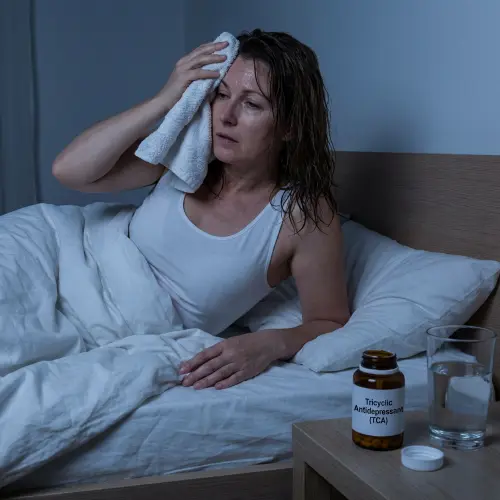
TCA night sweats, often disrupting sleep, are caused by various factors including hormonal changes, infections, and medication side effects.
Night sweats are a distressing symptom that can significantly disrupt sleep and quality of life. Among the various causes, medications are a frequent culprit, and tricyclic antidepressants (TCAs) are well-known for inducing night sweats in some patients. This comprehensive article explores the phenomenon of TCA night sweats, delving into their causes, mechanisms, clinical implications, and practical management strategies, including innovative solutions like the bFan for symptomatic relief.
Night sweats refer to episodes of excessive sweating during sleep that soak pajamas or bedding, often unrelated to environmental temperature. They are distinct from simply feeling warm at night and are typically severe enough to disturb sleep or require a change of clothes or sheets.
TCAs are a class of medications primarily used to treat depression, anxiety disorders, neuropathic pain, and certain sleep disorders. Common TCAs include:
While effective, TCAs are associated with a range of side effects due to their action on multiple neurotransmitter systems. In contrast to SSRIs, TCAs tend to have a broader side effect profile, including the potential for triggering hot flashes and severe sweating, particularly in patients who might also be encountering hormone fluctuations from menopause or hormone therapy used in treating breast cancer.
Night sweats are a recognized side effect of TCAs, affecting a significant proportion of users. Studies estimate that up to 14 to 20% of patients on TCAs may experience excessive sweating, with night sweats being a particularly bothersome manifestation. Patients on other medications such as SSRIs or venlafaxine might experience similar, albeit less intense, side effects.
TCAs exert their therapeutic and side effects through complex interactions with neurotransmitter systems:
TCAs block acetylcholine receptors, leading to a range of side effects. Paradoxically, while anticholinergic activity can reduce sweating in some instances, TCAs may also disrupt normal thermoregulation, leading to episodes of excessive sweating.
By increasing levels of norepinephrine and serotonin, TCAs can stimulate sweat glands, particularly during REM sleep when thermoregulation is altered. This mechanism is similar to that seen with SSRIs and venlafaxine, albeit often more pronounced with TCA use.
The hypothalamus regulates body temperature, and TCAs may disrupt this process, lowering the threshold for sweating, a mechanism that can also be influenced by stress and other medications.
TCAs alter sleep stages, particularly REM sleep, which may contribute to abnormal sweating patterns. Patients with sleep apnea might find that overlapping symptoms complicate the clinical picture.
It is crucial to rule out other causes of night sweats, such as:
A thorough history, physical examination, and appropriate investigations, including evaluation for GERD in relevant cases, are essential.
One of the most effective and user-friendly solutions for night sweats is the bFan. This device is designed to deliver a gentle stream of cool air directly between the sheets, helping to regulate body temperature and wick away sweat. Unlike traditional fans, the bFan targets the microclimate under the covers, providing immediate relief from overheating and night sweats. This can be especially beneficial for patients managing hot flashes related to menopause or hormone therapy, as well as for those with cancer who need to adhere to their treatment regimens without additional discomfort.
Benefits of the bFan:
Many patients with TCA-induced night sweats have found the bFan to be a game-changer, allowing them to continue their medication without sacrificing sleep quality.
If night sweats persist or are accompanied by other concerning symptoms (e.g., weight loss, fever, lymphadenopathy), further medical evaluation is warranted to rule out serious underlying conditions such as various forms of cancer. Additionally, if symptoms overlap with those of sleep apnea or GERD, further evaluation may be necessary.
Patients should be informed about the potential for night sweats with TCAs and other related medications before starting therapy. This is particularly important for those with a history of cancer, including breast cancer, as well as for patients undergoing hormone therapy or managing conditions like diabetes. Early recognition and proactive management can prevent unnecessary distress and improve adherence.
Patient: 45-year-old female with depression, started on amitriptyline 50 mg nightly.
Symptoms: Reports waking up drenched in sweat, with episodes severe enough to require changing clothes and bedding several times a week. The patient also noted the onset of hot flashes, which compounded her discomfort. There was no fever, weight loss, or other systemic symptoms, and she had no history of cancer, diabetes, or GERD.
Management:
Outcome: Night sweats reduced in frequency and severity, sleep quality improved, and depressive symptoms remained well-controlled. The adjustments also helped to alleviate concerns about potential interactions with other conditions, including GERD and diabetes.
The bFan stands out as a practical, non-pharmacological intervention for managing TCA night sweats. Its targeted airflow system addresses the root cause of discomfort (overheating under the covers) without the need for immediate changes in medications or additional drugs. For patients who wish to continue their TCA therapy but are struggling with night sweats, particularly those also coping with the side effects of hormone therapy or cancer treatment, the bFan offers a simple, effective, and affordable solution.
Why Choose the bFan?
For healthcare providers, recommending the bFan can be a valuable addition to the management toolkit for patients experiencing medication-induced night sweats, especially in the context of concurrent issues like hot flashes, stress, and even minor GERD symptoms.
Night sweats themselves are not usually dangerous but can be a sign of an underlying medical condition, such as certain cancers or endocrine disorders. Persistent or severe night sweats should be evaluated by a healthcare professional.
Do not stop any medication without consulting your doctor. There may be alternative strategies to manage the side effect without discontinuing the antidepressant, including switching to SSRIs or venlafaxine.
Some antidepressants are less likely to cause sweating. Your doctor can help you weigh the risks and benefits of switching medications, taking into account your entire medical history, including conditions like diabetes or sleep apnea.
Night sweats usually resolve within days to weeks after discontinuing the offending medication, but this varies between individuals. In some cases, medications known to cause hot flashes or stress-related sweats may have a more prolonged course.
Yes, the bFan is designed for nightly use and is safe for most individuals. It is especially helpful for those with medication-induced night sweats, including patients managing cancer treatments or hormone therapy.
TCA night sweats are a common and often distressing side effect of tricyclic antidepressant therapy. Understanding the mechanisms, recognizing the symptoms, and implementing effective management strategies are essential for both patients and healthcare providers. While medication adjustments and lifestyle changes can help, innovative solutions like the bFan offer immediate and practical relief, allowing patients to maintain their treatment regimen and enjoy restful, sweat-free sleep. This is particularly important for patients who are also navigating the challenges of hot flashes, managing various cancers, or dealing with the effects of stress and sleep apnea.
If you or your patients are struggling with night sweats due to TCAs or other medications, consider integrating the bFan into your management plan for optimal comfort and improved quality of life.
This article is intended for informational purposes only and should not replace professional medical advice. Always consult a healthcare provider for personalized recommendations.
The bFan sits at the foot of your bed and sends a quiet stream of air under your sheets. Direct airflow helps stop sweat before it starts, and one bFan costs less than half the price of one BedJet, making it the less expensive alternative. Shop the bFan at bedfans-usa.com