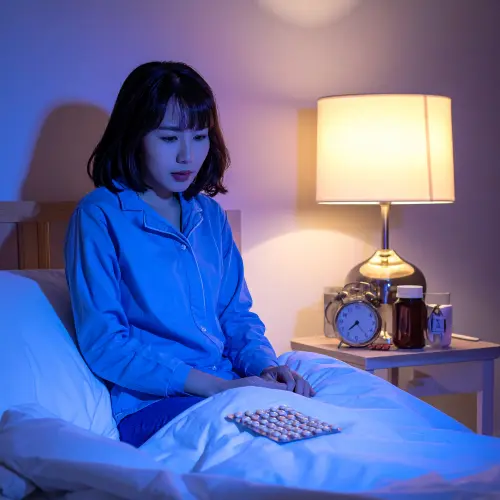
Protriptyline night sweats can be managed by understanding its effects on neurotransmitters, with strategies such as utilizing innovative cooling systems.
Night sweats can be a distressing symptom for many individuals, particularly those taking certain medications. Among these, protriptyline, a tricyclic antidepressant available by prescription, has been associated with excessive nighttime sweating. This comprehensive article explores the relationship between protriptyline and night sweats, delves into the underlying mechanisms including various protriptyline effects, discusses management strategies, and highlights practical solutions, including the innovative bFan system.
Protriptyline is a tricyclic antidepressant (TCA) primarily prescribed for the treatment of depression and anxiety. It may also be used off-label for conditions such as attention-deficit hyperactivity disorder (ADHD), narcolepsy, and chronic pain syndromes. Like other TCAs, protriptyline works by modulating neurotransmitters in the brain, particularly norepinephrine and serotonin, to improve mood and emotional balance. Its side effects can be diverse, and while some patients experience mild symptoms, others report more challenging side effects such as drowsiness, dizziness, and nausea, among others.
Protriptyline inhibits the reuptake of norepinephrine and, to a lesser extent, serotonin, increasing their availability in the synaptic cleft. This action is believed to enhance mood and alleviate depressive symptoms, as well as anxiety. However, the broad pharmacological effects of TCAs also account for their side effects (including anticholinergic effects, cardiovascular changes, agitation, confusion, and, notably, night sweats), as well as other potential issues like seizures or even overdose if not taken as prescribed. The U.S. Food and Drug Administration (FDA) has approved protriptyline for therapeutic use, but it also recommends close monitoring due to these possible side effects.
In addition to night sweats, patients should be aware of other common side effects that may occur with protriptyline use. These include drowsiness, dizziness, nausea, and in some cases, a worsening of agitation or confusion. There is also a risk of suicidal ideation, especially in younger patients and children, making it crucial for caregivers to monitor mood changes closely. Individuals with glaucoma should exercise extra caution, and breastfeeding mothers are advised to consult their healthcare providers due to potential effects on the nursing infant. Overall, while protriptyline can be effective for treating depression and anxiety, these precautions underscore the importance of regular follow-up and dose adjustments when necessary.
Night sweats refer to episodes of excessive sweating during sleep that can soak pajamas and bedding. They are distinct from simply feeling warm due to environmental factors and are often severe enough to disrupt sleep quality.
Night sweats can significantly impact quality of life, leading to sleep disturbances, fatigue, irritability, and even secondary skin issues such as rashes or infections. In the context of medication use, night sweats may also signal the need for dosage adjustment or alternative therapies. It is important to note that even though protriptyline is effective for depression, the side effects such as night sweats sometimes necessitate further clinical evaluation and considering other treatment options.
The exact mechanism by which protriptyline induces night sweats is not fully understood, but several factors are believed to contribute:
While not every patient on protriptyline will experience night sweats, studies and patient reports suggest it is a relatively common side effect among TCA users. The incidence may vary depending on dosage, duration of therapy, and individual sensitivity.
Before attributing night sweats solely to protriptyline, it is essential to consider other potential causes:
A thorough medical evaluation is crucial to rule out these possibilities and ensure that symptoms are not mistakenly attributed solely to the protriptyline effects.
Always consult a healthcare provider before making any changes to medication regimens, especially if experiencing side effects.
One of the most effective and practical solutions for managing night sweats is the use of a bed fan system. The bFan is specifically designed to address the discomfort of night sweats by providing a gentle, adjustable airflow under the sheets, keeping the body, bed and bed coverings cool so sweat never starts, while clearing any moisture already there.
For individuals experiencing protriptyline-induced night sweats, the bFan offers several advantages:
Many users report significant improvement in comfort and sleep quality with the bFan, making it a highly recommended solution for medication-induced night sweats.
While night sweats are a known side effect of protriptyline, certain side effects like these warrant prompt medical evaluation:
If any of these symptoms occur, particularly in patients also experiencing issues like drowsiness or signs of an overdose, consult a healthcare provider for further assessment.
Case Example:
A 45-year-old woman with major depressive disorder was started on protriptyline 15 mg at bedtime. Within two weeks, she began experiencing nightly episodes of profuse sweating that not only altered her sleep architecture but also contributed to increased anxiety and occasional confusion. These night sweats were so severe that she required changing pajamas and sheets multiple times per week. After discussing with her psychiatrist and taking necessary precautions, her dose was reduced to 10 mg, and she implemented several lifestyle modifications, including using moisture-wicking bedding and lowering her bedroom temperature. However, the night sweats persisted.
Upon recommendation, she tried the bFan system. Within days, she reported a marked reduction in night sweats, improved sleep quality, and greater overall comfort. This adjustment allowed her to continue her antidepressant therapy without further disruption. It is important to note that while this approach worked well for the patient, protriptyline should be used with care, not only in adults but also with extra vigilance in children, to avoid any potential complications such as seizures or harmful side effects.
Night sweats are episodes of excessive sweating that occur during sleep and can soak clothing and bedding. Unlike regular sweating, which is usually related to heat or physical activity, night sweats happen regardless of room temperature or activity level. They are often severe enough to disrupt sleep and may indicate an underlying medical issue or medication side effects.
Protriptyline can stimulate the sympathetic nervous system and alter neurotransmitter levels, leading to increased sweating during sleep. The medication’s impact on the body’s thermoregulation and sleep architecture, as well as its protriptyline effects on depression and anxiety, can also contribute to this side effect. Not everyone will experience night sweats, but it is a recognized and relatively common reaction among users.
While uncomfortable, protriptyline-induced night sweats are generally not dangerous on their own. However, persistent or severe night sweats should be discussed with a healthcare provider to rule out other causes such as infections, hormonal imbalances, or malignancies. Monitoring for additional symptoms, such as agitation or confusion, is important to ensure overall health.
Yes, sometimes lowering the dose of protriptyline can decrease the severity or frequency of night sweats. Any changes to medication should only be made under the guidance of a healthcare professional. Dose adjustments may also help balance the benefits of alleviating depression and anxiety with its side effects, including those related to overdose risk and other adverse events.
Maintaining a cool bedroom, using tightly woven, higher thread count sheets with a bed fan, staying hydrated, and practicing stress reduction techniques can all help manage night sweats. Wearing lightweight pajamas and avoiding spicy foods or alcohol before bed may also provide relief. These strategies, together with careful monitoring of symptoms like dizziness and nausea, can be combined with medical interventions for optimal results.
The bFan provides a gentle, adjustable airflow under the sheets, directly cooling the body and helping stop sweat before it starts. This targeted cooling can significantly reduce discomfort and sleep disruption caused by night sweats. Many users find that incorporating a bed fan into their routine greatly improves their sleep quality.
Do not stop taking protriptyline without consulting your healthcare provider. Abrupt discontinuation can lead to withdrawal symptoms and a return of depressive symptoms, or even trigger suicidal thoughts in vulnerable individuals. Your provider can help determine if dose adjustment, switching medications, or adding supportive measures like the bFan is appropriate.
Yes, several other medications can cause night sweats and other side effects, including other antidepressants (such as SSRIs and SNRIs), antipyretics, hormone therapies, and some blood pressure medications. If you are taking multiple medications, your healthcare provider can help identify the likely cause and recommend solutions.
Seek medical attention if night sweats are accompanied by symptoms such as unexplained weight loss, persistent fever, swollen lymph nodes, or if they severely disrupt your sleep and daily functioning. These could be signs of an underlying medical condition that requires further evaluation and treatment.
Protriptyline is an effective antidepressant for both depression and anxiety, but night sweats can be a challenging side effect for many patients. Understanding the mechanisms, ruling out other causes, and implementing a combination of medication adjustments, lifestyle changes, and innovative solutions like the bFan can significantly improve comfort and quality of life. In addition, proper precautions should be taken regarding its use in breastfeeding mothers, children, or patients with glaucoma. If you or someone you know is struggling with protriptyline-induced night sweats (or any other notable side effects such as nausea, dizziness, drowsiness, or agitation), consult a healthcare provider and consider integrating the bFan into your nightly routine for immediate and lasting relief.
The bFan sits at the foot of your bed and sends a quiet stream of air under your sheets. Direct airflow helps stop sweat before it starts, and one bFan costs less than half the price of one BedJet, making it the less expensive alternative. Shop the bFan at bedfans-usa.com