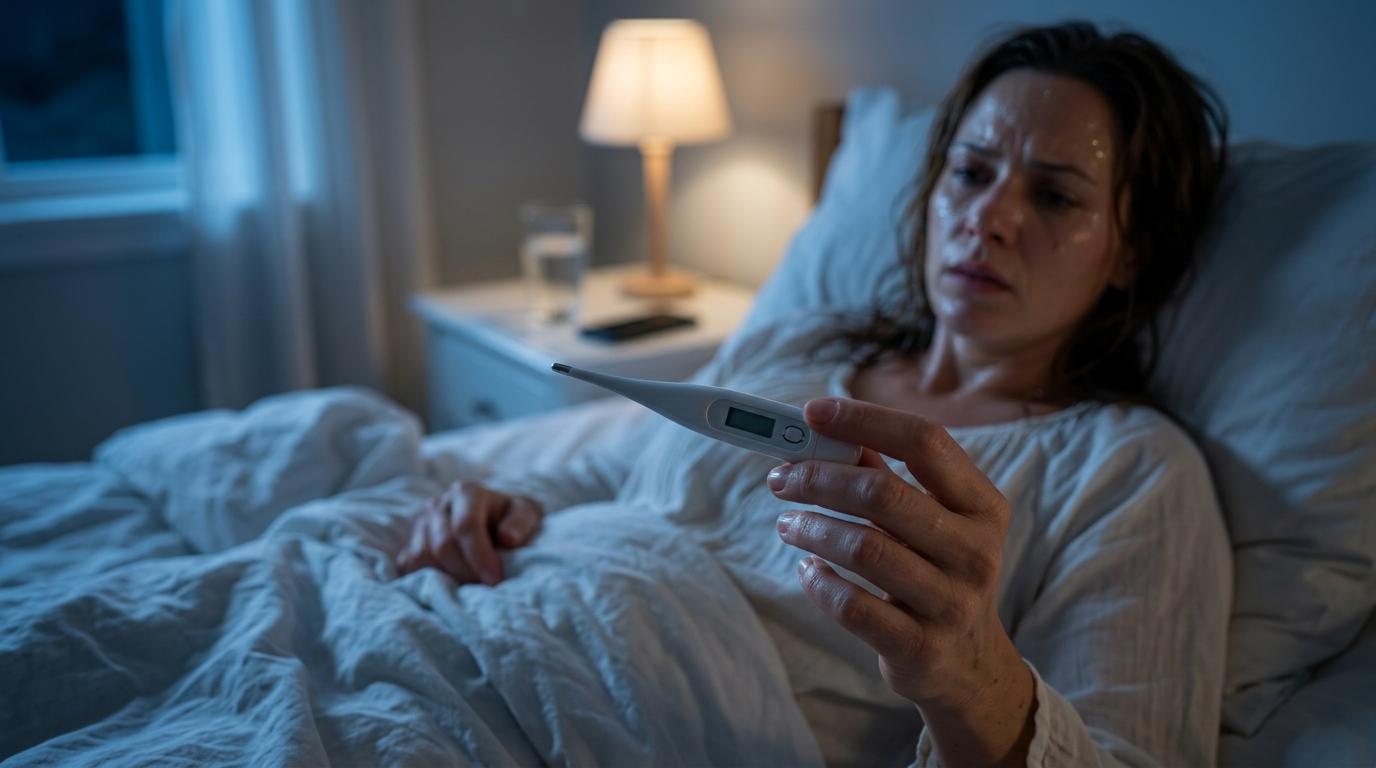
Rituximab night sweats may be treatment-related, but timing, fever, and other symptoms can signal infection, lymphoma, or urgent concerns.
Rituximab (often referred to as rituxan) night sweats matter because they can wreck your sleep, raise anxiety, and sometimes point to a problem that needs quick medical attention. These issues may be part of the drug side effects of rituxan that many patients face when being treated for cancer or other immune system conditions. For some people, sweating shows up around infusion day as part of an infusion reaction, which is a common rituxan side effect. For others, it may be tied to steroids, infection, or the condition being treated, especially lymphoma, chronic lymphocytic leukemia, or even polyangiitis. If you are breastfeeding, it is important to discuss these side effects with your doctor because rituxan and its associated drug side effects may require extra caution. The main challenge is figuring out which cause fits your timing and symptoms so you can respond safely and still get some rest.
Yes, rituximab, commonly known as rituxan, along with prednisone, can cause temporary night sweats, especially near infusion day. Lymphoma, a form of cancer, and infection can do it too. Rituxan infusion reactions are a well-known drug side effect that many patients experience along with other side effects such as chills, flushing, fever, and sweating, often during the infusion or within the first day. These infusion reactions as side effects tend to be more likely with the first dose when your body is seeing the drug for the first time.
That said, not every sweat is from rituxan itself. A common mix-up is blaming the drug when the pattern actually fits something else. If you also receive prednisone, dexamethasone, or diphenhydramine, those medications can add to drug side effects by affecting body temperature, sleep, and sweating. For patients being treated for lymphoma, chronic lymphocytic leukemia, or other cancers, drenching sweats may also be part of the disease and not just the treatment with rituxan. If sweats start days later, keep infection on the list because rituxan can suppress normal immune system function and increase the risk of infections such as hepatitis b reactivation. Rituxan is known for its drug side effects, and your doctor should be aware if you have a history of lung problems or other respiratory issues when assessing these infusion reactions.
Mild sweating after rituxan can be expected as one of its drug side effects, but fever with sweats is a same-day call to your oncology team. A temperature of 100.4°F or higher matters because it might indicate a serious infusion reaction, a known side effect of rituxan.

The safer pattern is brief sweating that shows up around treatment, improves within a day or two, and does not come with other warning signs. The higher-risk pattern is drenching sweats plus fever, shaking chills, cough, shortness of breath, chest pain, confusion, rash, or new severe weakness. If you are getting rituxan with chemotherapy, the threshold to call is lower because neutropenia and other drug side effects can complicate the picture. If you have diabetes, low blood sugar can also cause overnight sweating, so check if that applies to you. Very frequent changes of clothes or sheets, or sweating that builds between infusions instead of fading, may indicate that the side effects of rituxan are overlapping with other problems. Always ask your team to review the pattern rather than assuming it is simply treatment.
Yes, targeted cooling works better than random fixes for most hot sleepers on rituxan. A cool room, tight-weave sheets, and controlled airflow help most people manage the drug side effects of infusion reactions and other side effects common with rituxan.
You want to remove heat trapped under the covers without overcooling the whole house. Sleep experts generally recommend a bedroom temperature between 60°F and 67°F. Many people can keep the room about 5°F warmer and still sleep cool if they add airflow under the sheets. It can be worthwhile to consider a practical option like the bFan from www.bedfan.com. The bFan, also known as a bed fan, pushes room air between the sheets where heat gets trapped. This is a useful strategy if the side effects of rituxan make you sweat, and it has been around several years, long before Bedjet was even thought of.
Timing usually separates rituxan side effects from the night sweats associated with lymphoma, chronic lymphocytic leukemia, or infection. Rituximab infusion reactions typically coincide with infusion day, while lymphoma-related sweats occur recurrently and are less clearly linked to your infusion schedule. Infection often adds fever or local symptoms that are not usually seen with the standard drug side effects of rituxan.
Rituxan-related sweating is most convincing when it starts during the infusion, later that day, or the night after, especially if you also had chills, flushing, or a nurse-documented infusion reaction. It often fades as the immediate reaction settles.
Keep in mind that these side effects are common drug side effects of rituxan. Lymphoma-related night sweats are different. They are often described as drenching and recurrent, and they are not tightly linked to your infusion timing. If they are accompanied by symptoms like unintentional weight loss, persistent fevers, swollen nodes, or a return of fatigue between cycles, the disease, whether it is cancer, chronic lymphocytic leukemia, or another condition, is a higher concern than the side effects of rituxan.
Infection tends to leave clues. If your sweats come with a measurable fever, sore throat, cough, burning with urination, wound redness, abdominal pain, or new diarrhea, think infection until proven otherwise. Rituxan can lower B cells in the immune system for months, so delayed infection is not rare. For those who are breastfeeding, extra vigilance is warranted since rituxan’s drug side effects may be compounded by changes in immune function. If the sweating pattern changes suddenly after being stable, that change matters more than the sweat alone.
First, check for danger signs before you focus on comfort. A thermometer, a dry shirt, and your after-hours oncology number are the right starting tools when managing the side effects of rituxan, including its infusion reactions and other drug side effects.
If you act in the right order, you can cool down and still avoid missing something serious.
A simple symptom log helps your nurse or oncologist sort out the diverse effects of rituxan drug side effects, lymphoma, chronic lymphocytic leukemia, or infection. Timing and associated symptoms are the most useful details when you are monitoring rituxan infusion reactions and other side effects.
You do not need a complicated app. A few specific notes are enough, and they often shorten the back-and-forth needed to address the extensive side effects of rituxan.
Targeted bed cooling usually beats whole-room overcooling when it comes to comfort and cost, especially when you are trying to manage the drenching side effects of rituxan. Tight-weave sheets, lighter bedding, and controlled airflow are crucial when combating the infusion reactions and drug side effects caused by rituxan.
The body loses heat best when warm air and moisture are moved away from the skin. That is why your bedding setup matters more than many people expect. If your mattress topper, comforter, and pajamas all hold heat, simply lowering the thermostat may not solve the problem of rituxan-related sweating and its side effects.
A practical setup is a room maintained between 60°F and 67°F, a lighter comforter, and sheets that let air move along your body. If you use a bed fan, keep in mind that neither a bed fan nor a Bedjet actually cools the air. They both use the room’s air, so if your room is warm, these devices work with that air to help mitigate the side effects of rituxan.
One more tip: stronger airflow is not always better. Some light sleepers do better with a lower setting plus a timer. Steady, quiet airflow is easier to sleep through than a strong blast of air that may be too disruptive when you are managing the drug side effects of rituxan.
A bed fan is usually the lower-cost, lower-energy option for single sleepers managing the side effects of rituxan, especially its infusion reactions. Bedjet and whole-room air conditioning can work too, but the trade-offs are different.
Lowering the thermostat cools the whole room, which helps everyone, but it can raise energy bills and irritate a partner who already sleeps cold. A bed fan targets the microclimate under your covers, exactly where many rituxan-related side effects and excessive sweats feel worst.
Using clear, specific language gets better answers from your care team when you discuss the multiple side effects of rituxan. Mentioning rituximab timing, fever history, and associated symptoms matters more than just saying "sweats" by itself when you try to differentiate routine drug side effects from serious complications like infection or worsening lung problems.
Try to lead with the pattern rather than just the feeling. Your oncologist is listening for clues that separate treatment effects from infection, disease activity, or additional complications from rituxan.
Often, yes, infusion-related night sweats lessen after early rituximab doses as your body adjusts to rituxan. Prednisone-related sweats and lymphoma-related sweats can follow different patterns, as can other drug side effects from rituxan.
If the sweating is tied to an infusion reaction, a classic side effect of rituxan, it may be worst with the first treatment and then become milder once premedication plans and infusion rates are adjusted. If steroids are the bigger driver, the sweating may return in a similar rhythm with each cycle, especially on the nights you take them.
If lymphoma or chronic lymphocytic leukemia is causing the sweats, improvement can take a few cycles, and sometimes the pattern does not improve until the disease starts responding to rituxan. If the sweats are getting worse instead of better, or if their timing moves farther away from infusion day, consider that a useful clue rather than a simple nuisance. In people getting rituximab for rheumatoid arthritis or another autoimmune condition, persistent drenching sweats are less likely to be from the underlying disease itself. Instead, infection, additional medication side effects, or other medical causes move higher on the list. If you are breastfeeding, be sure to relay any change in these side effects to your doctor.
The bottom line is simple. The trend matters. If the pattern is stable and clearly linked to treatment day, you can focus on sleep setup and comfort measures. However, if the pattern changes, intensifies, or comes with fever or new symptoms, call your team immediately to reassess the side effects of rituxan.
In this comprehensive look at rituximab (rituxan) night sweats, we have discussed how infusion reactions and other drug side effects, ranging from common issues like mild sweating to more concerning symptoms like fever and lung problems, can affect your sleep and overall well-being. Whether you are managing treatment for cancer, chronic lymphocytic leukemia, or polyangiitis, clear communication about the side effects of rituxan, including its impact on your immune system and risks such as hepatitis b reactivation, is essential. If you are breastfeeding, special care should be taken to discuss these rituxan side effects with your provider. By tracking your symptoms, using targeted cooling strategies like the bFan from www.bedfan.com, and maintaining proactive dialogue with your care team, you can better manage these challenges and continue your treatment with confidence.